Instagram Battles YouTube for Long-Form Video Dominance While Struggling to Solve the Creator Monetization Puzzle

As social media platforms continue to blur the lines between short-form entertainment and traditional viewing habits, Instagram is making a concerted push into long-form video content through its new "Features" rollout. However, the platform faces an uphill battle in convincing creators to migrate their long-form portfolios away from undisputed industry giants like YouTube. While Instagram is utilizing prominent real estate placements and eye-watering, one-off payouts to jump-start adoption, foundational challenges regarding creator monetization threaten to repeat history, casting a shadow over the platform’s long-term ambitions.
The core dilemma centers on the economic reality for digital creators. Although Instagram is aggressively promoting long-form video to increase user engagement and watch times, creators are naturally hesitant to invest time and resources into a platform that lacks a reliable, lucrative, and standardized payout mechanism. YouTube’s Partner Program has long established a gold standard for ad-revenue sharing, providing a predictable and substantial income stream for independent producers. Instagram, conversely, has struggled to formulate a comparable financial incentive structure, leaving many creators questioning the return on investment of uploading extended content to the Meta-owned app.
High-Stakes Incentives and Strategic Visibility Boosts
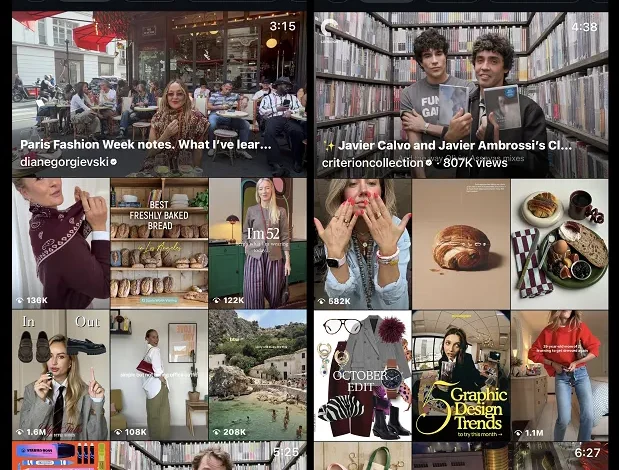
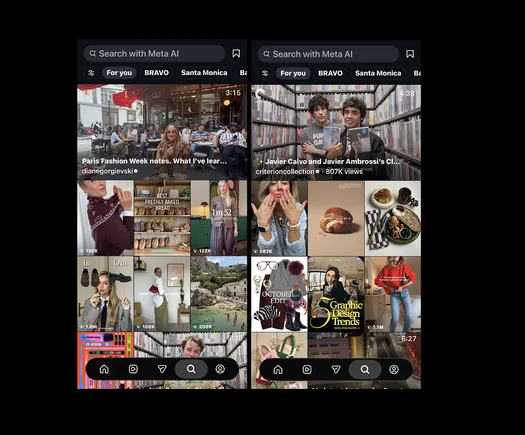
To overcome initial resistance and populate the platform with high-quality material, Instagram has deployed aggressive short-term strategies. Recent screenshots shared by creator economy expert Lia Haberman reveal that Instagram is testing the prominent placement of long-form video at the very top of its Explore page for select users. This prime digital real estate offers unprecedented visibility, acting as a powerful lure for creators seeking broader audiences and enhanced discoverability.
Concurrently, reports indicate that Instagram has offered one-off financial incentives reaching up to $500,000 to a select cohort of high-profile creators. By securing exclusive or early access to big-name talent, the platform hopes to build an initial library of long-form content that can attract casual viewers. While these massive lump-sum payments effectively bootstrap the initiative, industry analysts recognize that such expenditures are financially unsustainable as a permanent business model.
The Strategic Vision Behind Instagram Long-Form Content
The motivation behind Instagram’s pivot was illuminated during a recent interview between Instagram Chief Adam Mosseri and prominent YouTubers Colin and Samir. Mosseri articulated that the primary strategic objective of introducing long-form content is to directly challenge YouTube. This competition has increasingly shifted toward the living room, with YouTube experiencing significant viewership growth via Connected TV (CTV) devices as users transition from traditional linear television to streaming internet video on home screens.
Mosseri outlined a distinct product philosophy for Instagram’s entry into the space. Rather than merely copying YouTube’s desktop and mobile viewing formats, Instagram aims to synthesize short- and long-form media using its signature ecosystem approach. The vision involves allowing creators to fragment long-form videos into bite-sized Reels, thereby offering consumers a multifaceted viewing experience where they can choose the depth of engagement that suits their preferences.
Despite this clear product roadmap, Mosseri was transparent about the economic hurdles facing the platform. During the interview, he candidly noted that platform-funded payouts, performance-based incentives, and traditional creator bonuses do not inherently act as sustainable revenue drivers for the company. Furthermore, inserting disruptive mid-roll advertisements—a staple of traditional video platforms—conflicts with the seamless, fast-paced scrolling experience native to Instagram.
The Persistent Economic Gap: Instagram Versus YouTube
Mosseri’s cautious stance on direct monetization is rooted in historical data. Smaller-scale creator payment schemes attempted by Instagram in the past have frequently proven to be cost-negative, yielding poor return on investment (ROI) for the company while failing to foster long-term loyalty among creators.
External industry data underscores the severity of this income disparity. An independent analysis conducted by VidIQ comparing creator revenues across major platforms revealed that video creators on Instagram generally earn a fraction—often estimated at around 10%—of what identical content generates on YouTube through the YouTube Partner Program. Without a dependable system to bridge this financial chasm, creators view Instagram primarily as a top-of-funnel marketing tool to drive traffic elsewhere, rather than a primary destination for hosting flagship video projects.
The Ghost of IGTV and Historical Parallels
Industry observers have been quick to draw parallels between the current rollout of Features and Instagram’s previous foray into extended video: IGTV. Launched with considerable fanfare years prior, IGTV was designed to accommodate vertical video up to an hour in length. However, the standalone app and in-stream video format ultimately faltered and were systematically phased out.
The primary catalyst for the demise of IGTV was a lack of adequate financial incentives. Creators quickly realized that spending significant production budgets on long-form content for Instagram yielded negligible financial returns compared to uploading the same assets to YouTube or Facebook, where monetization paths were firmly established. Without a robust economic engine underpinning Features, digital economy experts warn that Instagram risks repeating the cycle of past abandonments.
Although Mosseri has openly acknowledged that Instagram must eventually evolve its payment structures to properly compensate long-term video producers, leadership has yet to formulate a viable path forward. Aside from facilitating direct brand sponsorship deals between creators and corporate advertisers, Instagram’s options remain severely constrained. Mosseri’s recent admissions suggest that automated ad-revenue sharing modeled after YouTube remains technically and economically challenging within Instagram’s current architecture.
Implications for the Creator Economy
As Instagram presses forward with its algorithmic promotion and high-value pilot payments, the platform stands at a critical juncture. The immediate success of Features is virtually guaranteed for top-tier creators who have secured lucrative upfront contracts and prime visibility on the Explore page. However, the democratization of long-form content for mid-tier and emerging creators hinges entirely on solving the monetization riddle.
If Instagram cannot develop a competitive, scalable revenue-sharing framework, the platform may struggle to retain long-form content creators once the initial wave of promotional funding dries up. For brands, digital agencies, and independent creators alike, the coming months will serve as a definitive test of whether Instagram can successfully transition from a snapshot and short-form video hub into a comprehensive, multi-format media ecosystem capable of rivaling the established titans of digital video.