Demystifying the Instagram Algorithm: A Comprehensive Guide to Content Strategy and Platform Dynamics

For years, the inner workings of Instagram’s content delivery systems have been the subject of intense speculation among creators, marketers, and business owners. The platform, now a central pillar of the digital economy, does not operate on a single, monolithic rule set. Instead, it utilizes a sophisticated architecture of distinct algorithms—tailored specifically for the Feed, Stories, Explore, and Reels—to manage the vast influx of daily content. Understanding these mechanisms is no longer optional for those seeking visibility in an increasingly competitive landscape. By dissecting the ranking signals, core content principles, and user-facing controls, one can navigate the platform with greater precision and strategic intent.

The fundamental shift away from chronological feeds was a deliberate decision by Meta, Instagram’s parent company, to combat the "noise" of an platform that had grown too large for linear navigation. Adam Mosseri, Head of Instagram, has clarified that the primary objective of current ranking systems is to foster meaningful connections and discovery. Without automated ranking, the platform would be dominated by high-volume corporate entities, effectively silencing independent creators. Consequently, Instagram has implemented a tiered approach: algorithms for the Feed and Stories prioritize existing social ties, while the Explore and Reels algorithms focus on discovery through interest-based recommendations.

The Evolution of Ranking Principles
Instagram’s approach to ranking has matured significantly, moving toward a more nuanced, AI-driven model. Mosseri has articulated four pillars that define how the platform evaluates content: Originality, Recency, Breaking Content, and Model Size.

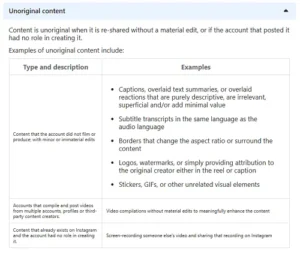
Originality has become a primary metric for distribution. Instagram has actively adjusted its algorithms to favor creators who produce unique media over those who aggregate content from other sources. Since early 2026, accounts identified as "aggregators" have seen a marked decline in reach. This pivot is designed to protect the intellectual property of original creators and incentivize the production of fresh, high-quality material.
Recency, while not the sole determinant, remains critical. Data indicates that a significant share of daily impressions is now reserved for content published within the last 24 hours. This encourages timely updates and ensures that users remain connected to current events. Complementing this is the "auditioning" process for breaking content. When a smaller, public account publishes a post, the algorithm tests it with a segment of users who do not follow the creator. If the post triggers high engagement, it is promoted to a broader audience, providing a pathway for viral growth that was previously inaccessible to smaller creators. Finally, the integration of larger AI models has allowed the platform to improve its predictive accuracy, making it more adept at connecting users with content they are statistically likely to find relevant.

Core Engagement Signals: The Metrics of Influence
While Instagram tracks thousands of data points, it has publicly identified three specific signals as the most influential: watch time, likes, and sends. The weight of these signals shifts depending on the surface. For example, likes serve as a primary indicator of affinity among followers, while the act of "sending" a post via Direct Message is a high-intent signal that carries more weight when reaching non-followers.

Watch time remains the gold standard for Reels. Given the shift toward short-form video, the platform prioritizes content that commands sustained attention. Creators are advised to monitor "average watch time" within Instagram Insights to gauge the effectiveness of their video hooks. Similarly, tracking "shares per reach" provides a granular look at how content is resonating with new audiences, as a share is a strong endorsement of the content’s value.

Surface-Specific Strategies
The strategy for success must be tailored to the specific behavior expected on each Instagram surface:

- The Feed: This surface focuses on a mix of followers and recommendations. Strategies here benefit from high-engagement formats like carousels. Data from over 4 million posts suggests that carousels generate approximately 109% more engagement per reach compared to Reels, largely because they offer multiple touchpoints for the user to interact with the content.
- Stories: Stories remain the premier tool for deepening existing relationships. Because they appear at the top of the app, they provide immediate visibility to followers. The algorithm here is heavily influenced by DM replies and "closeness" signals, making interactive elements like polls and question stickers essential for maintaining visibility.
- Explore: The Explore page is the engine of discovery. It ranks content based on historical user behavior—what a user has liked or saved previously—and expands that to show related content from similar accounts. Success here depends on rapid initial engagement.
- Reels: The Reels feed is dominated by recommended content. It is the most effective tool for audience growth. Because nearly half of all video consumption on the platform occurs without audio, creators must utilize strong visual cues and on-screen text to communicate their message effectively.
The Role of User Control
Instagram has introduced "Your Algorithm" as part of its commitment to user agency. This feature allows individuals to view the topics that influence their recommendations and manually refine them. For creators, this means that niche specialization is increasingly important. By clearly defining the subject matter of a post through captions and text, creators can help the algorithm match their content with the correct target audience. Furthermore, tools like "Favorites" allow users to ensure they never miss content from specific accounts, effectively bypassing the uncertainty of the general feed ranking.

Best Practices for Sustainable Growth
A sustainable Instagram strategy requires moving beyond "hacks" and focusing on consistent, high-value output.
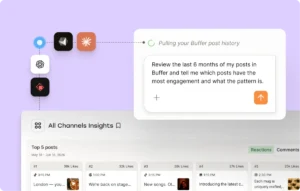
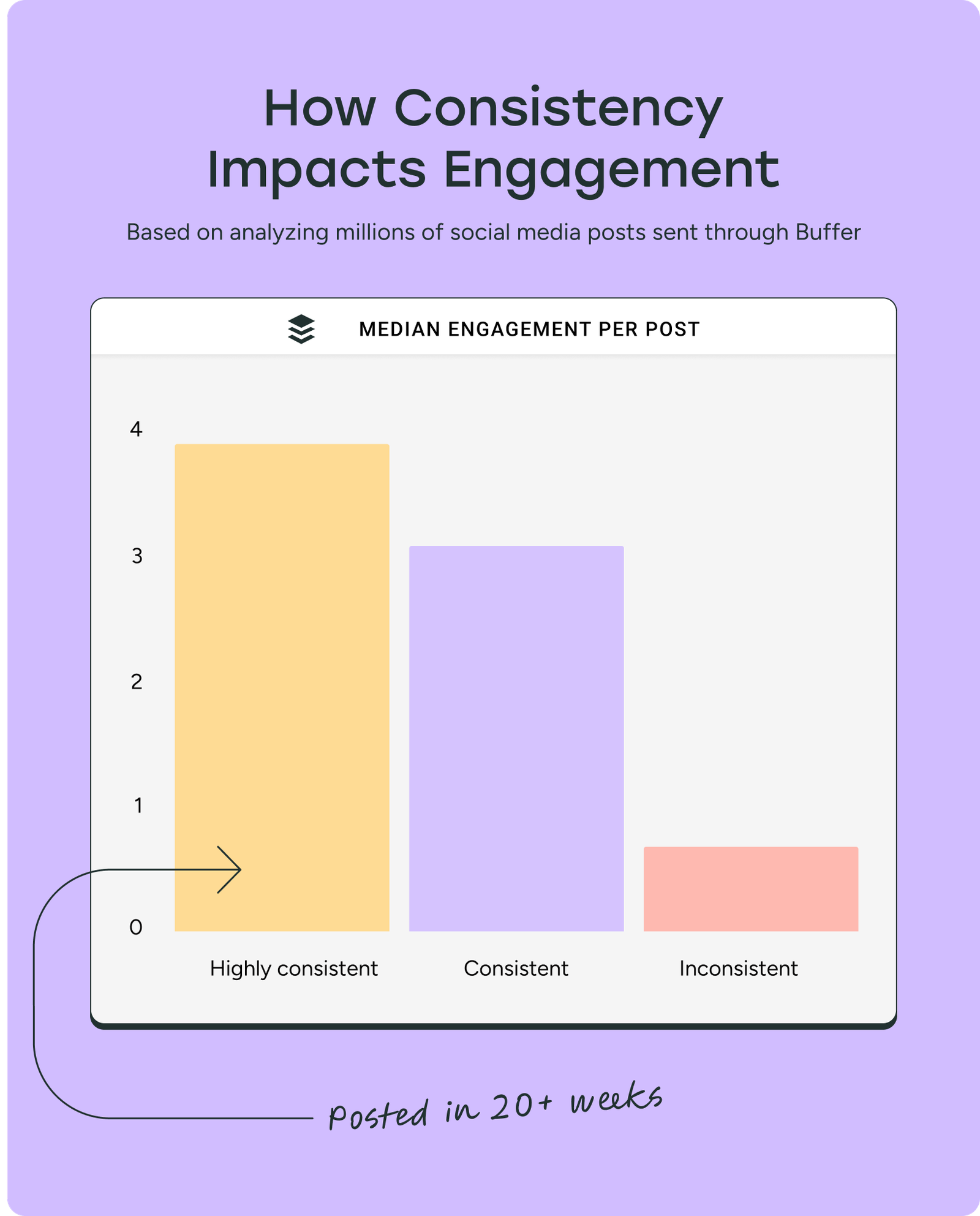
- Consistency and Analytics: Empirical evidence suggests that accounts posting on a regular schedule see significantly higher engagement. It is essential to use data to inform posting times rather than relying on general platform advice.
- The Myth of Hashtags: As confirmed by platform leadership, hashtags are no longer a primary driver of reach. The platform has implemented a limit of five hashtags per post. Instead of relying on tags, creators should prioritize keyword-rich captions that improve discoverability via the platform’s search functions.
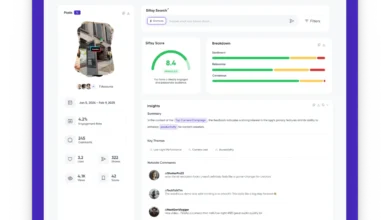
- Engagement Quality: The "4-1-1 rule"—sharing four educational or entertaining posts for every one soft promotion and one hard promotion—remains a best practice for maintaining a healthy content mix. Furthermore, focusing on the engagement rate (the percentage of viewers who interact with a post) provides a more accurate reflection of performance than raw view counts.
Future Implications
The trajectory of the Instagram algorithm points toward an increasingly personalized, interest-based experience. As the platform refines its AI, the emphasis will continue to shift toward "value-add" content that keeps users engaged within the ecosystem. The era of mass-market content is being replaced by a highly granular discovery model. For brands and creators, the takeaway is clear: success on Instagram is a product of understanding the unique mechanics of the platform, maintaining high standards for original production, and using data-driven insights to refine a niche-specific audience strategy. By prioritizing authentic engagement over algorithm manipulation, creators can build a resilient presence that withstands the inevitable iterations of the platform’s ranking systems.
Related posts: