Navigating the Digital Blind Spot: How Global Enterprises Are Redefining Reputation Intelligence Through Proactive Risk Management

In the modern corporate landscape, reputation risk rarely announces itself with a resounding alarm. Instead, it typically materializes in quiet fragments: subtle shifts in customer sentiment within a single regional market, inconsistent messaging across decentralized digital channels, or disparate internal teams formulating contradictory responses to identical emerging issues. Viewed in isolation, these occurrences are frequently dismissed as operational anomalies. However, when aggregated, they often serve as the early warning indicators of systemic vulnerabilities capable of threatening enterprise value.
For decades, corporate risk management strategies have relied heavily on reactive monitoring frameworks. These traditional models are engineered to flag high-profile disruptions—such as sudden spikes in negative public commentary, viral consumer backlash, or acute public relations crises—only after tangible damage has already occurred. By the time an issue commands executive attention through conventional alerts, the window for proactive mitigation has largely closed.
Industry data underscores the pervasive nature of this operational delay. Research compiled in Sprout Social’s recent Social Intelligence Report indicates that the vast majority of enterprise organizations require between one to two weeks to formulate and execute a response to observable social media signals. Strikingly, only 10% of businesses possess the operational agility required to address emerging digital signals within a matter of hours. The consequences of this latency are substantial: approximately 86% of global organizations report that siloed data and slow-moving internal insights have directly caused them to miss critical strategic opportunities, while 26% have documented customer grievances escalating into severe crises that could have been preempted with earlier intervention.
Recognizing the limitations of legacy monitoring, multinational conglomerates are increasingly overhauling their risk architectures. A prime example of this paradigm shift is the Atlas Copco Group, a global industrial manufacturing leader operating across complex sectors including air compression, vacuum solutions, industrial power tools, and assembly systems. By fundamentally rethinking how brand data is captured, analyzed, and operationalized, Atlas Copco has established a benchmark for modern reputation intelligence, earning recognition through Sprout Social’s 2026 Predictive Edge Award.
The Anatomy of Reputation Intelligence Versus Traditional Monitoring
To understand the operational evolution undertaken by global enterprises, it is essential to distinguish between reputation monitoring and reputation intelligence.

Reputation monitoring is fundamentally retrospective and descriptive. It encompasses the tracking of surface-level digital metrics, such as online product reviews, direct brand mentions, and macroscopic shifts in public sentiment across social networks. While monitoring remains an indispensable tool for maintaining continuous awareness of public perception, it operates within a silo, offering little contextual framework to guide strategic decision-making.
Reputation intelligence, conversely, is diagnostic, connective, and proactive. It synthesizes brand data across disparate geographic markets, digital channels, and social media handles, allowing enterprise teams to discern underlying behavioral patterns, contextualize their business implications, and prioritize resource allocation before minor friction points metastasize into major liabilities.
Within large-scale organizations operating across multiple jurisdictions, this broader analytical view transforms fragmented consumer feedback into actionable guidance for communications departments, go-to-market strategists, compliance officers, and executive leadership. By utilizing unified reputation datasets, enterprises can identify recurring structural inefficiencies and provide boardrooms with unprecedented visibility into developing operational risks.
The Prevalent Danger of Weak Signals
The primary challenge in contemporary reputation management lies in the nature of modern risk formation. Significant brand crises rarely materialize instantaneously; they are almost invariably preceded by an accumulation of weak signals.
In decentralized corporate environments, these preliminary clues often manifest as repetitive consumer inquiries left unaddressed, declining engagement metrics, subtly negative shifts in online discourse tone, or uncoordinated local social media execution. Furthermore, issues such as inconsistent account activity, off-brand content publishing, dormant regional web properties, and deteriorating quality indicators frequently signal a systemic erosion of brand governance.
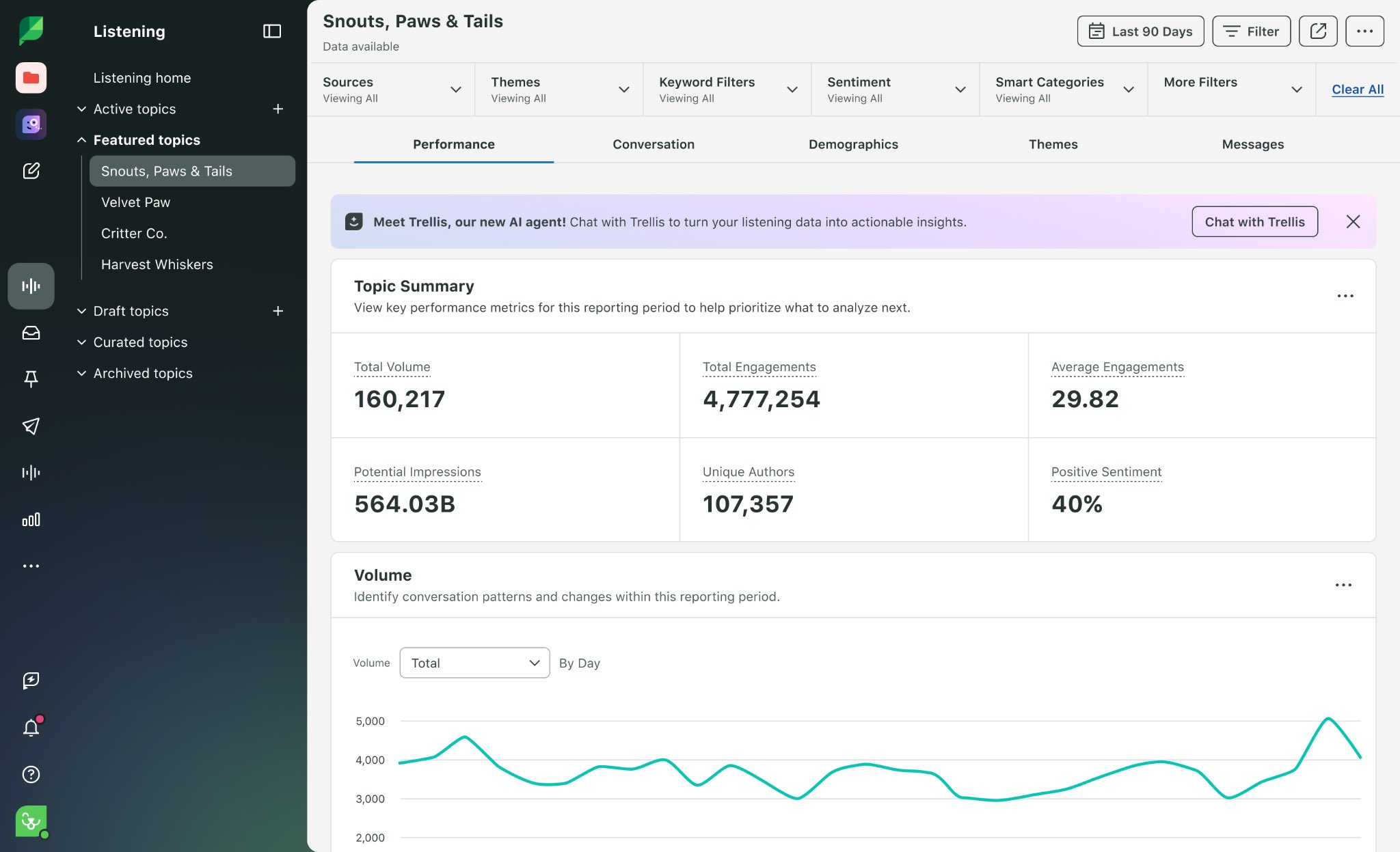
When organizations rely exclusively on automated threshold alerts configured to detect massive volume spikes, these weak signals invariably slip through the cracks. Because each individual occurrence appears statistically negligible, it fails to trigger formal risk protocols. However, when aggregated through advanced social intelligence platforms—such as Sprout Social Listening—these dispersed data points form coherent patterns that illuminate underlying vulnerabilities in customer service, product quality, or regional execution long before financial performance or brand equity is visibly impacted.
The Atlas Copco Group Framework: A Five-Step Proactive Model
Managing digital communications across a vast global footprint presents formidable administrative challenges. For the Atlas Copco Group, maintaining brand equity, regulatory compliance, and consistent messaging across numerous business areas, global divisions, and localized markets required a decisive transition from reactive damage control to a sophisticated, proactive governance framework.
The organization successfully bridged the gap between centralized oversight and localized responsiveness by implementing a comprehensive five-step reputation intelligence model.
-
Systematic Capture of Weak Signals
Atlas Copco established protocols to continuously track weak operational and digital signals across its global network. By monitoring recurring patterns in customer behavior and internal team execution, the global headquarters can evaluate account health and brand consistency on a continuous basis. Rather than policing local channels restrictively, the central team analyzes cross-market data to identify where local subsidiaries require overarching strategic guidance to better serve their respective audiences. Utilizing Sprout Social Listening, the team correlates data streams across disparate networks to uncover connections that would remain invisible if each regional profile were analyzed in isolation. -
Implementation of a Clear Governance Structure
Early intelligence is of limited utility unless paired with a standardized operational response framework. Atlas Copco introduced a formalized social media action matrix that explicitly defines account ownership, mandates routine content audits, and institutes comprehensive account health scorecards published on a biannual basis. This structured approach fundamentally enhances brand safety. In enterprise environments where dozens of regional contributors publish content, clear ownership hierarchies and mandatory review workflows ensure absolute consistency in public communications and crisis response readiness. The organization leverages internal tagging features within Sprout Social to categorize digital assets by compliance and quality metrics, instantly identifying which business units adhere to corporate standards and which require targeted intervention. -
Standardization of Account Health Metrics
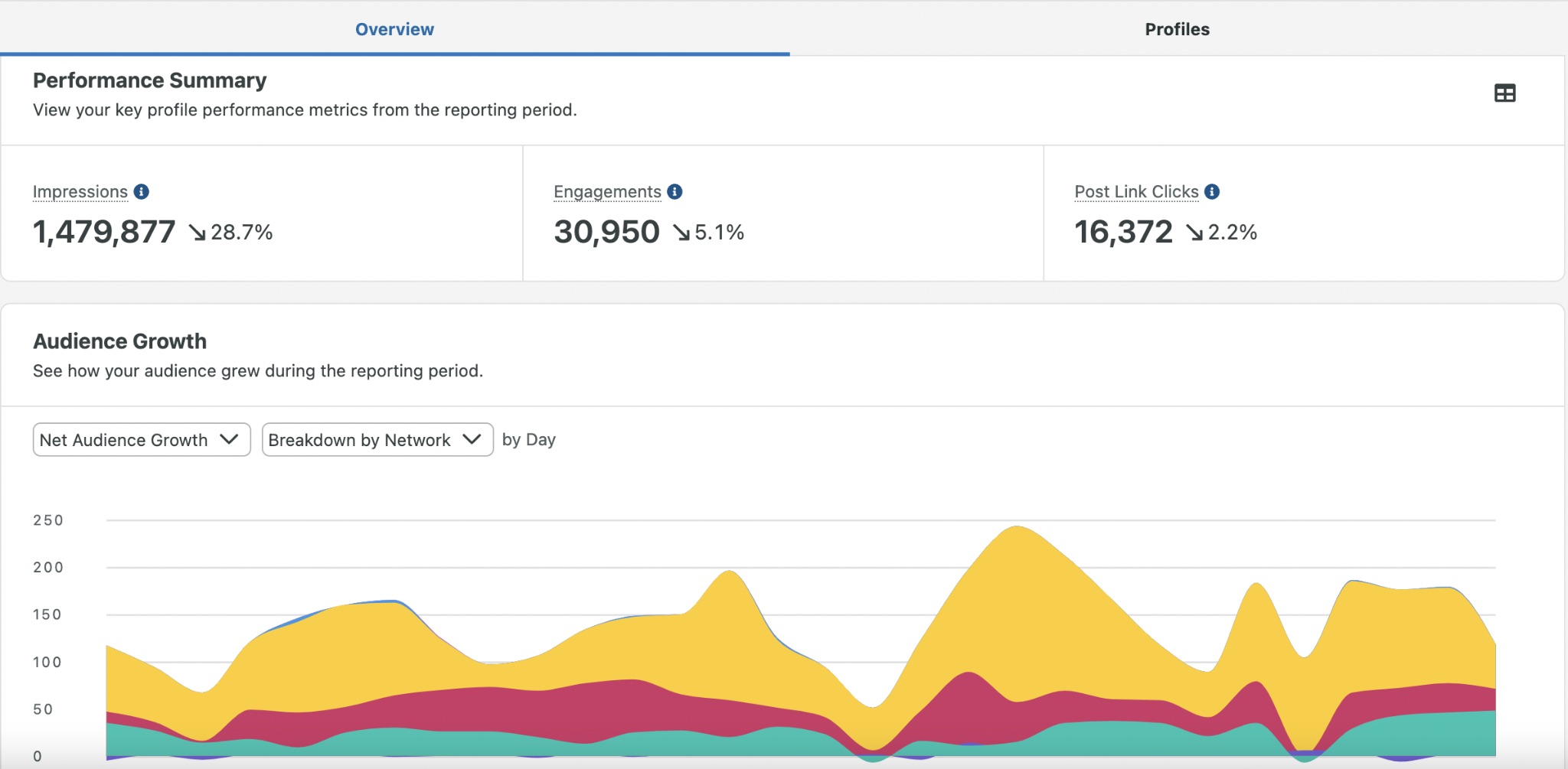
To eliminate subjectivity in performance evaluations, Atlas Copco instituted a uniform set of key performance indicators designed to assess brand health across international markets. Rather than evaluating vanity metrics in isolation, the organization simultaneously analyzes posting activity, regulatory compliance, average response times, and audience engagement rates. This multi-dimensional approach generates an objective, highly accurate assessment of regional digital performance. By deploying Sprout Social’s Profile Performance Reports, management can seamlessly benchmark profiles against one another, swiftly identifying local teams that require supplementary training, enhanced administrative oversight, or structural resource adjustments. -
Integration of Social Data into Executive Decision-Making
Historically, corporate social media data has been quarantined within marketing departments, severely limiting its utility for enterprise-wide risk management. Industry benchmarks highlighted by Sprout Social reveal that only 36% of organizations successfully leverage social data to inform strategic business decisions outside of marketing. Atlas Copco actively dismantled these internal silos by embedding reputation intelligence directly into corporate risk assessment and strategic communications planning. Consequently, executive leadership treats social intelligence as a primary operational input—equal to financial audits and operational risk reports—when evaluating enterprise vulnerability, planning global communications, and allocating capital resources to mitigate emerging threats.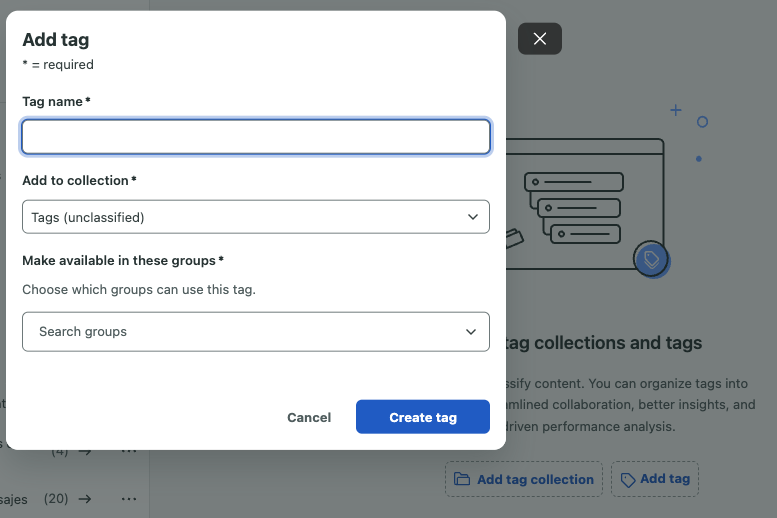
-
Internal Operationalization and Supportive Governance
The final pillar of Atlas Copco’s model focuses on internal enablement. Rather than utilizing governance purely as a punitive regulatory mechanism, the organization employs reputation intelligence to support local managers proactively. When central listening tools identify governance gaps, inconsistent messaging, or declining account health, the response is structured as an opportunity for targeted coaching and professional development. While severe liabilities trigger formal escalation pathways, routine discrepancies are resolved through enhanced clarity of ownership and constructive feedback. This supportive governance model preserves local market agility while safeguarding central brand integrity.
The Transformative Role of Artificial Intelligence in Reputation Intelligence
As the global digital ecosystem continues to expand, artificial intelligence has fundamentally altered the volume, velocity, and complexity of online discourse. The proliferation of generative artificial intelligence technologies has drastically lowered the barrier to content creation, enabling malicious actors, dissatisfied consumers, and competitors to generate and disseminate brand-related narratives at an unprecedented scale. This technological acceleration has introduced complex new vectors of reputation risk that traditional monitoring tools are entirely unequipped to handle.
While advanced brand safety tools are critical for monitoring an exponentially wider array of digital conversations and emerging threats, they simultaneously exacerbate the problem of data saturation. Communications and risk management teams are routinely inundated with massive volumes of content, consumer reactions, and fluctuating online narratives, making it increasingly difficult to separate meaningful reputation signals from everyday digital noise.
Herein lies the critical limitation of automated systems: while artificial intelligence possesses the computational capacity to scan vast repositories of social data and surface structural patterns with remarkable speed, human judgment remains utterly indispensable. Skilled professionals are required to interpret nuanced cultural contexts, validate the authentic business significance of surfaced data points, and formulate sophisticated strategic responses.
To navigate this data deluge, modern enterprises are increasingly deploying specialized AI agents designed to synthesize complex datasets into actionable executive insights. Tools such as Trellis—Sprout Social’s proprietary AI teammate for social intelligence—aggregate millions of data points and translate advanced analytics into contextualized reporting suitable for board-level consumption. By automating the laborious process of data collection and initial pattern recognition, AI empowers enterprise teams to shift their focus from manual data compilation to high-level strategic decision-making.
Strategic Implications and the Future of Enterprise Risk Management
The operational evolution demonstrated by organizations like the Atlas Copco Group illustrates a broader, necessary transformation within global corporate governance. As digital channels become increasingly central to enterprise valuation and customer trust, the margin for error in reputation management continues to contract.
Moving from a reactive posture to a proactive, intelligence-driven framework requires organizations to critically evaluate their internal data architectures. Enterprises must dismantle departmental silos, integrate qualitative social data into enterprise risk assessments, establish rigorous yet supportive governance frameworks, and leverage artificial intelligence to enhance human analytical capabilities rather than replace them.
Ultimately, the question facing modern leadership is no longer whether reputation risks will emerge, but whether the organization possesses the intelligence infrastructure to detect them in their infancy. By mastering the art of capturing weak signals and operationalizing reputation intelligence across the enterprise, businesses can safeguard their brand equity, protect operational continuity, and secure a decisive competitive advantage in an increasingly unpredictable global marketplace.