
The rapid ascent of pickleball from a niche backyard activity to a global sporting phenomenon offers a compelling blueprint for digital content creators. As of 2024, the Sports & Fitness Industry Association (SFIA) has identified pickleball as the fastest-growing sport in the United States for the third consecutive year, boasting an estimated 13.6 million players. This unprecedented expansion—driven by low barriers to entry and high social engagement—provides a strategic framework that modern bloggers can utilize to navigate the increasingly competitive digital landscape. By analyzing the structural success of the sport, content creators can derive actionable insights regarding community building, content iteration, and audience retention.
Historical Context and the Evolution of a Phenomenon
The origins of pickleball are rooted in modest beginnings. The game was invented in 1965 on Bainbridge Island, Washington, by Joel Pritchard, Bill Bell, and Barney McCallum. Designed initially as a family pastime to stave off boredom, the game utilized improvised equipment: table tennis paddles, a perforated plastic ball, and a badminton net lowered to accommodate a smaller court.
The trajectory of the sport mirrors the lifecycle of successful digital platforms. Just as the creators of pickleball focused on accessibility to drive early adoption, successful blogs must prioritize a foundational user experience that lowers the barrier for new readers. Data indicates that the sport’s growth accelerated significantly during the 2020 pandemic, as individuals sought accessible, socially distanced recreational activities. For the blogging industry, this reflects a period of heightened demand for niche, high-quality content that offers both utility and community, proving that even a "simple" platform can scale into an international authority if the core value proposition remains consistent.
Strategic Parallels: The Anatomy of a Successful Blog

The technical mechanics of pickleball—specifically the "dink" and the "kitchen"—provide a precise metaphor for content strategy. In professional play, a dink is a soft, high-precision shot designed to force an opponent into a mistake or to regain control of the game’s tempo. Translating this to digital content, this represents the art of nuance. While many bloggers prioritize "loud" or aggressive SEO-driven headlines, the most sustainable blogs often succeed through thoughtful, digestible, and value-rich information that simplifies complex topics.
Furthermore, the "kitchen" (the non-volley zone) serves as a regulatory boundary that keeps the game fair and challenging. In blogging, this translates to the balance between promotional material and editorial integrity. Readers are adept at identifying when a blog has overstepped into purely commercial territory, much like a player is penalized for entering the kitchen during a volley. Maintaining the right "positioning" ensures that the relationship between the content creator and the audience remains balanced and productive.
Chronology of Growth and Audience Engagement
The growth of pickleball has been fueled by a grassroots expansion model that aligns closely with modern content marketing cycles:
- 1965–1975: Incubation and local adoption, mirroring the "launch" phase of a blog where a creator builds initial content pillars.
- 1984: The formation of the USA Pickleball Association, reflecting the professionalization of a blog through formal SEO, branding, and niche authority building.
- 2018–2022: The "Exponential Surge," where corporate sponsorship and television broadcasting mirrored the scaling phase of a content hub through social media integration and multi-platform distribution.
This chronology demonstrates that longevity in any field requires adaptation. The sport underwent technical refinements to its ball material and paddle construction to accommodate a faster pace of play. Similarly, bloggers must adapt to the shifting tides of the digital ecosystem—such as the rise of artificial intelligence, search engine algorithm updates, and the migration of audiences from static websites to short-form video platforms.
Data-Driven Analysis of Community Retention
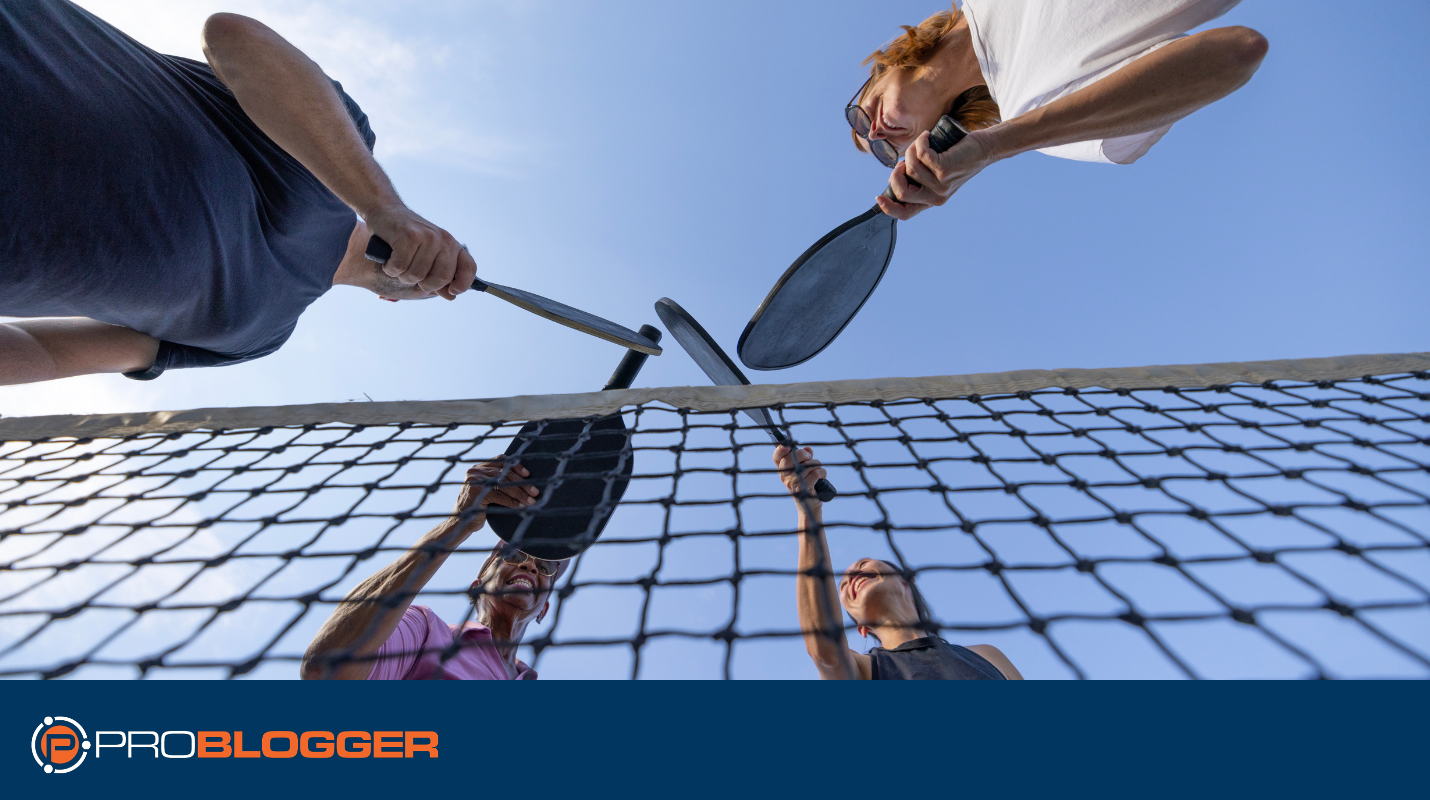
The sustainability of both professional sports and digital media relies on the "rally"—the duration of time an audience spends engaging with the content. According to industry metrics, engagement rates on blogs are heavily influenced by the speed of response and the interactivity of the comment section. In pickleball, the rally is a collaborative effort; the players rely on each other to keep the ball in motion.
When a blogger treats their audience as a participant in a rally rather than a passive recipient of information, engagement metrics—such as time-on-page and bounce rate—consistently improve. This is supported by studies on digital community management, which suggest that active participation in Q&A sessions, social media threads, and direct engagement significantly lowers audience churn. The "serve," or the initial hook of a blog post, functions identically to the serve in pickleball; it is the critical juncture that determines whether the reader will stay for the duration of the match or leave before the first point is scored.
The Role of Failure and Iteration
One of the most valuable lessons to be learned from the sport is the acceptance of the "whiff." Even professional athletes fail to connect with the ball. In the context of content creation, a "whiff" represents a post that fails to gain traction or an SEO strategy that does not yield the expected traffic. The professional standard in both sports and media is to analyze the failure, adjust the technique, and return to the court.
Industry analysts emphasize that "iterative failure" is a prerequisite for long-term growth. Bloggers who perform regular audits of their underperforming content are better positioned to pivot toward higher-performing topics. This objective approach to performance review transforms a negative outcome into a data-driven refinement, ensuring that future "serves" are more accurate and more likely to resonate with the target demographic.
Implications for the Digital Content Economy

The broader implication for the blogging industry is clear: the most successful creators are those who treat their content as a disciplined practice. By applying the principles of strategic positioning, consistent practice, and community-centric engagement, bloggers can transform a solitary writing process into a vibrant, scalable, and sustainable enterprise.
Moreover, the "fun" aspect of pickleball should not be dismissed as mere sentimentality. It serves as a vital component of brand identity. A creator’s enthusiasm for their subject matter acts as a differentiating factor in an era where AI-generated content can produce technical accuracy but often lacks human resonance. Passion is the differentiator that keeps an audience coming back to a specific voice in a crowded digital space.
Conclusion: Strategic Takeaways for Creators
To thrive in the current digital climate, bloggers should adopt the following operational framework:
- Prioritize Simplicity: Use clear, jargon-free language to make complex topics accessible, much like the rules of pickleball.
- Position for Impact: Understand the "sweet spot" of the niche, balancing value-added content with appropriate monetization.
- Maintain Momentum: View every comment and share as a part of a larger rally, fostering a two-way dialogue with the reader.
- Adapt or Fail: Recognize that the digital "court" changes; utilize new technologies and platforms to maintain relevance.
- Analyze the Whiffs: Treat low-performing content as a diagnostic tool rather than a personal or professional setback.
As the digital landscape continues to evolve, the lessons derived from the rise of pickleball—accessibility, community, and strategic agility—remain constant. Whether managing a small-scale blog or a major content network, the objective remains the same: to engage the audience, deliver consistent value, and ensure that the "rally" continues for as long as possible. The transition from a casual observer to a seasoned player in the digital game requires not just the right tools, but the right mindset. By viewing the craft of blogging through the lens of a high-strategy sport, creators can ensure that their work remains a lasting, integral part of the online ecosystem.