The Strategic Integration of AI Store Builders and Shopify Native Tools for E-commerce Success

The rapid evolution of generative artificial intelligence has fundamentally altered the landscape of digital entrepreneurship, particularly for merchants entering the competitive e-commerce sector. Historically, the "blank page" phenomenon—the paralyzing initial stage of building a website—served as a significant barrier to entry for aspiring business owners. Today, however, AI-driven platforms like BuildYourStore.ai (BYS) and Shopify’s native suite of tools are streamlining this process by automating the foundational elements of site architecture, product sourcing, and design.
The Technological Shift in Storefront Development
Building an online retail presence has transitioned from a labor-intensive manual process to a highly automated workflow. Recent industry data indicates that merchants utilizing AI-assisted site builders can reduce their initial setup time by approximately 60% compared to traditional manual construction. This efficiency is achieved through the integration of large language models (LLMs) and automated design engines that configure themes, generate boilerplate copy, and integrate product catalogs.
The current industry standard involves a two-pronged approach: leveraging specialized third-party generators for initial infrastructure and utilizing platform-native tools for ongoing optimization. While platforms like Shopify offer robust, built-in AI capabilities, third-party builders such as BuildYourStore.ai often provide a more comprehensive "start-up" package, including pre-sourced product catalogs from dropshipping hubs like AutoDS.

Chronology of the Modern Store Build
For an entrepreneur initiating a new venture, the typical workflow now follows a standardized technological progression:
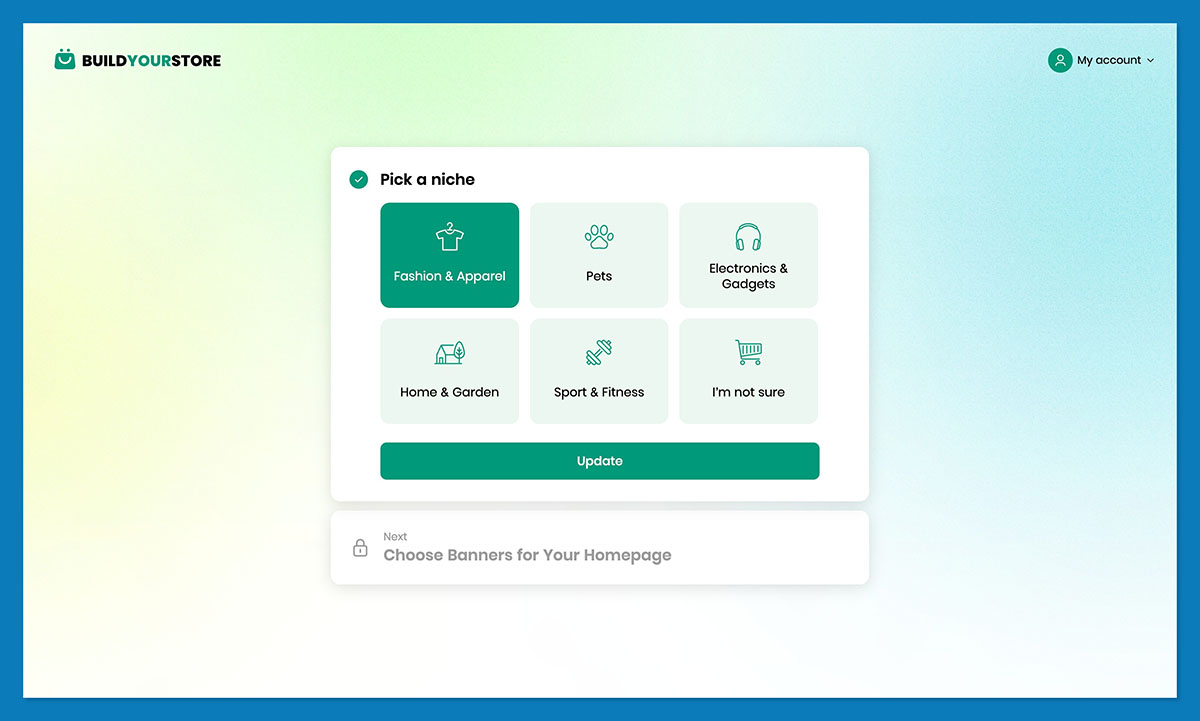
- Conceptualization and Niche Selection: Users define their business parameters—target audience, niche, and branding aesthetic—into an AI interface.
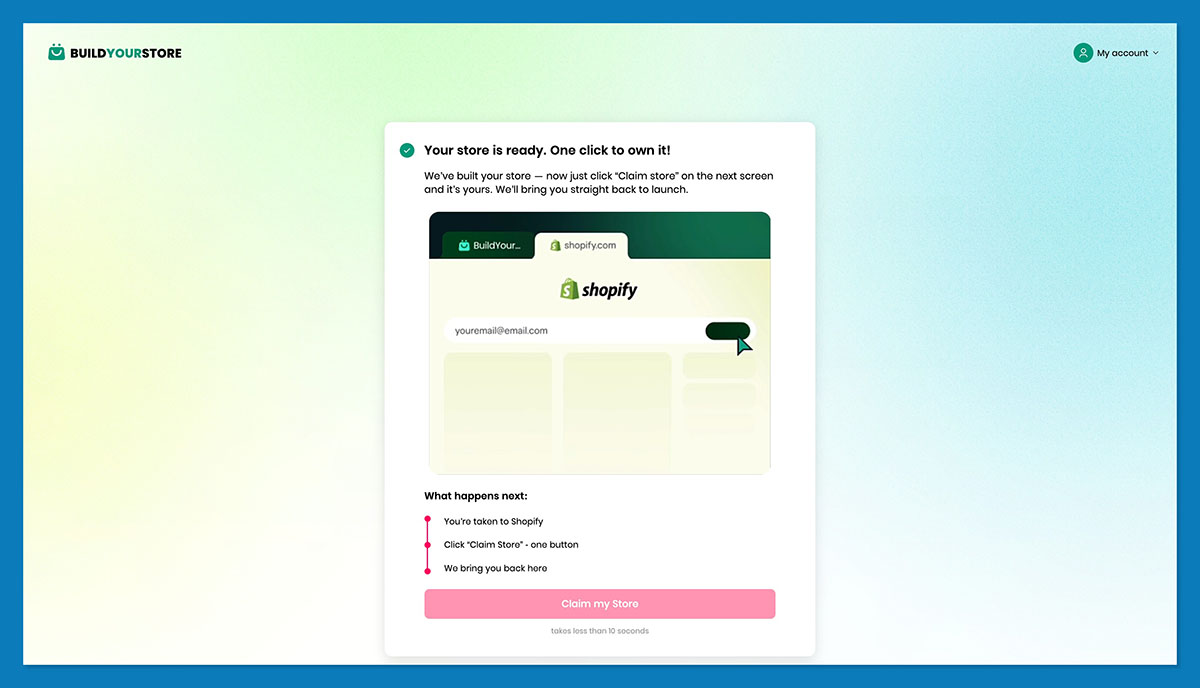
- Infrastructure Generation: AI tools construct the foundational framework, including the Shopify theme, legal policy templates, and basic navigation menus.
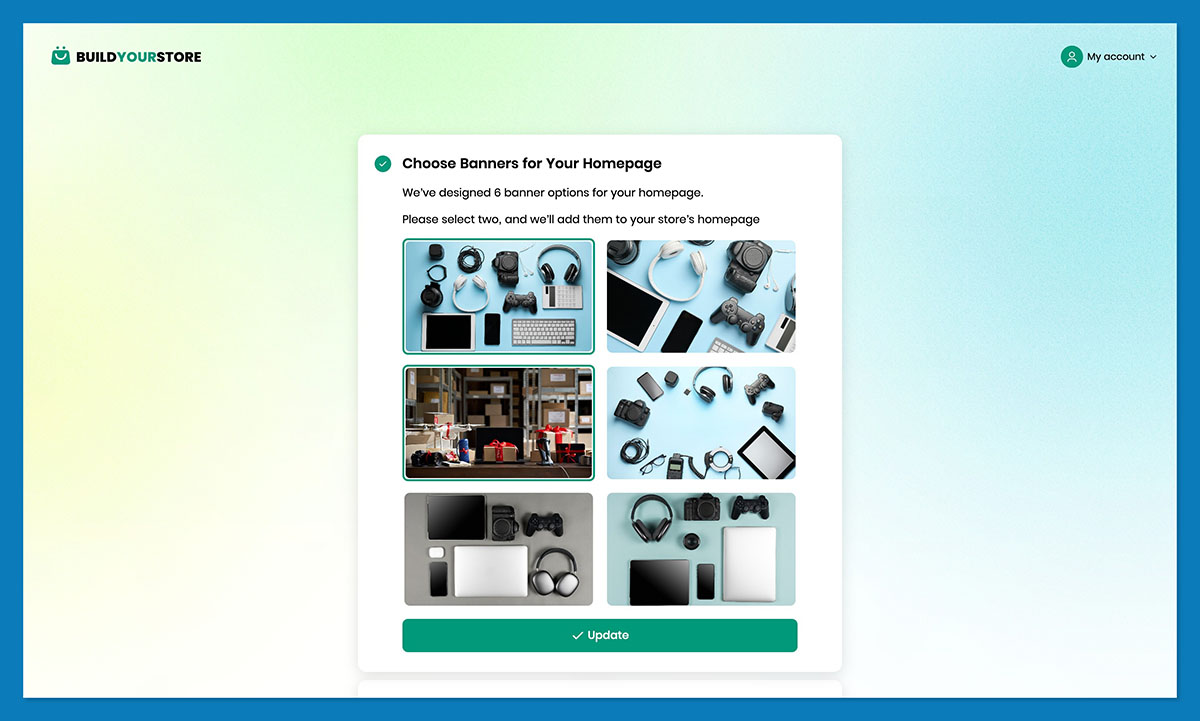
- Catalog Integration: Automated tools sync with dropshipping APIs to populate the storefront with niche-relevant inventory, complete with initial pricing and variant configurations.
- Operational Refinement: Merchants transition to native platform tools, such as Shopify Magic and Sidekick, to refine product descriptions, adjust SEO attributes, and manage inventory operations.
- AI-Discovery Readiness: The final stage involves aligning the store with "Agentic" search standards, ensuring that AI-powered assistants like ChatGPT, Gemini, and Microsoft Copilot can accurately crawl, categorize, and recommend products to consumers.
Comparative Analysis: Shopify Native vs. Specialized AI Builders
A critical distinction exists between platform-native builders and specialized third-party solutions. Shopify’s native tools are designed for high-level customization and operational management. They excel at internal tasks such as drafting automated workflows via Shopify Flow, editing image backgrounds, and analyzing store performance data to provide actionable insights.
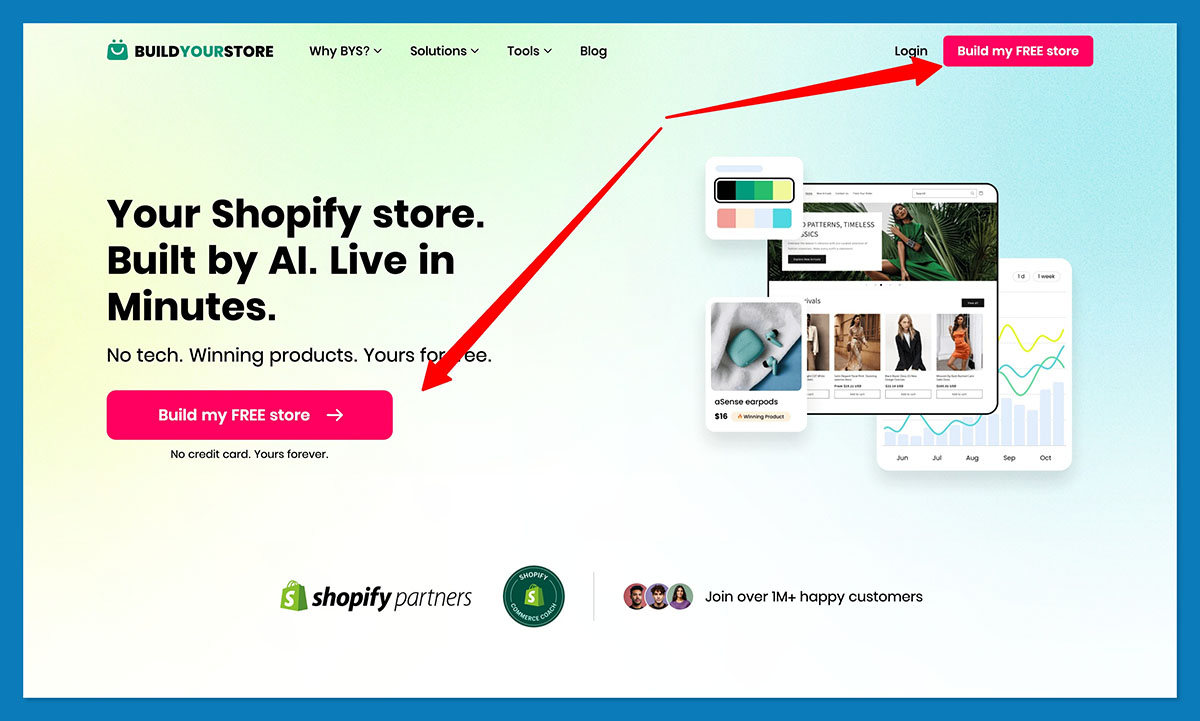
Conversely, BuildYourStore.ai focuses on the "Day Zero" requirements. It provides a more tactile starting point for those without existing inventory or design assets. By bundling a free .store domain, ten pre-selected products, and optimized page structures, it addresses the most common friction points for new entrants.
| Feature Category | Shopify Native AI | BuildYourStore.ai |
|---|---|---|
| Core Function | Operational Management | Rapid Store Initialization |
| Product Sourcing | Manual or App-based | Integrated AutoDS Catalog |
| Theme Customization | Advanced/Deep Control | Baseline Dawn Framework |
| Best Use Case | Scaling existing operations | New dropshipping entrants |
| Initial Cost | Subscription dependent | Free starter build |
Economic Implications and Cost Structure
While the initial deployment of these AI tools is often marketed as "free," merchants must remain cognizant of the underlying cost structure. The "zero-cost" build provided by external tools is essentially a lead-generation mechanism for the broader ecosystem. Once the store is built, the ongoing operational costs remain significant.
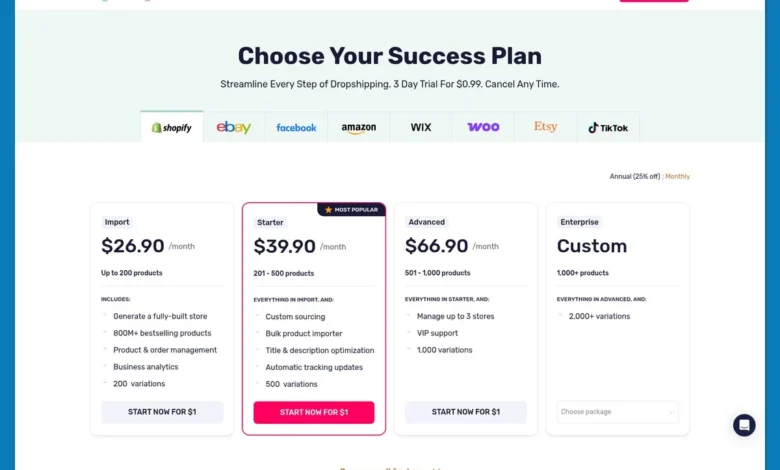
A standard professional setup requires a commitment to a Shopify subscription, typically starting at $29 to $39 per month. Furthermore, utilizing third-party dropshipping automation services like AutoDS adds recurring monthly fees, ranging from $19.90 to $39.90 depending on the volume of products managed and the need for advanced features like automated tracking updates. When factoring in additional expenses—such as domain renewals, marketing ad spend, product samples, and specialized apps—the total cost of ownership for a "free" AI-built store is substantial. Entrepreneurs must view these AI tools as cost-savers for initial setup time, rather than a reduction in long-term operational overhead.
Beyond the Launch: The Human Element
A persistent risk in the era of AI-generated content is the creation of "homogenized" storefronts. Because these tools often draw from a standardized pool of design patterns and copy templates, there is a high probability of new stores appearing visually and textually identical to competitors.
Industry experts emphasize that AI is an assistant, not a replacement for brand identity. To achieve long-term viability, merchants must perform extensive post-build modifications. This includes:
- Content Originality: Utilizing Shopify Magic to generate initial text, but manually auditing the copy to ensure it reflects a unique brand voice and contains accurate SEO keywords.
- Strategic Navigation: Reorganizing menu structures to prioritize the customer journey rather than following a default machine-generated hierarchy.
- Data-Driven Automation: Implementing custom workflows in Shopify Flow that reflect specific business logic—such as unique discount triggers or specific supplier communication protocols—rather than relying solely on generic templates.
The Rise of Agentic Storefronts
The most significant development in recent months is the shift toward "Agentic" commerce. As consumers increasingly rely on conversational AI to conduct shopping research, the visibility of a store is no longer determined solely by traditional SEO.
Shopify has moved to ensure that store data is "AI-readable." This requires merchants to standardize their catalog data, including metafields, categorical mapping, and comprehensive store policies. Stores that fail to provide this structured data will effectively be invisible to the next generation of AI-driven search engines. The "Agentic" section within the Shopify admin dashboard now serves as a critical diagnostic tool, allowing merchants to preview how their products appear in conversational queries across platforms like Meta, Google, and Microsoft.
Future Outlook and Strategic Recommendations
The decision to utilize an AI store builder should be predicated on the merchant’s current level of experience. For those with a clear brand vision and established product lines, skipping third-party generators in favor of direct, native Shopify tools allows for greater control over the initial design and avoids the need to clean up generic boilerplate content later.
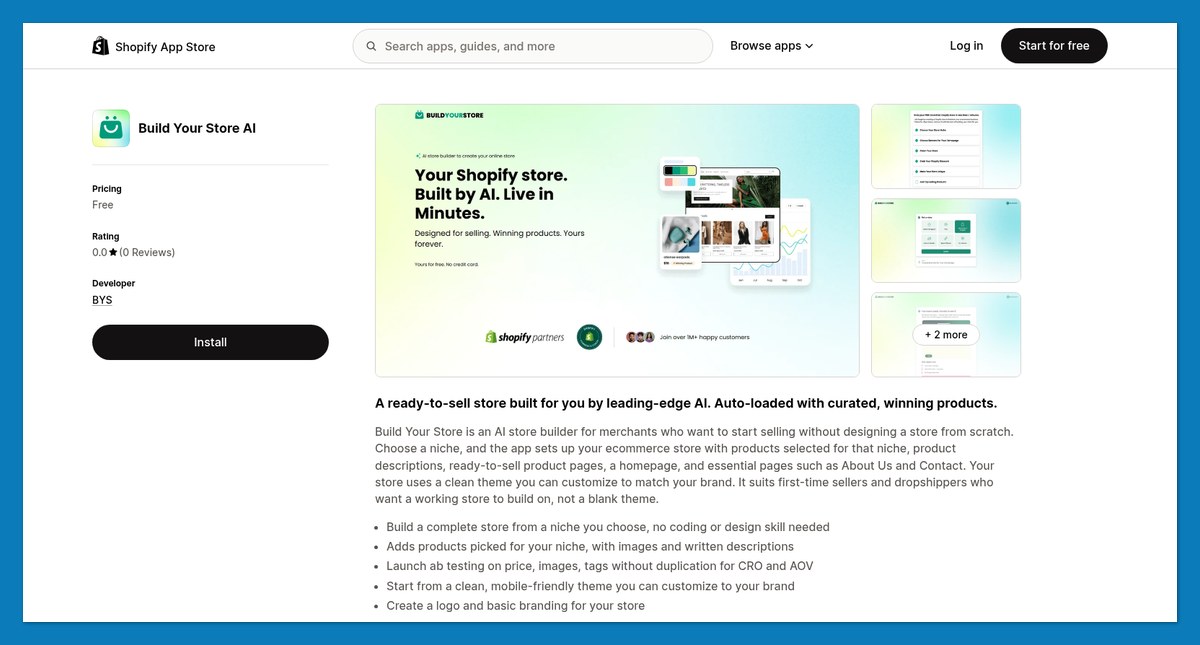
However, for the novice entrepreneur—the individual currently facing "blank page panic"—these tools offer a vital bridge. They provide the necessary momentum to move from an idea to a functional, transacting entity. The ultimate success of such a store will not be determined by the speed of its creation, but by the merchant’s ability to pivot from the AI-generated foundation toward a unique, customer-centric retail experience.
As these technologies continue to mature, the barrier to entry will only decrease. However, the requirement for strategic human oversight will remain paramount. The most successful retailers will be those who use AI to eliminate the drudgery of administrative setup, leaving themselves more time to focus on the high-value aspects of business: product curation, customer relationship management, and the development of a distinct brand narrative in an increasingly crowded digital marketplace. In conclusion, while AI provides the tools to build a store, the responsibility of building a brand remains firmly in the hands of the merchant.