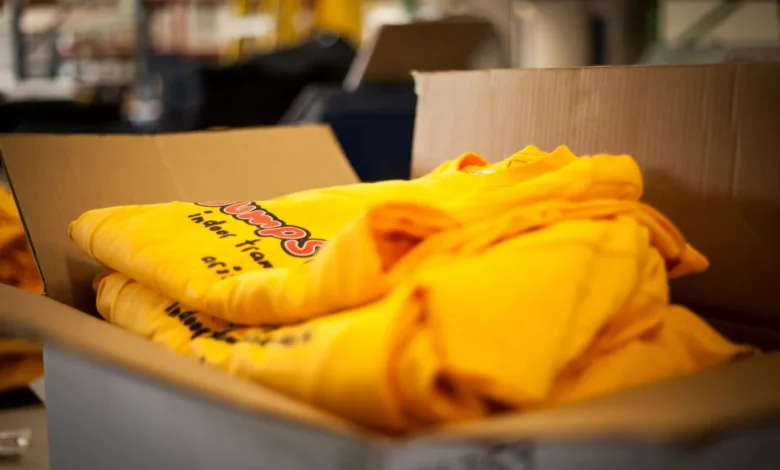
The rise of branded merchandise as a secondary revenue stream in the hospitality sector has become a point of contention between business owners and their clientele. While restaurants, bars, and music venues have increasingly looked to apparel and accessories as a means to diversify income, current pricing models often create a significant disconnect between brand perception and consumer value. This shift, which gained momentum following the post-pandemic recovery period, has forced industry analysts to re-examine the role of promotional goods in customer retention strategies.
The Evolution of Hospitality Retail
Historically, merchandise in the hospitality sector served as a modest souvenir or a functional tool for brand awareness. A branded baseball cap or a souvenir T-shirt from a local establishment functioned as a "walking billboard." However, the landscape shifted dramatically between 2021 and 2024. As businesses struggled with rising inflation, labor shortages, and supply chain disruptions, many owners turned to retail markups to offset thin profit margins in food and beverage service.
According to industry data from the National Restaurant Association, operational costs for independent establishments rose by approximately 15% to 20% over the last three years. In response, businesses began aggressive pricing strategies for non-core products. Where a standard screen-printed hoodie might cost a venue between $8 and $14 to source—including logo customization and bulk procurement—retail prices frequently balloon to between $50 and $80. This represents a markup of 400% to 900%, a margin typically reserved for high-end fashion retail rather than casual branded apparel.
Consumer Friction and the Fee Fatigue Phenomenon
This pricing strategy exists against the backdrop of "fee fatigue," a term coined by consumer behaviorists to describe the growing frustration among diners regarding a proliferation of surcharges. Modern restaurant receipts now routinely feature a complex array of line items, including health and wellness surcharges, credit card processing fees, automatic gratuities, and service fees.
Market research indicates that the addition of high-priced merchandise to this environment creates a psychological barrier. When a customer has already committed a significant percentage of their disposable income to a dining experience, the request for a high-premium retail purchase is often perceived as an overreach. Behavioral economists suggest that this can inadvertently damage the "halo effect" of a positive dining experience, turning a souvenir intended to evoke nostalgia into a symbol of perceived exploitation.
Operational Inefficiencies in Venue Retail
Beyond the pricing strategy, the logistical execution of hospitality retail remains a significant operational hurdle. Interviews with floor managers and service staff reveal a recurring lack of preparation for retail sales. In many instances, merchandise is stored in back-of-house areas, leading to delays in transactions and a lack of point-of-sale integration.
"There is often a disconnect between the marketing intent and the reality on the floor," notes retail analyst David Chen. "When staff members are untrained in retail sales or when inventory is disorganized, the customer experience suffers. A customer who has to wait for a manager to find a specific size is less likely to complete the purchase, regardless of the price point. The lack of standardized retail protocols suggests that for many of these venues, merchandise is an afterthought rather than a core business pillar."
Strategic Alternatives: Moving Beyond High Margins
Industry experts suggest that the most successful establishments are pivoting away from the "high-margin-per-unit" model in favor of a "brand-utility" model. By viewing merchandise as a marketing expense rather than a primary profit center, businesses can foster deeper customer loyalty.
Charitable Integration
Several mid-sized hospitality groups have begun donating a portion or all of the profits from merchandise sales to local non-profit organizations. This strategy transforms a transaction into a community-building exercise. By positioning the purchase as a philanthropic contribution, the business mitigates consumer price sensitivity. Data suggests that consumers are significantly more willing to pay premium prices if they are aware that a percentage of the proceeds benefits a social cause.
Gamification and Giveaways
The use of merchandise as a reward mechanism is also gaining traction. By integrating branded goods into loyalty programs or event-based promotions—such as trivia nights or social media contests—businesses can increase the perceived value of the item. This approach shifts the narrative from "selling a product" to "awarding an experience."
The Low-Margin/High-Volume Model
A third alternative involves pricing merchandise just above cost, effectively treating the apparel as a subsidized marketing tool. If a customer walks away with a branded item for $15, the business has successfully placed a long-term advertisement in the customer’s closet for a nominal cost. This strategy relies on high-volume distribution, which can be achieved through digital storefronts or streamlined point-of-sale displays.
Future Implications for the Sector
The long-term viability of branded merchandise in the hospitality industry depends on a shift in focus from immediate profit extraction to long-term brand equity. As digital and social media influence continues to dictate consumer preferences, the physical presence of a brand in a customer’s daily life is more valuable than the $30 margin gained on a single T-shirt.
For business owners, the lesson is clear: the value of merchandise is not in the transaction itself, but in the sustained relationship between the brand and the consumer. Establishments that continue to treat merchandise as a way to "nickel-and-dime" customers risk alienating the very clientele they rely on for repeat business. Conversely, those that leverage merchandise to enhance the customer experience and foster community connection are better positioned to weather the volatility of the modern food and beverage market.
As of the current fiscal quarter, the trend remains in flux. While some venues are doubling down on high prices to compensate for rising costs, others are experimenting with tiered pricing and reward structures. The ultimate success of these ventures will likely be determined by consumer response in an increasingly crowded and competitive marketplace, where the quality of the brand narrative often carries as much weight as the quality of the product itself.