The State of the American Energy Drink Market and Expert Rankings of Leading Brands

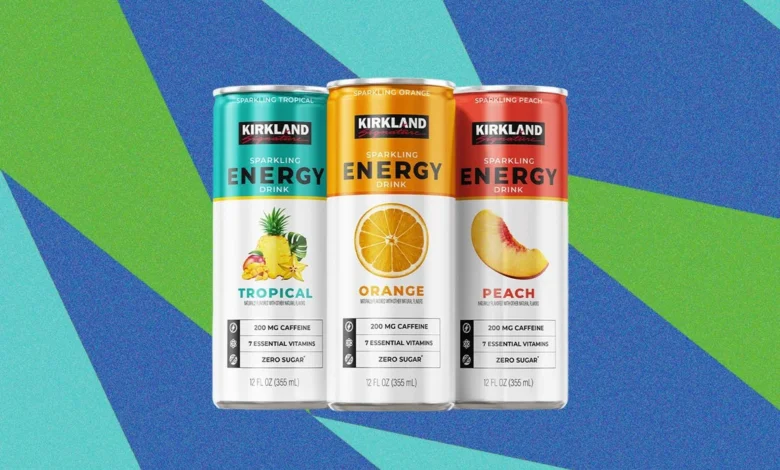
The American energy drink market has evolved from a niche category dominated by high-sugar, caffeine-heavy sodas into a multi-billion-dollar industry segment defined by functional ingredients, sophisticated marketing, and diverse consumer demographics. According to 2023 market analysis, the industry generated nearly $20 billion in revenue within the United States alone. This explosive growth reflects a shift in consumer habits, where convenience, rapid energy delivery, and specialized health claims—ranging from cognitive enhancement to athletic recovery—drive purchasing decisions. As the retail landscape shifts from traditional gas station aisles to direct-to-consumer subscription models on platforms like Amazon, the variety and accessibility of these beverages have reached an all-time high.
.jpg)
The trajectory of the energy drink sector over the past two decades illustrates a significant cultural pivot. Early market leaders, such as Red Bull and Monster, established the "extreme" brand identity, often associating their products with high-octane sports, gaming subcultures, and late-night productivity. However, the current market is characterized by a "premiumization" of energy, with newer entrants like Celsius, C4, and Liquid Death focusing on transparency, specific ingredient profiles—such as L-theanine, electrolytes, and natural sweeteners—and cleaner, more minimalist packaging. This shift seeks to capture the "wellness-conscious" consumer who desires the functional benefits of caffeine without the perceived health risks associated with high fructose corn syrup and artificial additives.
.jpg)
A systematic analysis of thirty leading energy drink brands reveals a clear dichotomy in product formulation. On one side are the "functional" drinks, which prioritize fitness-oriented performance metrics and metabolic support. On the other are the "lifestyle" brands, which leverage pop culture partnerships, influencer marketing, and aesthetic branding to appeal to younger generations, including Gen Z. This market segmentation has allowed companies to carve out specific niches, from the gym-goer seeking pre-workout stimulation to the office worker looking for a non-jittery afternoon focus aid.
.jpg)
Evaluation of Top-Performing Brands

In assessing the landscape of available products, several brands have distinguished themselves through consistent performance, flavor profile, and ingredient quality.
.jpg)
Celsius remains a dominant force in the functional category. Its growth is attributed to its balanced carbonation and a caffeine-to-volume ratio that provides a sustained boost without the medicinal aftertaste common in competitors. Market data suggests that the brand’s positioning as a "fitness-essential" beverage has successfully bridged the gap between serious athletes and casual consumers. The brand’s portfolio is now a staple in most major retail chains, reflecting a broad consensus on its efficacy and appeal.
.jpg)
C4, originally known for its pre-workout supplements, has effectively translated its sports-nutrition pedigree into the ready-to-drink space. By utilizing compounds like CarnoSyn beta-alanine, the brand appeals to consumers seeking tangible physical performance enhancements. While some of its branding leans into intense aesthetics, the flavor profiles—such as Midnight Cherry—have proven sophisticated enough to satisfy mainstream palates.

Red Bull continues to hold the position of the "gold standard" in the industry. Despite the emergence of numerous challengers, its original formulation remains the benchmark for consistent caffeine delivery and carbonation. Its enduring popularity serves as a reminder of the power of established brand loyalty in a saturated market.

Emerging trends also highlight the rise of "natural" alternatives. Naked’s sparkling energy line, for instance, has gained traction by focusing on simplicity, utilizing fermented sugar and monkfruit. This reflects a broader trend toward label transparency, where consumers are increasingly wary of long lists of unpronounceable chemical additives. Similarly, Bloom Nutrition has successfully targeted the "wellness" demographic, positioning itself as a low-calorie, vitamin-enriched option that fits seamlessly into a modern, health-conscious lifestyle.

The Role of "Lifestyle" and "Niche" Branding

Not all energy drinks compete solely on the basis of performance. Liquid Death has disrupted the category by applying a contrarian marketing strategy. By positioning its energy line as "unextreme" and focusing on moderate caffeine levels, the company has successfully appealed to consumers who are fatigued by the aggressive, hyper-caffeinated branding of the early 2000s. This approach, which emphasizes sustainability and minimalist irony, has allowed the brand to capture market share among consumers who prioritize brand identity as much as, or more than, the functional effects of the drink.
.jpg)
Conversely, brands like Jocko Go and Black Rifle Energy utilize cultural associations to build their consumer base. Jocko Go, marketed by former Navy SEAL Jocko Willink, leverages the "manosphere" and leadership-focused branding to appeal to consumers who value discipline and performance. Similarly, Black Rifle Coffee Company’s entry into the energy space reinforces its brand identity as a supporter of veteran initiatives and traditional American values. While these brands are polarizing, their specific target demographics demonstrate the effectiveness of aligning product identity with clear socio-cultural values.

Data and Implications for the Future

The shift toward e-commerce and subscription services has fundamentally altered how energy drinks are distributed. The ability for consumers to purchase in bulk, set up recurring deliveries, and access deals online has effectively commoditized the energy drink experience. This convenience factor is a primary driver of the industry’s continued expansion. Furthermore, the diversification of the product mix—from sugar-free options to mushroom-infused blends—indicates that the industry is responding to a more educated consumer base that is increasingly sensitive to the long-term effects of caffeine and artificial sweeteners.

However, the rapid proliferation of these products also brings regulatory and health implications. As the caffeine content of beverages becomes more standardized, health experts continue to monitor the impact of high-intensity stimulant consumption, particularly among younger demographics. The "crash" often associated with high-sugar formulations remains a point of contention, leading many manufacturers to experiment with adaptogens and L-theanine to smooth out the energy curve.

The Future of the Category

Looking ahead, the energy drink market is poised for continued fragmentation. As consumers move away from a "one-size-fits-all" approach, companies will likely focus on hyper-specialized products. We can expect to see more integration of nootropics, natural plant-based energy sources, and eco-friendly packaging solutions. The success of a brand will increasingly depend on its ability to offer a compelling narrative, a clean ingredient profile, and a consistent, high-quality sensory experience.

In conclusion, the modern energy drink industry is a complex ecosystem where marketing, physiology, and convenience intersect. From the established giants like Red Bull to the disruptive new arrivals like Melting Forest and Liquid Death, the market is characterized by intense competition and rapid innovation. For the consumer, this translates into an unprecedented variety of choices, though it also necessitates a more critical eye toward ingredients and the long-term effects of regular stimulant consumption. As the industry continues to mature, the focus will likely shift from simply providing "energy" to providing "optimized vitality," reflecting a broader cultural movement toward health, performance, and conscious consumption.