From Friendship to Franchising: How Two Entrepreneurs Built a Creative Community Hub in Edina

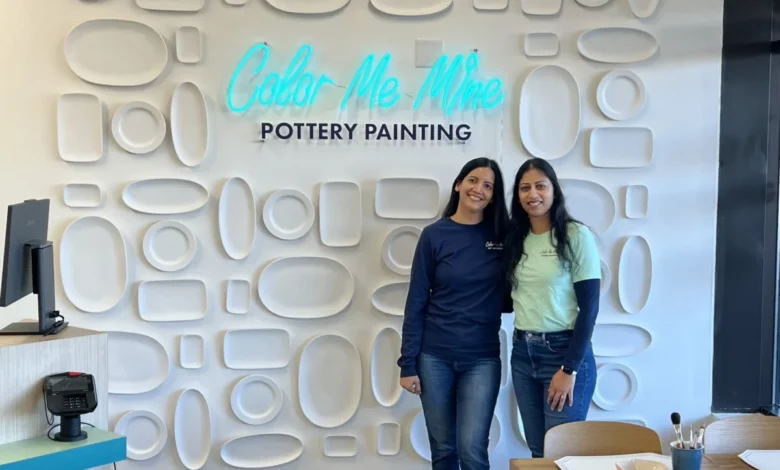
The success of a small business is often measured in revenue, foot traffic, and customer retention, but for Antima Jain and Pooja Choudhary, the true metric of their Edina, Minnesota, Color Me Mine franchise lies in the memories they facilitate. A few months ago, a customer entered their studio with a high-stakes request: he needed to propose to his girlfriend, and he wanted the moment to center around a custom-painted jewelry tray. While the studio’s standard turnaround time for glazing and firing pottery is seven days, Jain and Choudhary expedited the process to ensure the piece was ready for the big moment. When the couple later returned to the studio with a save-the-date card featuring the shop, it served as a poignant validation of the duo’s business model: providing a physical space for human connection.
This endeavor is the culmination of a decade-long friendship that transformed into a professional partnership. Jain and Choudhary met 11 years ago at a social gathering in Minnesota. Both had relocated to the United States from India, and as they navigated the complexities of raising families in a new country, they found common ground in their shared interests and entrepreneurial spirit. By 2023, with their children growing more independent, the two friends began exploring the feasibility of launching a joint venture. After researching various models, they visited a local Color Me Mine location and were immediately drawn to the brand’s organized, tranquil, and creative environment.
The Strategic Path to Franchising
For many first-time entrepreneurs, the decision to purchase a franchise rather than launch an independent studio is a calculated risk-management strategy. Jain and Choudhary were no exception. Lacking prior experience in the pottery-painting industry, they sought the support structure that a national brand provides. The franchising model offered them a "plug-and-play" system, including established branding, operational protocols, and a centralized point-of-sale system, while still allowing them enough autonomy to curate the atmosphere of their specific location.
In March 2025, after pooling approximately $300,000 of their personal capital, the duo officially opened their doors in Edina. The selection of the site was a deliberate process involving real estate consultants and the franchisor’s support team, who emphasized the importance of high visibility and proximity to retail and community hubs. By investing their own funds rather than securing traditional business loans, Jain and Choudhary maintained full ownership, a decision that underscores their long-term commitment to the venture.
Professional Backgrounds and Immigrant Resilience
The professional success of Jain and Choudhary is rooted in their diverse backgrounds. Antima Jain, who first arrived in the United States in 2003, brought with her a degree in commerce from India and extensive experience as a preschool teacher, as well as a tenure at the educational franchise Kumon. Her transition into business ownership occurred as her children reached college age, providing her with the bandwidth required to manage a retail operation.
Pooja Choudhary’s journey followed a similar trajectory of adaptability. After moving to the U.S. to join her husband, she earned a master’s degree in electrical engineering. Beyond her role at Color Me Mine, Choudhary manages an investment property business, a secondary revenue stream that has provided her with a pragmatic understanding of asset management. This blend of pedagogical experience, engineering logic, and real estate investment has proven to be a robust foundation for navigating the day-to-day operations of a franchise.
Operational Realities and Challenges
While the creative nature of the business is its primary draw, the reality of ownership involves significant logistical hurdles. One of the most persistent challenges for the pair has been staffing. Because their workforce is primarily composed of high school and college students, the studio faces a high rate of turnover as employees graduate and move on to new chapters. This creates a continuous cycle of recruitment and training, which requires a significant investment of time and management oversight.
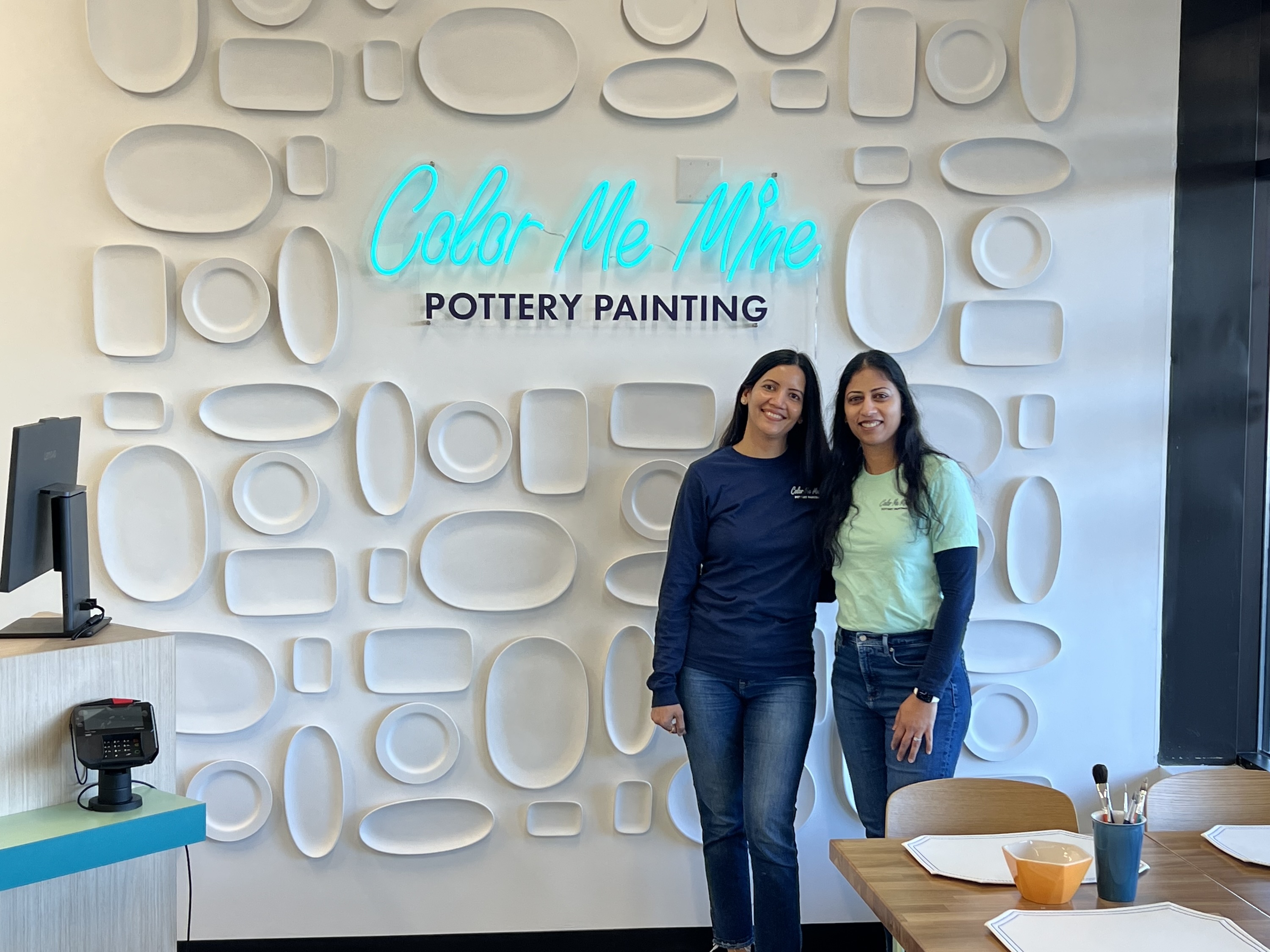
Furthermore, the duo performs a variety of roles to maintain profitability. Without a full-time store manager, Jain and Choudhary split duties, alternating days at the studio while simultaneously managing payroll, social media marketing, inventory, and customer relations. They also must navigate the technical failures inherent in kiln-fired ceramics. When a piece does not survive the firing process, the partners take direct responsibility, opting to absorb the cost by offering a replacement session to the customer. This commitment to service recovery is a cornerstone of their customer loyalty strategy, helping to mitigate the frustration that can arise from a ruined piece of art.
Scaling and Growth Strategies
The growth of the Edina studio is driven by a multi-pronged approach to local engagement. By joining the local chamber of commerce and participating in community events like regional art festivals, the pair has successfully embedded their business into the fabric of the neighborhood. Their marketing strategy is data-driven, utilizing both the franchisor’s recommended advertising platforms and local, recurring promotions that incentivize return visits.
The partnership is governed by a strict, pre-established pact: the friendship takes precedence over the business. Recognizing that disagreements are inevitable, they have committed to radical transparency and open dialogue. This mutual respect has allowed them to scale their operations effectively, with the pair already setting their sights on expansion. Their long-term goal is to own multiple studios, with a specific focus on reaching the top five in the national Color Me Mine sales rankings—a milestone they are steadily approaching, having already placed as high as sixth in a single month.
Economic Implications of Small Business Franchising
The story of Jain and Choudhary is representative of a broader trend in the U.S. economy, where franchise ownership serves as a gateway to entrepreneurship for many immigrants. According to data from the International Franchise Association, minority-owned franchises contribute significantly to local tax bases and job creation. For the Edina community, the Color Me Mine studio is more than just a retail space; it is an "experience economy" hub that competes with digital entertainment by offering tangible, collaborative social interactions.
The $300,000 investment made by the partners highlights the financial barrier to entry for modern retail franchises. By utilizing personal capital, the founders have insulated themselves from interest-rate volatility, allowing them to reinvest profits directly back into the business. Their success suggests that for service-oriented businesses, the "third place"—a social environment separate from home and work—remains a highly viable commercial model, provided it is managed with the level of personal attention that Jain and Choudhary bring to their studio.
Future Outlook
As they look toward the future, the founders remain aligned in their vision. The synergy of their partnership—Jain’s focus on community engagement and Choudhary’s analytical approach to operations—has created a sustainable model that balances the rigors of retail with the creative fulfillment of an art studio. Whether they are assisting a customer with a wedding proposal or helping a local school with a fundraising project, their impact on the Edina community is measurable and growing.
Ultimately, the trajectory of this studio serves as a case study for prospective business owners. It demonstrates that while the support of a franchise system provides the necessary infrastructure for success, the longevity of a business is ultimately determined by the strength of the leadership and their ability to cultivate meaningful relationships within their local market. With a shared ambition for growth and a firm grasp on the operational nuances of their industry, Antima Jain and Pooja Choudhary are well-positioned to continue their expansion, proving that a blend of professional rigor and personal connection is the ultimate formula for sustainable growth.
Related posts: