The transformation of global media consumption patterns over the past decade represents one of the most significant shifts in the history of the entertainment industry. The rapid proliferation of Over-the-Top (OTT) streaming platforms has fundamentally dismantled the traditional broadcast and cable television model, forcing legacy media conglomerates to pivot their business strategies toward digital-first infrastructures. As "cord-cutting"—the act of canceling multi-channel subscription television services in favor of internet-based content—becomes the industry standard, the economic and operational landscape of media production and distribution is undergoing a period of intense volatility and reconfiguration.
A Chronology of the Streaming Revolution
The transition from linear to on-demand media did not occur overnight. Its roots can be traced to the late 2000s, but the inflection point arrived in the early 2010s. In 2013, Netflix released House of Cards, marking the first time a streaming service produced high-budget original content that rivaled the quality of prestige cable television. This signaled the end of the streaming services’ role as merely a digital library for syndicated content and established them as primary content creators.
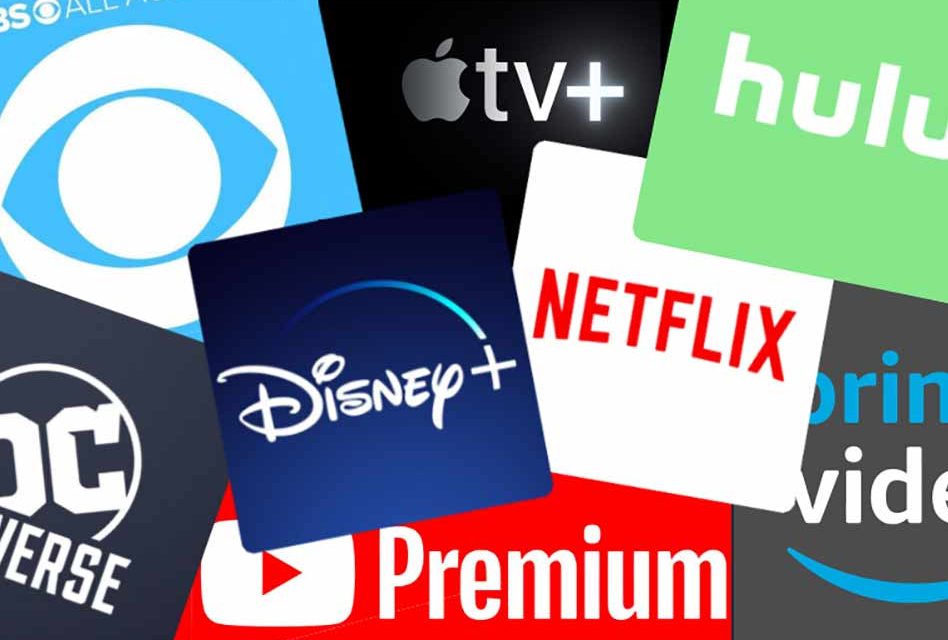
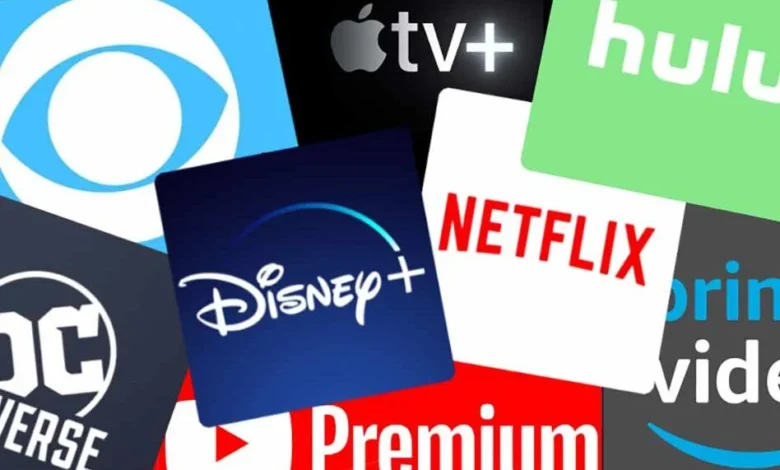
By 2017, the market had reached a saturation point for single-platform dominance, prompting traditional media giants—including Disney, WarnerMedia, and NBCUniversal—to launch their own proprietary streaming applications. This phase, often termed the "Streaming Wars," saw a massive reallocation of capital toward content production. Between 2019 and 2022, major studios pulled their intellectual property from third-party platforms to fuel their own services, effectively ending the era of universal access to licensed content on a single platform.
Statistical Shifts in Viewer Behavior
The data surrounding the decline of traditional television is stark. According to reports from Nielsen’s The Gauge, streaming surpassed cable television in total monthly viewing time in the United States for the first time in July 2022. By 2023, streaming accounted for nearly 38% of total television usage, while cable viewership fell below 30% for the first time in history.
The economic impact on cable providers has been equally severe. Industry analysts from MoffettNathanson have noted that the rate of cord-cutting has accelerated, with the largest U.S. cable providers losing millions of subscribers annually. This exodus is driven by a combination of rising cable subscription costs and the convenience of a la carte streaming services. However, the cost efficiency of the streaming model is now being questioned as individual service prices rise and the proliferation of subscriptions creates a "subscription fatigue" among consumers, leading to a new wave of churn—the rate at which users cancel their services.

The Financial Pressures of the Modern Landscape
The financial model of streaming has proven to be significantly more complex than the legacy broadcast model. While linear television relied on a stable, predictable stream of revenue from carriage fees and high-margin advertising, streaming services face high customer acquisition costs and the necessity of massive, sustained investment in original programming to prevent subscriber loss.
In 2023, several major media conglomerates reported substantial losses within their streaming divisions. This led to a strategic shift across the industry, characterized by widespread content removal—deleting completed projects for tax write-offs—and the reintroduction of advertising tiers. The "ad-supported" model, which was once the hallmark of traditional cable, is now the primary growth engine for platforms like Disney+, Netflix, and Amazon Prime Video. This evolution suggests that the industry is effectively recreating the cable bundle, albeit through a digital, on-demand interface.
Official Responses and Strategic Pivots
Industry leaders have been vocal about the necessity of this transition. In recent earnings calls, executives from companies like Paramount Global and Warner Bros. Discovery have emphasized that the "scale" required to survive in the streaming market necessitates consolidation. The result has been a wave of mergers and acquisitions, such as the 2022 merger of Discovery and WarnerMedia, intended to combine libraries and reduce overhead costs.

Furthermore, content producers have faced significant challenges, as evidenced by the 2023 labor disputes involving the Writers Guild of America (WGA) and the Screen Actors Guild (SAG-AFTRA). The core of these negotiations centered on how streaming services compensate creators, specifically regarding residuals and data transparency. The resolution of these strikes established new precedents for how talent is remunerated in the digital age, adding another layer of operational cost for streaming platforms.
Broader Implications for the Media Ecosystem
The implications of this shift extend beyond the balance sheets of media corporations. The decline of linear television has had a profound impact on local news, live sports, and cultural cohesion. Traditional cable relied on the "bundle," where the revenue from sports and high-rated programming subsidized less popular, public-interest content. As consumers opt out of the bundle, local news stations and niche networks struggle to maintain funding.
Live sports, once the "last bastion" of linear television, have also begun their migration to streaming. This transition presents technical challenges, specifically regarding latency—the delay between the action occurring and the viewer seeing it on screen. In a live-sports context, even a few seconds of delay can be disruptive to the viewer experience, particularly in the era of real-time social media and sports betting. Infrastructure providers are currently racing to develop low-latency streaming solutions that can handle the massive concurrency demands of major events like the Super Bowl or the Olympics.

Future Outlook: The Consolidation Era
As the streaming market matures, the next decade is likely to be defined by consolidation rather than the rapid expansion seen in the previous ten years. The market is moving toward a model where a few "super-aggregators"—platforms that host content from multiple providers—will likely dominate. This is already occurring through partnerships and integrated billing services, where platforms allow users to subscribe to third-party apps through their primary interface.
The consumer experience is also shifting toward algorithmic personalization. Artificial intelligence is now being deployed not just for content recommendations, but for the creation of content itself, including script analysis and marketing optimization. While this offers efficiencies, it also raises questions regarding the homogenization of content and the long-term viability of creative human input in an industry increasingly governed by data-driven predictive models.
Ultimately, the transition from linear to streaming has provided consumers with unprecedented control over their media diets, but it has simultaneously introduced new systemic risks. The industry is currently in a state of recalibration, moving away from the "growth at all costs" mentality toward a focus on long-term profitability. Whether this will lead to a more sustainable media ecosystem or a return to the high-cost, fragmented environment of the pre-streaming era remains the central question facing media stakeholders today. The current period of "second thoughts" on the streaming landscape is essentially a recognition that the digital revolution has brought about a fundamental change in the economics of human attention, and the industry is still learning how to navigate the consequences of that shift.
Related posts: