The Comprehensive Guide to Link-in-Bio Tools: Maximizing Social Media Traffic and Conversions in 2026

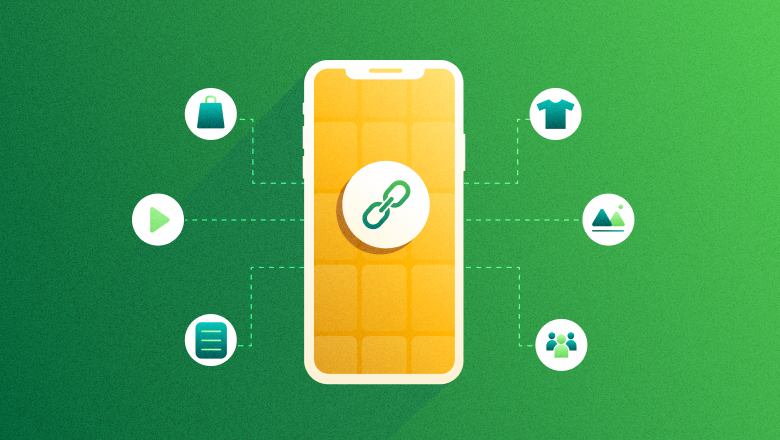
Social media marketers and digital creators have long grappled with one of the internet’s most persistent structural limitations: the restriction of a single clickable hyperlink within platform bios, particularly on Instagram and TikTok. Character count caps and strict outbound linking prohibitions on individual post captions mean that brands frequently lose valuable web traffic simply because navigating to a specific product, article, or landing page requires an obstructive multi-step process for the user. To combat this bottleneck, the digital marketing ecosystem has embraced "link-in-bio" tools. These specialized platforms function as dynamic, centralized landing pages that house multiple destination URLs behind a single, unchanging bio link, effectively transforming a static profile into a robust traffic funnel.
The Evolution and Mechanics of Link-in-Bio Solutions
The genesis of the link-in-bio category dates back to the mid-2010s, when Instagram’s explosive growth made it a primary channel for brand discovery, yet stubborn technical limitations prevented direct links in post descriptions. Early solutions were rudimentary, offering simple, text-based menus of links. Over the past decade, however, these tools have evolved from basic navigation aids into sophisticated creator-commerce suites, mobile website builders, and data-driven marketing engines.
The operational mechanism is fundamentally straightforward: a user visits a social media profile, clicks the centralized URL, and is directed to a mobile-optimized landing page. Here, they are presented with a curated list of destinations, ranging from recent blog posts and video content to direct checkout portals and newsletter sign-up sheets. For digital marketers, this infrastructure bridges the critical gap between social engagement and tangible conversion metrics, preserving traffic that would otherwise vanish at the platform boundary.
Categorizing the Market: Top Link-in-Bio Platforms Reviewed
As the demand for cross-channel synchronization and advanced tracking has matured, several distinct platforms have emerged to serve different segments of the digital economy, ranging from enterprise social media teams to independent solo creators.
1. Sprout Social (SproutLink)
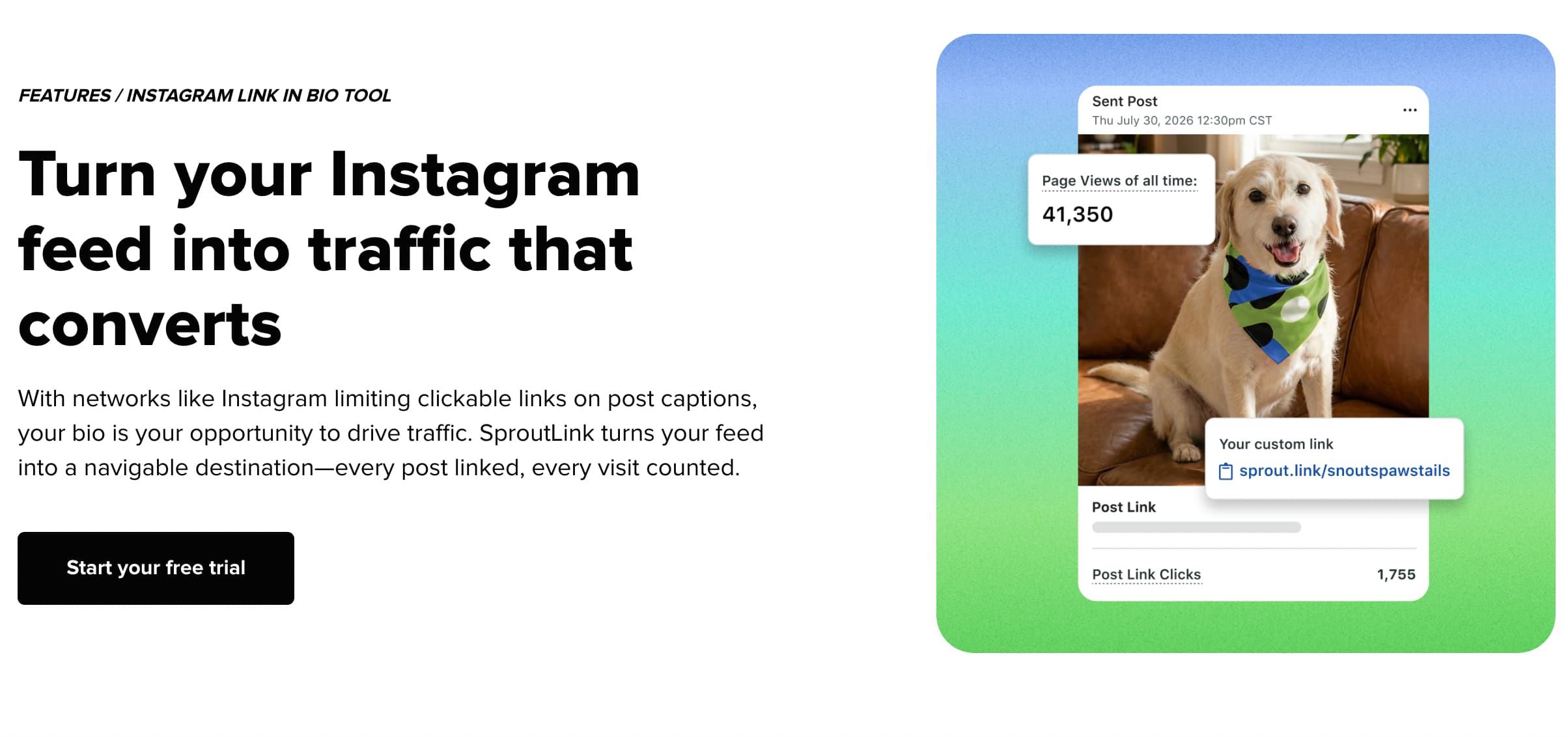
Designed specifically for mid-market and enterprise social teams, Sprout Social integrates its proprietary "SproutLink" tool directly into a broader publishing and analytics workflow. Rather than requiring users to manage links via a standalone third-party app, SproutLink allows social managers to attach destination URLs directly as they schedule and publish new posts. The system automatically populates a custom, shoppable grid on the landing page that mirrors the brand’s Instagram feed. Industry analyses indicate that utilizing integrated workflow tools of this nature can yield up to a 17% average daily lift in profile engagement, largely due to the seamless user experience and custom-branded URLs that foster consumer trust.
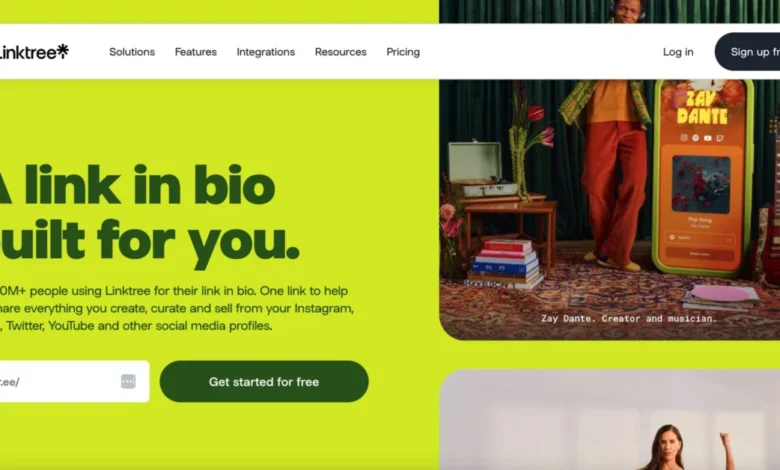
2. Linktree
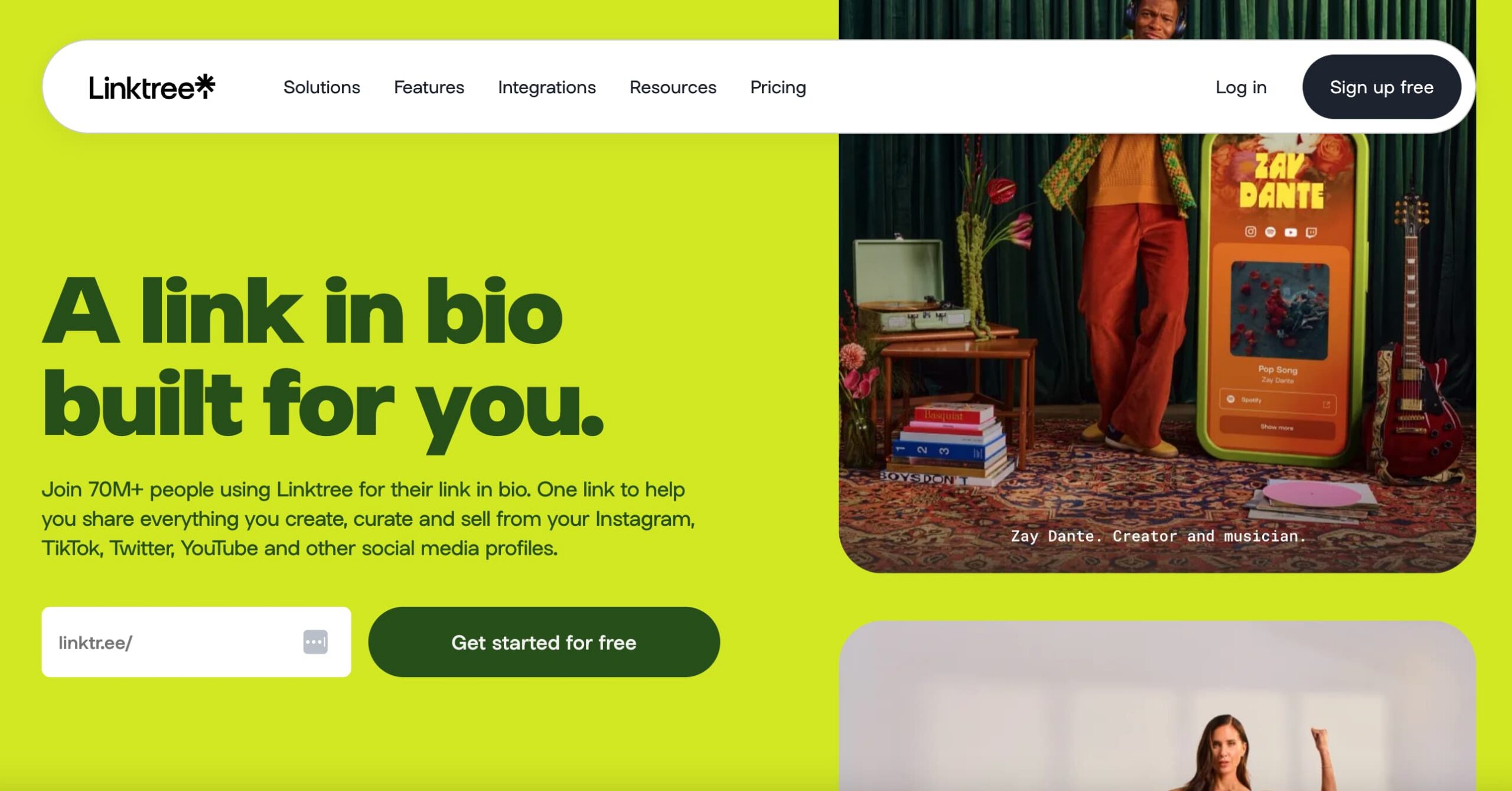
Widely recognized as the pioneer of the category, Linktree serves solopreneurs and individual creators who require a fast, no-frills setup. The platform connects content across disparate social networks and incorporates offline-to-online capabilities such as QR code generation. While the free tier provides unlimited basic links and minimal analytics, paid upgrades unlock deeper data tracking and comprehensive aesthetic customization, making it a reliable staple for general-purpose link aggregation.
3. Beacons
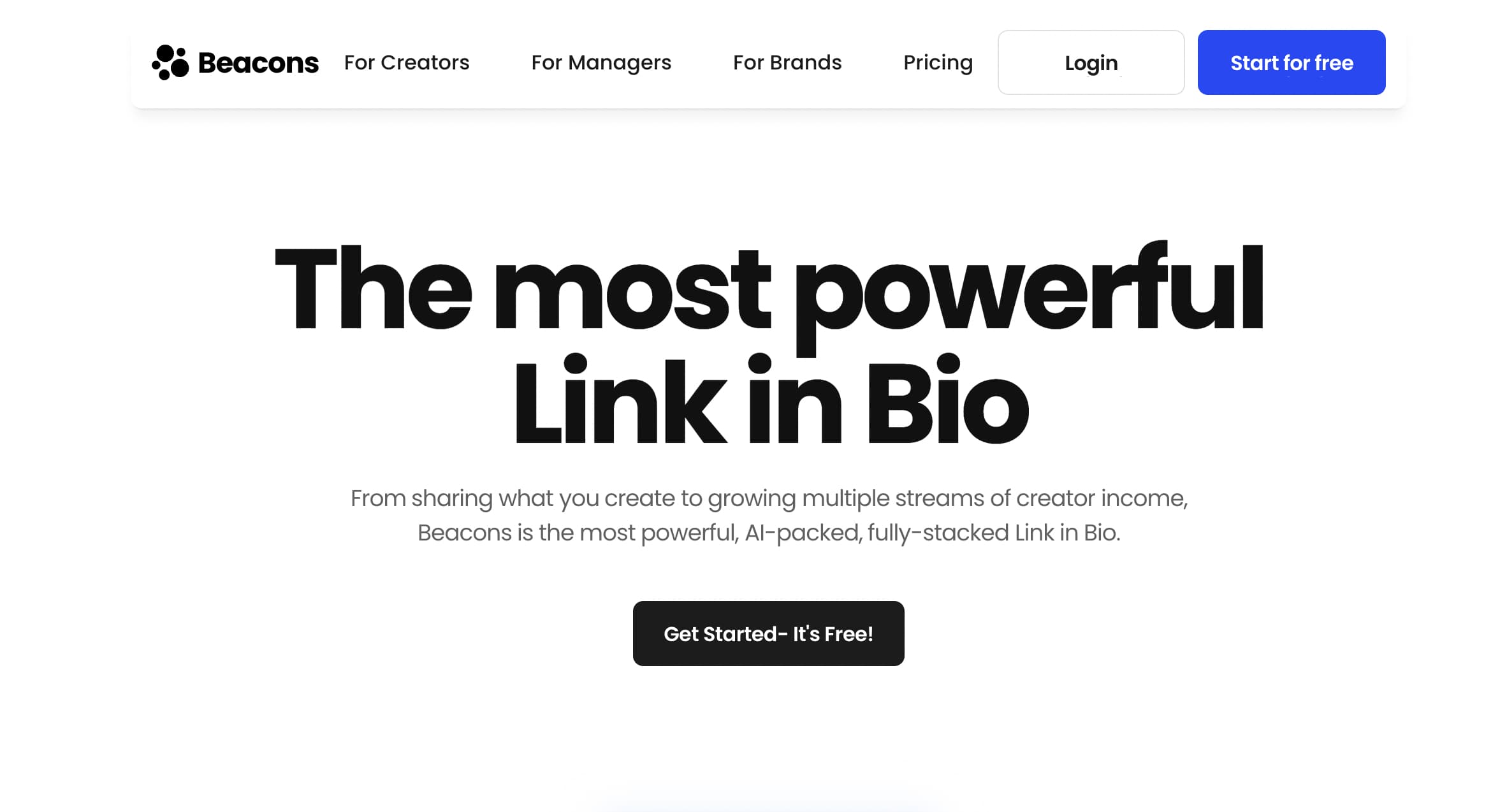
Functioning more as a creator-commerce suite than a simple link repository, Beacons positions itself as an all-in-one business hub for digital entrepreneurs. Beyond URL management, the platform enables creators to integrate images, music tracks, digital products, and lead-generation forms into a unified interface. While advanced marketing features and custom domain integrations require a subscription, the platform’s focus on monetization addresses the shifting needs of modern influencers.
4. Milkshake
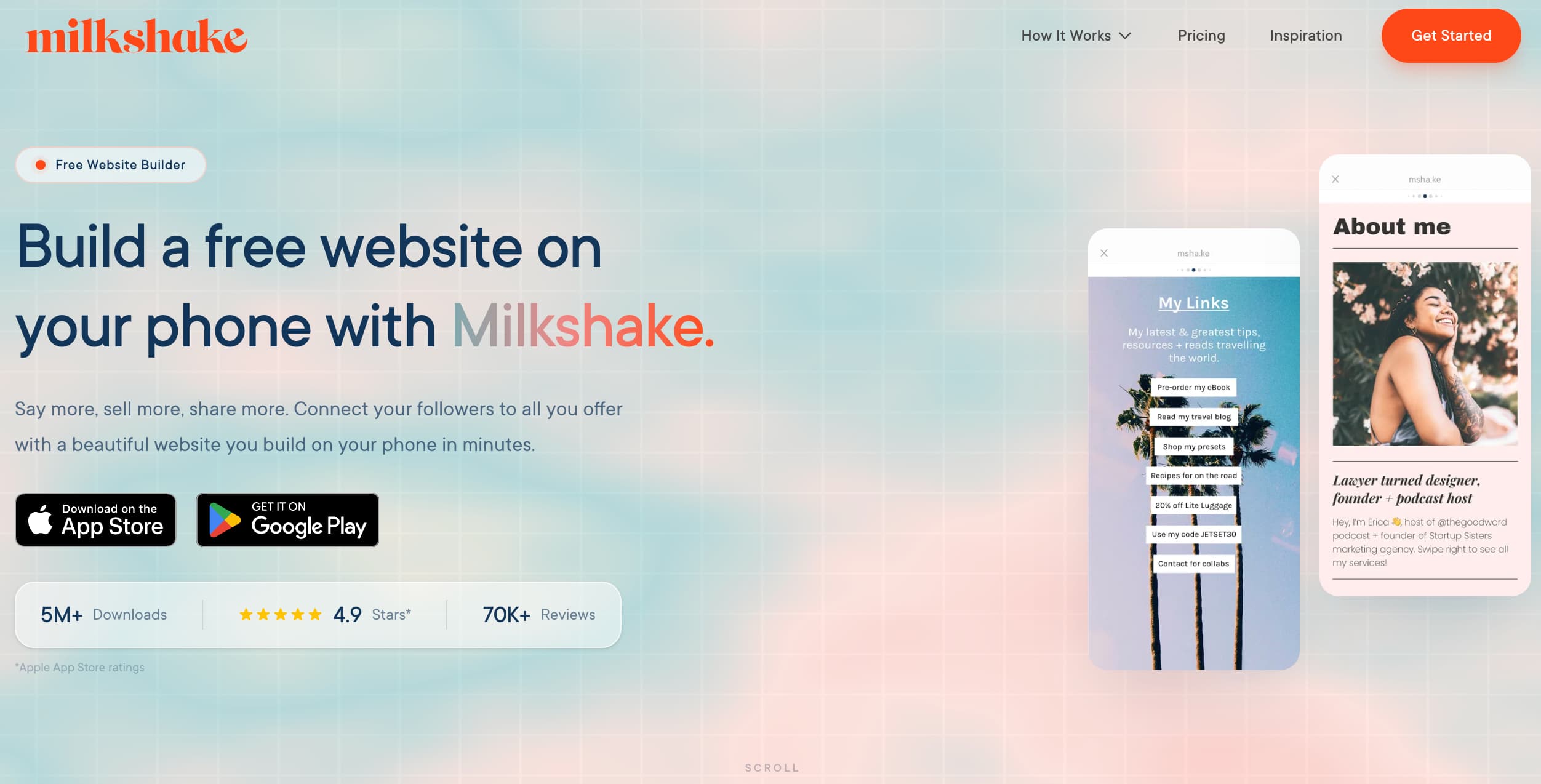
Targeting absolute beginners with a mobile-first philosophy, Milkshake adopts the framework of a micro-website builder rather than a traditional link list. Users construct their pages by assembling modular "Cards" that serve distinct functions, such as an "About" section or a "Links" card. The template-driven, app-like design creates a polished, immersive experience for mobile viewers without requiring any coding knowledge.
5. Shorby
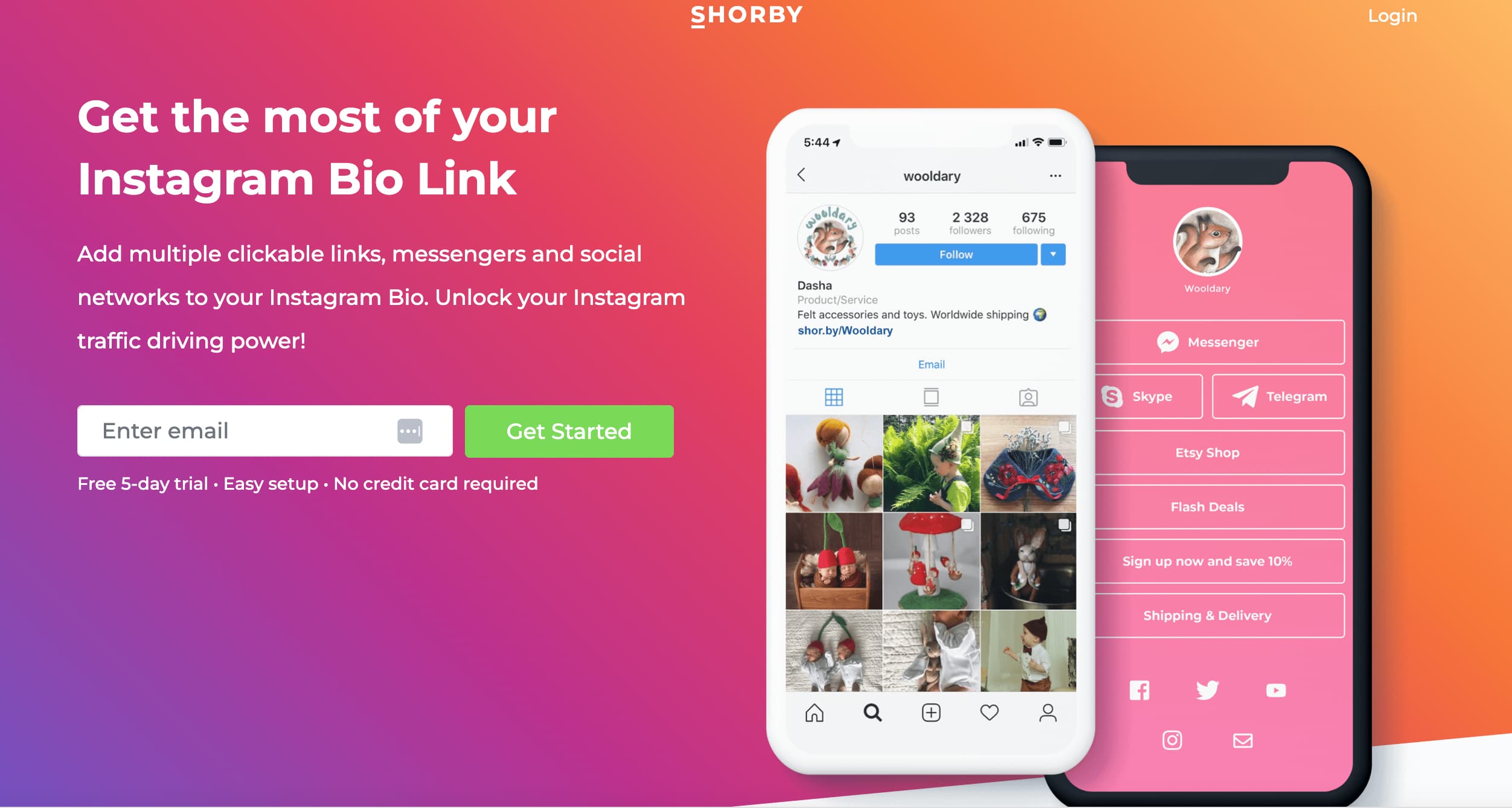
For marketing teams operating under strict attribution requirements, Shorby prioritizes real-time click tracking and campaign control. The platform automatically logs granular user data and seamlessly integrates with tracking pixels. This technical capability allows brands to retarget custom audiences with tailored advertising campaigns based on specific link interactions, making it particularly valuable for paid media strategists.
6. Carrd
Offering significantly more design flexibility than standard template-based link hubs, Carrd operates as a responsive one-page site builder. It allows brands to construct custom landing pages from scratch or via extensive template libraries. Paid tiers unlock sophisticated integrations, enabling users to embed custom widgets and payment processors like Stripe and Typeform directly into their social traffic funnels.
7. Stan Store
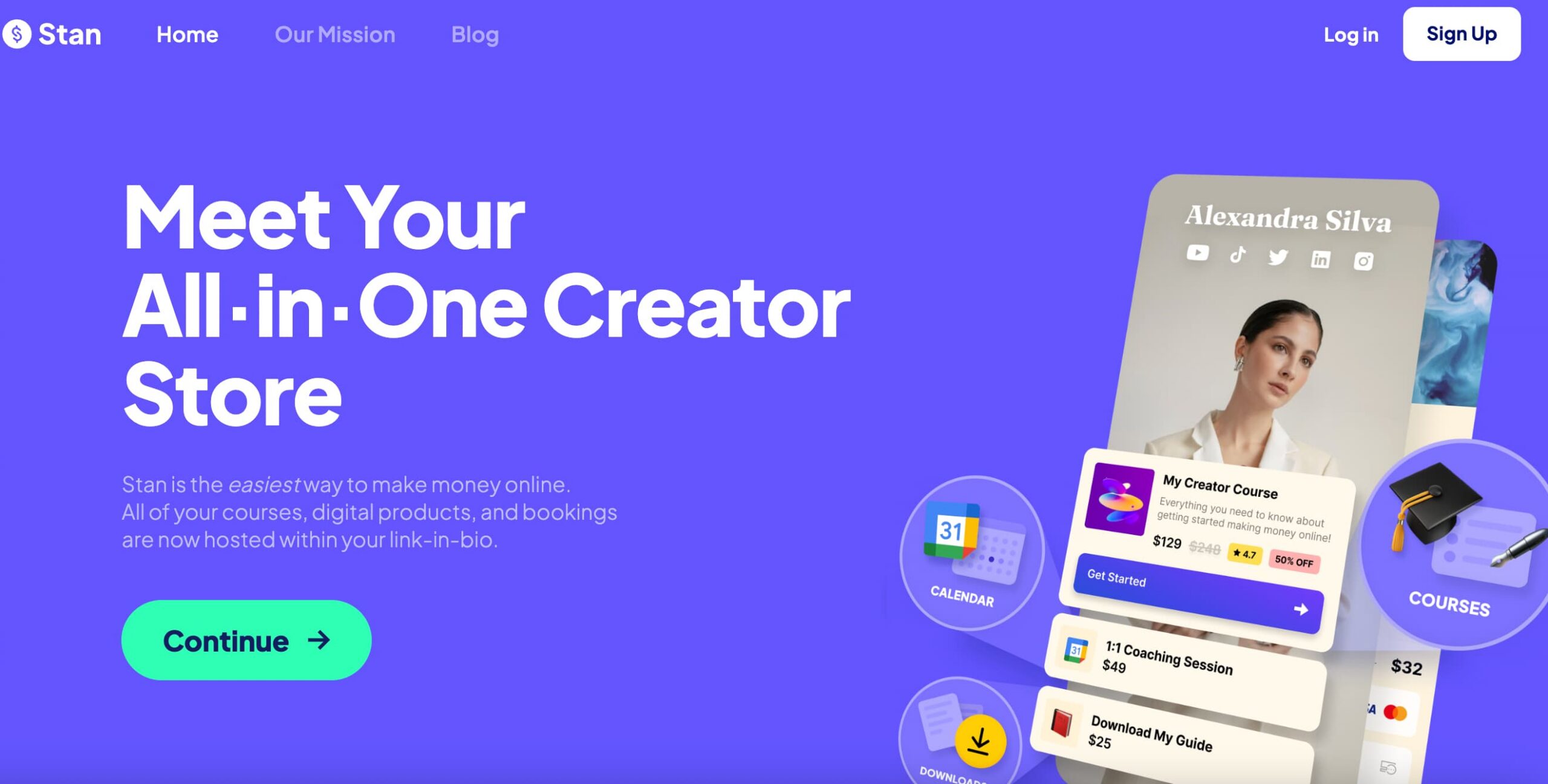
Tailored specifically for coaches, educators, and creators selling digital assets, Stan Store eliminates the traditional "one link, multiple destinations" model in favor of a direct storefront. The platform hosts courses, booking schedules, and digital products natively within the bio ecosystem, featuring one-tap checkouts designed to minimize purchase friction and maximize social media return on investment (ROI).
8. Lnk.Bio
For users seeking absolute simplicity, Lnk.Bio delivers a straightforward link list without extraneous features. The platform supports unlimited links on its free tier, while paid upgrades introduce Instagram-style grid layouts, password protection for sensitive links, and UTM parameter presets for advanced campaign analysis.
Strategic Implications and Selection Criteria for Brands
Choosing the appropriate link-in-bio tool requires a rigorous internal assessment of organizational goals, team structures, and fiscal constraints. Marketing departments must weigh the benefits of standalone, highly specialized creator platforms against enterprise solutions that harmonize with existing content-scheduling ecosystems.
When evaluating potential tools, decision-makers typically analyze three core vectors:
- Primary Objective: Brands focused purely on brand awareness and content distribution may find basic link hubs like Linktree or Lnk.Bio sufficient. Conversely, transactional brands and digital creators prioritizing direct sales lean heavily toward commerce-centric suites like Stan Store or Beacons.
- Workflow Integration: For larger organizations managing multiple social profiles across regional or departmental teams, administrative overhead is a critical concern. Utilizing built-in ecosystem features—such as SproutLink—eliminates the operational friction of manually updating third-party landing pages every time a new asset goes live, thereby safeguarding productivity.
- Attribution and Analytics: Paid acquisition campaigns demand robust data capture. Tools equipped with pixel integration and real-time click monitoring, such as Shorby, provide the empirical data necessary to calculate precise conversion rates and optimize ad spend.
Broader Economic Impact on Digital Marketing
The proliferation of advanced link-in-bio technologies reflects a broader shift in digital marketing toward friction-reduction and direct-to-consumer optimization. As social media platforms increasingly morph into comprehensive search engines and e-commerce marketplaces, the ability to convert passive scrollers into active buyers within seconds has become a competitive necessity.
Data from digital marketing analysts suggests that brands utilizing dynamic, workflow-integrated link-in-bio tools experience significantly lower bounce rates compared to those relying on static URLs or manual updating methods. By shortening the path from social discovery to conversion, these utilities have transformed from auxiliary conveniences into foundational pillars of modern digital strategy, ensuring that every tap, click, and impression contributes measurably to the corporate bottom line.