The Best Time to Post on TikTok in 2026: Analyzing 7.1 Million Posts for Peak Engagement

While TikTok offers an endless stream of entertainment at any hour, optimizing content for maximum reach requires a strategic approach to posting times. For content creators and small business owners, understanding these optimal windows can significantly impact engagement and audience growth. A comprehensive analysis of over 7.1 million TikTok videos, carousels, photos, and text posts, conducted by Buffer, has illuminated key patterns in when content tends to achieve the highest engagement rates on the platform. This report delves into these findings, identifying the prime times and days to post, hours to potentially avoid, and offering guidance on how to tailor these insights to specific target audiences and goals.
The Crucial Role of Posting Time in TikTok’s Algorithm
The effectiveness of a TikTok post is intricately linked to its timing, a factor directly influenced by the platform’s sophisticated algorithm. When a piece of content is published, TikTok’s algorithm analyzes various signals to determine its potential audience and the extent of its recommendation. User interactions, including views, likes, shares, comments, and even skips, serve as crucial feedback loops. A strong initial engagement from a small group of viewers signals to TikTok that the content is valuable, prompting it to be pushed to a wider audience via the "For You Page" (FYP). Conversely, a lack of early engagement can limit a video’s reach.
Posting when an audience is actively engaged increases the likelihood of capturing that vital early engagement. If a video appears as users are already scrolling, it has a better chance of receiving immediate attention, which is the catalyst for broader algorithmic promotion. However, it is essential to acknowledge that posting time is just one element in a complex performance equation. A compelling hook and content that genuinely resonates with the target audience remain paramount.
While no single "magic" posting time exists for every creator, the Buffer study offers data-driven insights. The analysis, which processed millions of posts shared through Buffer’s platform, aimed to distill general trends from a vast dataset. It’s important to note that these findings are based on aggregated data and may require individual adjustments based on a creator’s specific audience demographics, time zones, and behavioral patterns.
Decoding the Data: Peak Engagement Times and Days
The analysis of 7.1 million TikTok posts revealed distinct patterns in content performance. Engagement tends to surge during specific hours and on particular days, offering valuable guidance for creators looking to maximize their visibility.
The Golden Hours: When Engagement Peaks
Generally, evening hours emerge as a prime time for TikTok engagement, with peak activity slots typically falling between 6 p.m. and 11 p.m. This period aligns with users unwinding after work or school, seeking entertainment and connection. Afternoons, from 12 p.m. to 5 p.m., tend to exhibit lower engagement across most days, though pockets of activity, particularly around lunchtime, are notable. This observation is logical when considering the nature of short-form video content. Unlike text-based platforms that can be quickly consumed during brief moments, TikTok videos often require focused attention, making them more suitable for dedicated leisure time.
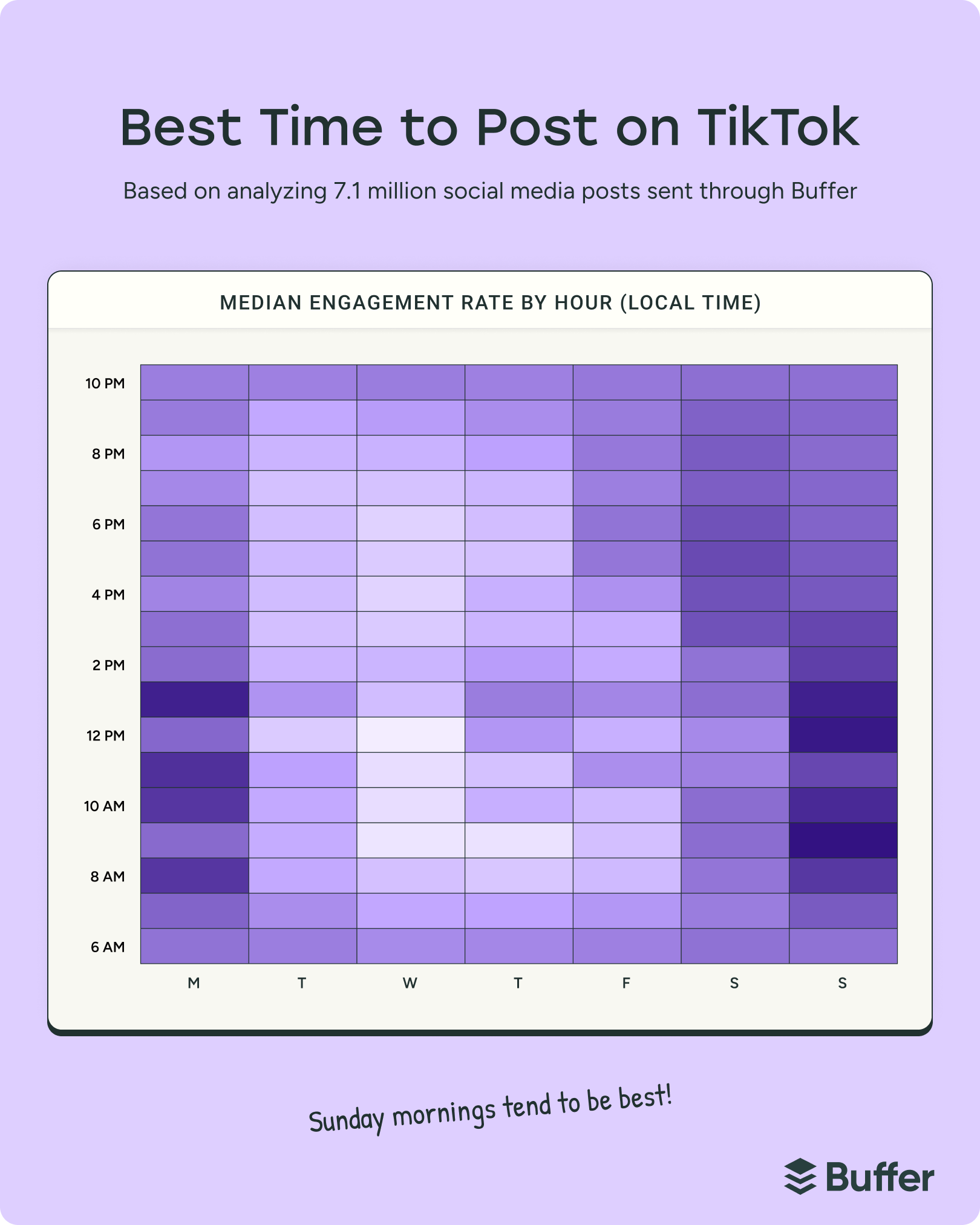
The Best Time to Post on TikTok: A Weekly Breakdown
To provide a granular view, the data was broken down by day of the week, identifying the most effective posting times for each. These times are presented in order of performance, with the primary recommendation being the most impactful for that specific day.
- Monday: The strongest performing time is 1 p.m., followed by 11 a.m. and 8 a.m. Monday emerges as a robust day for engagement, offering a viable alternative if weekend posting isn’t feasible.
- Tuesday: The optimal posting time is 6 a.m., with 10 p.m. and 7 a.m. also showing significant engagement. The early morning slot suggests a segment of the audience engaging with content before their day begins.
- Wednesday: The peak engagement occurs at 10 p.m., with 6 a.m. and 9 p.m. as secondary strong times. While Wednesday is generally a quieter day for engagement overall, strategic posting during these hours can still yield results.
- Thursday: The prime time is 1 p.m., with 10 p.m. and 6 a.m. also demonstrating good performance. Similar to Wednesday, Thursday tends to see lower overall engagement, making precise timing more critical.
- Friday: The most effective posting time is 6 p.m., with 10 p.m. and 8 p.m. being strong alternatives. The evening hours on Friday are clearly favored as users transition into the weekend.
- Saturday: This day stands out as the strongest overall for TikTok engagement. The optimal window is between 3 p.m. and 5 p.m., with 5 p.m. being the top performer. The afternoon-to-evening slot on Saturday provides an excellent opportunity for creators to schedule content in advance.
- Sunday: The single best time to post across the entire week is 9 a.m. Sunday. Other highly effective times include 1 p.m. and 12 p.m. This early morning peak on Sunday suggests a user base that engages with the platform during their weekend leisure time.
It is crucial to note that the times provided are universally applicable, having undergone adjustments to account for various time zones by the data science team. This simplifies the process for creators worldwide, eliminating the need for manual time zone conversions.
The Best Day of the Week for TikTok Posting
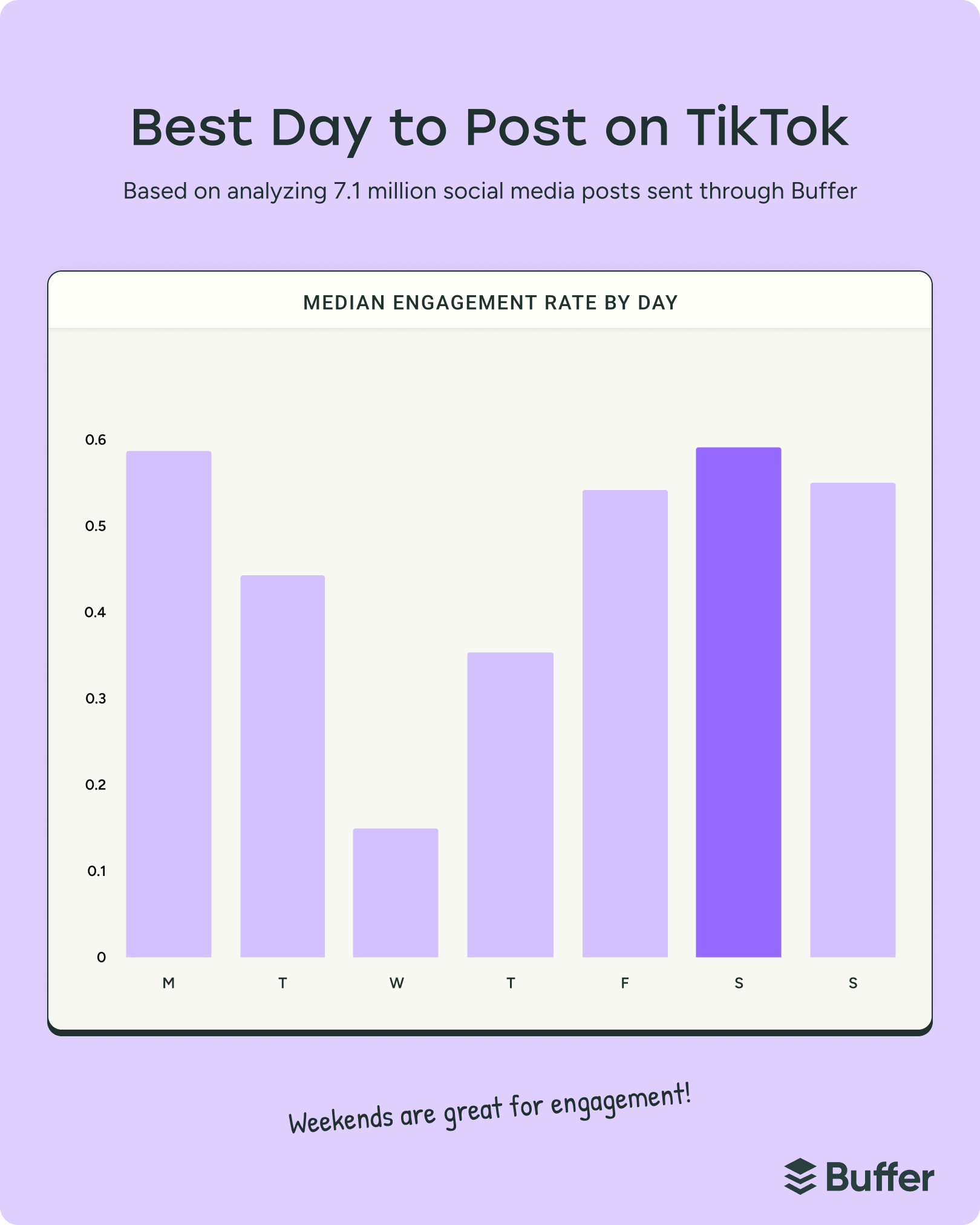
When looking at the aggregate performance across the entire week, Saturday emerges as the most advantageous day for posting on TikTok. Content shared on Saturdays, encompassing videos, carousels, and text posts, generally achieved the highest engagement rates. Monday secured the second position, with Sunday closely following.
However, it’s important to acknowledge that research in this area can yield varied results. Different studies may identify different peak days, underscoring the influence of audience demographics, the specific datasets analyzed, and the methodologies employed. Therefore, these findings should be considered a valuable starting point, to be cross-referenced with individual analytics.
Tailoring Strategy: Finding Your Unique Optimal Posting Time
While the aggregated data provides a robust framework, the most effective posting strategy is ultimately one that is tailored to a creator’s specific audience. The following steps outline how to leverage personal analytics to pinpoint individual optimal posting times:
-
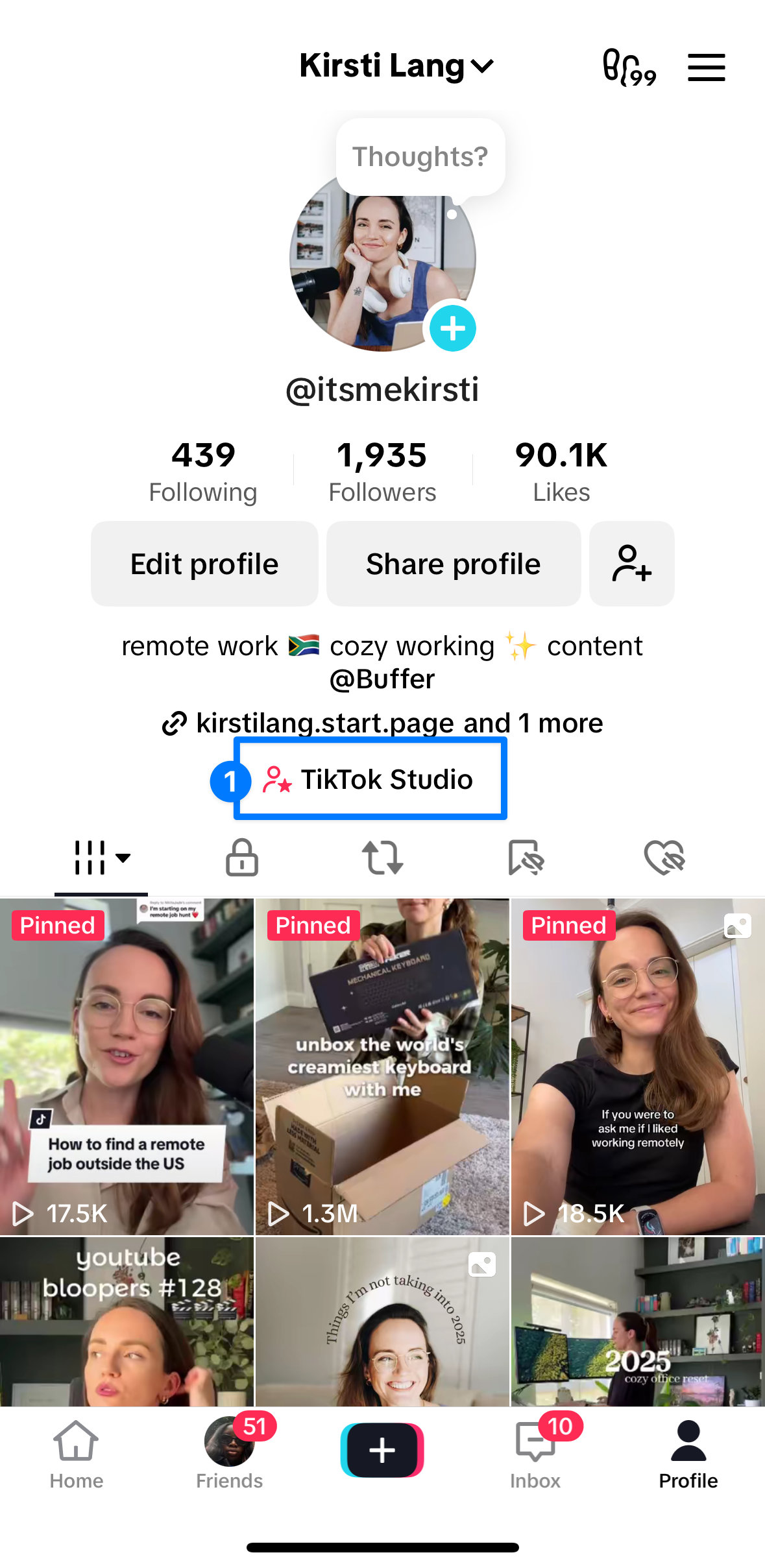
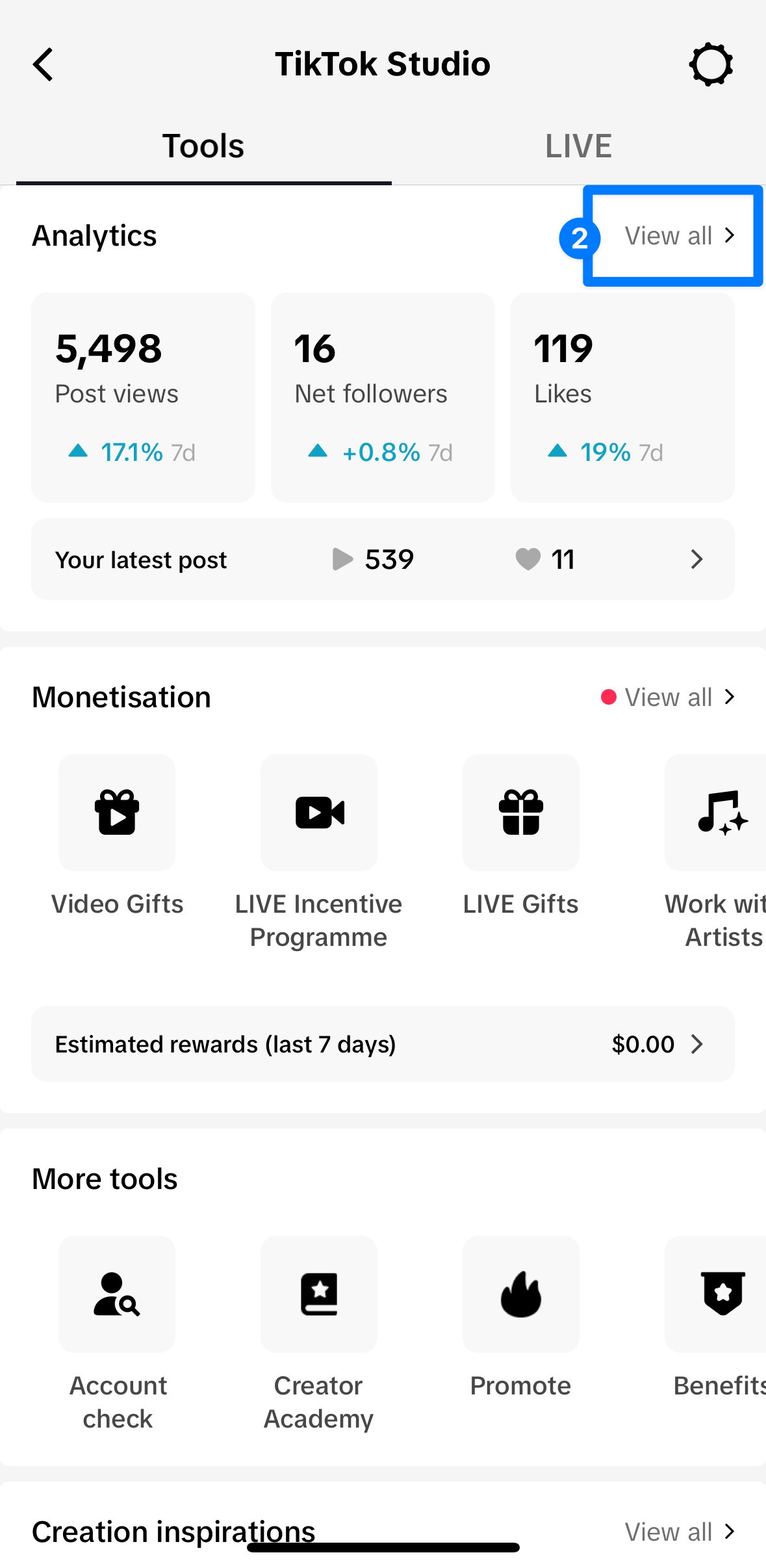
Monitor Follower Activity: Most social media platforms, including TikTok, offer analytics dashboards. On TikTok, the "Followers" tab within TikTok Analytics provides a retrospective overview of when your followers were most active on the app over the past week. This data is invaluable for understanding your audience’s online habits.
-
Identify Patterns in Peak Times: Dedicate time to observing your audience’s most active periods over several days. Look for recurring patterns. A strategic approach is to post slightly before your followers’ peak activity times, especially if these align with the generally recommended times from broader studies.
-
Integrate Your Posting Schedule: A consistent posting schedule, or even a basic content calendar, can alleviate the mental burden of deciding what and when to post. By having a plan, creators can focus more on content creation and less on the logistical challenges of publishing.
-
Embrace Experimentation: Creators should not hesitate to experiment with different posting times. Small adjustments, such as shifting a post from 3 p.m. to 6 p.m., can lead to noticeable differences in performance. Testing various time slots over a few weeks and comparing the outcomes is crucial for data-driven optimization.
-
Analyze Content Performance: Adhering to a planned posting schedule for a few weeks allows each time slot to be tested fairly. Utilize platform analytics to track key metrics such as views, average watch time, total play time, and follower growth associated with posts published at different times. This granular analysis will illuminate which times yield the best results for your specific content and audience.
-
Maintain Consistency and Adapt: If no clear patterns emerge, continuing with a generally performing schedule can help gather more data. If posts are consistently underperforming, it may be time to re-evaluate the posting schedule and explore content optimization strategies. For those who discover effective posting times, maintaining consistency is key for the next few weeks. However, it is also vital to remain adaptable. TikTok trends and the algorithm are in constant flux, necessitating periodic testing of new posting times to stay ahead.
Leveraging Tools for Optimized Posting
For creators seeking to streamline their posting process and ensure optimal timing without constant manual effort, social media management tools offer a valuable solution. Platforms like Buffer can integrate recommended posting times directly into their scheduling features. This means that when scheduling a TikTok post, creators can select from pre-identified high-engagement slots, removing the guesswork.
These tools can automatically update with the latest recommended posting times based on ongoing analysis of platform data. This feature simplifies the process of showing up at the right time, allowing creators to focus on producing high-quality content and building their online community.
Frequently Asked Questions About TikTok Posting Times
-
Is there a definitive "best" time to post on TikTok?
While certain times consistently show higher engagement, the "best" time is highly audience-dependent. Content quality remains the most critical factor for success.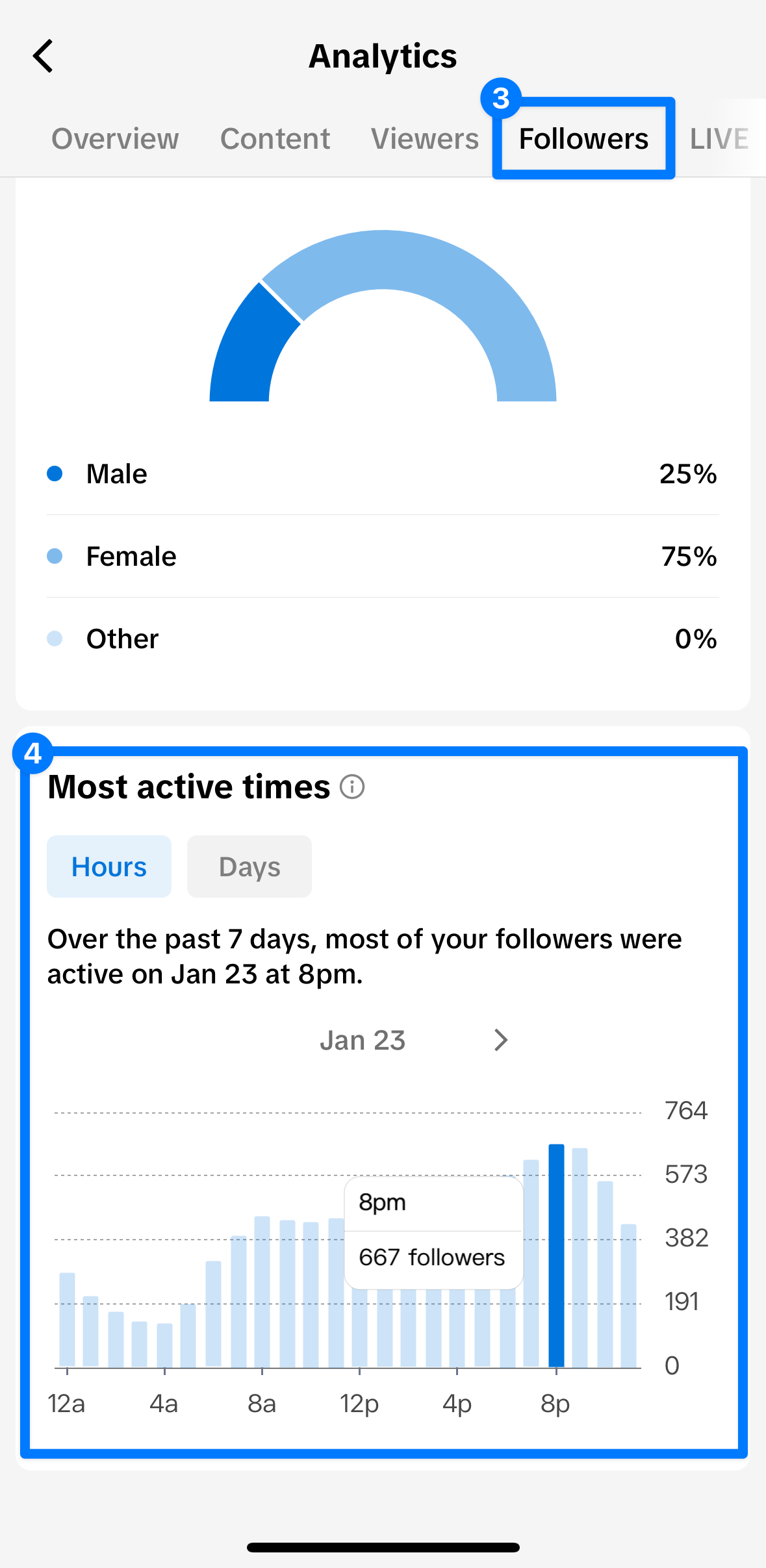
-
Do I need to adjust times for my timezone?
The provided times are globally applicable. However, checking your specific TikTok Analytics for follower activity by region can offer further refinement. -
Is daily posting at the optimal time necessary?
Consistent posting is more important than daily posting. Prioritize times that are sustainable for you and effective for your audience. -
How do I identify my audience’s peak activity times?
TikTok Analytics (Followers tab > Most active times) provides this information, showing when your followers were most active in the past week. -
Does posting time matter if my content isn’t getting views?
Timing can provide a boost, but it’s rarely the sole reason for underperformance. Watch time and content quality are primary drivers. If views are low, focus on improving the hook, pacing, and overall value proposition of your content.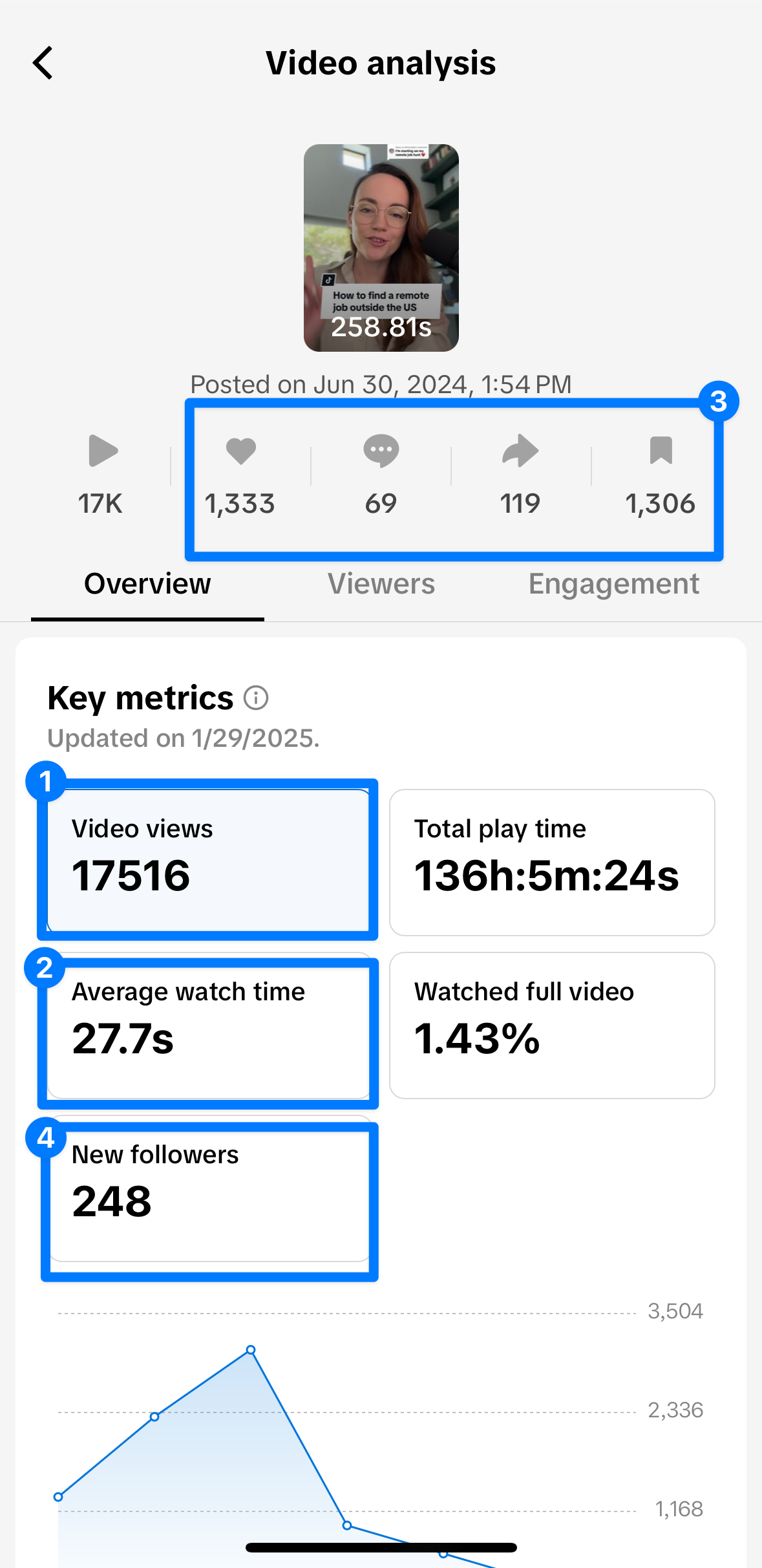
-
What is the "three-second rule" on TikTok?
This creator guideline emphasizes the importance of a strong hook in the initial three seconds to capture viewer attention and prevent scrolling. -
How long should I test a posting time?
Given the variability of platform performance, test each time slot for at least a few weeks to identify discernible patterns rather than isolated spikes. -
What if my followers are in different timezones?
Consult your TikTok Analytics for follower activity across regions. Look for overlapping peak times. For audiences spread across major timezones (e.g., US East Coast and UK), posting during a window that bridges these times, such as early afternoon EST, can be effective. Consistent posting and ongoing analysis are key. -
Can I schedule TikTok posts?
Yes, platforms like Buffer offer scheduling capabilities, allowing you to set posts to go live at your chosen optimal times without manual intervention.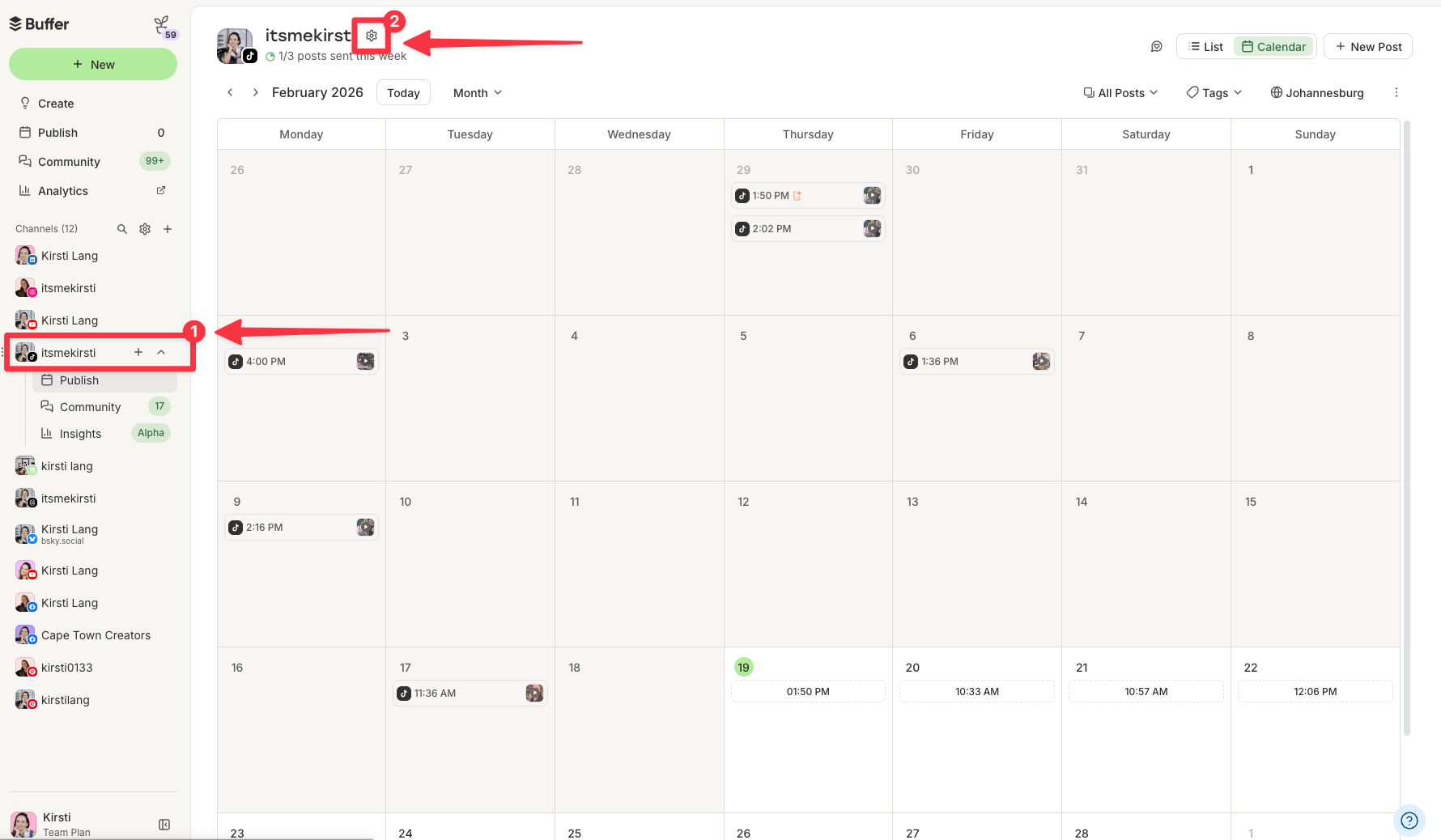
-
What time is most likely to lead to a viral TikTok?
No specific time guarantees virality. However, posting when your audience is active can generate crucial early engagement, signaling to the algorithm that the content is worth promoting. The best performing times identified in the study offer a strong starting point.
By understanding the nuances of TikTok’s algorithm and leveraging both broad data insights and personal analytics, creators can significantly enhance their content’s reach and engagement, fostering a more robust online presence.
Related posts: