The 2026 U.S. Midterm Elections: High Stakes, Tech Lobbying, and How to Track Live Results

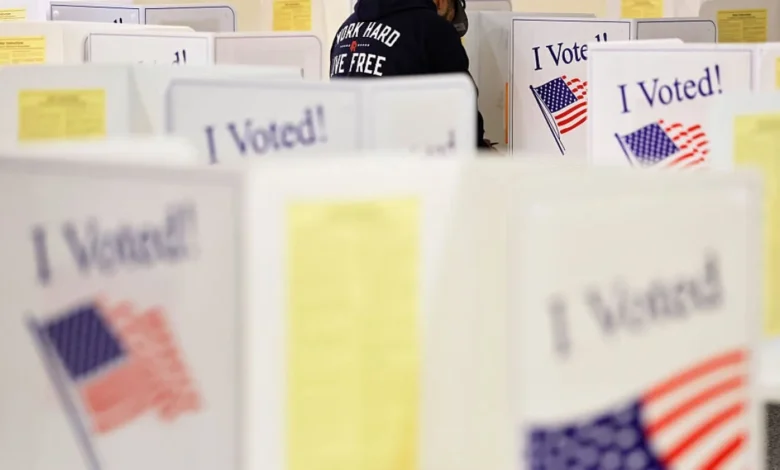
The 2026 United States midterm elections have officially arrived, bringing with them a defining moment for the future of the federal government, state legislatures, and critical national policies. Voters across the country are heading to the polls to render judgment on the balance of power in the Senate, federal climate policy, LGBTQ+ rights, taxation structures for billionaires, and a myriad of localized ballot measures. With the political landscape deeply polarized, the outcomes of these races will shape the legislative trajectory for the remainder of the decade.
Beyond traditional political divides, this election cycle is notable for unprecedented external financial intervention, particularly from the technology sector. Major industry figures, most notably SpaceX and Tesla owner Elon Musk, have funneled hundreds of millions of dollars into various local and federal campaigns. This massive capital deployment coincides with an escalating national debate over artificial intelligence regulation, antitrust enforcement, and the future of digital communications. Simultaneously, the current Trump administration has adopted an aggressive posture regarding the electoral process itself, repeatedly threatening to challenge vote-counting procedures, sequester contested ballots, and resist potential shifts in congressional power driven by Democratic electorates.
Given the convergence of heavy corporate spending, intense regulatory battles, and heightened administrative scrutiny, the stakes for individual voters have rarely felt higher. As precincts begin to report their initial figures, understanding where to find reliable information, how the vote-counting process functions, and what to expect in the coming days is paramount for navigating election night and the subsequent fallout.
Navigating Live Election Results and Real-Time Trackers
For citizens seeking to monitor the pulse of the nation in real time, navigating the sheer volume of incoming data can be overwhelming. Relying on dedicated online election hubs provided by established, non-partisan news organizations remains the most efficient method for tracking live updates. These digital dashboards synthesize estimated vote counts, precinct reporting percentages, and demographic breakdowns as they become available.
Using reputable online trackers allows individuals to cross-reference multiple newsroom predictions simultaneously without the need to constantly switch television channels or streams. Major metropolitan newspapers, wire services, and broadcast networks deploy sophisticated data modeling to project winners based on historical voting patterns and early returns. However, media analysts continually emphasize that these projections are statistical estimates rather than official declarations, serving as a guide to the overarching trends rather than the final word.
Comprehensive Livestreams and Broadcast Coverage
For those who prefer a dynamic, broadcast-style experience, a wide array of live video coverage is available across traditional cable and digital platforms. Major news outlets have mobilized their entire political desks to provide continuous analysis, live reporter dispatches from key campaign headquarters, and interviews with political strategists.
Viewers can access these livestreams seamlessly through standard cable subscriptions or via free digital streaming platforms. For cord-cutters and online audiences, prominent YouTube streams include dedicated coverage from CBS News, PBS NewsHour, and NBC News Now. These digital broadcasts offer accessible, continuous commentary, breaking down precinct shifts and key competitive districts as the night progresses.
The Reality of Vote Counting: Why Official Results Take Time
One of the most persistent misconceptions surrounding election night is the expectation that a definitive winner for every race will be declared before midnight. In reality, vote counts and race calls issued by media organizations on election night are strictly unofficial. Each news outlet calculates its projections using proprietary statistical models, and individual states maintain vastly different statutory frameworks governing how and when votes are processed and reported.
Consequently, political analysts and state election officials warn that it may take days—and in some contested jurisdictions, even weeks—to arrive at a finalized, certified tally in every race. This timeline is heavily influenced by state laws regarding mail-in ballots, early voting processing periods, and mandatory recount thresholds.
At least fourteen state Senate races are currently viewed as pivotal toss-ups that will determine the ultimate control of the legislative chamber. Closely watched contests in states such as Michigan, Maine, Ohio, Texas, and Alaska are expected to remain too close to call well into the night. Geographical and structural factors will also play a role in delaying final outcomes. Alaska, for instance, is the final state to close its polls, with voting concluding at 1:00 a.m. Eastern Time, ensuring that definitive predictions for the Last Frontier will likely wait until the morning of November 4.
Furthermore, structural voting mechanisms in specific states will extend the timeline. Both Alaska and Maine utilize ranked-choice voting systems. In races where no candidate secures an immediate majority of first-preference votes, subsequent rounds of reallocation are legally required, a process that can prolong the final determination for several days.
The Broader Impact and Policy Implications
The implications of the 2026 midterms extend far beyond the immediate party distribution in Congress. The incoming legislative class will inherit a series of structural crises and ideological conflicts that have defined American public life for years. Climate policy remains a primary flashpoint, with federal subsidies for renewable energy hanging in the balance alongside localized initiatives addressing water scarcity and infrastructure resilience.
Similarly, the ongoing legislative battles surrounding civil rights, specifically federal and state protections for LGBTQ+ individuals, will be heavily influenced by the composition of newly elected state legislatures and congressional delegations. Economic policy, particularly tax reform and regulatory oversight of emerging technologies, will test the federal government’s ability to forge bipartisan compromises. The influx of tech-industry capital into this cycle guarantees that lawmakers will face intense lobbying pressure regarding how algorithms, digital assets, and artificial intelligence are governed in the years leading up to the next presidential election cycle.
As the nation watches the returns roll in across television screens and digital dashboards, the collective decisions made at the ballot box will set the legislative parameters for the United States’ domestic and economic future. While the full picture may not emerge for days or weeks, the participatory foundation of the American democratic process remains fully engaged.