FTC and Multi-State Coalition Launch Landmark Lawsuit Against Restaurant Tech Giant Toast Over Deceptive Billing Practices

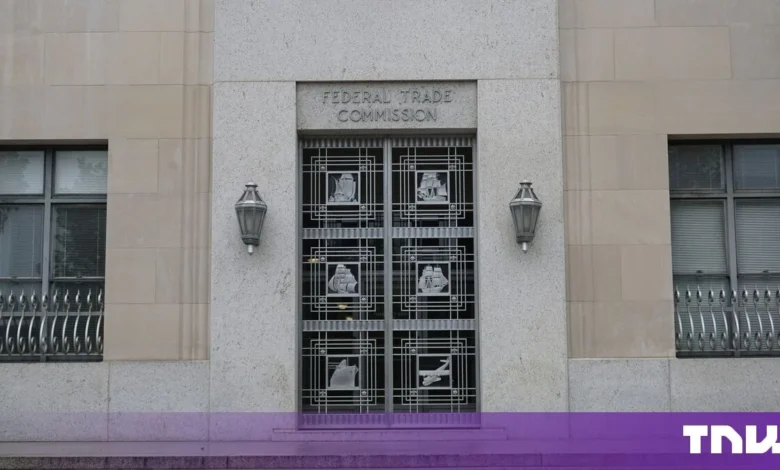
The United States Federal Trade Commission (FTC), in a coordinated legal strike alongside an eight-state coalition, has officially filed a lawsuit against Toast, the prominent restaurant software and payment processing company. The 71-page complaint, filed in the U.S. District Court for the Northern District of California, alleges that the company engaged in a systematic pattern of deceptive billing, the imposition of undisclosed fees, and the utilization of complex "dark patterns" designed to prevent business owners from canceling their subscriptions. This high-profile legal challenge marks a significant escalation in the federal government’s ongoing efforts to regulate subscription-based technology services and protect small business owners from potentially predatory financial practices.
The states joining the FTC in this litigation include Colorado, Florida, Illinois, Iowa, Nebraska, Oklahoma, and Utah. Additionally, California has participated through the concerted efforts of the Los Angeles County Counsel and the San Francisco City Attorney. The lawsuit, which follows a 2-0 vote by FTC commissioners to proceed, centers on allegations that Toast—which serves nearly 200,000 restaurant locations—has prioritized revenue growth through obfuscated charges at the expense of its merchant partners.
Chronology of the Dispute and Regulatory Scrutiny
The roots of this litigation trace back to mid-2025, when the FTC initiated an extensive review of Toast’s business practices. Throughout the latter half of 2025 and into 2026, the commission reportedly engaged in a series of discussions with the company, attempting to reach a settlement that would address the alleged consumer protection violations without the need for federal litigation.
According to statements released by Toast, the company has cooperated with investigators for over a year. However, the breakdown of these settlement talks prompted the current legal filing. The case arrives at a time of heightened scrutiny for the FTC, which has recently taken aggressive stances against various tech-driven business models. Earlier this year, the commission successfully halted a subscription enterprise built on shell companies and launched a separate suit against Amazon concerning advertising auction transparency. Furthermore, the agency is currently conducting a deep-dive investigation into Shein’s app design, specifically looking for the use of "dark patterns" that manipulate consumer behavior.
The Anatomy of the Alleged Billing Scheme
At the core of the FTC’s complaint is the assertion that Toast fundamentally misrepresented its pricing structure to restaurant owners. The company, which reported $6.153 billion in revenue for 2025, derives approximately 82% of its income from payment processing and financial services. The FTC argues that Toast utilized deceptive marketing to lure in small businesses with promises of a "$0" startup plan.
The "Pay-as-you-Go" plan, marketed as a zero-cost entry point for hardware and software, was allegedly contingent on hidden, higher card-processing fees that effectively masked the cost of the hardware. The complaint asserts that no part of the hardware was truly free; rather, the costs were amortized in a way that left merchants unaware of their total financial obligation.
Beyond initial setup, the lawsuit highlights a "subscription trap" ecosystem:
- Arbitrary Penalties: Merchants who failed to begin processing payments within 120 days were required to return hardware or pay the full retail price, a condition the FTC claims was not clearly disclosed.
- Inactive Fees: Restaurants that temporarily closed their doors for seasonal reasons or unforeseen circumstances were still saddled with an $85 monthly fee for processing services, regardless of usage.
- The Early Termination Penalty: The most egregious example cited involved a merchant charged over $5,300 in termination fees upon cancelling a contract after four years—a fee the company allegedly refused to reconsider or refund.
The "Diner Fee" Controversy
The scope of the lawsuit extends beyond the relationship between Toast and its merchant clients, reaching into the consumer sphere. Between September 2021 and July 2023, the FTC alleges that Toast unilaterally applied a $0.99 "service fee" to online orders exceeding $10. The commission contends that this fee was neither transparently disclosed to diners nor authorized by the restaurants themselves. Effectively, Toast redirected funds from the digital ecosystem to its own coffers, a practice the regulators argue deceived both the end-user and the business owners relying on the Toast platform.
Corporate Defense and Legal Strategy
In a robust response issued on the same day the lawsuit was filed, Toast expressed "strong disagreement" with the allegations, framing the FTC’s action as an overreach of its regulatory mandate. The company’s defense rests on a legal interpretation of the Restore Online Shoppers’ Confidence Act (ROSCA).
"No court has held that ROSCA applies to negotiated business-to-business agreements, and we don’t believe it applies here," the company stated. Toast maintains that the contracts signed by its restaurant partners are B2B agreements, which the company argues are fundamentally different from the consumer-facing subscription services the law was originally designed to regulate.
Furthermore, Toast contends that the FTC has ignored the nuances of the restaurant industry, where contract terms are often subject to negotiation. By applying a one-size-fits-all regulatory standard to these agreements, Toast argues that the commission is attempting to rewrite the rules of commercial law in a way that could stifle innovation in the fintech sector. The company has reaffirmed its commitment to its current service and pricing models, stating that the lawsuit will not change how it interacts with its customer base.
Operational Obstacles: Support and Loan Defaults
The complaint also details systemic failures in customer support, contrasting the reality of the experience with the company’s "24/7/365" marketing promise. The FTC cites thousands of consumer complaints regarding the inability to reach human support, noting that even urgent technical issues often went unaddressed during weekends or holidays.
Perhaps most concerning to industry analysts is the alleged "loan default" trap associated with Toast Capital. According to the complaint, merchants who decided to switch payment providers were often hit with a demand to repay their entire outstanding loan balance immediately, regardless of the original repayment schedule. The FTC characterizes this as an attempt to lock merchants into the Toast ecosystem through the threat of financial insolvency.
Broader Implications for the Fintech Industry
The Toast case serves as a bellwether for the future of SaaS (Software as a Service) providers that manage the financial infrastructure for small and medium-sized enterprises (SMEs). If the court agrees with the FTC’s interpretation of ROSCA, it could force a radical shift in how fintech companies structure their contracts, fee disclosures, and cancellation policies.
"Toast failed to honor a number of its promises and instead imposed hidden fees, unauthorized charges and subscription traps that drained the hard-earned profits of businesses just trying to serve their customers," said Christopher Mufarrige, director of the FTC’s Bureau of Consumer Protection. This rhetoric suggests that the federal government is moving toward a more interventionist role in overseeing how tech platforms monetize their relationships with small businesses.
The outcome of this litigation will likely impact how companies like Toast, Square, and Clover operate their business-to-business models. As the case proceeds through the Northern District of California, industry observers expect a protracted legal battle. The plaintiffs are seeking a permanent injunction against the alleged deceptive practices, full restitution for impacted merchants and consumers, and significant civil penalties.
While the legal process moves forward, the case highlights the tension between the rapid digitization of the service economy and the need for robust consumer and merchant protections. For the nearly 200,000 restaurants utilizing Toast’s services, the court’s decision will provide much-needed clarity on where the line is drawn between aggressive business competition and illegal, deceptive trade practices. As of now, the company remains defiant, promising to contest the allegations in court, while the FTC continues to signal that its crackdown on "subscription traps" is far from over.