Threads Introduces Animated and Static Digital Stickers to User Profiles in a Nostalgic Nod to Early Social Media

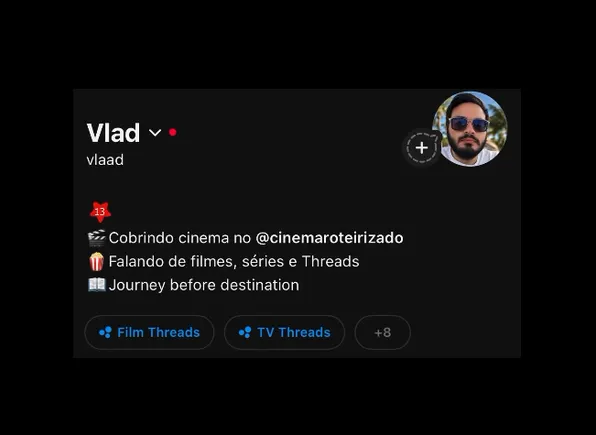
Meta-owned text-based social media platform Threads has officially rolled out a new customization feature that allows users to embed both static and animated digital stickers directly into their profile biographies. This latest update aims to provide creators, brands, and everyday users with novel ways to express their individuality and make their profiles visually distinct within the application. The introduction of bio stickers marks another step in Meta’s ongoing strategy to inject more dynamic, interactive, and visually engaging elements into an interface that has traditionally favored clean, text-heavy minimalism.
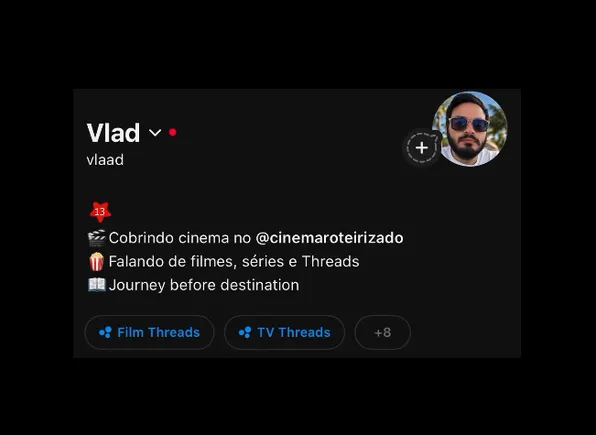
As demonstrated by early adopters on the platform, the feature enables accounts to curate colorful, moving, or static badges that sit alongside traditional text descriptions and external links. While standard profile bios have historically relied on plain text, emojis, and hyperlinks, this update opens up a broader spectrum of design possibilities. Industry observers note that the feature is likely to transform how users brand themselves on the platform, shifting the aesthetic toward a more vibrant and playful presentation. However, the update also sparks a broader conversation about digital nostalgia, platform design trends, and the cyclical nature of social media aesthetics, drawing immediate comparisons to the highly customizable profile pages of the early 2000s web era.
Chronology of Feature Development and Platform Integration
The rollout of profile bio stickers does not arrive in a vacuum; it represents a logical progression in Threads’ broader visual feature roadmap throughout the year. Earlier this year, Meta began experimenting with animated stickers for regular in-stream posts, allowing users to incorporate dynamic visual assets into their daily text and media updates. When those animated stickers first launched, they generated a significant surge in user engagement. Within days of the rollout, users flooded the platform with creative combinations—most notably utilizing animated letter stickers to spell out dynamic words, phrases, and call-to-actions within their feed posts.
Despite the initial enthusiasm, the novelty of animated stickers within standard posts experienced a predictable decline. Platform analysts observed that after the initial wave of experimentation subsided, most mainstream users reverted to standard posting habits, utilizing traditional emojis and static text rather than consistently incorporating moving graphical assets into every update. This historical context raises valid questions regarding the long-term utility of the new bio-specific sticker integration.
Nevertheless, product strategists suggest that the profile bio environment operates under entirely different psychological and functional parameters than the main feed. Because a user’s bio is a static landing page rather than a high-frequency, ephemeral stream of content, changes are made infrequently. Consequently, stickers placed within a bio are anticipated to maintain a much higher persistence rate. Rather than requiring daily interaction or fresh creative implementation, a bio sticker functions more like a permanent digital pin or badge, serving as a consistent aesthetic anchor for the profile. This structural difference could ensure that bio stickers remain a popular and enduring fixture on the platform, avoiding the rapid fatigue that affected animated stickers in regular posts.
A Nostalgic Throwback to the MySpace Era
The integration of animated, customizable visual elements into personal profile spaces has immediately resonated with veteran internet users, many of whom have pointed out the striking similarities to the golden age of early social media platforms, most notably MySpace. During the mid-2000s, profile customization was the bedrock of social networking identity. Users routinely utilized custom HTML, cascading style sheets (CSS), glittering cursor trails, background music players, and animated graphics to transform their personal pages into unique digital canvases.
While platforms like Facebook, Twitter (now X), and Instagram subsequently streamlined user interfaces toward uniform, standardized layouts in the name of readability and algorithmic consistency, the desire for hyper-personalized digital spaces never truly disappeared. By allowing animated stickers in profile bios, Threads is subtly leaning into this nostalgic yearning for self-expression. The visual presence of wriggling, fidgeting graphics on a modern text-first platform bridges a nearly two-decade gap in social media design philosophy. It demonstrates an understanding that while algorithmic feeds demand uniformity, users still actively seek out micro-environments where they can showcase personality, humor, and aesthetic preference.
Broader Impact and Industry Implications
From a product and marketing perspective, the introduction of bio stickers carries several noteworthy implications for both individual creators and corporate brands operating within the Threads ecosystem. As social media platforms become increasingly crowded, differentiation is a primary driver of audience growth and engagement. Features that allow accounts to visually break the monotony of a standard list-view profile can significantly impact click-through rates, profile visits, and overall brand recall.
For creators and influencers, the new feature provides an additional tool for digital branding. An animated sticker can be used to highlight a specific mood, signal alignment with a subculture, or visually emphasize a call-to-action alongside a bio link. Brands, meanwhile, may find subtle ways to incorporate animated brand assets, mascots, or seasonal themes into their official profile real estate, further blurring the line between corporate identity and community-driven aesthetics.
However, design and accessibility experts also monitor such updates with a critical eye. The addition of moving graphics to profile pages introduces potential challenges regarding visual clutter, readability, and cognitive load for users with attention deficits or visual sensitivities. As platforms evolve to incorporate more dynamic multimedia elements into static zones like bios, maintaining a balance between vibrant self-expression and clean, accessible user interface design remains a delicate balancing act for product engineering teams.
Technical Rollout and User Reception
The feature is currently rolling out globally via server-side updates, meaning users may see availability expand across iOS and Android applications over a phased timeline. Early reception among active community members has been largely positive, characterized by playful experimentation and widespread sharing of creative profile setups. Whether this feature establishes a permanent paradigm for profile presentation or fades into a niche aesthetic choice remains to be seen. Nonetheless, Threads continues to iterate rapidly on its feature set, positioning itself as a flexible, dynamic alternative in the competitive landscape of text-based conversational media.