How Query Fan-Out is Redefining Digital Discovery and AI Search Optimization


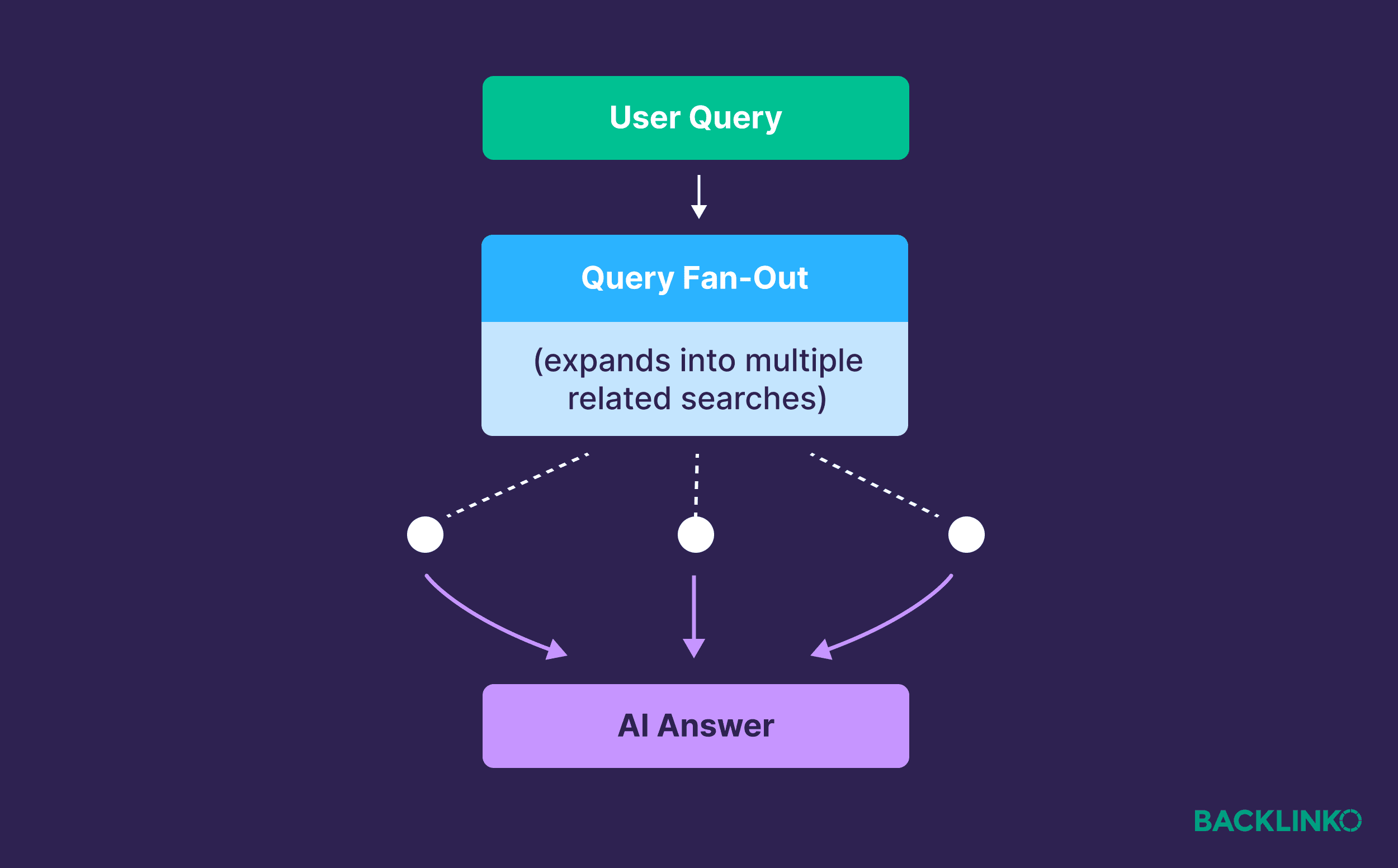
The modern search landscape has fundamentally shifted, rendering traditional search engine optimization metrics insufficient for capturing visibility in generative AI platforms like ChatGPT, Perplexity, and Google AI Overviews. Industry data indicates that a website can secure a first-page ranking on Google and still fail to receive a single citation or mention from a large language model (LLM). This phenomenon is driven by a background mechanism known as query fan-out, a process that completely changes how artificial intelligence systems source, synthesize, and present information to users.
Understanding the Mechanics of Query Fan-Out
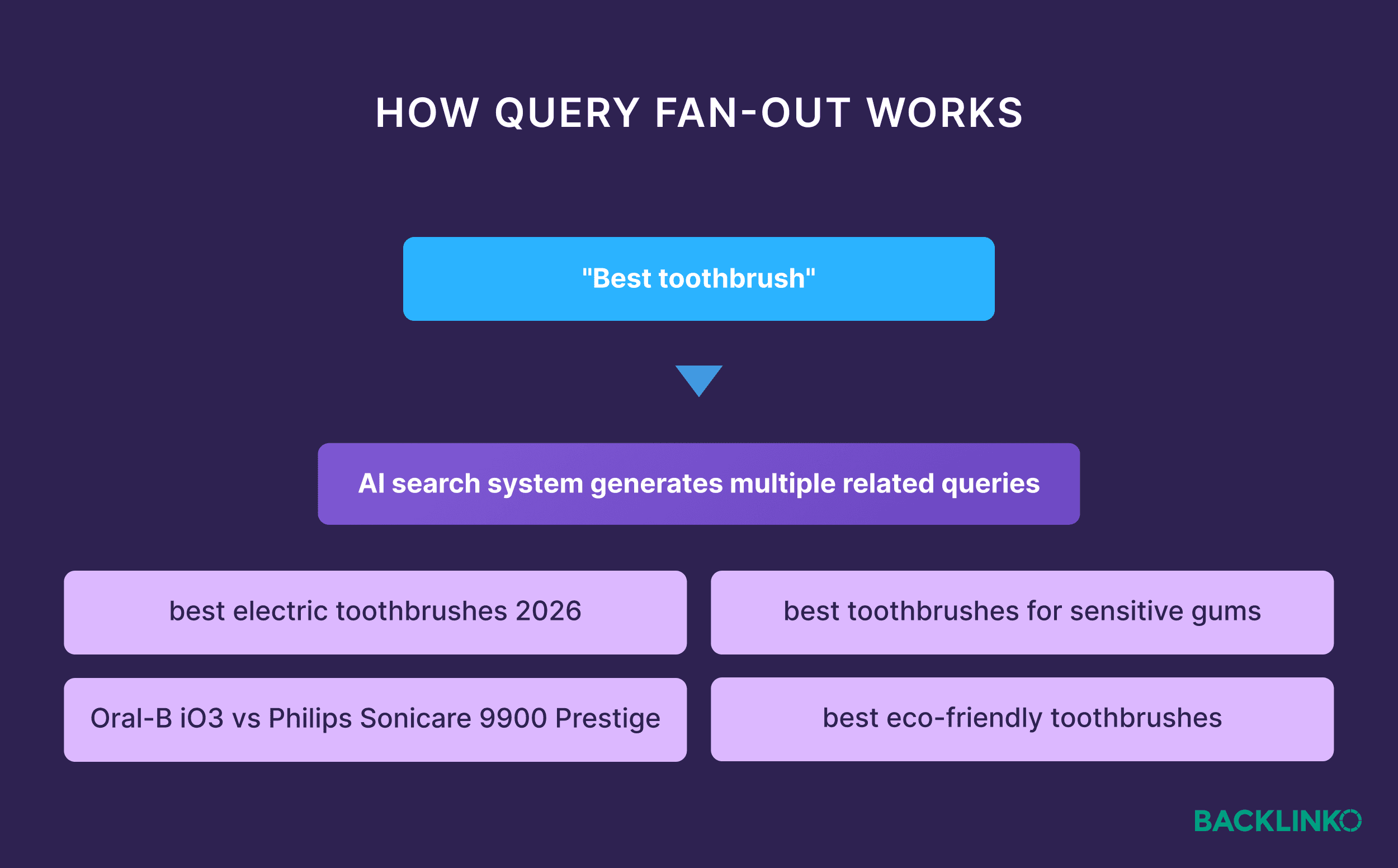
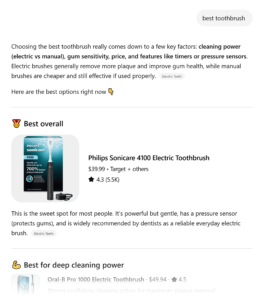
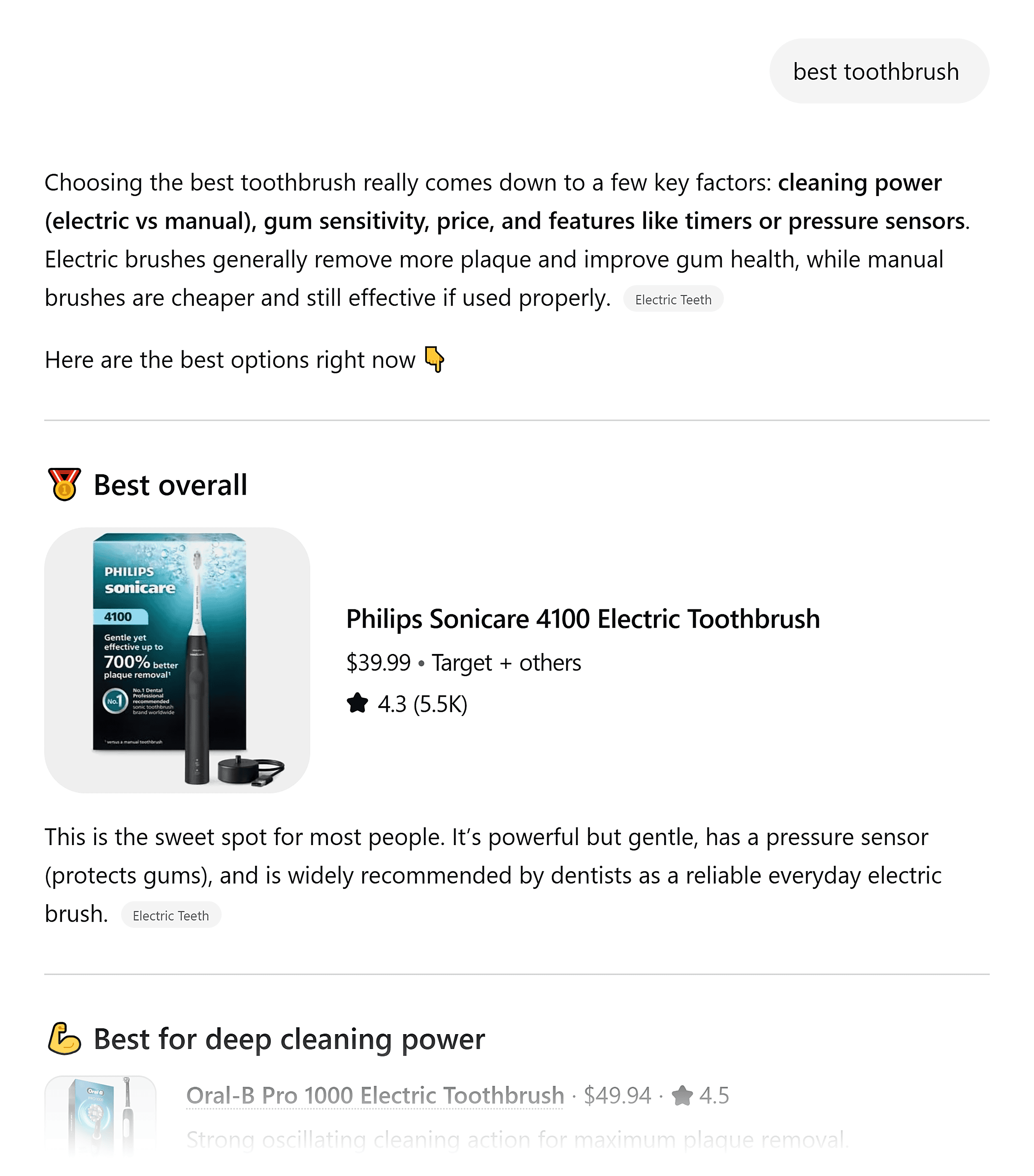
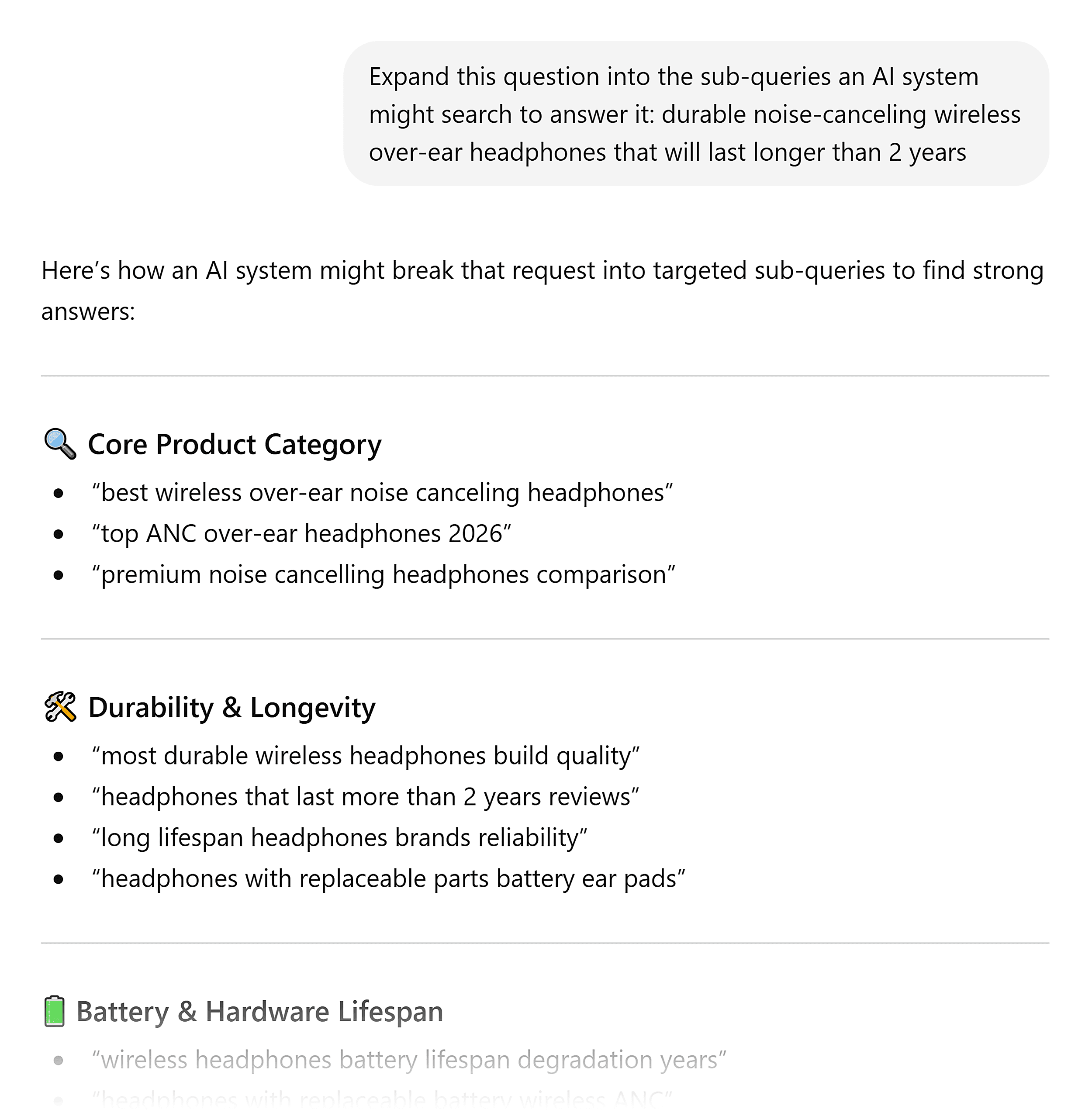
Query fan-out occurs when an AI search system takes a single user prompt—such as a broad query for the "best toothbrush"—and automatically breaks it down into multiple, highly specific sub-queries behind the scenes. Rather than relying on a monolithic search algorithm that ranks entire web pages based purely on keyword density and backlink profiles, AI engines decompose the intent of the user. For instance, a simple two-word prompt for a toothbrush triggers background searches regarding electric variants, sensitive gums, specific brand comparisons, and eco-friendly alternatives.
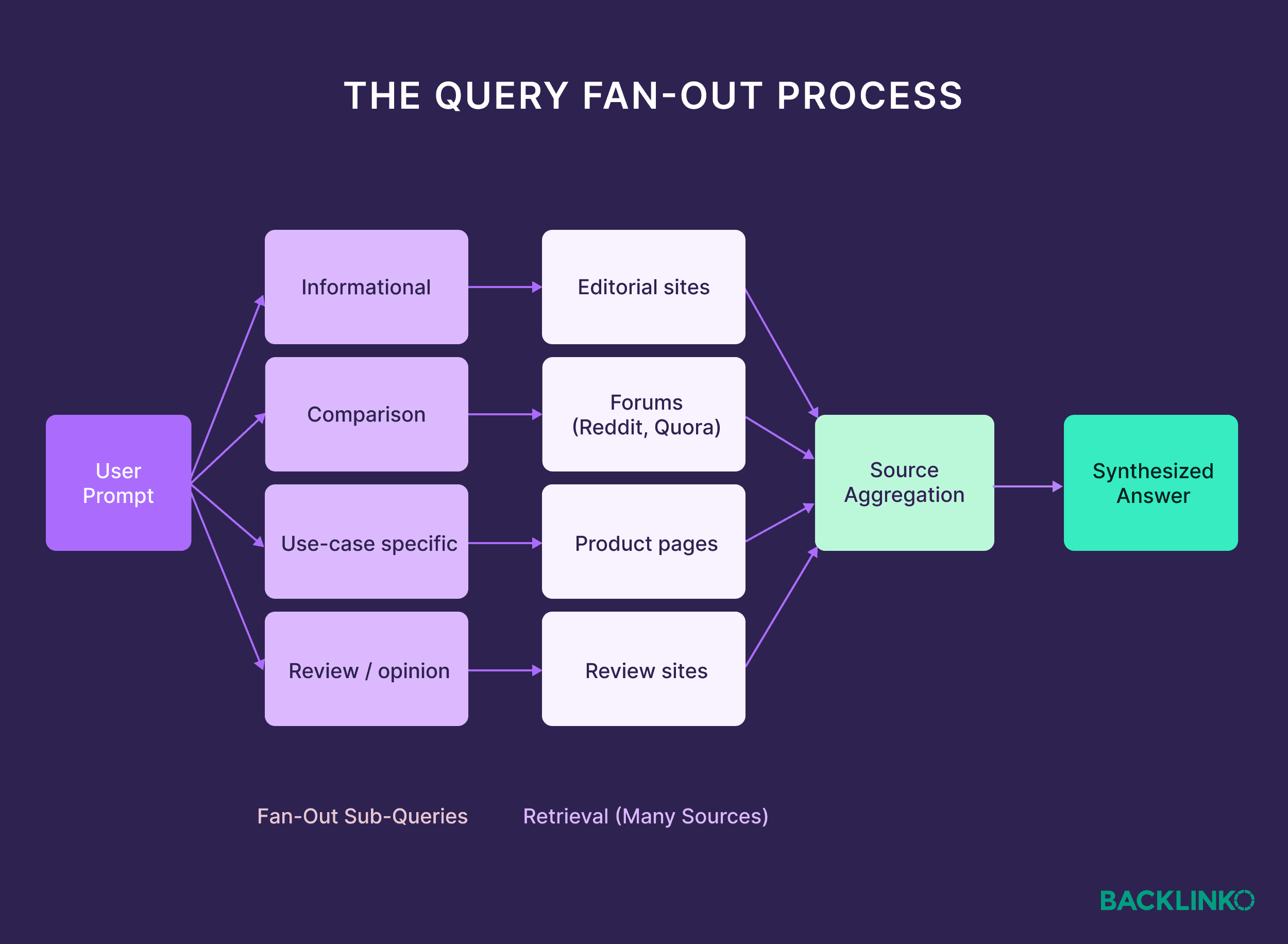
Once these sub-queries are executed, the AI extracts relevant passages from editorial sites, user forums like Reddit, and product comparison pages, synthesizing them into a single, comprehensive response. Consequently, visibility in AI-driven search depends entirely on a brand’s coverage, retrievability, and ability to satisfy multi-faceted user intents simultaneously.
The Shift in Ranking Dynamics and Content Retrieval
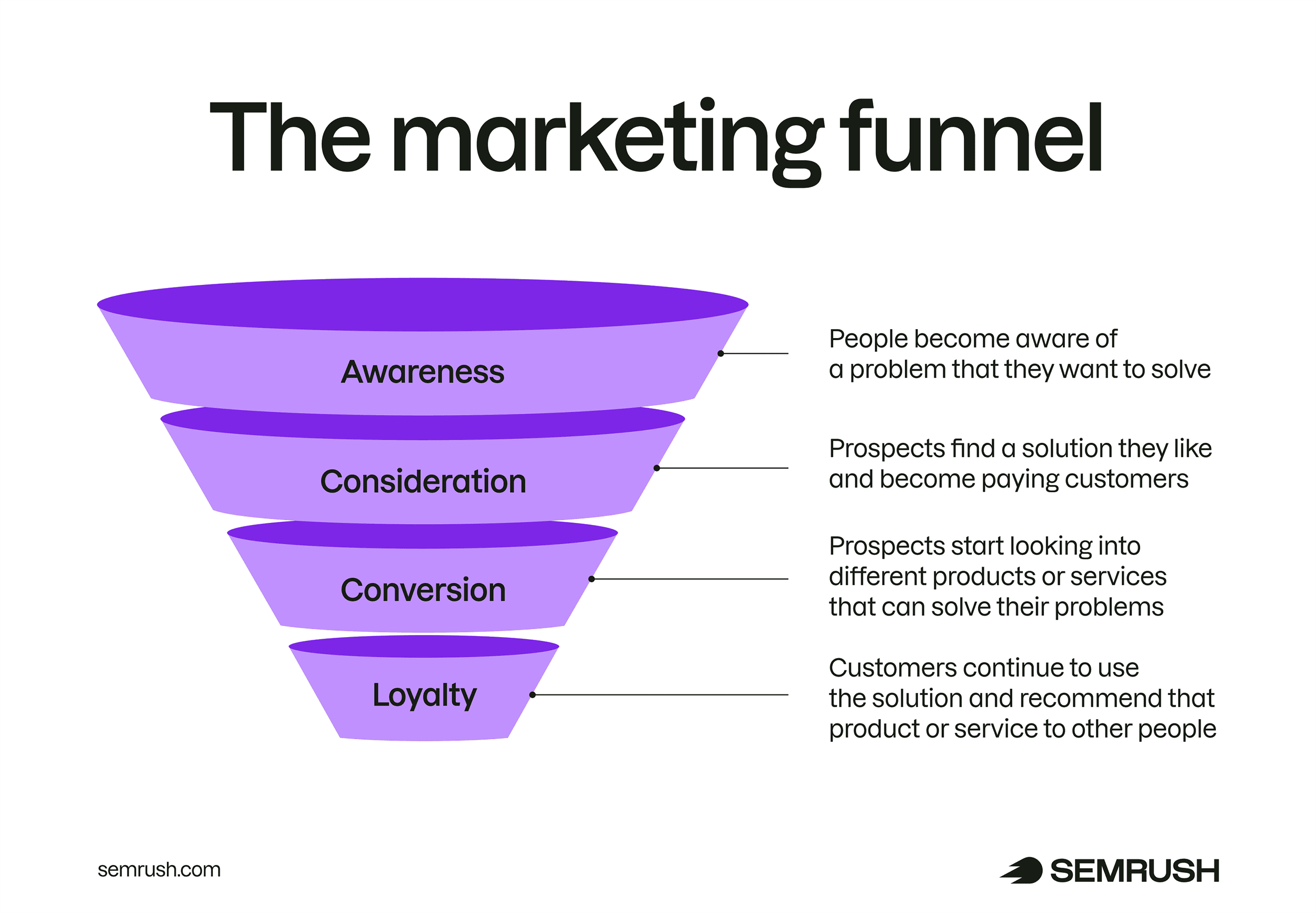
The operational reality of LLMs has broken traditional digital marketing funnels. Historically, consumer behavior was viewed as a linear progression moving from awareness to consideration and finally decision-making. Marketers optimized distinct content pieces for each isolated stage of this journey. Query fan-out collapses this entire lifecycle into a single, instantaneous user interaction.
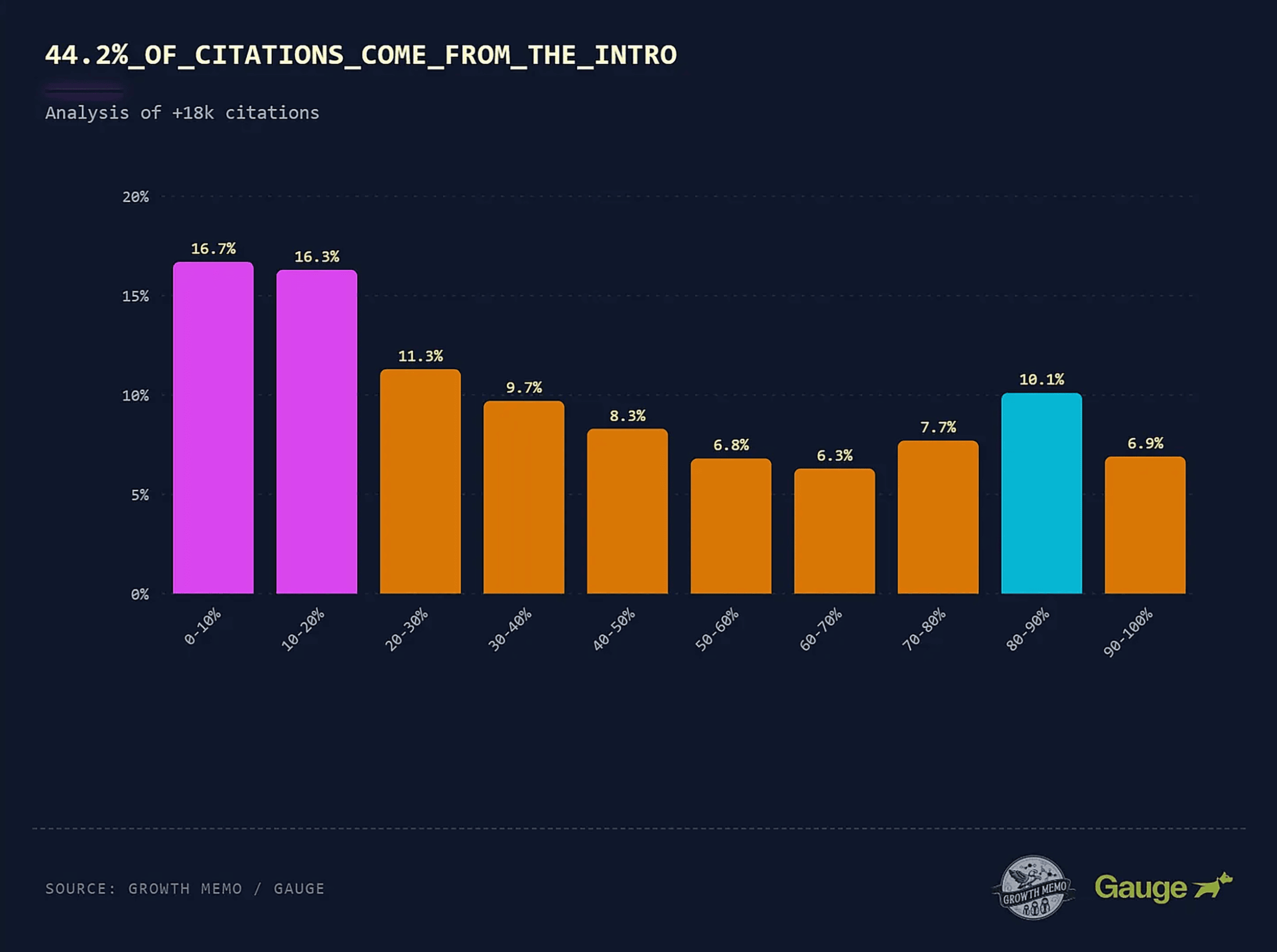
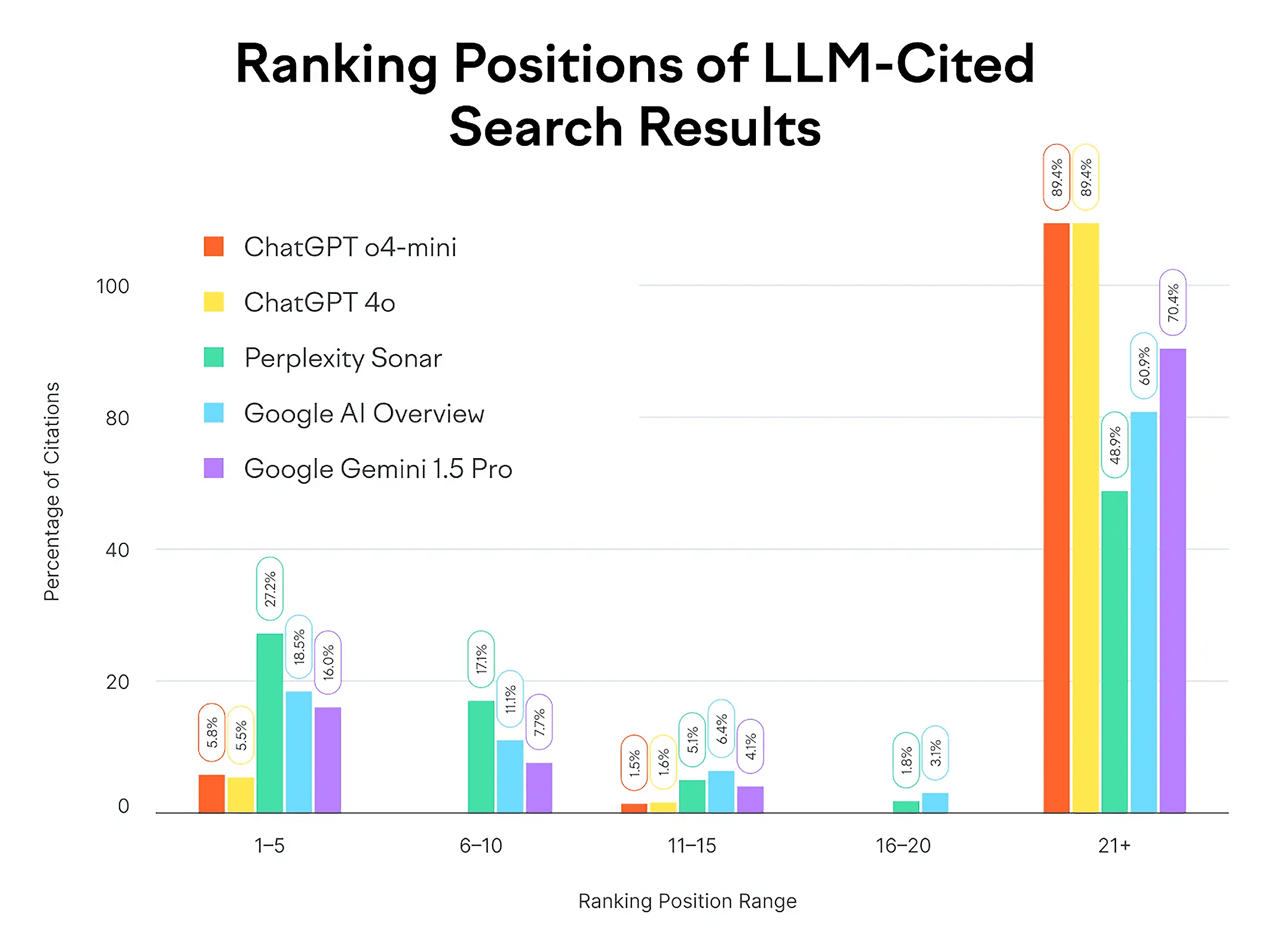
Recent empirical studies highlight the severity of this shift. Industry analysis demonstrates that a vast majority of LLM citations—nearly 90% in some evaluations—originate from web pages ranking outside the top traditional search positions, frequently pulling from results positioned at 21 or lower. Furthermore, AI engines do not evaluate web pages as cohesive units; they retrieve specific passages. Data compiled by growth analysts indicates that over 40% of citations in prominent LLM responses are extracted from the top 30% of a page, underlining the critical importance of front-loading critical information and structuring content for rapid parsing.
Strategic Implications for Digital Publishers and Brands
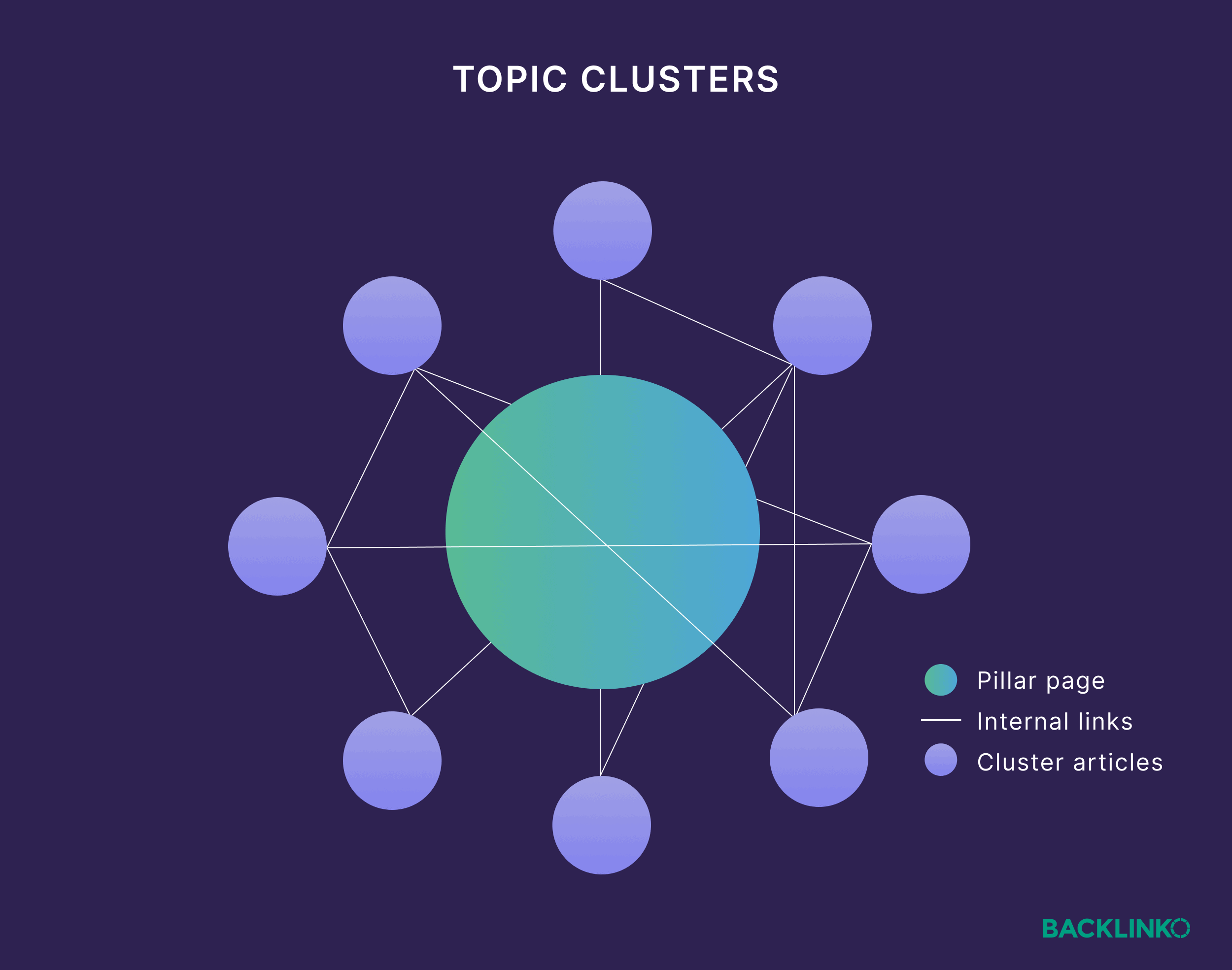
As search engines evolve into answer engines, content strategies must transition from targeting isolated keywords to achieving comprehensive topic coverage through interconnected cluster models. Brands that successfully navigate this environment adopt a systematic workflow designed to capture high-intent search behavior.
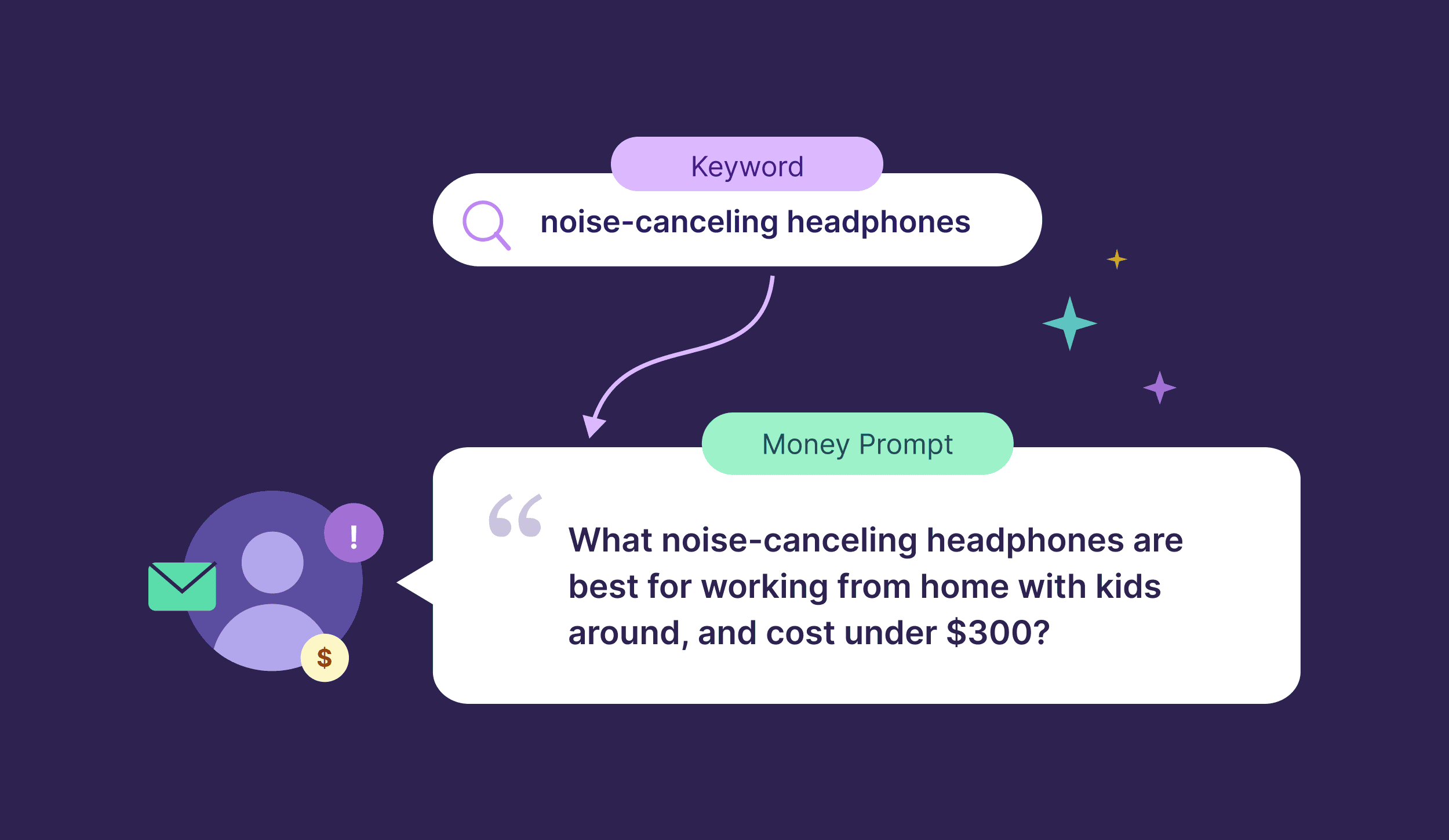
First, organizations must identify "money prompts"—conversational, highly specific questions that potential customers enter into AI tools when attempting to solve a concrete problem. Unlike traditional commercial-intent keywords, these prompts contain nuanced constraints, preferences, and situational contexts.

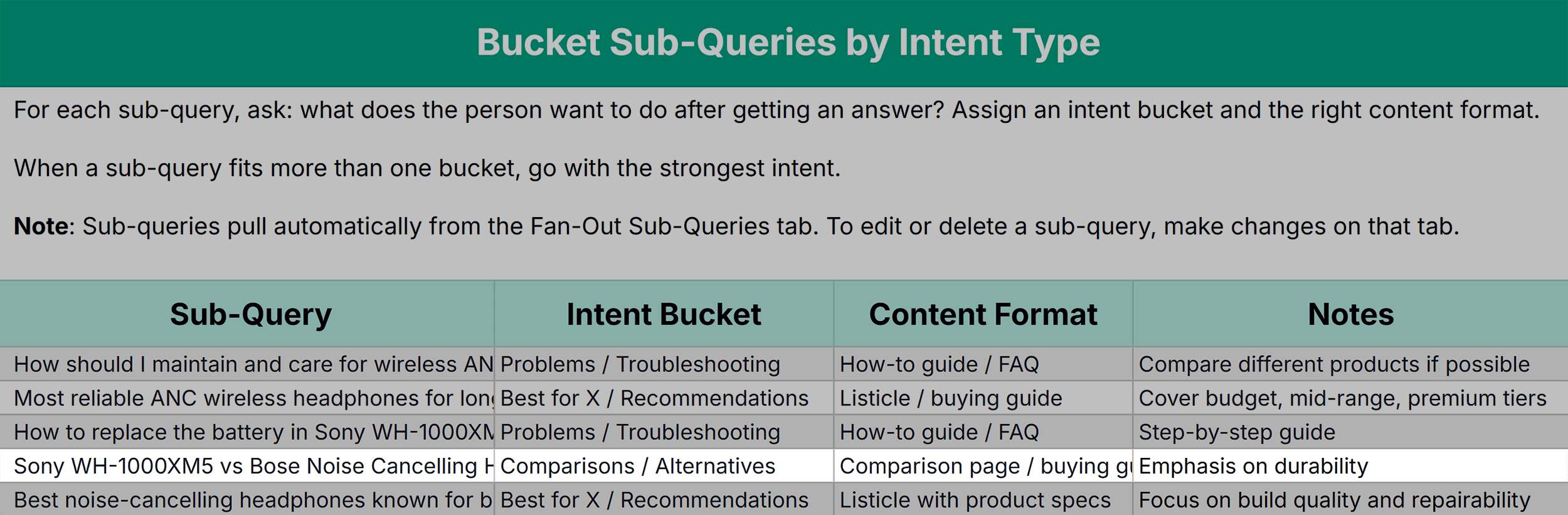
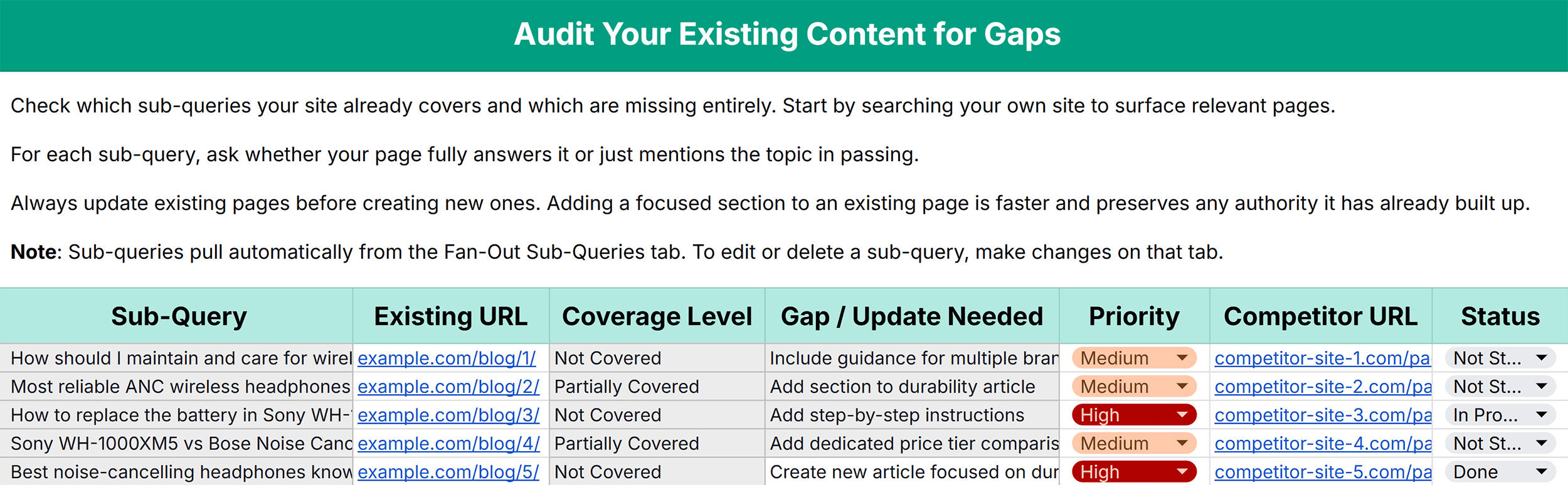
Second, digital strategists must reverse-engineer the fan-out sets associated with their core offerings. By analyzing the sub-queries generated by AI platforms across different categories—such as comparative evaluations, implicit needs, and personalized constraints—publishers can identify significant content gaps within their existing digital properties.

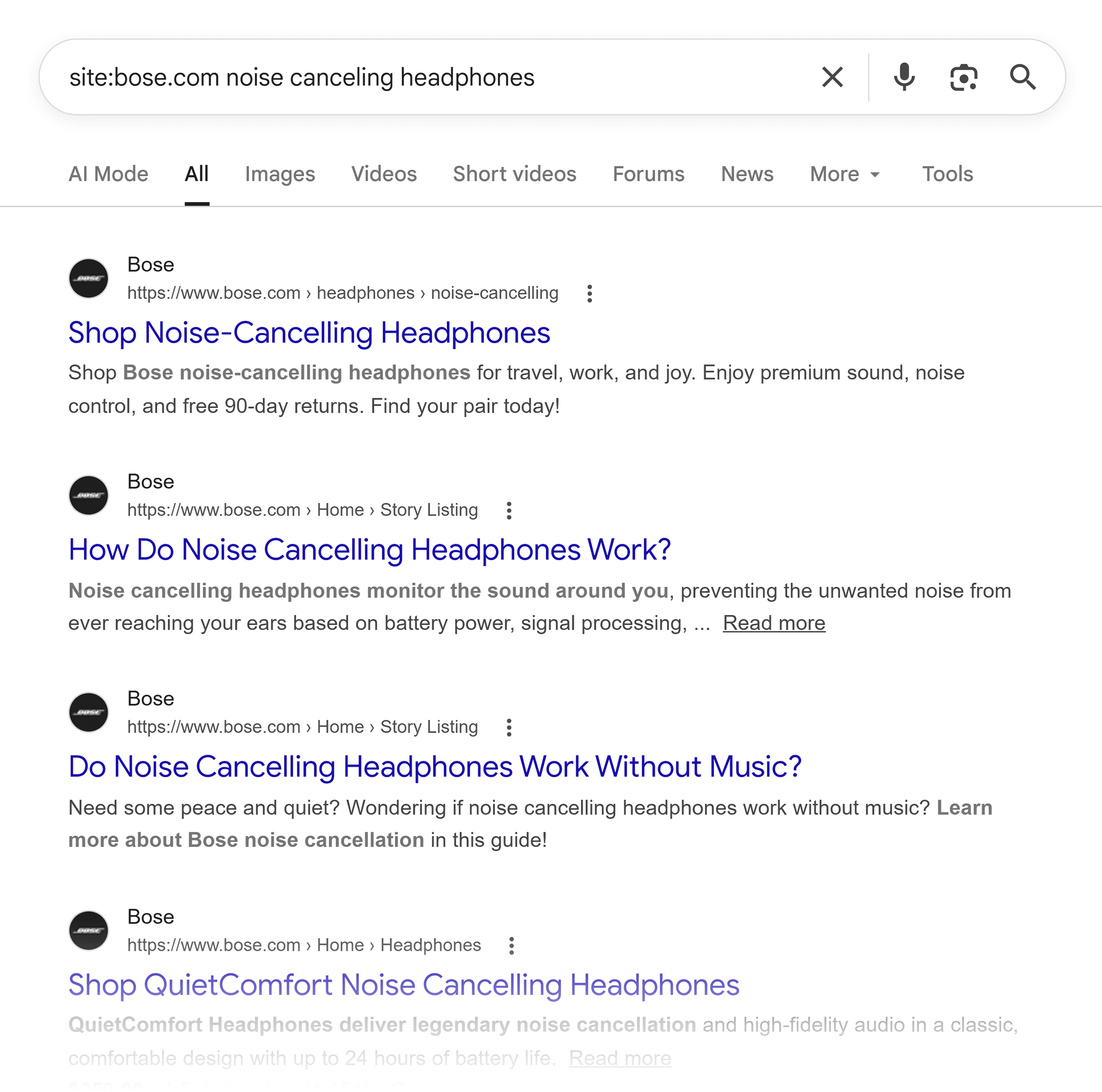
Third, content must be structured to facilitate extraction. This involves organizing key product specifications into structured tables, front-loading core claims, and creating dedicated landing pages tailored to specific use cases, such as utilizing noise-canceling headphones specifically for air travel or managing sensory issues. When an AI system encounters clean, scannable, and topically authoritative content that directly addresses a sub-query, the probability of citation increases significantly.
Platform-Specific Variations in AI Search Behavior
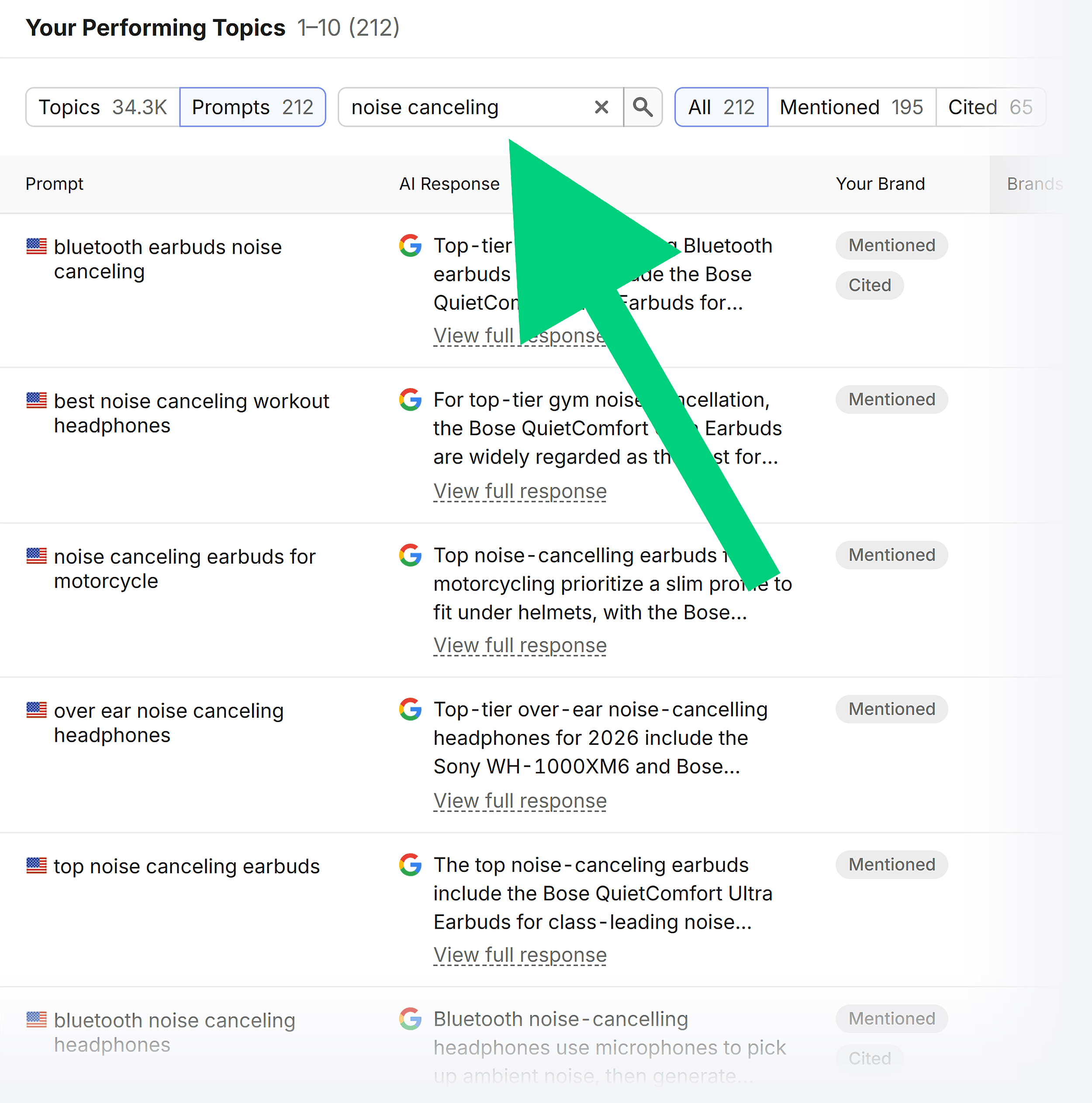
Different generative AI platforms handle query fan-out through distinct architectural approaches, requiring nuanced adaptation from content creators.
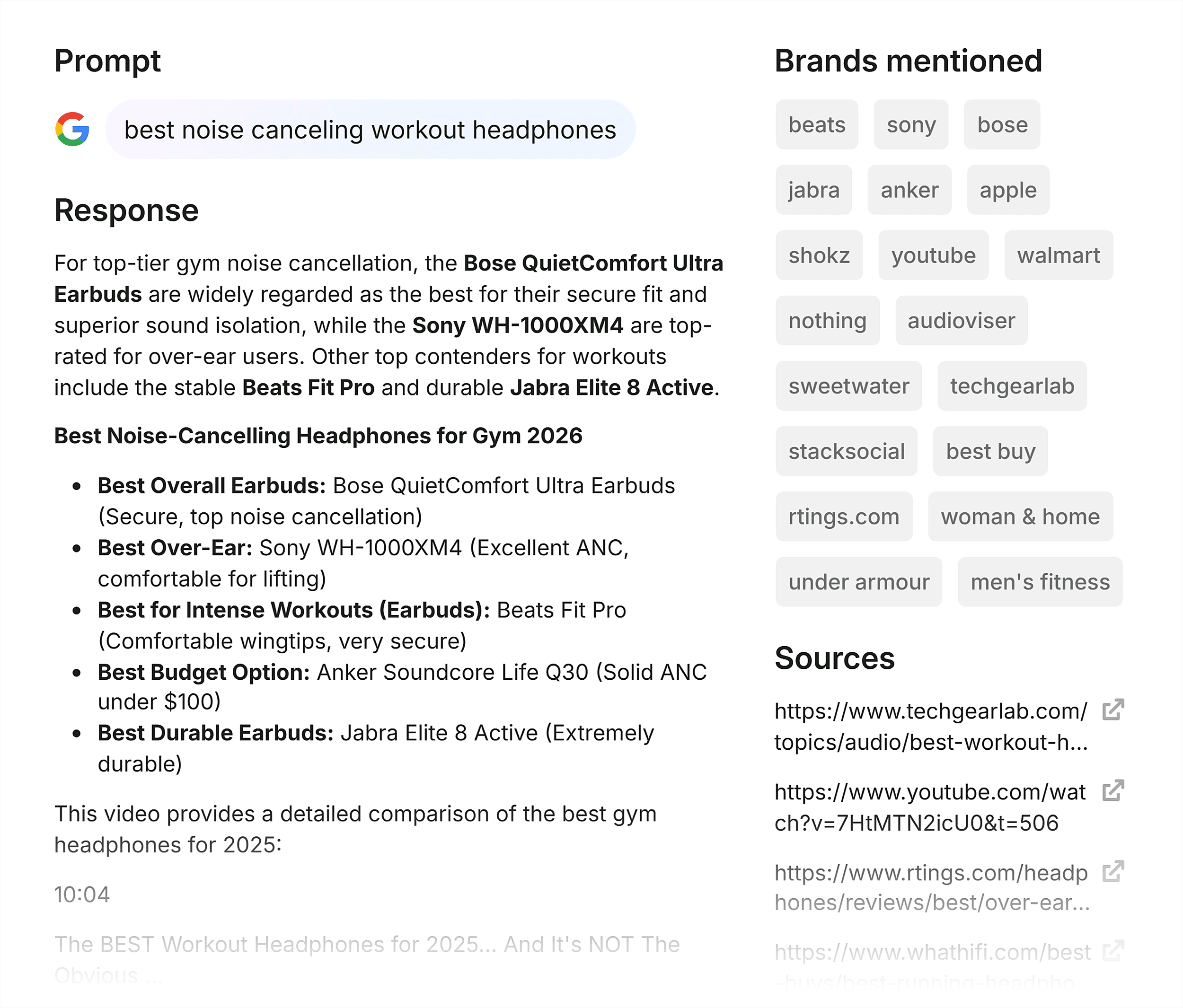
ChatGPT relies heavily on internal reasoning models, executing live web searches selectively when prompts require fresh data, real-time comparisons, or current information. Through developer inspection tools, analysts have observed that ChatGPT often formulates extensive internal sub-queries targeting long-term costs, technical specifications, and user sentiment before generating a final synthesis.
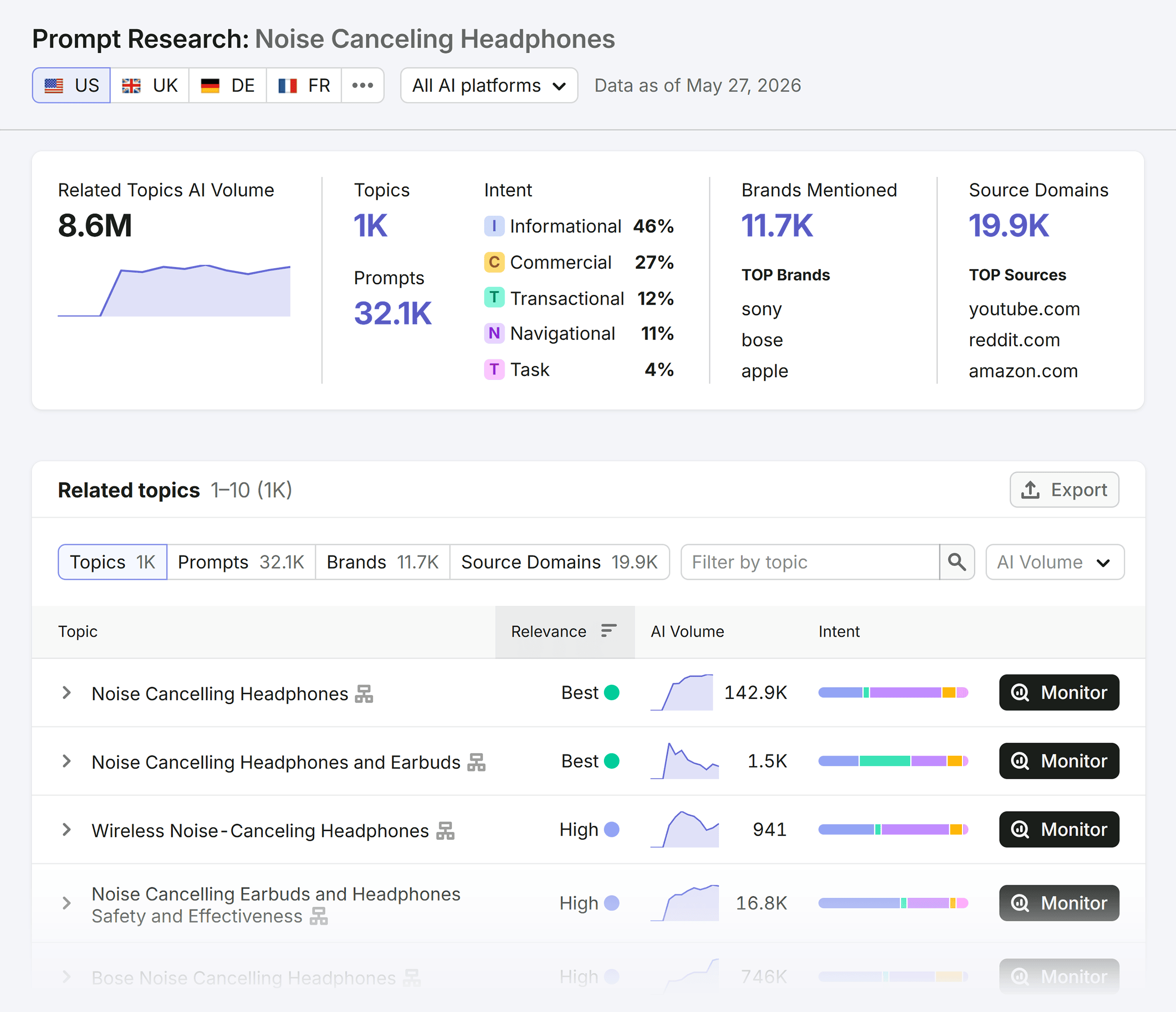
Perplexity operates by combining conversational memory with real-time web searches, executing dual-layer fan-out protocols that account for past user interactions, contextual constraints, and external reliability metrics. This means published content must remain robust and self-contained, as it may be surfaced alongside unpredictable user contexts.
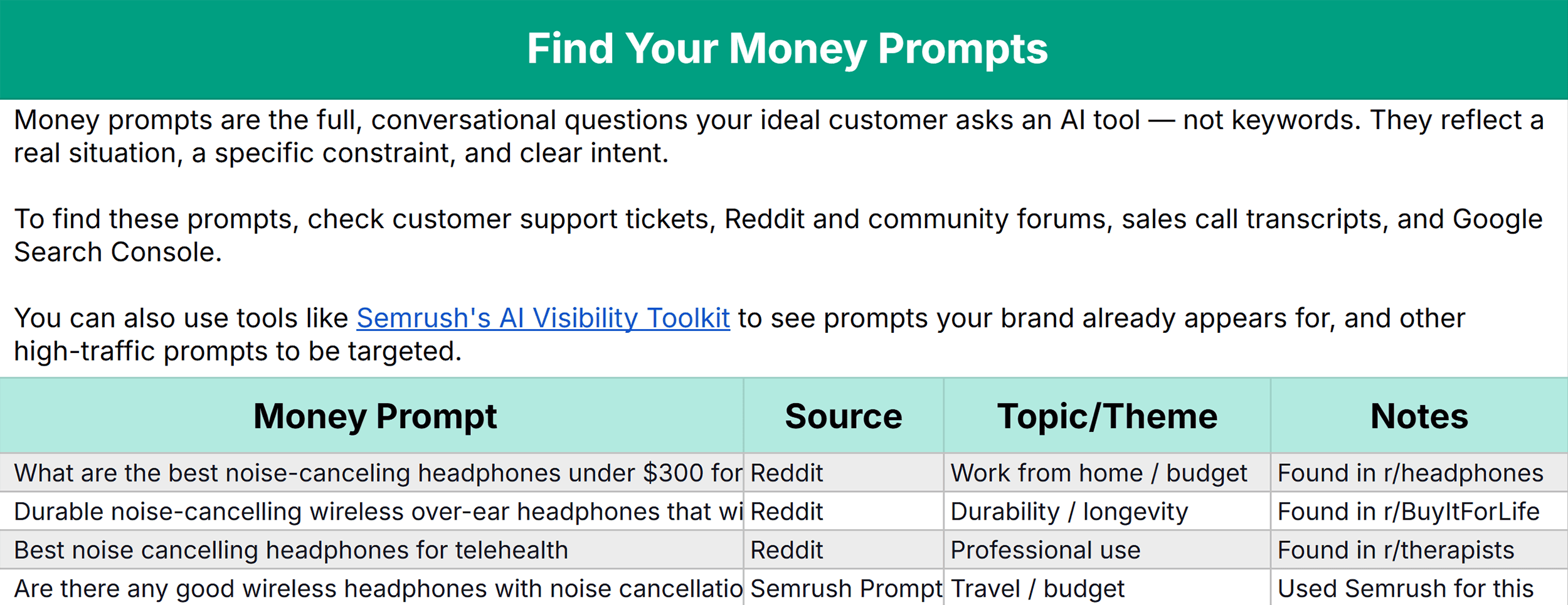
Claude typically employs a clarifying-question framework before executing searches, attempting to narrow down user intent explicitly. This results in more targeted, precise fan-out behavior compared to systems that immediately cast a wide net across the indexed web.
Google AI Overviews and AI Mode represent a bridge between traditional indexing and generative retrieval. While AI Overviews synthesize existing search engine results into concise summaries, AI Mode manages complex, multi-part queries by fanning out across Google’s vast web index.
Broader Economic and Industry Implications
The transition toward query fan-out carries profound economic implications for digital publishers, e-commerce brands, and SEO agencies. As search traffic increasingly converts into zero-click experiences where users receive synthesized answers directly within the chat interface, traditional referral traffic metrics are declining. Brands that fail to optimize for AI retrieval risk losing top-of-funnel discovery entirely, even if their traditional search rankings remain stable.
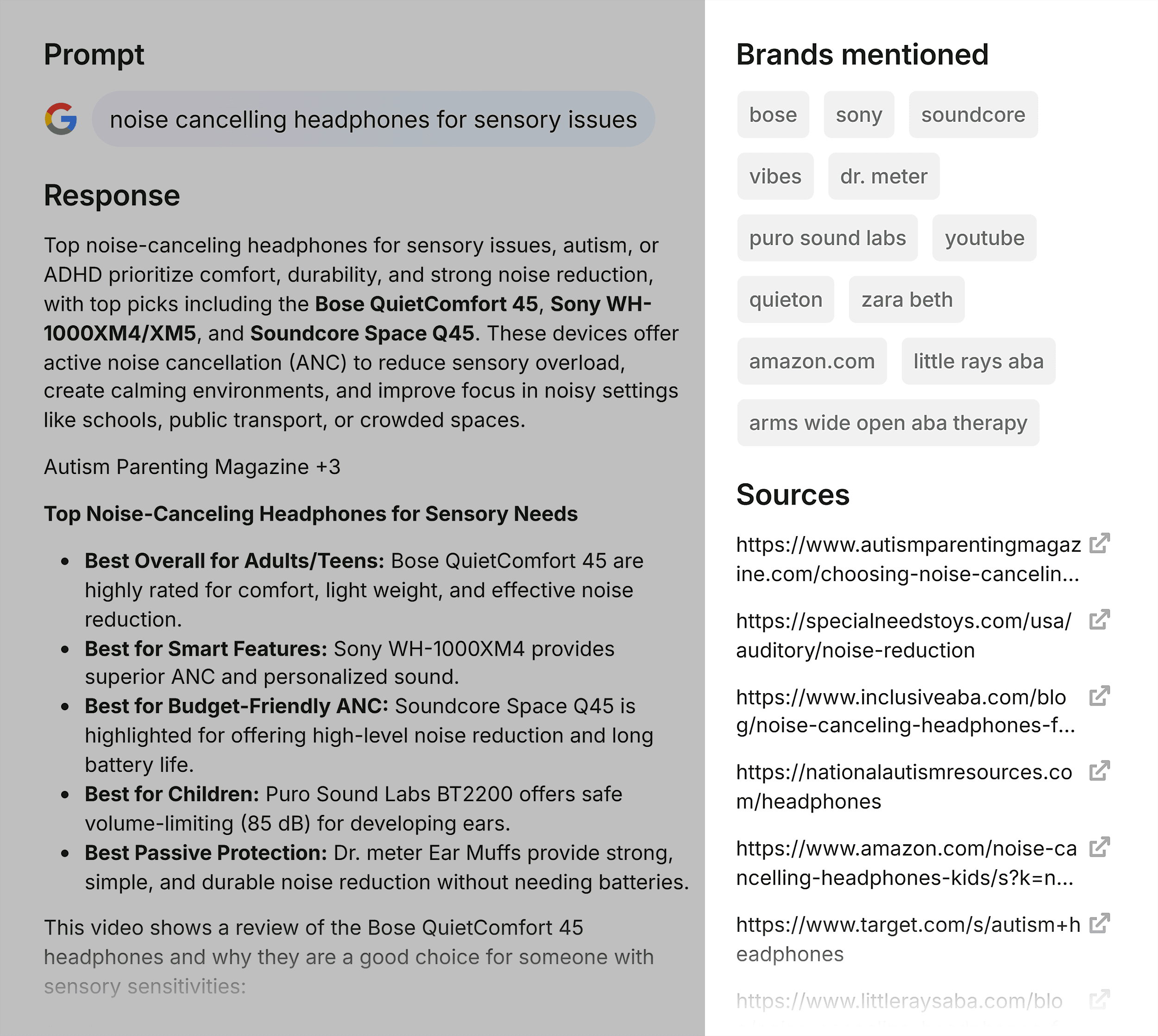
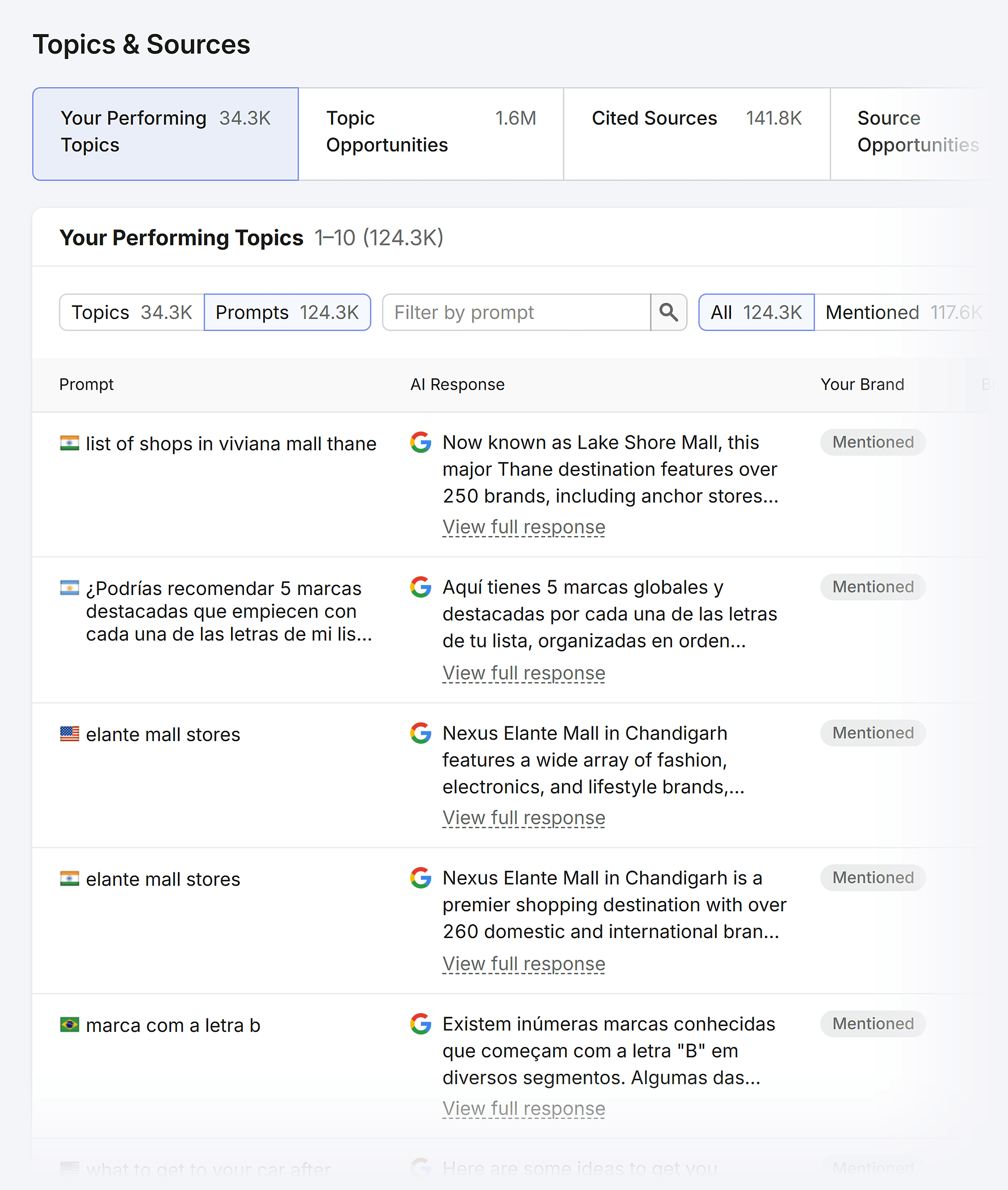
To maintain visibility and protect market share, organizations are increasingly investing in dedicated AI visibility toolkits. These platforms allow marketing teams to monitor prompt performance, track brand sentiment across multiple LLMs, and measure how frequently their domains are cited compared to industry competitors.
Ultimately, mastering query fan-out requires a fundamental mindset shift. Digital optimization is no longer just about pleasing an algorithm; it is about providing the granular, authoritative, and structurally accessible data that artificial intelligence systems require to construct accurate answers for human users. Organizations that adapt their content creation frameworks to meet these technical demands will secure a distinct competitive advantage in the next era of digital discovery.