Building a Sustainable Print-on-Demand Catalog: A Strategic Guide to Eco-Friendly Product Sourcing


The shift toward sustainable consumerism is no longer a peripheral market trend but a central pillar of the modern retail landscape. According to the PwC 2024 Voice of the Consumer survey, modern shoppers are increasingly demonstrating a willingness to pay a premium—often approaching 10%—for goods that align with environmental values. For entrepreneurs utilizing print-on-demand (POD) business models, this transition presents both a significant opportunity and a complex logistical challenge. While the demand for eco-conscious merchandise is at an all-time high, the market is currently saturated with ambiguous terminology, making it difficult for business owners to substantiate their sustainability claims.
The Evolution of Sustainable Sourcing in Print-on-Demand
The print-on-demand industry, which relies on decentralized fulfillment, has historically been criticized for its environmental footprint, particularly regarding waste and material quality. In the last five years, however, a noticeable pivot has occurred. Suppliers began implementing circular economy models around 2020, moving away from conventional cotton and virgin synthetics toward certified organic and recycled textiles.
The current market is characterized by a "transparency gap." Many suppliers categorize items as sustainable without providing verifiable evidence, such as lifecycle assessments or third-party audits. Consequently, the burden of proof has shifted to the retailer. Establishing a credible sustainable catalog now requires a rigorous, multi-step verification process, focusing on internationally recognized certifications that go beyond simple marketing labels.
Decoding Sustainability Certifications
For retailers aiming to build a brand predicated on environmental integrity, understanding the hierarchy of industry certifications is mandatory. These certifications provide a standardized language for quality and ethical compliance:
- Global Organic Textile Standard (GOTS): This is the "gold standard" for organic fibers. It covers the entire supply chain, from the harvesting of raw materials to the processing and manufacturing of the textile, ensuring both environmental and social responsibility.
- OEKO-TEX Standard 100: This certification is critical for consumer safety. It ensures that every component of an item, from the fabric to the thread and buttons, has been tested for harmful substances.
- Global Recycled Standard (GRS): GRS tracks and verifies the content of recycled materials in a final product. It is an essential tool for verifying that claims about recycled polyester or plastic-based textiles are accurate.
- Organic Content Standard (OCS): Unlike GOTS, which covers the entire processing chain, OCS focuses specifically on tracking the flow of organic materials from source to final product.
- Forest Stewardship Council (FSC): For paper-based products or packaging, FSC certification ensures the materials originated from responsibly managed forests that provide environmental, social, and economic benefits.
Strategic Product Selection: A Categorized Approach
Building a catalog that balances profitability with sustainability requires a tiered approach. Retailers should start with high-demand staples before expanding into niche lifestyle products.
The Foundation: Organic and Recycled Apparel
T-shirts remain the most accessible entry point for sustainable POD stores. Products such as the Stanley/Stella Organic Cotton T-shirt have become industry benchmarks due to their 100% organic ring-spun cotton composition. From a business perspective, these items allow for a higher price point—typically ranging from $25 to $30—which accounts for the higher wholesale cost while maintaining healthy margins.
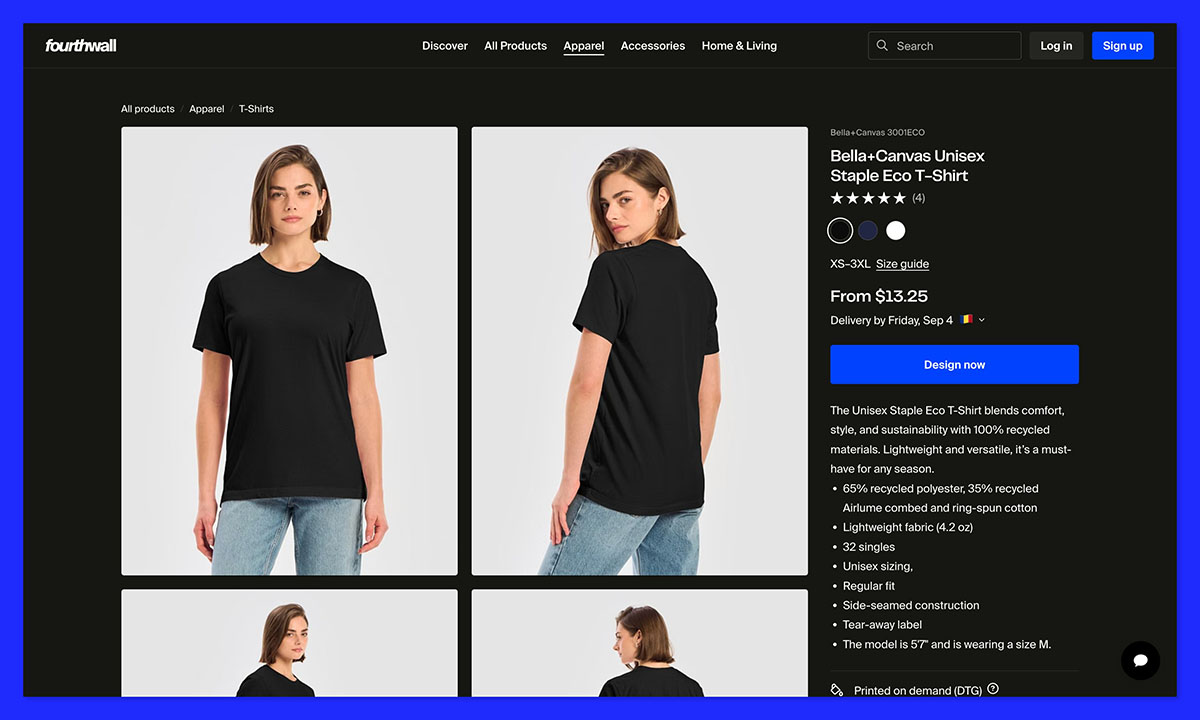
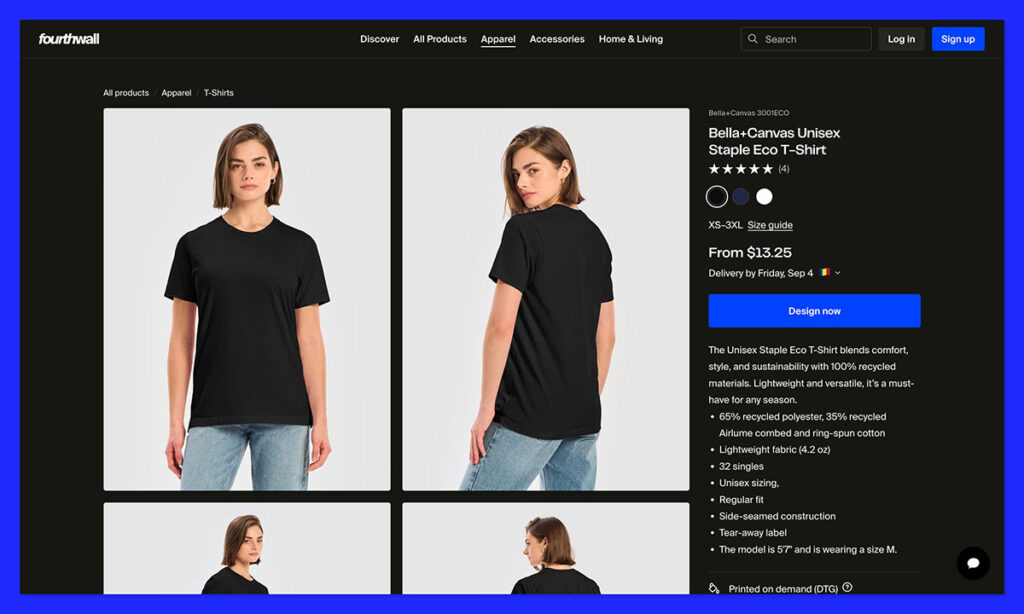
Similarly, the Bella+Canvas Unisex Staple T-shirt has gained traction by utilizing a blend of 65% recycled polyester and 35% recycled Airlume cotton. This blend addresses a key industry concern: the durability of eco-friendly fabrics. By incorporating recycled polyester, the garment retains its shape and softness through multiple wash cycles, reducing the likelihood of product returns.
Scaling to Mid-Tier Apparel: Hoodies and Sweatshirts
As a brand gains traction, expanding into mid-weight apparel like hoodies and sweatshirts is a logical progression. The Stanley/Stella Essential Eco Hoodie, composed of 85% organic cotton and 15% recycled polyester, offers a premium feel that justifies a retail price often exceeding $50. Retailers are advised to look for suppliers that offer multiple printing zones—front, back, and sleeve—to increase the perceived value of the product.
Accessories and High-Utility Goods
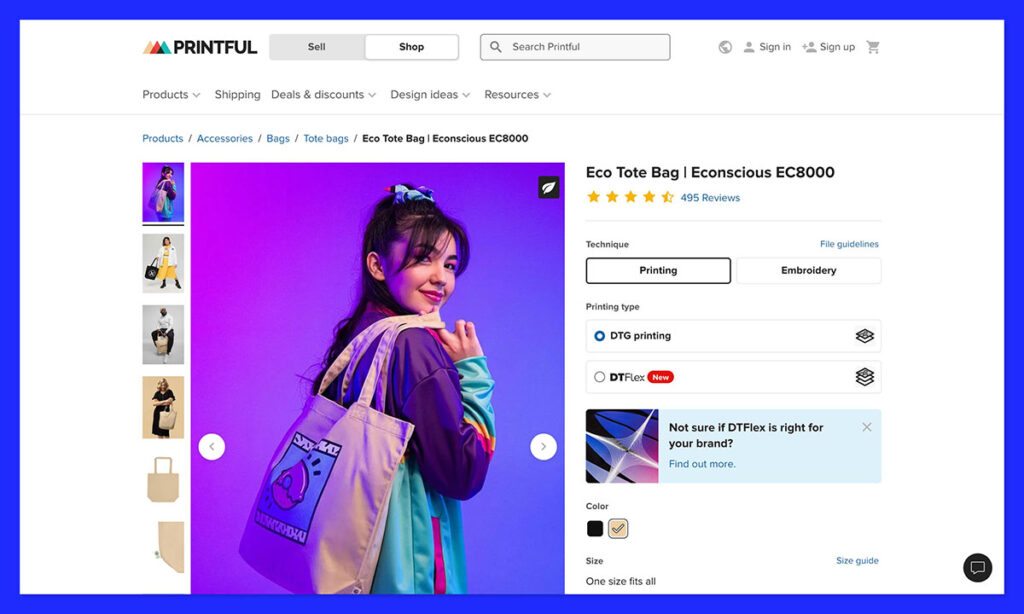
Sustainability extends beyond apparel into practical everyday items. The Econscious Organic Cotton Tote, for instance, serves as a high-value accessory. With a capacity to carry up to 30 pounds, it functions as a durable, functional replacement for single-use plastic bags. Furthermore, products like the Atlantis B50 Organic Ribbed Beanie demonstrate how retailers can cater to seasonal demand without relying on non-biodegradable synthetic fibers.
Fact-Based Analysis: The Risks of Niche Expansion
While diversifying a catalog is essential for growth, retailers must be aware of the specific lifecycle and logistical risks associated with certain product categories.
- Baby and Youth Apparel: While highly profitable due to gifting potential, this category has a rapid turnover rate. Suppliers like Babybugz offer GOTS-certified bodysuits, but retailers must ensure that the printing processes (such as the use of water-based inks) remain safe for sensitive skin.
- Tech and Lifestyle Products: Biodegradable phone cases present a unique case study in consumer expectations. While these products align with eco-conscious branding, retailers must clearly communicate the material properties. A case designed to decompose in a moist environment over a year, for example, requires specific care instructions to ensure the product remains functional for the duration of its intended use.
- Home Goods: Soy-based candles, such as those offered by various Printify-integrated suppliers, represent a significant opportunity in the wellness market. Because these candles are often hand-poured from domestically sourced soy, they appeal to consumers looking for a lower carbon footprint. However, the weight of glass containers can lead to higher shipping costs, potentially offsetting the sustainability benefits if the product is shipped over long distances.
The Path Forward: Best Practices for Retailers
The sustainability of a brand is measured by its consistency. To maintain consumer trust, retailers should adopt the following practices:
- Mandatory Sample Testing: Never launch a product without physical inspection. Assess the print quality, the durability of the seams, and the overall "hand-feel" of the textile after laundering.
- Localized Fulfillment: Utilize suppliers with decentralized networks, such as Gelato, which prioritize local production. This significantly reduces the carbon footprint associated with international shipping and shortens delivery timelines.
- Transparent Communication: If a product is made from recycled materials, explicitly state the percentage and the source. If a product contains mixed materials (e.g., cotton/polyester blends), be clear about why that mix was chosen (e.g., for added durability).
- Iterative Catalog Development: Do not attempt to launch with all twenty items at once. Start with a curated "core" collection and use sales data to identify which items resonate with the target audience.
The transition to a sustainable POD model is a long-term strategy rather than a one-time setup. As consumer expectations for transparency continue to rise, the brands that thrive will be those that prioritize verifiable quality over marketing jargon. By anchoring a catalog in certified materials and logical, high-utility products, retailers can build a business that is not only profitable but also fundamentally aligned with the environmental values of the modern shopper.