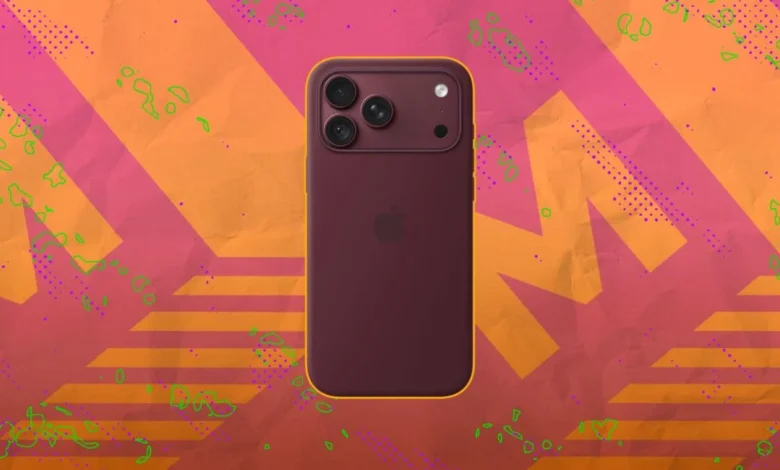
The annual September product cycle for Apple Inc. has once again captured global consumer attention, following months of extensive industry speculation, supply chain leaks, and rigorous anticipation. With the official unveiling of the iPhone 18 lineup, Apple Watch Series 12, Apple Watch Ultra 4, and the fifth-generation AirPods, technology enthusiasts and casual consumers alike have turned their focus from hardware specifications to retail acquisition strategies. As major telecommunications providers roll out their inaugural launch promotions, T-Mobile has emerged as an aggressive early contender by offering the flagship Apple iPhone 18 Pro entirely free of device cost, subject to specific contractual and eligibility parameters.
This promotion arrives at a critical juncture for both the smartphone manufacturer and the major U.S. carriers. For consumers weighing the substantial financial commitment typically associated with upgrading to premier-tier hardware, the carrier’s latest incentive offers a pathway to secure Apple’s newest innovations without bearing the full retail burden upfront. However, a comprehensive examination of the promotion reveals a structured financial commitment spanning multiple years, standard regulatory fees, and specific procedural requirements that merit detailed analysis.
The Mechanics of the T-Mobile iPhone 18 Pro Promotion
To qualify for the promotion enabling customers to acquire the iPhone 18 Pro at no device cost, subscribers must satisfy distinct criteria established by T-Mobile. The offer is structurally tied to the carrier’s premier service tiers, specifically requiring enrollment in an eligible Experience Beyond plan.
Consumers can unlock the promotional savings through two primary pathways. First, prospective buyers may switch their mobile service provider to T-Mobile while bringing their existing phone number. Alternatively, existing and new customers can maintain their current relationship by trading in a qualifying smartphone. Notably, the carrier has instituted an inclusive trade-in policy regarding the physical condition of the legacy device, accepting eligible phones in any condition—a departure from traditional trade-in frameworks that heavily penalize cracked screens, battery degradation, or cosmetic wear.
Despite the device itself being advertised as free, the financial mechanics involve a structured distribution of credits. T-Mobile applies the full promotional savings as monthly bill credits spread evenly across a 36-month installment plan. This mechanism effectively locks the consumer into a three-year service agreement with the carrier. Should a customer decide to terminate their service or pay off the remaining device balance early, the remaining promotional bill credits are forfeited, making the agreement a long-term binding commitment rather than a short-term discount.
In addition to the multi-year service commitment, consumers participating in the offer must account for certain upfront costs that are not covered by the promotional credits. T-Mobile requires buyers to pay the local sales tax on the full retail value of the iPhone 18 Pro at the point of sale. Furthermore, a standard device connection fee of $35 per line is assessed during the checkout process. These baseline expenditures ensure that even with a zero-dollar device cost, upgrading requires immediate out-of-pocket capital.
Background Context and Chronology of the Apple Event
The release of the iPhone 18 series is the culmination of a tightly choreographed annual cycle that begins months ahead of the official public announcement. The chronology of the 2026 hardware launch cycle underscores how anticipation is deliberately cultivated within the consumer technology sector.
Beginning in the late spring of 2026, industry analysts and supply chain observers began releasing preliminary reports detailing projected manufacturing milestones, component orders, and anticipated architectural shifts for Apple’s next-generation devices. By August 2026, the volume of leaks concerning the iPhone 18 Pro max, camera system enhancements, display technologies, and processing capabilities reached a peak, driving consumer interest and setting high expectations for the company’s autumn keynote event.
In mid-September 2026, Apple officially hosted its landmark product launch event at Apple Park in Cupertino, California. Chief Executive Officer Tim Cook and other executive team members formally introduced the iPhone 18 lineup, detailing the technological advancements integrated into the Pro and Pro Max models. Alongside the smartphones, the presentation highlighted the iterative improvements in the Apple Watch Series 12 and Apple Watch Ultra 4, as well as the acoustic and design upgrades featured in the fifth-generation AirPods.
Following the keynote, pre-orders commenced immediately, initiating a competitive race among major telecommunications companies—including Verizon, AT&T, and T-Mobile—to capture high-value subscribers through aggressive promotional subsidies. Within days of the hardware release, retail analytics firms began tracking consumer demand, noting a pronounced shift in consumer preference toward the Pro-tier models due to their advanced photographic capabilities and processing longevity.
Broader Impact and Industry Implications
The aggressive subsidization strategies deployed by carriers like T-Mobile reflect broader competitive pressures within the North American telecommunications market. With market penetration for smartphones nearing saturation, carriers rely heavily on device-centric promotions to incentivize subscriber migration, encourage migration to higher-margin unlimited data plans, and reduce customer churn.
Offering a device as expensive as the iPhone 18 Pro at no direct hardware cost represents a calculated risk for network operators. By tying the subsidy to a 36-month service agreement on an Experience Beyond plan, T-Mobile secures predictable, long-term recurring revenue from the customer. This financial model effectively shifts the cost of consumer acquisition into a multi-year amortization schedule, balancing the immediate revenue sacrifice of the hardware against sustained monthly service fees.
For Apple, carrier subsidies play an essential role in sustaining sales volumes for its highest-priced hardware tiers. As global macroeconomic pressures influence consumer discretionary spending, multi-year carrier financing and promotional write-downs mitigate the psychological and financial barrier of a four-figure retail price tag. This symbiotic relationship between hardware manufacturers and network operators ensures robust initial adoption rates for newly introduced technologies, driving ecosystem retention across services, wearables, and peripheral devices.
As the retail landscape evolves past the initial launch weekend, industry observers will monitor whether competing carriers respond with enhanced trade-in valuations or alternative promotional structures. For the consumer, navigating these offers requires careful consideration of long-term contract obligations versus the immediate appeal of zero-dollar hardware acquisition.