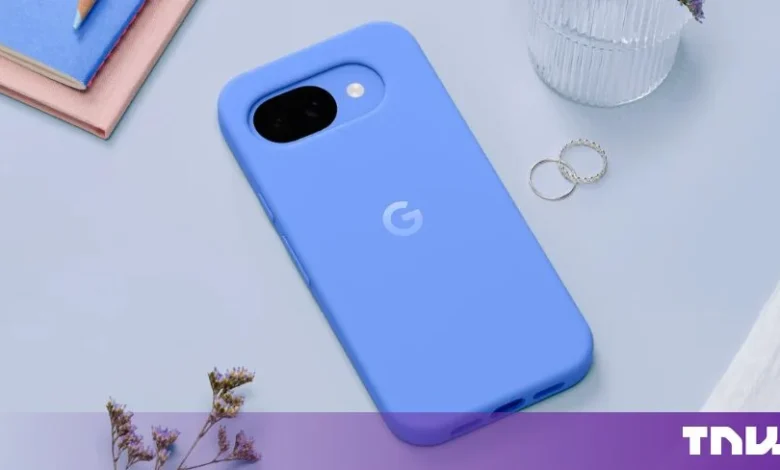
The landscape of consumer electronics is undergoing a seismic shift as the era of stable, predictable smartphone pricing comes to an abrupt end. In an unprecedented move, Google has officially increased the retail price of the Pixel 10a by $100, bringing the base 128GB model to $599 and the 256GB variant to $699. This adjustment, which takes effect seven months after the device’s initial market debut, marks a significant departure from standard industry practices, where hardware typically depreciates rather than appreciates over time. The change is now reflected across primary retail channels, including the official Google Store, Amazon, and Best Buy.
This mid-cycle price hike is not an isolated incident but a symptom of a systemic crisis within the semiconductor and memory industries. As Google navigates these economic headwinds, the move signals that the tech giant is no longer willing to absorb the rapidly escalating costs of Dynamic Random Access Memory (DRAM), a component that has become the primary driver of device manufacturing overhead in the age of generative artificial intelligence.
A Chronology of the Memory Crisis
The roots of the current pricing instability can be traced back to the early months of 2026, when supply chains began to buckle under the immense pressure of global AI development. As data centers and high-performance computing clusters prioritized the procurement of high-bandwidth memory (HBM) and advanced DDR5 modules, the supply available for consumer-grade smartphones dwindled.
- July 2026: Shakil Barkat, a Google vice president, provided a rare glimpse into the firm’s supply chain vulnerabilities. Citing data from Morgan Stanley, Barkat revealed that the cost of RAM had ballooned from a stable $2.80 per gigabyte to a staggering $12 per gigabyte.
- August 2026: The launch of the Pixel 11 set a new industry benchmark for pricing, debuting at $899—a $100 increase over its predecessor. This launch served as a bellwether for the rest of the market.
- September 2026: Retailers, including Currys, publicly acknowledged that their existing inventory buffers were nearing depletion. Former CEO Alex Baldock had warned earlier in the summer that the grace period of stable pricing for electronics would likely expire by the end of September.
- October 2026: The industry-wide repricing trend solidified. Following Apple’s decision to increase prices on its legacy iPhone lineup alongside the debut of the iPhone 18 Pro, and Samsung’s move to raise prices across the Galaxy S26 series, Google finalized the repricing of the seven-month-old Pixel 10a.
The Economics of the Component Shortage
The primary catalyst for these price hikes is the disproportionate rise in the cost of memory. Historically, memory accounted for approximately 15% of the total bill of materials (BOM) for a mid-range smartphone. Today, that figure has surged to nearly 50% for many budget-oriented Android devices. The supply-demand imbalance is further exacerbated by the extreme volatility in the DDR5 market, where prices in key manufacturing hubs like Germany have seen year-over-year increases exceeding 400%.
The situation has created a "perfect storm" for manufacturers of budget-friendly hardware. The Pixel 10a, which utilizes the Tensor G4 processor, represents a significant engineering challenge. Because the G4 is now two generations behind the silicon powering the flagship Pixel 11, the device relies heavily on software optimization and memory management to maintain performance parity. When the cost of the hardware required to keep this older architecture competitive rises by over 300%, the profit margins for the device evaporate entirely, leaving manufacturers with two choices: discontinue the product or pass the costs to the consumer.
Corporate Strategies and Mitigation Efforts
Google’s response to this crisis has been multi-faceted. Beyond simple price adjustments, the company has begun a concerted effort to reduce its reliance on high-capacity memory modules. Most notably, the Pixel 11 Pro saw a reduction in base memory, dropping from 16GB to 12GB for the 256GB storage tier. This strategic "de-speccing" is designed to lower the BOM and preserve the flagship’s price point, though it carries risks regarding perceived value.
Furthermore, Google’s software division is currently undergoing a massive overhaul of the Android operating system. Engineers are actively working to optimize the platform to require less volatile memory for background processes and AI-driven features. This "lean" approach to software development is a direct acknowledgment that the hardware-heavy era of smartphone design is hitting a physical and economic wall.
Other industry players have taken different, yet equally drastic, measures. In June, Nothing, the consumer electronics company known for its design-first approach, opted to cancel a planned budget smartphone model entirely. The leadership concluded that launching a device that failed to offer a meaningful generational improvement—due to the cost-cutting measures required by the memory crunch—would be detrimental to their brand equity. Google’s decision to retain the Pixel 10a at a higher price point is essentially a bet that the consumer’s need for a reliable, mid-tier smartphone outweighs the psychological barrier of an increased retail price.
Global Disparities and the European Outlook
While the price hike has been confirmed for the North American market, the situation remains opaque for European consumers. Major retailers, such as the Currys group, which operates across the UK, Ireland, and the Nordic regions, have yet to issue a definitive statement regarding a uniform price increase.
The complexity of the European market, which includes varying import tariffs, localized VAT, and different regional distribution agreements, has likely delayed a blanket announcement. However, industry analysts suggest that it is only a matter of time before these costs are passed on to the consumer. The logistical warnings provided by Currys executives in July remain highly relevant; the "stockpile security" that previously shielded European consumers is now largely exhausted.
Implications for the Future of Mobile Hardware
The repricing of the Pixel 10a is a definitive marker that the smartphone industry has moved into a high-cost, high-maintenance phase. The era of the "inexpensive" flagship killer is effectively over. For consumers, this means the value proposition of a phone is shifting. In the past, hardware specs were the primary metric of value; in the future, efficiency and long-term software support will likely become the primary selling points as raw hardware becomes increasingly expensive to produce.
The broader implication is that the democratization of high-end mobile technology is slowing down. As AI features become standard, the demand for memory will continue to outstrip supply, and companies will be forced to choose between shrinking margins or higher prices. The Pixel 10a price hike serves as a warning to the market: when the fundamental building blocks of technology become scarce, the consumer bears the burden of the shortfall.
As the industry moves into the final quarter of the year, all eyes will be on whether these price increases dampen demand. If consumers balk at paying $599 for a two-year-old chip architecture, manufacturers may be forced to rethink their product cycles, potentially extending the lifespan of devices even further or shifting focus toward cloud-based computing to offload the burden from local device memory. For now, the move by Google, Apple, and Samsung confirms that the cost of the memory-intensive AI revolution is being transferred directly to the end-user, fundamentally altering the economics of the smartphone market for the foreseeable future.
Related posts: