Navigating the Trust Recession: Why Authenticity is the Ultimate Currency for Social Media Brands in 2026

The modern digital landscape is facing a profound cultural shift, defined increasingly by skepticism, artificial noise, and a growing skepticism toward traditional corporate messaging. According to comprehensive data released in Sprout Social’s Q3 2026 Pulse Survey, authenticity has firmly established itself as the single most critical brand characteristic on social media platforms. Yet, as digital feeds become saturated with synthetic media and hyper-polished advertisements, audiences are growing progressively wary of what they consume. This expanding gap between brand promises and consumer perception has ushered in what industry analysts describe as a "trust recession," forcing organizations to fundamentally overhaul how they engage with digital communities.
The Anatomy of the 2026 Trust Recession
To understand the current state of consumer trust, one must look at the trajectory of digital reliance over the past several years. Platforms that were once viewed purely as spaces for personal connection have evolved into primary search engines and marketplaces. Consumers routinely turn to social channels to read breaking news, research high-ticket products, and establish direct lines of communication with corporations.
However, this high dependency is counterbalanced by rising apprehension. Sprout’s Q1 2026 Pulse Survey revealed a startling statistic: 35% of social media users trust these platforms significantly less than they did just one year prior. This erosion of confidence is heavily exacerbated by the rapid proliferation of generative artificial intelligence. As AI-generated text, imagery, and video flood digital ecosystems, distinguishing between genuine human experiences and manufactured corporate narratives has become a monumental challenge for the average consumer.

This reality was a central theme of Sprout Social’s midyear reality check webinar, aptly titled "Be So FR" (Be So For Real). Industry experts during the session underscored that surviving this trust recession requires brands to abandon elusive corporate speak in favor of radical transparency. Organizations must visibly demonstrate who is behind their content and maintain rigorous accountability when customers encounter friction or voice grievances.
The Shift from Website-First to Social-First Discovery
Historically, a consumer’s journey began with a direct visit to a corporate website. Today, that paradigm has shifted entirely. Modern consumers frequently encounter a brand for the first time through a peer’s review, a trending short-form video, or a comment section debate. They cross-reference customer experiences, analyze community feedback, and evaluate responsiveness long before ever interacting with an official corporate domain.
This decentralized discovery process means that brand reputation is continuously adjudicated in public forums. According to Sprout’s Q2 2026 Pulse Survey, when a corporate crisis or product failure occurs, consumers overwhelmingly learn about the event first through social media channels rather than traditional news outlets or press releases. Furthermore, 64% of surveyed consumers assert that it is essential for brands to issue public responses directly on social media, dismissing static website statements as inadequate or evasive.
The implications for crisis management and public relations are profound. Organizations that attempt to bury negative feedback or respond with automated corporate boilerplate risk alienating their base entirely. Swift, transparent, and empathetic communication is no longer optional; it is the primary defense against catastrophic brand erosion.
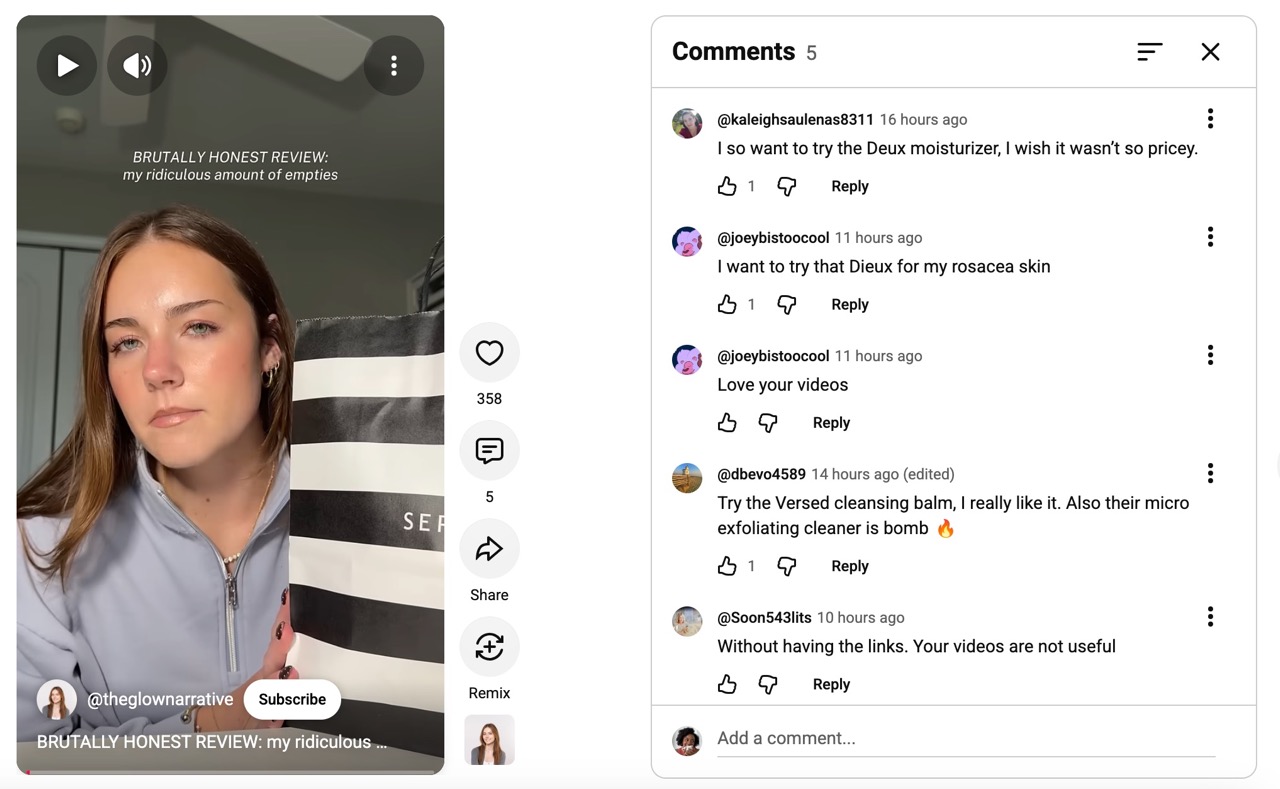
Quantifying the Four Pillars of Brand Trust
Building resilient audience confidence is not an overnight endeavor; it requires rigorous, day-to-day execution across four foundational pillars: consistency, responsiveness, transparency, and proof. When executed correctly, these pillars act as vital growth levers, transforming casual followers into fiercely loyal brand advocates. Conversely, their neglect serves as a direct trust breaker.
+------------------+---------------------------------------------------+---------------------------------------------------+
| Trust Builder    | Positive Behavioral Execution                     | Common Trust-Breaking Behaviors                   |
+------------------+---------------------------------------------------+---------------------------------------------------+
| Consistency      | Maintaining a recognizable voice and aligning     | Chasing fleeting trends that clash with core      |
|                  | public statements with internal corporate values. | identity; making unfulfilled operational promises.|
+------------------+---------------------------------------------------+---------------------------------------------------+
| Responsiveness   | Acknowledging inquiries promptly and providing    | Ignoring consumer complaints or deploying generic,|
|                  | actionable, practical solutions.                  | unhelpful automated replies.                      |
+------------------+---------------------------------------------------+---------------------------------------------------+
| Transparency     | Clearly disclosing AI usage, paid sponsorships,   | Hiding commercial relationships, masking AI-      |
|                  | and acknowledging operational mistakes.           | generated assets as human stories.                |
+------------------+---------------------------------------------------+---------------------------------------------------+
| Proof            | Highlighting verified customer reviews, expert    | Relying on unsubstantiated marketing claims or    |
|                  | employee insights, and credible creator reviews.  | unverified celebrity endorsements.                |
+------------------+---------------------------------------------------+---------------------------------------------------+
1. Consistency
Consistency extends far beyond maintaining a regular posting schedule. It requires a unified brand voice that remains steady across everyday marketing campaigns, product launches, and high-stress crisis scenarios. If a company publicly champions customer service excellence, its digital response times and tone must reflect that commitment universally.
2. Responsiveness
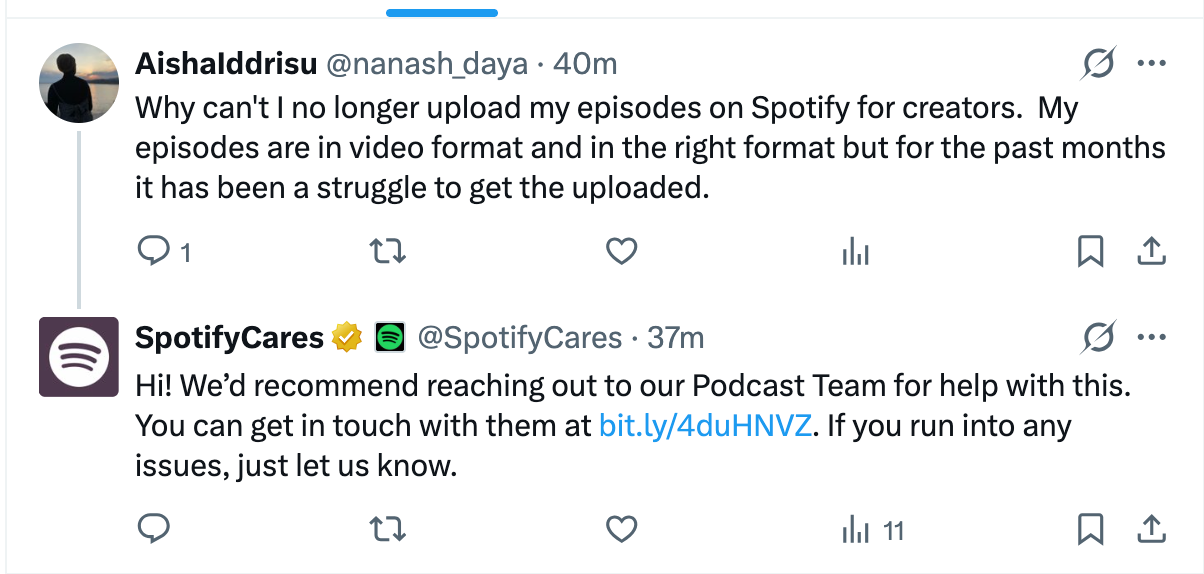
Speed and utility are paramount when engaging modern audiences. Data from Sprout’s Q3 Pulse Survey indicates that 38% of consumers expect a customer care response within two hours, with 14% demanding acknowledgement within mere minutes. Leading brands model this standard successfully; for instance, corporate support handles like SpotifyCares routinely resolve creator upload complications within minutes on platforms like X, seamlessly bridging the gap between technical hurdles and human resolution.
3. Transparency
Transparency requires radical honesty regarding content generation and commercial partnerships. With 28% of consumers stating they want brands to stop posting unlabeled AI-generated content, digital marketers must clearly disclose synthetic assets. Human oversight is mandatory to verify factual accuracy before publication, ensuring that technological efficiency does not compromise factual integrity.
4. Proof
In the hierarchy of credibility, everyday consumers reign supreme. Sprout’s Q2 data highlights that 57% of users trust everyday peers above corporate executives, traditional experts, or mega-influencers. Consequently, integrating genuine customer testimonials and frontline employee insights provides the tangible proof necessary to validate product claims.
Strategic Implementation: Five Steps to Cultivate Trust
To operationalize these principles, modern marketing teams must move beyond passive observation and adopt structured, proactive strategies.
Step 1: Strip Away Corporate Jargon
Consumers are actively rejecting sanitized marketing language. Sprout’s research reveals that 26% of audiences want brands to sound less corporate, while 24% want them to be decidedly less salesy. Teams should audit their recent content libraries, removing stock promotional phrases and replacing them with straightforward, valuable information regarding product utility and manufacturing realities.
Step 2: Implement Advanced Social Listening
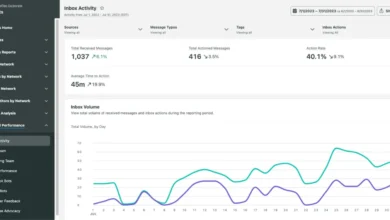
Effective trust-building begins with active listening. Brands must utilize sophisticated social listening tools—such as Sprout Social Listening dashboards—to monitor broader industry conversations, competitor sentiment, and emerging consumer frustrations. By tracking sentiment trends over time, organizations can identify unmet market needs and adapt their operational strategies accordingly, closing the loop by publicly acknowledging how community feedback shaped corporate decisions.

Step 3: Vet Influencer Partnerships Rigorously
The era of chasing vanity metrics like follower counts is effectively over. According to Sprout’s 2026 Influencer Marketing Report, 47% of consumers evaluate a creator based on their topical expertise and relevance, compared to just 17% who care about follower size. Brands must carefully vet potential partners for content quality, historical disclosure habits, and past responses to criticism, utilizing specialized tools like automated Creator Hubs to maintain brand safety.
Step 4: Empower Customer and Employee Advocates
Amplifying user-generated content validates real-world product experiences while honoring community contributions. Simultaneously, frontline employees represent an untapped well of authenticity. With 46% of consumers expressing a desire to hear directly from everyday employees, organizations should empower internal teams to share expertise. Notably, 61% of consumers believe employees should receive supplementary compensation for promoting their company socially, emphasizing the need for ethical employee advocacy programs.
Step 5: Foster Community Over Audience
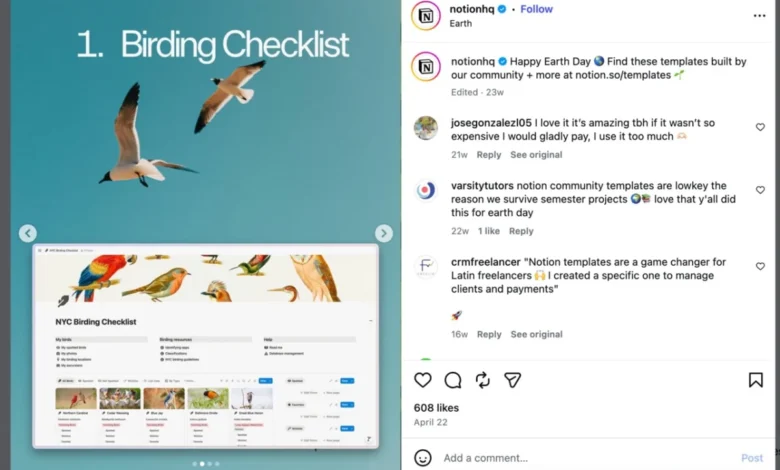
True brand loyalty is built when consumers feel connected not just to a company, but to one another. Successful brands cultivate spaces where users can exchange advice, share custom resources, and collaborate on creative projects. Initiatives such as community-built templates or regular interactive Q&A sessions transform a passive audience into an engaged, self-sustaining community.
Broader Implications and Outlook for the Digital Economy
The overarching message of the 2026 data is clear: trust is no longer a peripheral marketing metric; it is the core driver of sustainable commercial growth. As digital platforms continue to evolve under the influence of advanced automation and changing consumer expectations, organizations that prioritize radical transparency, rapid responsiveness, and genuine human connection will outperform competitors. Brands must continuously evaluate every digital touchpoint, ensuring that every piece of content published and every customer inquiry resolved actively reinforces confidence, resilience, and long-term value.