Navigating the Blind Spot: Why Modern Brands Must Adopt LLM Prompt Tracking to Survive AI Discovery


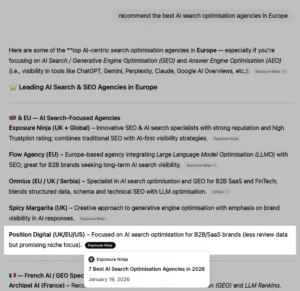
As artificial intelligence continues to fundamentally reshape how consumers and enterprise buyers discover products, businesses face a stark and rapidly emerging marketing reality: ranking #1 on traditional search engine results pages no longer guarantees visibility. While a company may dominate standard search terms, it can remain entirely invisible within the conversational dialogue happening between prospective clients and large language models (LLMs). This widening visibility gap has given rise to a critical new discipline known as prompt tracking, or LLM visibility tracking, which monitors how brands are represented, cited, or omitted within generative AI answers over time.
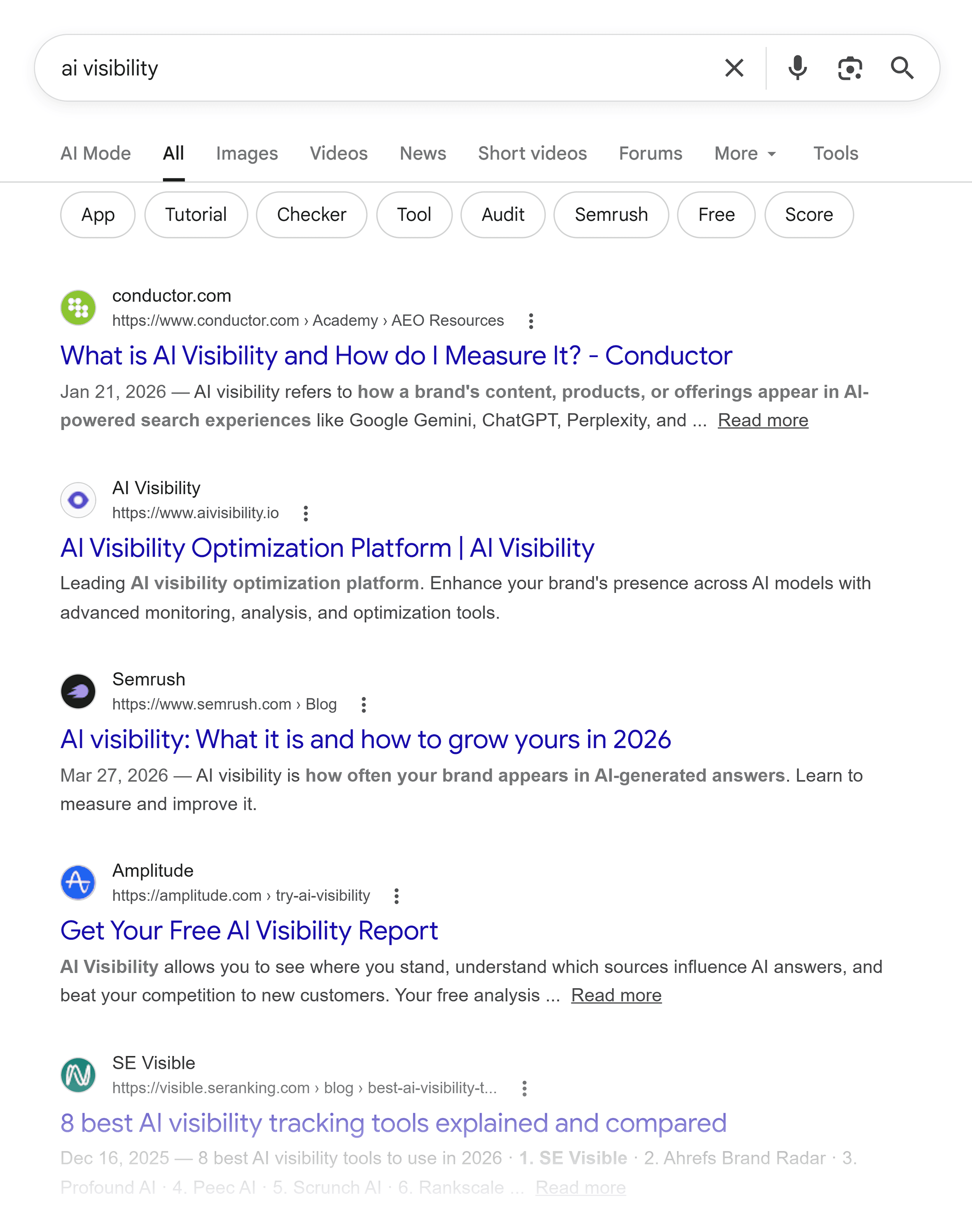
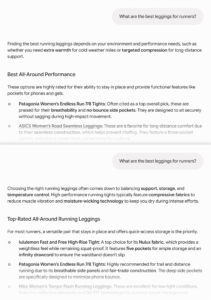
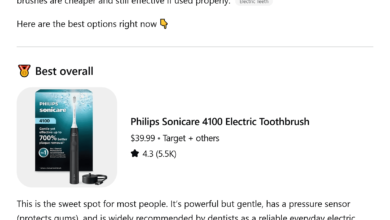
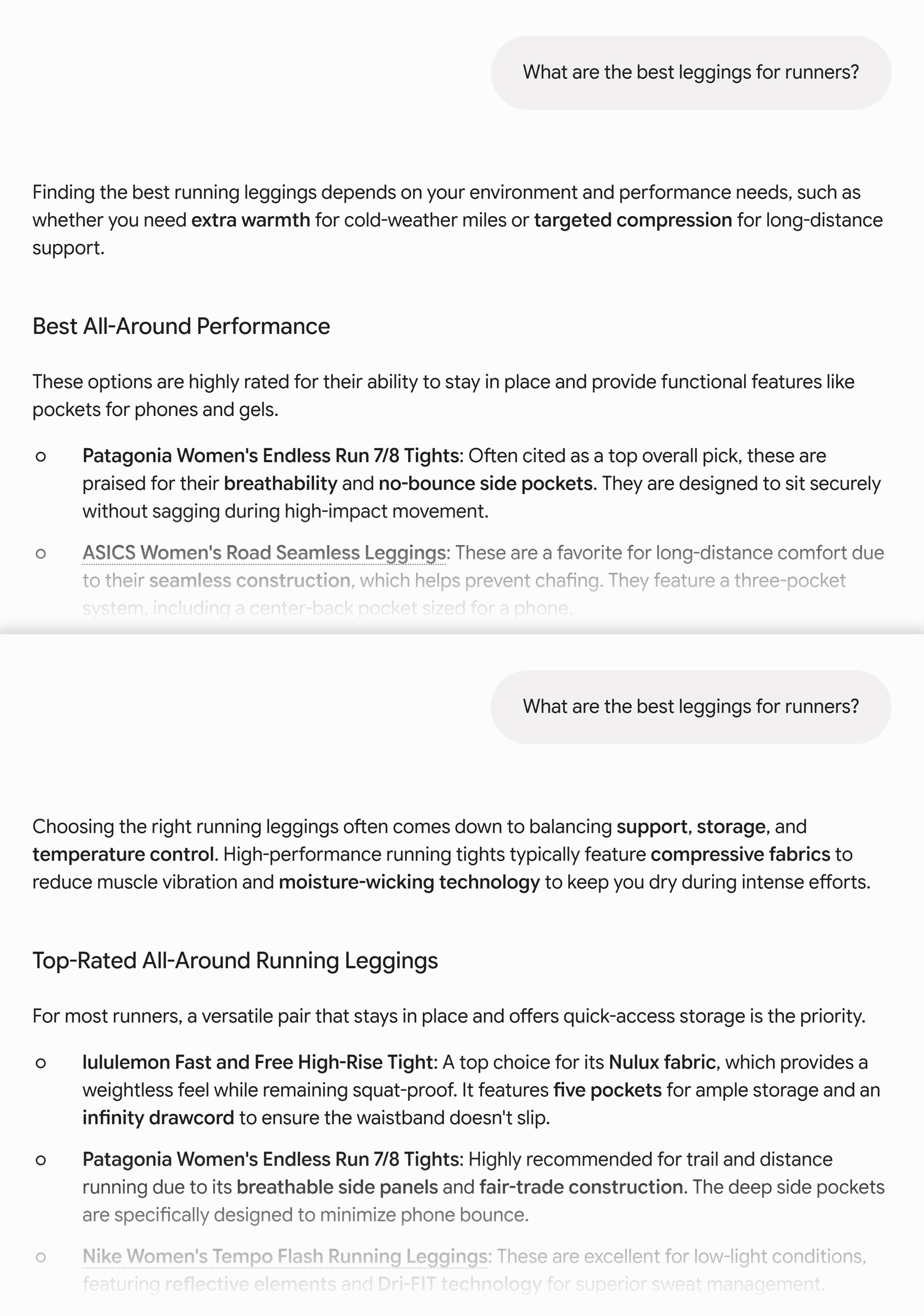
To understand the scale of this paradigm shift, one must examine the fundamental mechanics of modern information retrieval. Traditional search engine optimization (SERP) relies on indexed URLs, keyword matching, and static rankings, allowing a webmaster to track precise positions on a list of ten blue links. Conversely, LLMs function non-deterministically. When a user asks a complex, multi-layered question about a product category, an LLM synthesizes vast datasets to generate a unique response tailored dynamically to the context of the conversation. Asking the exact same prompt twice can yield two entirely different brand recommendations. Consequently, achieving a top slot matters far less than ensuring that an AI engine consistently conveys accurate, positive information to the appropriate audience across multiple interactions.
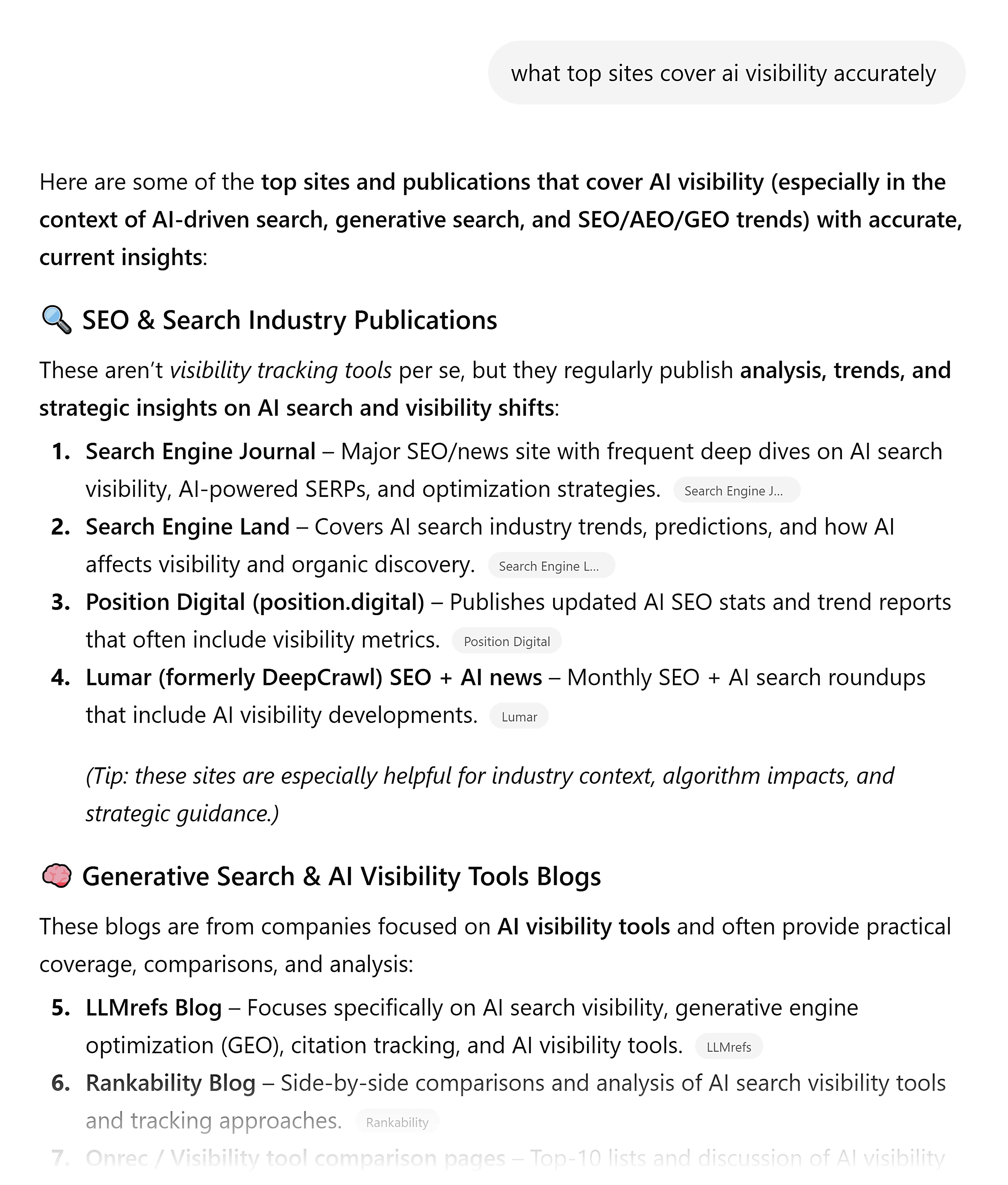
Market adoption metrics underscore why brands can no longer afford to ignore this channel. Industry surveys indicate that a majority of internet users now rely on AI as a primary or frequent research mechanism, with roughly one-third leveraging these tools explicitly for product recommendations. Furthermore, B2B software research reports reveal that an overwhelming majority of enterprise buyers utilize AI chatbots during their preliminary evaluation phases. For local businesses or localized service providers, this transition may happen gradually. However, for digital-first enterprises, software-as-a-service (SaaS) providers, and e-commerce platforms competing in crowded markets, failing to appear in conversational AI responses represents a direct and quantifiable loss of revenue.
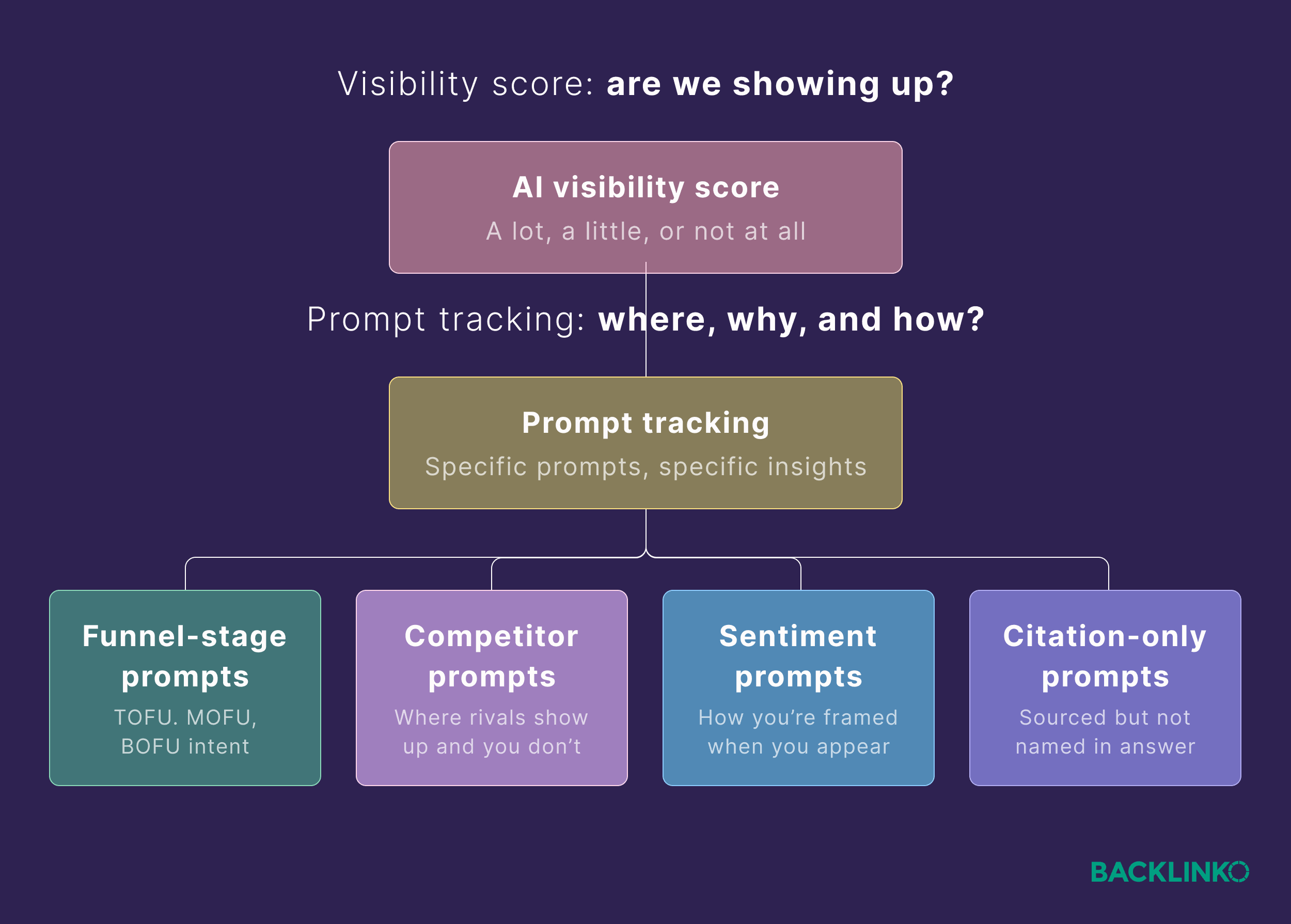
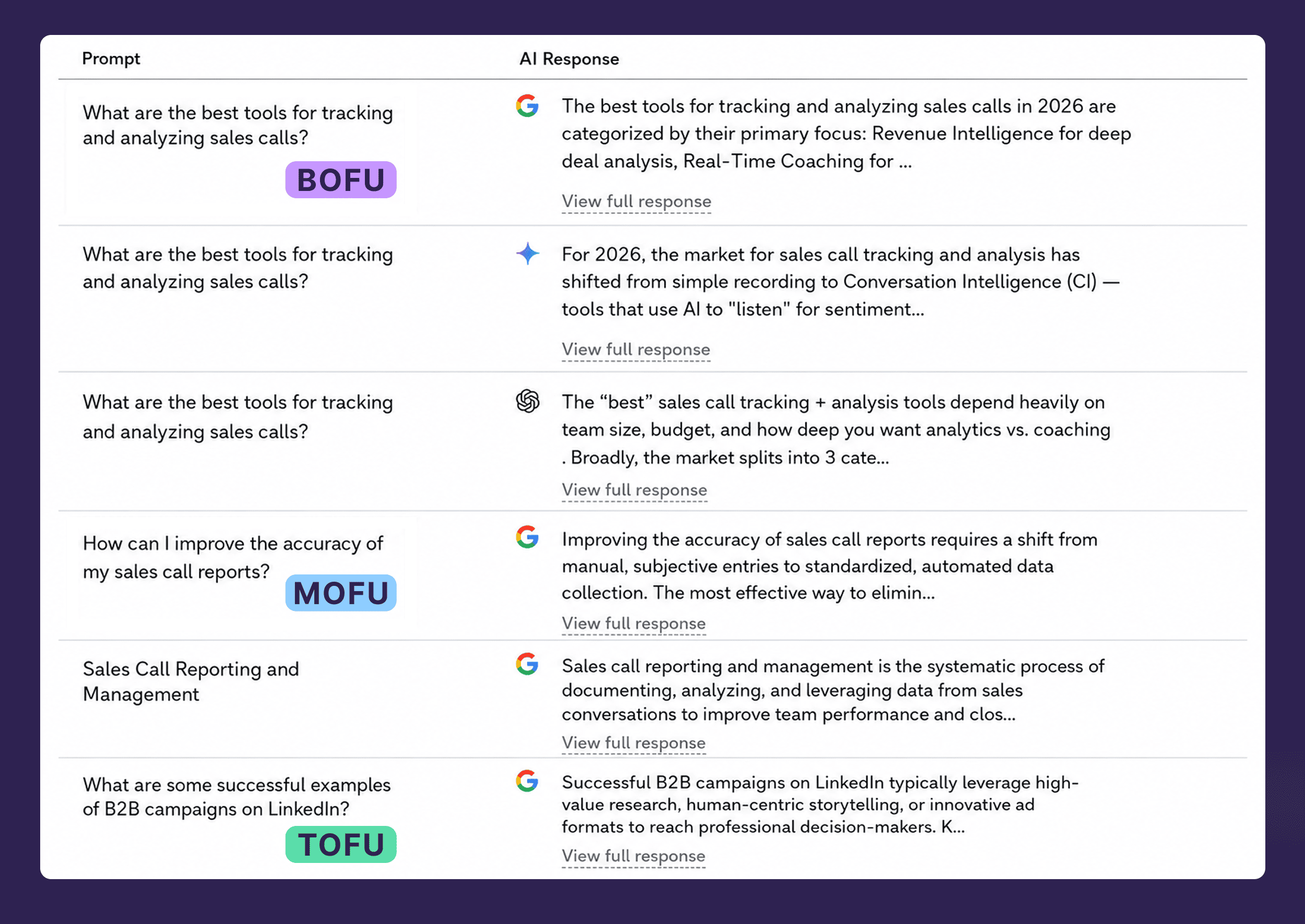
The operational architecture of prompt tracking differs significantly from legacy analytics. Because AI responses fluctuate due to continuous model updates, training data biases, and varying contextual parameters, tracking a single prompt for a single week yields negligible value. Industry experts emphasize that meaningful optimization requires longitudinal data collection—observing visibility trends across a structured portfolio of prompts over four consecutive weeks or more. Brands typically categorize these tracked prompts into four essential groups: evaluation prompts that seek product recommendations within a category, comparison prompts that contrast a brand against specific competitors, reputation prompts that question pricing or user satisfaction, and gap prompts that identify high-value consumer queries where the brand currently fails to appear.
Building a comprehensive prompt set requires mapping queries to specific consumer intent, product use cases, and buying stages. Sophisticated marketing teams often implement structured methodologies, such as mapping customer "jobs to be done" against specific product constraints—like searching for project management software that integrates seamlessly with enterprise security protocols. By extracting keyword modifier data from established market research platforms and filtering out low-intent or irrelevant queries, businesses can establish a rigorous baseline of 20 to 30 core prompts spread across multiple generative platforms, including ChatGPT, Google Gemini, Anthropic’s Claude, and Perplexity.
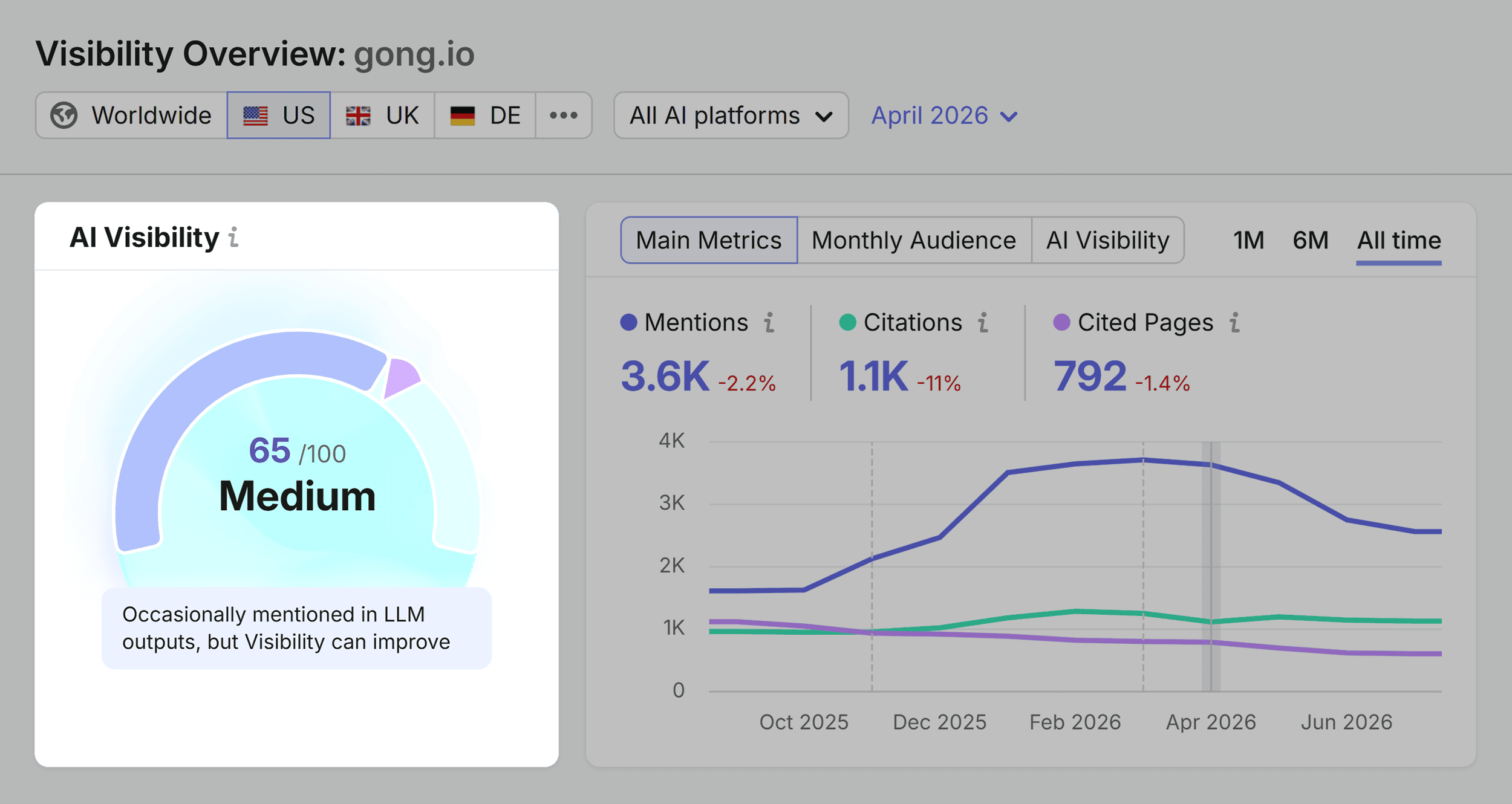
Analyzing the resulting data reveals distinct strategic signals that demand specific operational responses. A sustained upward trajectory in prompt visibility typically validates ongoing content creation and digital public relations campaigns. Conversely, a prolonged decline signals that competitors are capturing market share or that foundational brand documentation has become outdated. A particularly treacherous phenomenon known within the industry as "ghost ranking" occurs when a brand’s documentation is cited in the AI’s reference panel, yet the model ultimately recommends a competitor in the primary text. Resolving ghost ranking requires an intensive audit of third-party review sites, industry listicles, and digital forums, as LLMs frequently anchor their recommendations in trusted external domains rather than direct corporate websites.
Industry analysts note that prompt tracking should not be treated as a static scoreboard, but rather as a directional compass for modern digital strategy. As consumer behavior permanently shifts toward conversational search and agentic discovery, the ability to monitor, audit, and systematically influence AI visibility will separate market leaders from invisible brands. Organizations that invest in structured prompt monitoring today will successfully safeguard their digital presence, ensuring their value proposition remains front and center as the global economy transitions deeper into the age of artificial intelligence.