Meta Unveils Major Updates to Edits App and Instagram Reels Featuring Reference Tools and Series Changes

Meta continues to aggressively expand its ecosystem for digital content creators, announcing a comprehensive suite of updates for its dedicated video editing application, Edits, alongside powerful new creation tools within the main Instagram platform. As competition among short-form video platforms intensifies across the global digital media landscape, Meta is striving to provide creators with advanced editing capabilities, deeper data analytics, and streamlined production workflows. These latest deployments are designed to optimize how creators conceptualize, produce, and iterate upon short-form video content, giving them granular control over both their aesthetic choices and their audience engagement strategies.
At the same time, Meta is actively refining its product roadmap by retiring recently introduced features that no longer align with its long-term video strategy. Notably, the company is phasing out its Reels series-linking capability just months after its initial rollout, signaling a potential shift in how Instagram plans to handle extended narrative formats and longer-form video consumption. Together, these updates highlight Meta’s ongoing balancing act between offering robust, granular editing tools and simplifying the overall user experience for both creators and consumers.
New Creative and Analytical Capabilities in the Edits App
The centerpiece of Meta’s latest software update focuses heavily on the Edits app, the company’s standalone video production tool built specifically to cater to the demands of modern digital creators. Among the most notable additions are clickable audio links, custom style kits, expanded visual effects, and advanced audience insights.
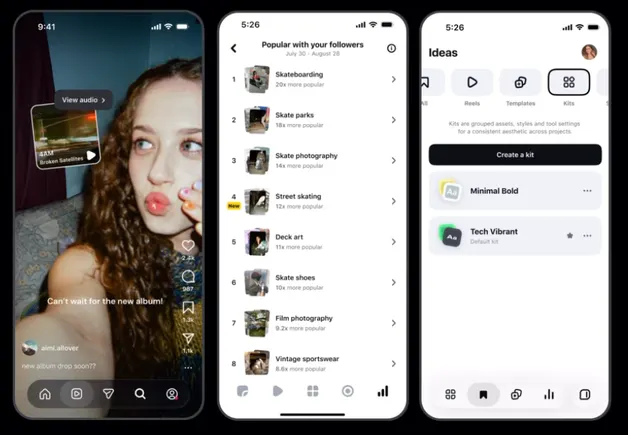
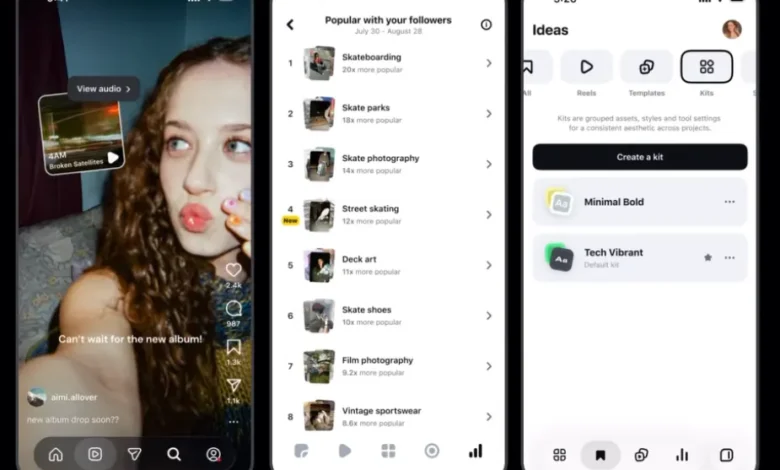
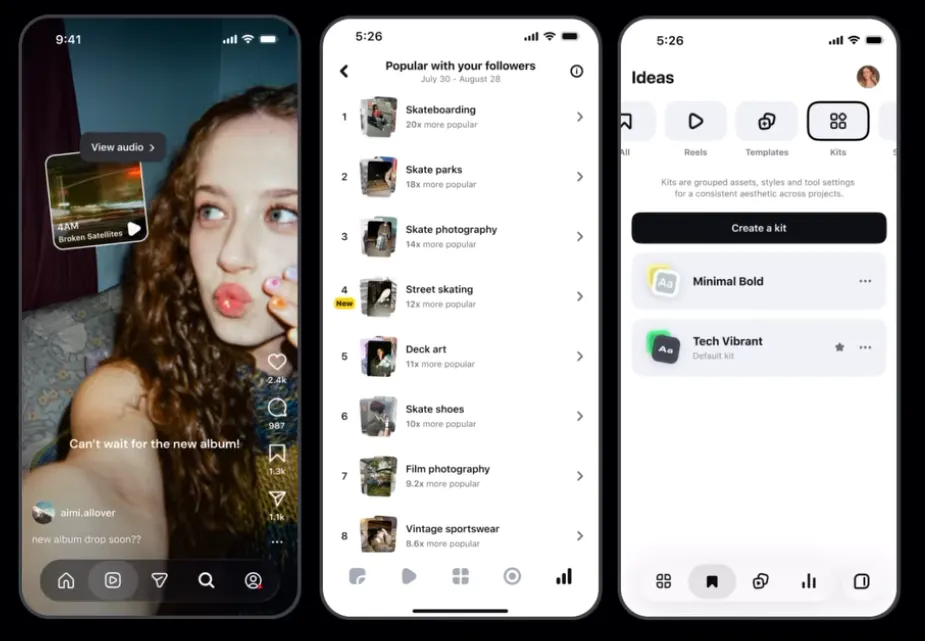
Audio links now allow creators to embed direct, tappable links to specific songs, tracks, and original sounds directly within their Reels. When viewers encounter these videos in their feeds, they can easily tap the audio link to explore the origin of the sound, view other videos utilizing the same track, or save the audio for their own future projects. This feature fosters a more interconnected ecosystem of audio discovery, mirroring community-building mechanics that have historically driven viral engagement on rival platforms.
Furthermore, Meta has introduced a "Kits" feature, addressing a long-standing workflow bottleneck for high-volume creators. Kits allow users to save specific visual style elements—including distinct color grading, filter combinations, text overlays, and transition sets—into a dedicated, reusable group. Rather than manually replicating complex edits across multiple posts, creators can now apply their custom kits with a single tap, ensuring brand consistency and saving valuable production time.
To help creators optimize their output, Meta has also integrated trending topic insights directly into the Edits app. By analyzing real-time platform data, the system highlights which specific themes, formats, or audio trends are currently driving the highest engagement among a creator’s unique follower base. However, platform accessibility for this specific feature is initially restricted to accounts with more than 10,000 followers, positioning it as a tiered benefit for established micro-influencers and macro-creators. These analytical upgrades are supplemented by an expanded suite of visual effects tools, providing broader creative capacity for transitions, spatial adjustments, and visual flair.
The Evolution of Instagram Reels: Creating with a Reference Clip
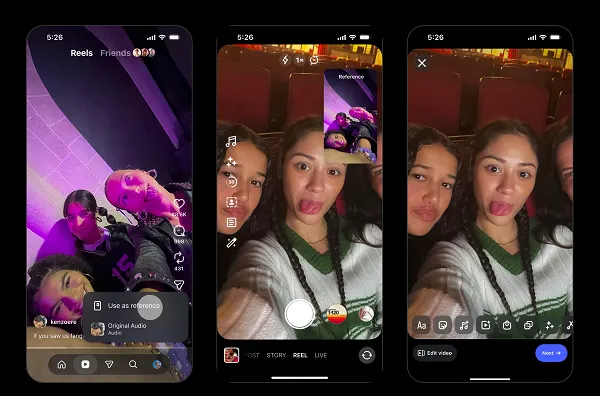
Beyond the standalone Edits application, Meta has integrated a highly anticipated workflow improvement directly into the primary Instagram app: the ability to use an existing video clip as a direct reference while filming a new Reel.

This new functionality is specifically engineered to streamline the production of response videos, reaction content, and derivative trends. Previously, creators attempting to respond to or reference another user’s content had to rely on cumbersome workarounds, such as recording external footage, downloading source files, or attempting to memorize complex visual sequences before filming.
Under the new workflow, a creator can open any Instagram Reel that is shorter than 90 seconds, tap the three-dot menu icon within the interface, and select the newly added "Use as reference" option. Once selected, the reference video loads dynamically into a small, customizable floating window directly inside the composer camera view.
This reference window gives creators unprecedented flexibility during production. Users can reposition the player anywhere across the screen, pause playback at any moment to study specific visual cues, and replay the source clip as many times as necessary prior to recording. To ensure professional-grade production quality and seamless audiovisual timing, the tool includes a built-in countdown timer designed to help creators perfectly sync their reactions, speech cadence, or physical movements with the original clip.
Industry analysts note that this feature directly addresses the mechanics of conversational video formats, where precise timing and contextual accuracy are paramount. By reducing friction in the production pipeline, Meta aims to encourage higher volumes of participatory and conversational content, which historically drive sustained platform engagement. At launch, however, the reference video feature is exclusively rolling out on the iOS version of the Instagram application, with Android availability expected at a later date.
Strategic Shift: The Phasing Out of Reels Series Linking
In a notable pivot from features rolled out just months prior, Instagram has confirmed it is removing the option to link Reels together in a series. The deprecation of this feature is scheduled to go into effect on October 28, bringing a swift end to a tool that was introduced to the public only in August of the same year.
The original introduction of Reels linking was designed to help creators build cohesive multi-part narratives by automatically guiding viewers from the conclusion of one clip to the beginning of the next. The goal was to extend session times and combat user churn by creating serialized storytelling models similar to traditional television or YouTube playlists. However, platform data and user feedback indicated that the implementation may have added unnecessary friction to the algorithmic discovery feed, disrupting the frictionless, serendipitous scrolling experience that defines the Reels format.
Creator economy experts, including digital media analyst Lia Haberman, highlighted the impending removal as evidence of Meta’s continuous optimization of the user experience. By removing the ability to manually chain short clips into formal series, Instagram is actively simplifying the content architecture of the platform.
Broader Implications and Long-Term Content Strategy
The simultaneous rollout of advanced editing tools and the retraction of series linking point to a broader strategic realignment within Meta. Over the past year, the company has increasingly explored opportunities in long-term and connected content formats, examining how its short-form video infrastructure can coexist with more immersive viewing experiences—including potential expansions into Connected TV (CTV) environments.
Industry observers suggest that the removal of Reels linking does not mean Meta is abandoning extended content; rather, it indicates a structural pivot. Instead of trying to force standard short-form vertical clips into artificial series architectures, Meta appears to be laying the groundwork for a more sophisticated, native system capable of supporting long-form video content properly. This hypothesis is supported by recent corporate filings and product tests showing Meta eyeing dedicated long-form video hubs and monetization frameworks that rival traditional streaming services.
Meanwhile, the introduction of the reference creation tool and the expansion of the Edits app underscore Meta’s commitment to empowering the individual creator. In an increasingly crowded attention economy where platforms vie aggressively for top-tier talent, providing seamless production tools is essential for creator retention. Features like custom style kits and trend analytics lower the barrier to professional-grade content creation while drastically cutting down editing hours.
As these updates continue to deploy globally across iOS and Android ecosystems, their ultimate success will be measured by adoption rates among mid-tier and elite creators. By refining its software toolsets while continuously pruning underperforming interface elements, Meta is demonstrating a pragmatic, data-driven approach to product development—one that prioritizes streamlined user experiences and high-efficiency creator workflows above all else.