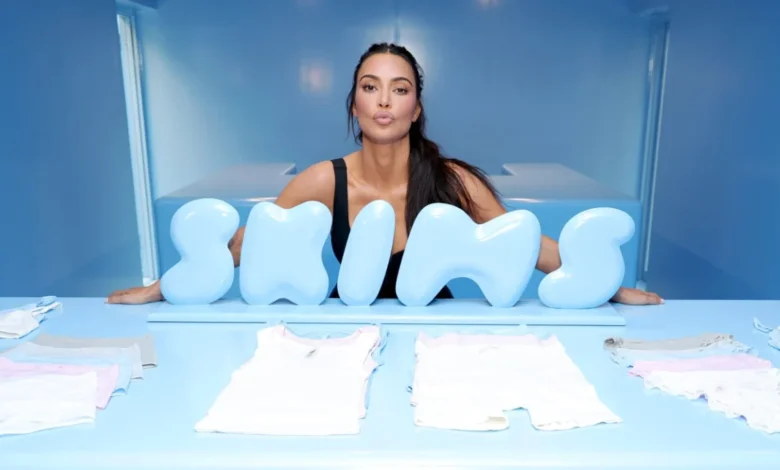
The intersection of luxury loungewear branding and viral social media culture recently collided in a public relations misstep for Kim Kardashian’s multi-billion-dollar enterprise, Skims. What began as a high-priced seasonal offering designed to capitalize on the lucrative winter holiday shopping rush quickly devolved into a digital mockery on platforms like TikTok and X (formerly Twitter). Priced at $148, the Skims holiday advent calendar promised fans a daily dose of brand-name luxury leading up to the festive season. Instead, buyers were greeted with a repetitive assortment of low-cost accessories—such as bobby pins, satin scrunchies, and foam keychains—that sparked widespread backlash, viral critiques, and a swift corporate retreat involving full refunds.
The controversy highlights a growing friction in modern retail: the vulnerability of premium brands in the age of transparent, unfiltered social media unboxing videos. When curated marketing campaigns meet the scrutiny of everyday consumers armed with smartphones, the gap between perceived value and actual product utility becomes glaringly apparent.
The Timeline of a Viral Backlash
The trajectory from product launch to crisis management unfolded over a span of less than two weeks, accelerated by the hyper-fast dissemination algorithms of short-form video platforms.
On October 29, Skims officially dropped its Holiday Shop collection, introducing the advent calendar under its lifestyle and accessories categories. Buried in the fine print of the "Fit & Fabric" product description on the brand’s website were itemized details of the calendar’s contents. The 12-day box included seven hair accessories—ranging from multiple packs of bobby pins and satin scrunchies to a pair of headbands crafted from bra elastic—alongside four keychains and a branded foam squishy toy.
For the first week following its release, the product remained a quiet addition to the holiday lineup. However, the narrative shifted dramatically on November 6, when TikTok creator @wetsloppyswollen published a video unboxing the calendar’s eighth day. Viewers watched as the creator unsealed a set of bobby pins, noting that day four had contained the exact same item. The video struck a cultural nerve, accumulating 65 million views within 72 hours and opening the floodgates for a wave of parallel unboxing videos from disappointed shoppers and prominent beauty creators alike.

By November 8, the sentiment across social media had solidified into widespread condemnation. Users began comparing the contents of the $148 box to items found underneath couch cushions or at discount retailers, spawning derisive nicknames such as the "SKAMS" advent calendar. Recognizing the escalating reputational damage, Skims leadership intervened. On November 9, a company representative issued a formal statement to the entertainment and media publication Entertainment Weekly, acknowledging the consumer dissatisfaction and outlining a remediation plan.
Anatomy of the Product and Consumer Grievances
At the heart of the controversy is the fundamental economic mismatch between the $148 price tag and the material value of the items inside. Advent calendars have become a staple of modern holiday retail, with beauty, fashion, and lifestyle brands utilizing them to introduce customers to high-end samples or exclusive merchandise. However, consumers purchasing a luxury-adjacent calendar from a globally recognized shapewear and apparel brand generally anticipate items reflective of that positioning.
Instead, the Skims calendar leaned heavily into novelty accessories that cost pennies to manufacture. The inclusion of redundant items—such as multiple sets of bobby pins and basic hair ties—led critics to argue that the product lacked the curation and thoughtfulness expected at a luxury price point. Commentators and internet sleuths pointed out that similar generic items could be sourced from fast-fashion competitors for a fraction of the cost, leading to unfavorable comparisons with brands like SHEIN, P. Louise, and H&M.
Conversely, defenders of the brand and select influencers attempted to contextualize the product. Beauty creator Glamzilla argued that the calendar was inherently designed for devoted fans of the brand who would derive amusement from opening a daily branded keepsake, regardless of its utility. Furthermore, supporters noted that Skims had technically disclosed the contents on its website prior to purchase, meaning observant shoppers were technically aware of what they were buying.
Nevertheless, digital culture analysts observed that full transparency on a buried product page matters very little when a product’s physical reality is broadcasted to millions of viewers in a digestible, highly entertaining format. A list of contents written in text pales in comparison to the visual impact of an influencer pulling hair elastics out of a designer box.
Corporate Response and Financial Implications
Faced with mounting public criticism, Skims moved quickly to mitigate the fallout. Rather than doubling down or ignoring the complaints—a common strategy among some lifestyle brands facing online scrutiny—the company opted for a customer-centric resolution.

Skims confirmed that it had proactively reached out to every customer who purchased the advent calendar. The remediation policy offered buyers two distinct options: return the product for a full refund or retain the calendar while receiving an equivalent amount in store credit.
Despite the negative social media sentiment and the immediate refund offer, market demand for the product had already peaked. Reports indicated that the advent calendar had completely sold out prior to the viral backlash, demonstrating the enduring purchasing power and baseline consumer devotion commanded by Kim Kardashian’s brand. Furthermore, Skims quietly updated its digital storefront, removing the product page and redirecting the original URL to the general accessories section.
Broader Industry Implications for Creator-Led Brands
The Skims advent calendar controversy serves as a valuable case study for the evolving dynamics of modern retail and e-commerce. As brands increasingly rely on influencer marketing and digital unboxing culture to drive seasonal sales, they face unprecedented levels of consumer accountability.
In the pre-digital era, an underwhelming holiday gift or poorly curated product assortment typically resulted in private disappointment and subdued repeat purchases. Today, a single viral video can mobilize millions of consumers, transforming a localized product grievance into an international public relations event within hours.
For Skims, the financial impact of offering refunds to a few thousand calendar buyers is negligible relative to the company’s multi-million-dollar valuation. However, the reputational lesson is profound: high-margin novelty items reliant on brand halo effects must still deliver tangible value to justify their price points. As consumers become increasingly discerning and economically cautious, the tolerance for overpriced branded merchandise is shrinking. Brands that fail to align their physical product offerings with the high expectations set by their digital marketing risk alienating the very consumer base that built their success.
Related posts: