FDA and Taylor Farms Clash Over Cyclospora Outbreak Investigation and Technical Discrepancies

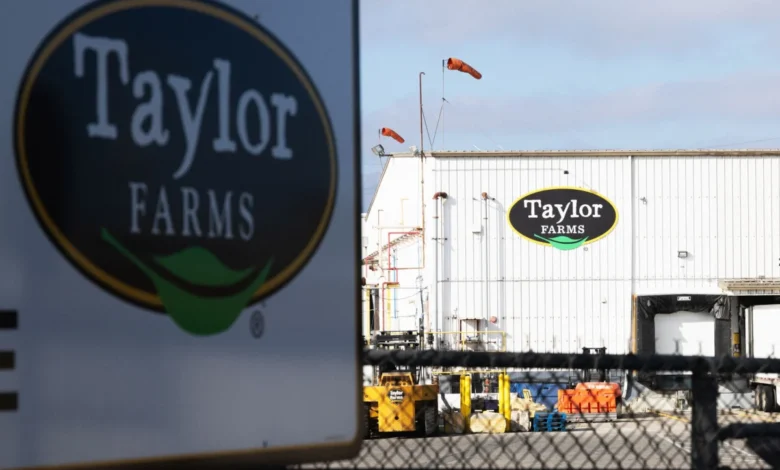
The United States food safety landscape is currently navigating a complex and increasingly contentious standoff between the Food and Drug Administration (FDA) and Taylor Farms, one of the nation’s largest suppliers of fresh produce. At the heart of the dispute is a massive outbreak of cyclosporiasis, a parasitic infection that has sickened thousands of consumers across dozens of states. While the immediate concern remains public health and the containment of the pathogen, the situation has evolved into a public debate over regulatory accuracy, laboratory protocols, and the validity of epidemiological evidence.
On July 17, Taylor Farms, based in Salinas, California, initiated a voluntary recall of iceberg lettuce sourced from its operations in Central Mexico. This decision followed reports from health officials in at least five states linking the lettuce to a surge in cyclosporiasis cases. However, the subsequent days saw a series of conflicting statements from both the federal agency and the supplier, highlighting the friction between government oversight and corporate interests during a national health crisis.
The Pathogen and the Public Health Crisis
Cyclospora cayetanensis is a microscopic parasite that causes an intestinal illness known as cyclosporiasis. Unlike many bacterial pathogens, Cyclospora is not typically spread directly from one person to another. Instead, it is transmitted when someone ingests food or water contaminated with infected feces. The resulting illness is characterized by "explosive" watery diarrhea, loss of appetite, weight loss, stomach cramps, bloating, increased gas, nausea, and fatigue. If left untreated, symptoms can persist for weeks or even months, often relapsing in cycles.
The current outbreak is notable for its scale and geographic reach. While the initial recall was prompted by illnesses in five states, the scope of the investigation has since expanded to encompass 27 states. According to data provided by health authorities, Michigan has been particularly hard-hit, reporting 6,148 confirmed cases within its borders alone. Public health experts warn that the true number of infections nationwide is likely significantly higher than official reports suggest, as many individuals do not seek medical attention or are not specifically tested for the parasite.
A Chronology of the Dispute
The tension between Taylor Farms and federal regulators began to simmer prior to the official recall. On July 16, executives from Taylor Farms reportedly met with officials from the White House and the FDA. During this meeting, the company allegedly expressed concerns regarding "shortfalls" in the government’s response process. Sources familiar with the discussion indicated that Taylor Farms attempted to cast doubt on the conclusions reached by the FDA and the Centers for Disease Control and Prevention (CDC), questioning the link between their product and the rising case counts.
Despite these internal objections, Taylor Farms proceeded with a voluntary recall on July 17. The recall specifically targeted iceberg lettuce grown in Central Mexico and distributed to major retailers and restaurant chains, including Walmart and Taco Bell.
The situation took a turn for the surreal on July 18, when the FDA announced that it had detected Cyclospora in a sample of Taylor Farms lettuce that was not included in the original recall. This finding suggested that the contamination might be more widespread than initially thought. However, by July 19, both the FDA and Taylor Farms confirmed that the positive lab result was actually a "false positive."
In the wake of this correction, Taylor Farms took to social media to claim a moral victory. In a post on X (formerly Twitter), the company stated, “Today, the FDA apologized to us.” This assertion was quickly met with a nuanced rebuttal from the agency. On July 20, an FDA official clarified to reporters that no "official apology" had been issued. Instead, the agency maintained that it had provided "factual information" regarding the inherent difficulties of testing for and tracing the sources of Cyclospora.
The Scientific Challenge: Lab Results vs. Epidemiology
The core of the "technical battle" between Taylor Farms and the FDA lies in the methodology used to identify the source of foodborne illnesses. Taylor Farms has emphasized that the FDA "has not identified a single positive product test result for Cyclospora" that has held up under scrutiny. While factually accurate, this point highlights a common misunderstanding of how food safety investigations operate.
Testing for Cyclospora in fresh produce is notoriously difficult. The parasite is often present in very low concentrations and may be unevenly distributed across a field or a shipment. By the time an outbreak is identified—often weeks after the contaminated food was consumed—the specific batch of produce responsible for the illness has usually been discarded or has passed its shelf life, making physical sampling nearly impossible.
Consequently, foodborne illness investigators rely heavily on epidemiological evidence. This involves "shoe-leather" public health work: interviewing hundreds of sickened individuals to create a detailed map of what they ate and where they bought it. When a statistically significant number of unrelated patients point to the same product from the same supplier, health officials consider the link established, even in the absence of a "smoking gun" lab test.
The FDA has been firm in its stance that the false-positive lab sample does not undermine the validity of the recall. In a public statement, the agency noted, “To clarify, this false-positive lab sample DOES NOT change the basis for FDA’s ongoing outbreak investigation or the overwhelming epidemiological data supporting the current voluntary recall by Taylor Farms.”
Impact on Retailers and the Supply Chain
The recall has sent shockwaves through the American food supply chain, particularly affecting high-volume partners like Walmart and Taco Bell. These companies have had to pivot quickly to alternative suppliers while ensuring that all potentially contaminated products were removed from shelves and kitchens.
For Taylor Farms, the implications are both financial and reputational. As a dominant force in the "fresh-cut" produce industry, the company supplies a vast array of salads and vegetable trays to supermarkets and fast-food outlets. The focus on its Central Mexico operations raises questions about international oversight and the complexities of maintaining sterile environments in large-scale agricultural settings across borders.
Central Mexico has become a major hub for U.S. produce imports, but it has also been the subject of previous Cyclospora concerns. The FDA has historically increased surveillance on Mexican cilantro and other greens due to recurring seasonal outbreaks. This latest incident may prompt calls for stricter "Foreign Supplier Verification Programs" under the Food Safety Modernization Act (FSMA).
Broader Implications for Food Safety Regulation
The public disagreement between a major corporation and its federal regulator is a rare occurrence that may signal a shift in how the industry handles large-scale recalls. Traditionally, companies cooperate closely with the FDA to manage public perception and minimize legal liability. The aggressive stance taken by Taylor Farms—challenging the FDA’s findings in White House meetings and demanding apologies—suggests a more litigious or defensive approach to regulatory oversight.
Industry analysts suggest this friction could lead to a re-evaluation of how the FDA communicates with the public during active investigations. If a company can successfully cast doubt on the agency’s methods, it may undermine public trust in safety warnings. Conversely, if the FDA is perceived as being too quick to name a source without definitive lab proof, it risks causing unnecessary economic harm to legitimate businesses.
Furthermore, the scale of the Michigan cases—exceeding 6,000 in a single state—points to a significant breakdown in the safety net. It raises the question of whether current sanitation standards in the field and processing plants are sufficient to combat parasites like Cyclospora, which are more resilient to traditional chlorine washes than many bacteria.
Conclusion and Future Outlook
As the investigation continues, the FDA and CDC remain focused on tracing the full extent of the contamination. The voluntary recall remains in effect across 27 states, and consumers are urged to check their produce for the specific Taylor Farms labels identified in the recall notices.
The standoff between Taylor Farms and the FDA serves as a stark reminder of the complexities inherent in the modern global food system. While technology has improved the speed of distribution, it has also made the consequences of a single contamination event much more widespread. The "diarrhea shitstorm," as some have colloquially termed it, is more than a public health crisis; it is a pivotal moment for food safety policy, testing standards, and the relationship between the government and the massive corporations that feed the American public.
In the coming weeks, the focus will likely shift toward long-term solutions, including improved water quality monitoring in growing regions and more robust rapid-testing technologies. For now, the priority remains the containment of the parasite and the recovery of the thousands of individuals affected by this significant public health failure. The "technicalities" being debated today will likely form the basis for future safety protocols and legal precedents in the years to come.