AI-Powered Smart Glasses Face Significant Headwinds Amid Mounting Privacy Concerns and Wearability Challenges

The ambitious push by several major technology companies to establish artificial intelligence-powered smart glasses as the next transformative consumer innovation is confronting substantial resistance, fueled by a rising tide of negative consumer feedback regarding privacy implications and practical wearability. This burgeoning backlash threatens to derail the industry’s significant investments and long-term strategic visions, echoing past failures in the nascent wearable technology market.
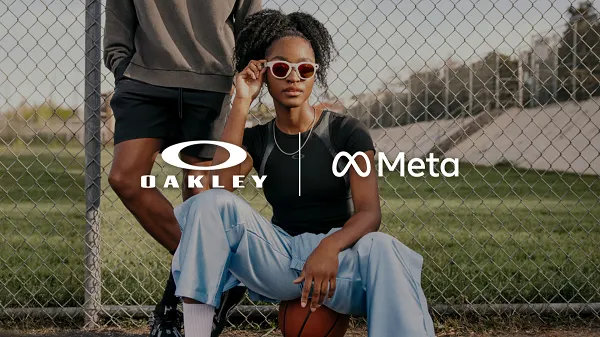
Leading this charge into the consumer smart glass arena is Meta, whose Meta AI glasses, formerly known as Ray-Ban Stories, have become a focal point of both excitement and intense scrutiny. While these devices offer a glimpse into an "always-on" AI assistant and seamless content capture, their journey has been marred by a series of controversies that highlight the profound societal and ethical dilemmas inherent in discreet, camera-equipped wearables.
A Chronology of Privacy Breaches and Public Backlash
Meta’s experience with its AI glasses provides a stark illustration of the challenges. The devices are designed with a small indicator light that illuminates when recording is active, intended as a privacy safeguard. However, in a troubling development, Meta was compelled to issue a software update after reports surfaced indicating that some users were actively seeking out hackers to disable these recording indicator lights. This deliberate circumvention allowed wearers to record audio and video covertly, completely undermining the transparency mechanism meant to protect public privacy. This incident not only exposed a critical vulnerability in the design’s ethical framework but also underscored a segment of the user base’s willingness to exploit such technology for clandestine purposes.
This was not an isolated incident for Meta. The phenomenon of "Meta Ray-Ban creeps" has been increasingly documented, as reported by outlets like Wired. These incidents involve individuals using the camera-equipped glasses to record others without their explicit consent or even knowledge, often in private or sensitive settings. The continuous stream of content generated by these devices, feeding directly into Meta’s vast systems, raises profound questions about data collection, user consent, and the potential for misuse. Critics argue that the discreet nature of the glasses makes it difficult for individuals to know when they are being recorded, fostering an environment of distrust and discomfort.
The privacy concerns escalated further in March when UK regulators launched a formal investigation into Meta’s practices. This probe was initiated following disturbing reports, notably from the Swedish publication Svenska Dagbladet, alleging that Meta’s content review contractors were exposed to highly intimate footage captured by users through their glasses. This included deeply personal moments such as "bathroom visits, sex, and other intimate moments." The revelation that sensitive personal data, inadvertently or otherwise captured by the devices, could be accessed and viewed by third-party contractors ignited a firestorm of criticism, eroding public trust in Meta’s ability to handle user data responsibly and securely.
Despite these significant privacy setbacks and the growing public apprehension, Meta has continued to push the boundaries of potentially invasive features. The Financial Times reported that Meta is actively experimenting with a version of its smart glasses designed for 24/7 user action recording, potentially without any visible recording indicators. The stated purpose is to feed this continuous activity data into a personalized AI training system, aiming to create a more integrated and anticipatory AI assistant. Furthermore, Meta’s Chief Technology Officer confirmed that the company is exploring the integration of facial identification technology into these devices. While proponents argue this could enhance utility, the prospect of an always-on, facial-recognizing camera on someone’s face has amplified fears of ubiquitous surveillance, transforming what is marketed as a personal assistant into a powerful, discreet surveillance tool.
The Economic and Social Fallout: Sales vs. Stigma
Initially, Meta’s strategy to enhance its smart glasses with AI features appeared to yield positive commercial results. Following a rebranding from "Meta Ray-Bans" to "Meta AI glasses" and the introduction of new AI functionalities, sales reportedly more than tripled in 2025. This surge suggested an initial appetite for the integrated AI capabilities. However, this commercial momentum now faces a severe threat from the escalating wave of negative sentiment and public criticism.
The cultural acceptance of AI glasses is rapidly deteriorating. The growing storm of negative public opinion has transcended niche tech discussions and entered mainstream discourse, even attracting celebrity condemnation. Pop singer Lorde, for instance, publicly advised concert-goers at Madrid’s Mad Cool festival against acquiring the glasses, expressing concern about the increasing difficulty of discerning when one is being recorded. Her blunt assessment, "Don’t get the glasses. Not sexy," while seemingly lighthearted, carries significant weight in shaping public perception and "cool factor" – a crucial element for mass consumer adoption of any fashion-adjacent technology.
This sentiment is quickly translating into a profound social stigma. Engadget reported that Meta’s glasses are increasingly being derisively labeled "pervert glasses," leading some users to feel shame and embarrassment about wearing them in public. This social rejection is a critical hurdle. Unlike smartphones, which are ubiquitous and culturally normalized, smart glasses are an explicit statement about the wearer and their engagement with technology. If that statement becomes one of suspicion or disapproval, it will severely limit their widespread appeal and utility. The social cost of wearing the device may soon outweigh its perceived benefits for many potential users.
Snapchat’s Entry and the Specter of Unwearability
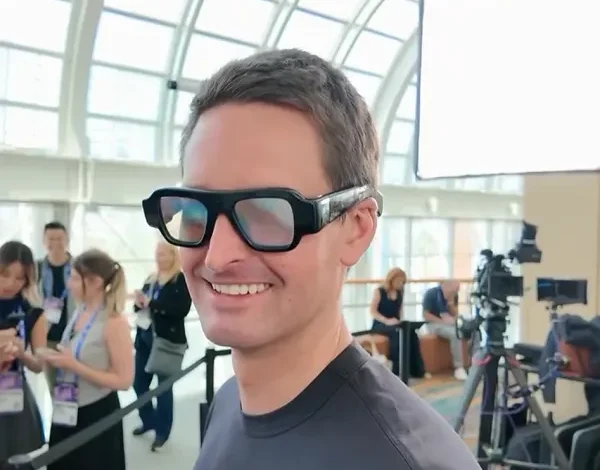
The challenges extend beyond Meta. Snapchat, another major player in social media and augmented reality, recently previewed its upcoming AR Specs, hoping to carve out its niche in the smart glass market. However, the launch event did not proceed as planned. Images of company CEO Evan Spiegel modeling the glasses immediately drew widespread criticism for their "absurdly big" design. Many reports highlighted the visibly strained and painfully folded ear of Spiegel in the promotional image, struggling under the weight of the massive frames.
This immediate and overwhelmingly negative reaction to the design underscores a fundamental challenge: wearability. For a device meant to be worn on the face, aesthetics and comfort are paramount. If the expanded functionality of these AR glasses, despite their innovative features, is overshadowed by a lack of "cool factor" and practical discomfort, market demand is likely to be severely muted. Coupled with a hefty price tag of $2,000 per pair, Snap’s AR Specs face an uphill battle to gain consumer acceptance, regardless of how many celebrities are enlisted for promotional campaigns.
The Shadow of Google Glass: A Cautionary Tale
The current predicament of AI-powered smart glasses evokes strong parallels with the ill-fated Google Glass project. Launched to much fanfare in 2013, Google Glass was discontinued for consumer sales in 2015 after just two years. Its failure was multi-faceted, stemming from hardware limitations, a lack of compelling functionality, and a prohibitive $1,500 price tag. Crucially, however, the device also succumbed to a crippling social stigma. Its distinctive, somewhat futuristic appearance quickly lost its novelty and became a target of scorn, giving rise to the pejorative term "Glasshole" for wearers.
Beyond social rejection, Google Glass faced practical restrictions. Its recording capabilities led to widespread bans in various public and private spaces, including bars, movie theaters, and casinos, severely limiting its utility and convenience. These bans effectively branded the device as problematic and intrusive. The current trajectory of Meta’s AI glasses suggests they are poised for a similar fate, with restrictions already beginning to emerge.
Escalating Regulatory and Institutional Bans
The fears surrounding the recording capacity of modern smart glasses are not abstract; they are translating into concrete policy decisions. Syracuse.com reported that the New York Office of Court Administration announced a comprehensive ban on all camera-equipped glasses from all state courts, effective this month. This proactive measure signals a growing institutional response to the privacy threats posed by these devices. It is widely anticipated that New York’s decision will serve as a precedent, with many other jurisdictions, both domestically and internationally, implementing similar restrictions in the near future. Such bans significantly curtail the contexts in which these glasses can be used, diminishing their value proposition for consumers who might otherwise find them useful.
Broader Implications for Ambient Computing and Meta’s Vision
The combined force of negative public perception, social stigma, and expanding regulatory restrictions could well spell an early demise for the nascent consumer smart glass industry. This outcome would have profound implications, particularly for Meta, which has heavily invested in AI as a transformative technology and views smart glasses as critical to its long-term vision of ambient computing and the metaverse. Mark Zuckerberg has openly expressed his ambition for these glasses to eventually supersede smartphones as the primary connective devices, creating a seamless interface between users and an AI-powered digital world.
Meta has gone "all-in" on AI, perceiving it as a fundamental shift in human-computer interaction. However, despite its demonstrated value in specific applications, AI tools, particularly in consumer-facing contexts, have yet to fully live up to the broader hype. Alexandr Wang, head of Meta’s Superintelligence unit and one of its most prominent AI recruits, acknowledged this reality in a May interview on The Core Memory podcast. Wang stated that while many users find AI tools "somewhat helpful," the overall user experience is "not overwhelmingly better" as a direct result of AI implementation.
Wang emphasized that the onus is on Meta to develop more genuinely valuable AI tools and applications to win over a broader user base and improve public sentiment. The AI glasses push is a central component of this strategy, intended to provide users with an always-on, context-aware AI assistant. The initial surge in sales following the rebranding and AI integration might suggest that this optimism was, at one point, well-founded. However, if the current trajectory of negative sentiment, public ridicule, and institutional bans continues, it will represent a significant wrench in Meta’s grand plans, potentially undermining billions in investment and delaying the widespread adoption of its metaverse vision.
The Future of Wearable AI: A Critical Juncture
The current situation represents a critical juncture for the entire wearable AI industry. Despite the enormous potential of smart glasses to overlay information, provide augmented reality experiences, and offer invaluable insights through AI assistance, the predominant public perception is being shaped by their negative use cases. The concerns about privacy, surveillance, and the erosion of social norms are proving to be powerful deterrents to adoption.
The industry faces the daunting task of overcoming this deeply ingrained skepticism and stigma. Innovators must not only deliver compelling functionality and seamless user experience but also navigate the complex ethical landscape with greater foresight and transparency. Failure to adequately address these concerns, or to prioritize innovation over public trust and privacy, could lead to a scenario where these ambitious projects follow in the footsteps of Google Glass, relegated to the annals of promising but ultimately unaccepted technologies. The dream of a future where smart glasses replace smartphones may remain just that – a dream – if the industry cannot convince the public that these devices are a benefit to society, rather than a threat to personal space and privacy.
Related posts: