Trump Administration Cancels Plans to Livestream Military Execution of Fort Hood Shooter Nidal Hasan

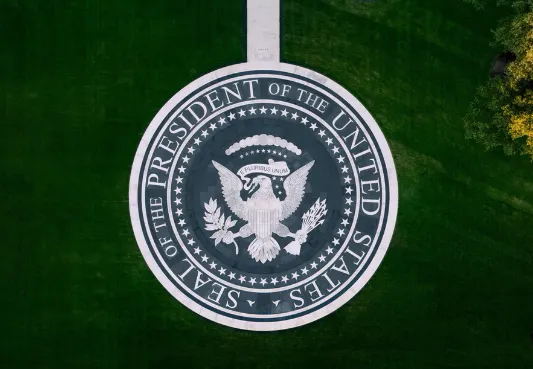
The planned public broadcast of the upcoming U.S. military execution of convicted mass shooter Nidal Hasan has been officially called off, sparing social media corporations from a severe policy dilemma regarding graphic content moderation, political pressure, and digital broadcasting ethics. U.S. President Donald Trump announced on Truth Social that the historic execution—ordered to be carried out via a military firing squad—will not be streamed globally as previously suggested by members of his administration.
The reversal follows initial statements made by U.S. Defense Secretary Pete Hegseth during an appearance on a podcast hosted by Jack Posobiec. Hegseth had indicated that the execution of the former U.S. Army psychiatrist would be made publicly accessible via a livestream, framing the move as an opportunity for the global community to witness justice and accountability. However, the sudden shift in plans highlights the competing political objectives, legal precedents, and technological roadblocks inherent in modern state-sponsored capital punishment.
The decision brings a temporary halt to what would have been an unprecedented collision between state-sanctioned executions and the digital infrastructure of modern social media. Had the broadcast proceeded, major technology companies—including Meta and X—would have faced intense pressure to choose between hosting footage of a state execution or blocking content directly championed by the sitting administration, potentially triggering severe regulatory and political fallout.
Background Context: The 2009 Fort Hood Shooting
To understand the weight of the controversy, it is necessary to examine the events that led to Nidal Hasan’s military tribunal and subsequent death sentence. On November 5, 2009, a mass shooting occurred at the Soldier Readiness Processing Center of the Fort Hood military base near Killeen, Texas.
Hasan, then a U.S. Army major and psychiatrist, opened fire on unarmed service members who were preparing for deployment to Iraq and Afghanistan. Wielding a FN Herstal Five-seven pistol equipped with multiple high-capacity magazines, Hasan fired more than 200 rounds over a harrowing ten-minute period. The attack resulted in the deaths of 13 people—twelve soldiers and one civilian employee—and left 32 others with varying degrees of physical injuries.
The massacre was abruptly halted when civilian police officers responding to the scene engaged Hasan, shooting him multiple times. The gunfire left Hasan paralyzed from the waist down, a medical reality that would decades later influence the administration’s considerations regarding how the execution would be visually perceived by the public.
Following the attack, Hasan was tried before a military court-martial at Fort Hood. Despite attempting to represent himself and offering justifications rooted in his ideological opposition to U.S. military operations in Muslim-majority nations, the jury deliberated for just over two hours before finding him guilty on 13 specifications of premeditated murder and 32 specifications of attempted premeditated murder. In August 2013, the military jury formally sentenced Hasan to death.
For over a decade, Hasan’s case languished within the complex military appellate system, subject to automatic appeals standard in capital cases involving service members. However, the legal landscape shifted dramatically when President Trump ordered the execution to be expedited and carried out via a military firing squad rather than lethal injection.
Chronology of Recent Events
The sequence of events leading up to the cancellation of the livestream highlights a rapid policy evolution within the executive branch:
- Early October 2026: President Trump issues an official directive ordering the execution of Nidal Hasan to be carried out by a military firing squad, signaling a departure from traditional federal or military execution methods.
- October 8, 2026: Pentagon officials announce to the press that the military execution will be livestreamed, ostensibly to provide the public with direct transparency regarding the administration’s stance on terrorism.
- Mid-October 2026: Defense Secretary Pete Hegseth elaborates on the plan during an interview with podcaster Jack Posobiec, asserting that the broadcast will serve as a visual deterrent to potential adversaries.
- October 15, 2026: President Trump reverses course via a Truth Social post, canceling the public livestream. He cites feedback from supporters who would prefer not to watch the execution, while confirming that the victims’ families will be given private access to view the event.
Presidential Statements and Official Justifications
The administration’s rationale for both proposing and subsequently canceling the broadcast was articulated primarily through digital media channels. Initially, high-ranking defense officials positioned the livestream as an uncompromising demonstration of American penal policy applied to acts of mass terrorism.
However, President Trump’s October 15 announcement on Truth Social acknowledged public hesitation while maintaining the ideological premise of the punishment. Writing on the platform, Trump stated:
"I think streaming the execution for all to see might have been a strong deterrent for the World to witness how America deals with Terrorists and SCUM like Hasan, but, many very good and well meaning people would rather not watch him die, through streaming, or through any other visual device."
Furthermore, reports from outlets such as NBC News indicated that the president’s enthusiasm for a public broadcast cooled significantly upon realizing that Hasan’s paralysis—stemming from the injuries sustained during the 2009 shootout—might alter the visual optics of the execution, transforming a projected display of strength into a complex humanitarian and aesthetic debate.
To address the interests of those most directly impacted by the tragedy, the administration confirmed that immediate family members of the 13 individuals killed and the 32 injured would be afforded the opportunity to witness the execution through private, secure channels.
Implications for Social Media Platforms and Content Moderation
The sudden cancellation of the broadcast has averted a major constitutional and operational crisis for the leadership of major social media corporations. Under typical Terms of Service (ToS) agreements, platforms such as Meta, X, TikTok, and YouTube strictly prohibit the publication of graphic violence, self-harm, and depictions of execution.
Had the Pentagon proceeded with an open-source livestream without designating a proprietary, government-hosted infrastructure, third-party platforms would have been forced to decide whether to host or suppress a state-sanctioned execution broadcast by the federal government. Permitting the stream would have violated their established global trust and safety guidelines, while blocking the feed would have placed them in direct, high-stakes opposition to the executive branch.
This narrow escape comes during a delicate political era for Big Tech. During Donald Trump’s second term, major social media firms have increasingly aligned their content moderation policies, third-party fact-checking frameworks, and platform governance models to accommodate the expectations and regulatory pressures of the administration. For instance, platforms like Meta have integrated features such as Community Notes and adjusted moderation thresholds to appease conservative critics who previously alleged institutional bias.
By calling off the livestream, the administration has spared tech executives from having to publicly signal their compliance or defiance on a matter of such profound symbolic weight. Consequently, researchers and digital rights advocates are left without a definitive test case demonstrating how far major tech companies are willing to go to accommodate executive directives that directly conflict with standard platform policies.
Broader Legal and Ethical Debates Surrounding Capital Punishment
Beyond the digital media landscape, the episode has re-ignited long-standing legal and ethical discussions regarding the visibility of state-sponsored executions in the United States.
Historically, American executions were public spectacles, often drawing large crowds to town squares. However, due to concerns regarding public safety, order, and evolving standards of human decency, public executions were systematically phased out during the 19th and 20th centuries. By the mid-1970s, executions had become strictly regulated, closed-door events attended only by designated witnesses, prison officials, and representatives of the press to ensure accountability without devolving into public entertainment.
The initial proposal to livestream Hasan’s execution represented a radical departure from modern penal traditions. Proponents of transparency argue that modern technology should allow citizens to witness the full weight of justice administered in their name, transforming the execution chamber into a public digital forum. Conversely, legal scholars, civil rights advocates, and human rights organizations have historically opposed the commercialization or mass broadcasting of executions, arguing that such broadcasts degrade human dignity, violate international norms against cruel and unusual spectacles, and risk transforming retributive justice into digital entertainment.
While the Trump administration’s reversal ensures that Nidal Hasan’s execution will remain consistent with modern closed-door protocols for the general public, the episode serves as a notable milestone in the intersection of criminal justice policy, presidential communication strategies, and the governance of digital platforms.
Related posts: