Buffer vs Later: A Comprehensive Analysis of Leading Social Media Management Platforms

In the rapidly evolving landscape of digital marketing, maintaining a consistent brand presence across multiple social media channels is no longer an optional luxury but a core operational necessity. As businesses and individual creators scale their output, the selection of a robust social media management tool becomes the primary determinant of workflow efficiency. Among the most frequently cited solutions in this space are Buffer and Later, two platforms that have carved out distinct niches by catering to different user priorities—ranging from cost-sensitive, channel-flexible scheduling to visual-first, influencer-centric content management.
The Evolution of Social Media Management Tools
The demand for centralized management software emerged alongside the diversification of social platforms. In the early 2010s, social media marketing was largely a manual, platform-specific endeavor. As the ecosystem expanded to include Instagram, LinkedIn, TikTok, and Threads, the need for "single-pane-of-glass" solutions became acute. Buffer, founded in 2010, initially focused on simplicity and cross-platform queueing, eventually pivoting toward a model that emphasizes accessibility and affordability. Later, originally launched as Latergramme in 2014, evolved from an Instagram-only scheduling tool into a visual-heavy planning suite, reflecting the industry’s shift toward highly curated aesthetic feeds.
Comparative Feature Overview and Operational Frameworks
While both platforms facilitate the scheduling of content, their underlying architectures differ significantly. Buffer operates on a "channel-based" model, allowing users to select specific accounts across 11 supported platforms, including X (formerly Twitter), Mastodon, and Bluesky. This approach provides granular control, particularly for small businesses that may need a single Facebook page and a single LinkedIn profile without paying for unnecessary extras.
Conversely, Later utilizes a "social set" structure. Each set typically includes one account per supported platform. While this facilitates a comprehensive, multi-platform presence, it can result in higher costs for users who require multiple profiles on a single network, such as an agency managing three separate Instagram accounts for three different clients.
Chronology of Development and Market Positioning
- 2010: Buffer is established, focusing on the "queue" concept for content distribution.
- 2014: Later launches as a niche tool specifically for visual scheduling on Instagram.
- 2018–2022: Both companies expand aggressively into TikTok and short-form video support, reacting to the "Reels/Shorts" boom.
- 2023–2025: Integration of generative AI becomes the industry standard, with Buffer focusing on unlimited usage and Later implementing credit-based systems.
Economic Implications for Creators and Teams
The financial barrier to entry serves as a primary differentiator between the two services. Buffer maintains a permanent, feature-rich free plan that accommodates three social channels, including basic analytics and AI-assisted content generation. This "freemium" model is designed to support the growth trajectory of individual creators. Paid tiers start at approximately $6 per channel per month, offering a predictable, scalable cost structure.
Later’s pricing strategy is more complex. Their entry-level paid plans start at higher thresholds (often beginning at $25 per month) and are contingent on the number of "social sets" and user seats. For organizations, this model requires careful calculation. For example, a team of two managing two social platforms would find Buffer’s channel-based pricing ($24 monthly for two channels with unlimited users) significantly more cost-effective than Later’s tiered seat-based structure, which could escalate depending on the chosen plan.
Technical Capabilities: Analytics and Engagement
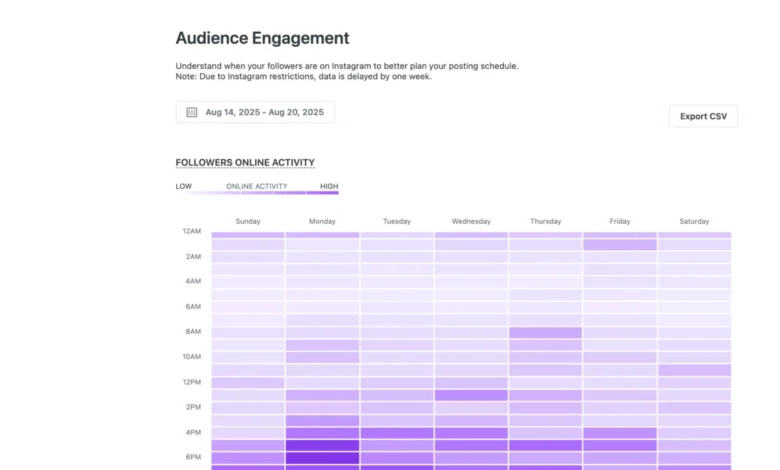
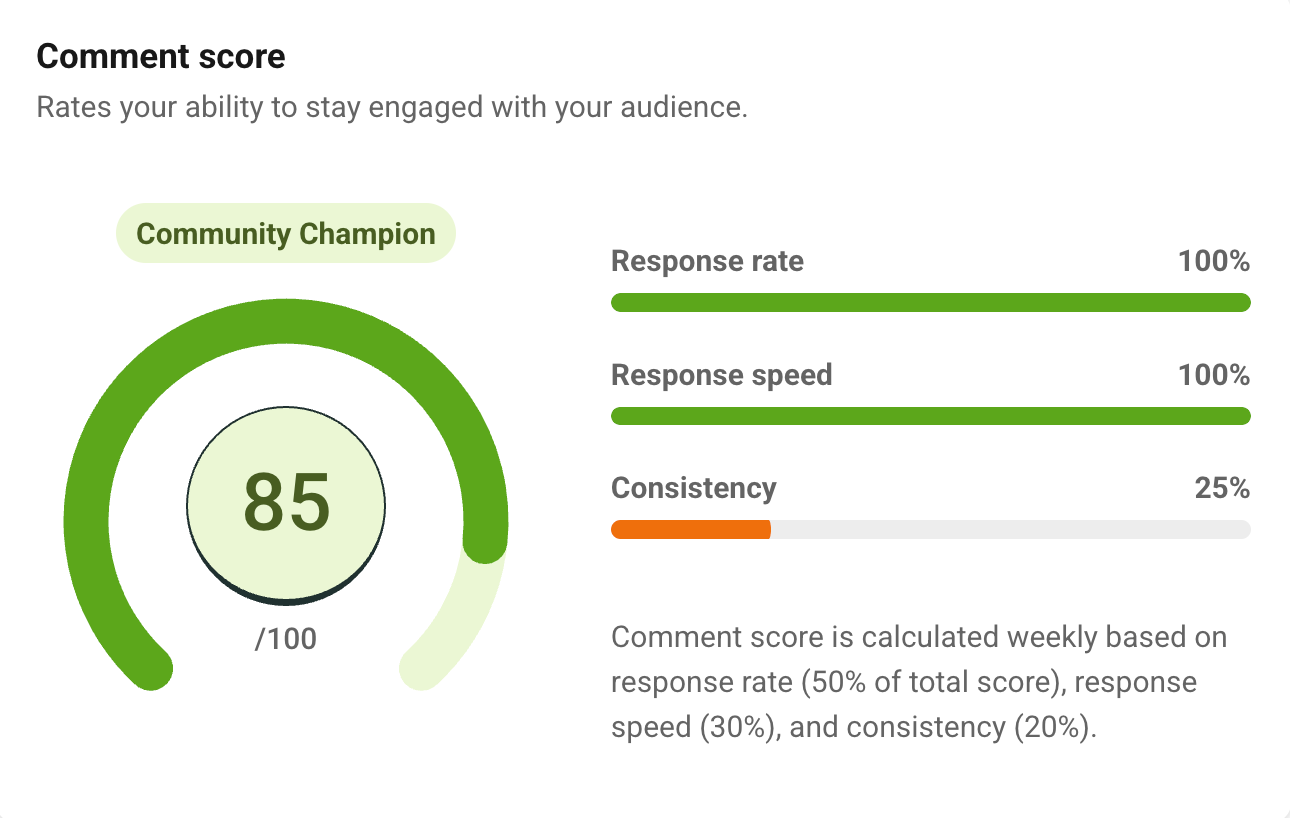
Data-driven decision-making remains the cornerstone of modern social media strategy. Buffer’s "Insights" dashboard is integrated into all tiers, including the free version, providing users with basic performance data. Its standout feature is the inclusion of "Takeaways," an AI-driven analytical layer that interprets performance trends, identifying optimal posting times and engagement patterns.
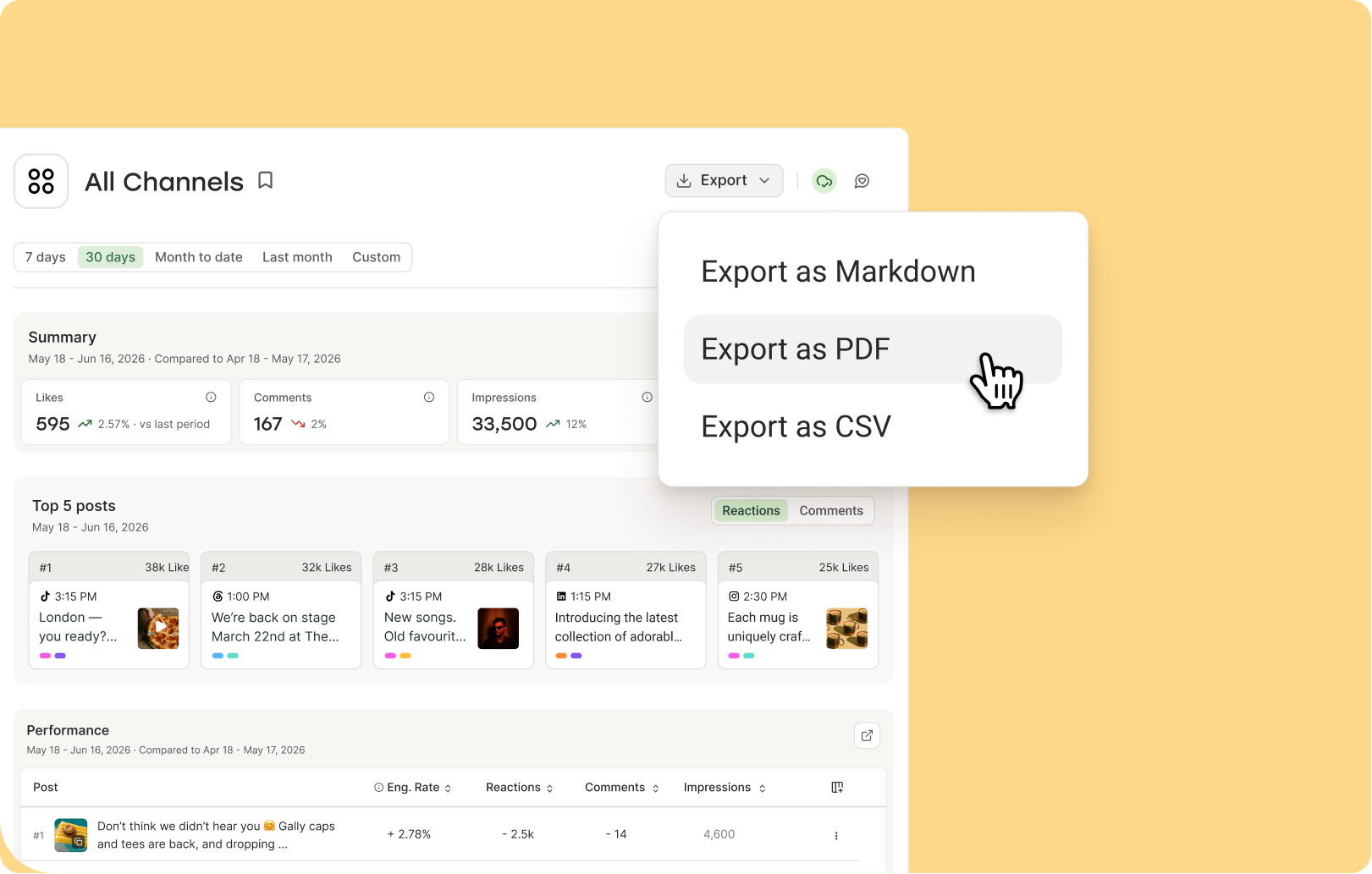
Later prioritizes visual analytics, particularly regarding audience demographics and engagement heatmaps for Instagram and TikTok. These tools are highly specialized for visual-first brands that rely on aesthetic consistency. However, a significant portion of Later’s advanced reporting, such as cross-platform analytics and PDF export capabilities, is gated behind their higher-tier plans.
Engagement and Community Management
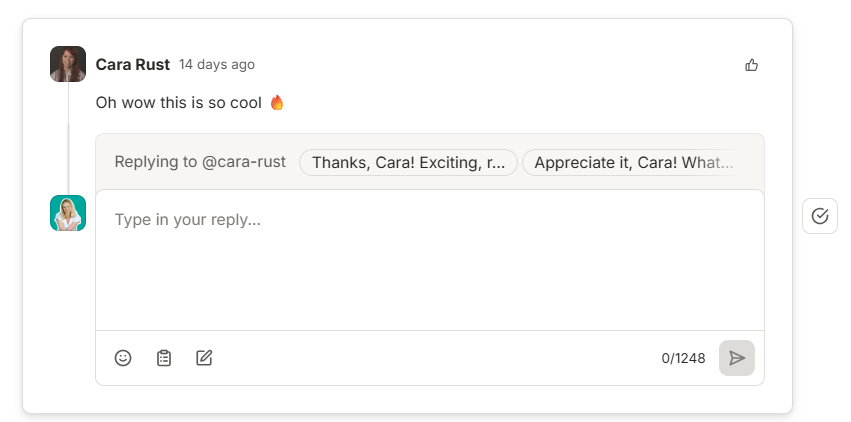
Effective social media management necessitates real-time interaction. Buffer provides a "Community" tab that functions as a centralized inbox, allowing users to reply to comments and mentions across Facebook, Instagram, LinkedIn, and others. The inclusion of AI-suggested responses and saved reply templates is designed to reduce the time spent on repetitive administrative tasks.
Later offers a similar social inbox, though it is notably restricted to their Growth and Scale plans. While it provides powerful features such as the ability to hide spam comments directly from the dashboard, its exclusion from entry-level tiers makes it less accessible for smaller operations compared to Buffer’s inclusive approach to community management.
Strategic Considerations: Link-in-Bio and Affiliate Marketing
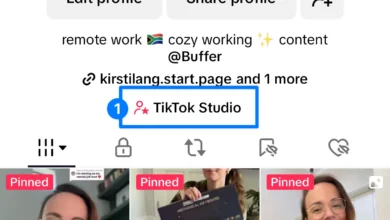
Both companies provide link-in-bio tools—Buffer’s "Start Page" and Later’s "Linkin.bio." These tools serve as a landing page for social traffic. Buffer’s implementation is highly modular, allowing for multiple image grids and diverse content blocks. It is platform-agnostic and functions well for general creators.
Later’s tool is more commerce-oriented. Its direct integration with Shopify and affiliate platforms like Mavely provides a streamlined pathway for social commerce. For brands whose primary goal is direct attribution of sales to specific social posts, Later’s commerce-heavy feature set offers a clear functional advantage over Buffer.
Influencer Marketing and External Ecosystems
A major divide exists regarding influencer management. Later has invested heavily in a separate, dedicated influencer marketing product. This suite allows brands to manage influencer relationships, track campaign performance, and facilitate product shipments. While this is an optional add-on, it positions Later as a comprehensive partner for mid-to-large-scale marketing agencies.
Buffer, conversely, has maintained a disciplined focus on organic growth and scheduling. By intentionally omitting dedicated influencer management tools, Buffer minimizes platform bloat, maintaining a streamlined interface that favors speed and reliability.
Assessing the Broader Impact
The choice between Buffer and Later is, in essence, a choice between two different philosophies of digital growth. Buffer is the preferred choice for the "distributed" social media manager—someone who values flexibility, cross-platform reach, and transparent, predictable pricing. Its strength lies in its support for a wider array of platforms and its inclusive approach to AI and analytics.
Later serves the "visual-centric" brand. Its strengths lie in its drag-and-drop planning interface, its deep integration with Instagram/TikTok workflows, and its robust commerce features. It is the tool of choice for visual storytellers and brands that operate as e-commerce entities first and content creators second.
Conclusion: Selecting the Right Tool
For stakeholders determining their software stack for the coming fiscal year, the decision should be dictated by three criteria:
- Platform Diversity: If your strategy involves X (Twitter), Mastodon, or Bluesky, Buffer is the only viable candidate of the two.
- Team Structure: Organizations with large, fluctuating teams will benefit from Buffer’s unlimited user access on paid plans, whereas smaller, specialized teams might find Later’s access groups more useful for segmenting client data.
- Revenue Model: Brands heavily reliant on Shopify-driven social commerce or those intending to launch comprehensive influencer marketing campaigns will find greater long-term value in Later’s ecosystem.
Ultimately, both tools represent the professionalization of the social media space. As social platforms continue to restrict third-party access and change their algorithms, the stability provided by these management suites is essential for maintaining a brand voice that is both consistent and responsive to market trends. Whether prioritizing the breadth of Buffer or the visual depth of Later, users are encouraged to utilize the 14-day trial periods offered by both platforms to conduct a live, hands-on audit of their specific content workflows.