Strategic Optimization of Social Media Discoverability Through Halloween Hashtags and Seasonal Content Integration

The crisp autumn air, the proliferation of pumpkin-spice-flavored consumer goods, and the seasonal rotation of horror cinema signal a massive cultural shift that deeply impacts modern digital marketing. With approximately 73 percent of consumers in the United States actively participating in Halloween-related activities across various age demographics, the autumn holiday has evolved far beyond a localized community event into a major commercial driver. For corporate brands, small businesses, and digital creators, this holiday presents an invaluable opportunity to engage audiences through themed content. However, the success of these seasonal campaigns is no longer determined solely by clever captions or striking visual aesthetics; rather, discoverability has become the critical metric for digital survival.
Social media algorithms have fundamentally transformed the utility of hashtags over recent years. Once treated as shortcuts to broad content reach, hashtags now function primarily as categorical signals. Algorithms rely on these tags to classify digital assets accurately and distribute them to relevant consumer segments. To navigate this landscape successfully, organizations must adopt a nuanced approach to hashtag selection, blending broad seasonal categories with niche markers and proprietary brand tags.
The Evolution of Hashtag Mechanics and Algorithmic Distribution
The mechanics governing social media discoverability require digital marketers to abandon indiscriminate tagging in favor of precision categorization. Industry data indicates that 93 percent of consumers view corporate alignment with online culture as an important factor in brand perception. Consequently, failing to incorporate trending pop culture elements, current horror releases, and classic seasonal archetypes into a digital strategy can alienate target audiences.
The integration of hashtags varies significantly across digital platforms. Meta-owned networks such as Instagram and Facebook favor distinct optimization strategies. Instagram algorithms currently prioritize hashtags embedded directly within the caption rather than the first comment, with optimal performance achieved by utilizing three to five targeted tags per post. Similarly, Facebook posts benefit from a restrained approach, where two to five hashtags are seamlessly integrated into the body of the text to avoid appearing spam-like.
Conversely, TikTok treats hashtags as functional keywords that must align with the audio and visual context of the video content. The platform’s automated content-scanning capabilities analyze spoken words within videos, requiring creators to use tags that match their verbal delivery. This alignment connects brands with high-intent users rather than passive scrollers. On the platform formerly known as Twitter (X), digital best practices advise extreme parsimony, recommending the avoidance of hashtags in organic copy altogether unless strictly necessary for tracking specific live events. Meanwhile, Pinterest relies heavily on title and description keywords, though three to five specific tags placed within the pin description help categorize visual assets for high-intent searchers.
Categorical Segmentation and Strategic Tagging Frameworks
To capture diverse consumer interests, comprehensive marketing strategies must divide seasonal content into distinct categorical buckets, ensuring that every industry—from food and beverage to home decor and pet care—can find relevant entry points.
General Halloween hashtags capture broad seasonal enthusiasm, but brands often achieve higher conversion rates by tailoring tags to specific subcategories. In the culinary and baking sectors, the enduring appeal of pumpkin spice and autumn comfort foods drives immense engagement. Brands operating in the food and beverage industry frequently leverage specialized tags to promote seasonal product rollouts, tapping into a consumer base actively searching for baking recipes and cozy beverages.
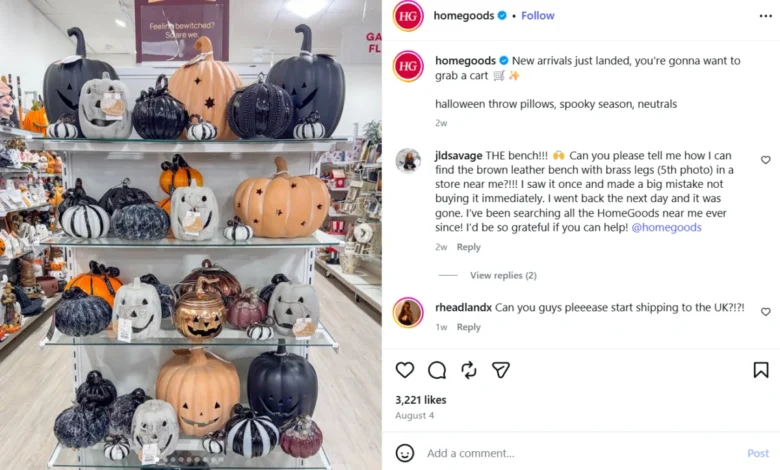
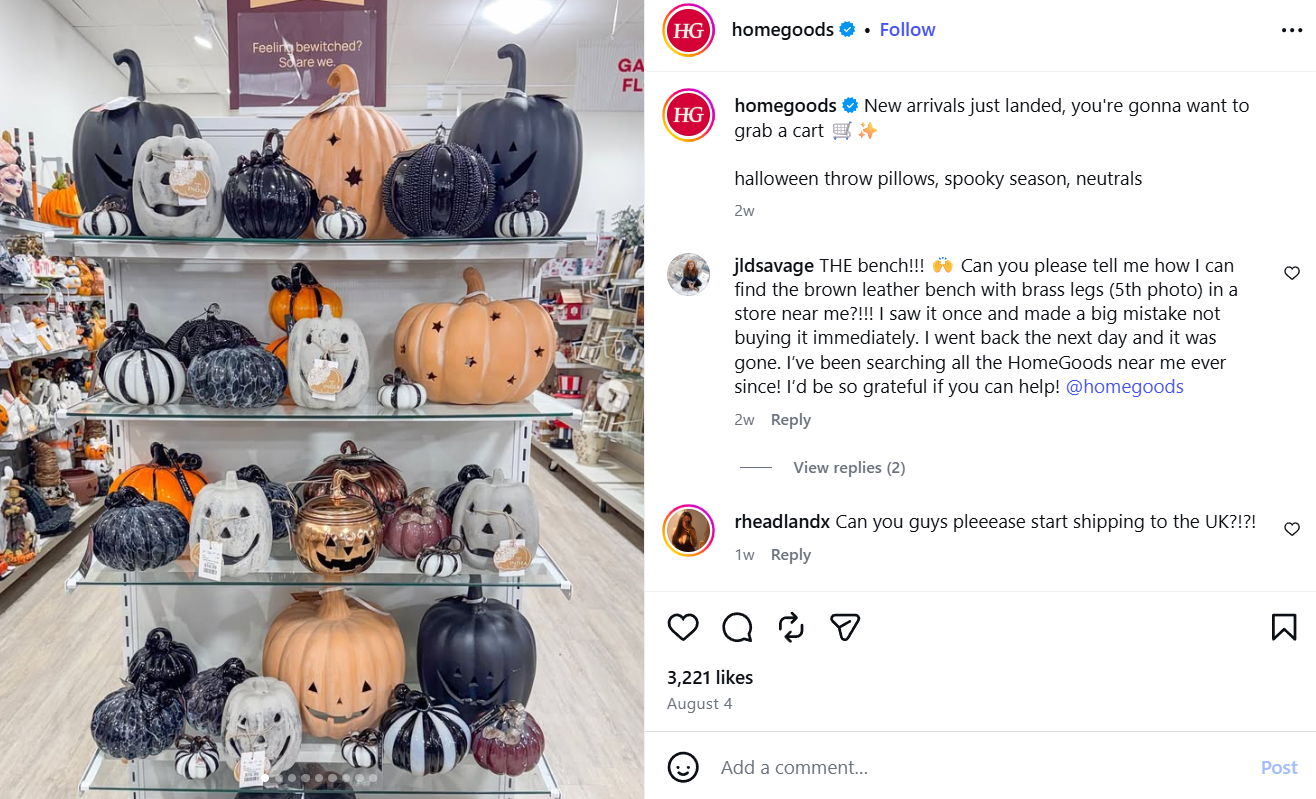
Similarly, the home decor and DIY markets experience a massive surge in interest as consumers transition their living spaces for the autumn season. Retailers utilize specific design tags to showcase tablescapes, interior design concepts, and budget-friendly crafting projects. By linking social media posts directly to e-commerce platforms, brands bridge the gap between inspiration and immediate purchasing behavior.
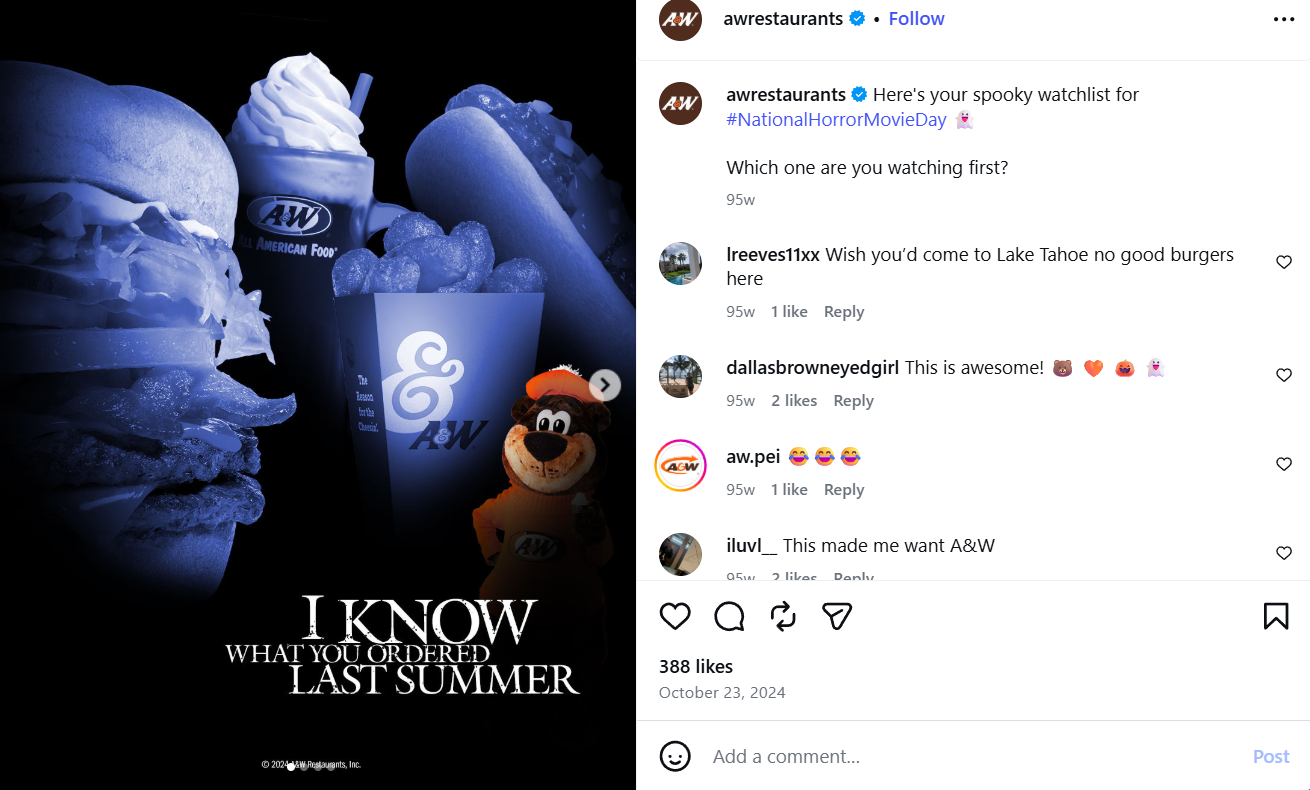
Pet care and family-oriented campaigns represent another rapidly expanding segment. Because consumers increasingly treat pets as family members, pet brands capitalize on seasonal interest by sharing costume ideas, pet-safe treats, and family-friendly activities. This holistic approach captures the multi-generational appeal of the holiday.
Furthermore, emerging linguistic trends in digital culture are reshaping autumn marketing. Social listening data from early 2026 highlights the rise of suffix-based trend markers such as the "[word]maxxing" phenomenon. On TikTok, terms like #Fallmaxxing and #Autumnmaxxing have emerged as early indicators of seasonal consumer behavior, offering innovative brands an opportunity to pioneer new categorical tags like #Halloweenmaxxing before they achieve mainstream saturation.
Economic Implications and Early Consumer Engagement Patterns
The commercial window for autumn marketing continues to expand annually, driven by shifting consumer sentiment. According to recent industry surveys, 44 percent of social media users report an increased likelihood of purchasing from brands that initiate their fall and winter marketing campaigns well ahead of the traditional timeline. The phenomenon colloquially known as "#CodeOrange" appears earlier each digital cycle, mirroring the premature appearance of retail merchandise on physical shelves.
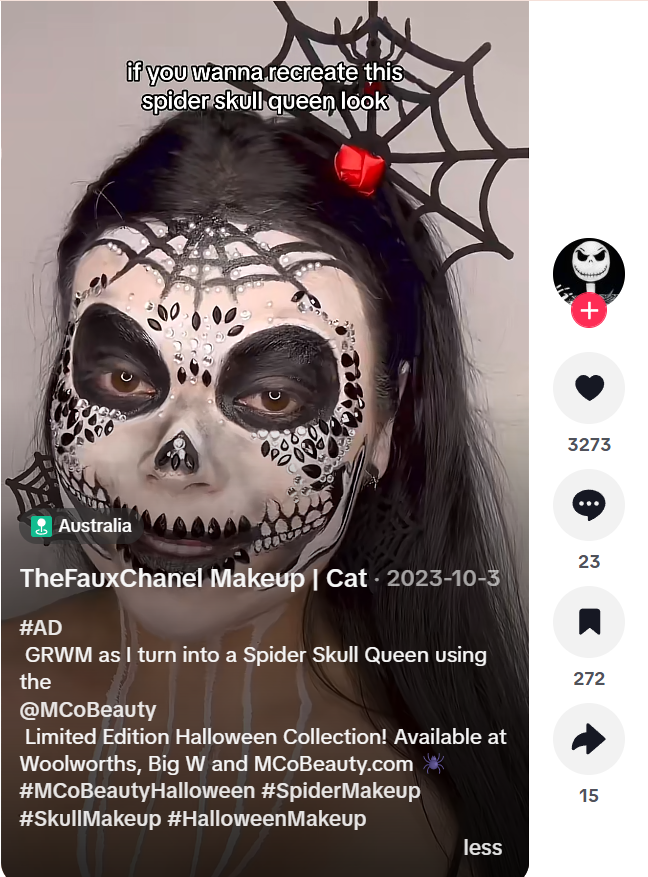
This early activation model carries significant economic implications for businesses of all sizes. Smaller enterprises and locally focused restaurants risk losing visibility if they rely exclusively on hyper-competitive mega-tags such as #Halloween. To counter this, local businesses are advised to leverage hyper-local geographic tags established by municipal chambers of commerce, alongside commerce-boosting tags that facilitate online transactions and local foot traffic.
To measure the efficacy of these targeted campaigns, sophisticated organizations employ social media listening tools. These technologies allow marketing teams to monitor real-time hashtag usage, sift through hundreds of thousands of organic conversations, and identify emerging trends before competitors capitalize on them. By combining early campaign deployment with rigorous analytics tracking, brands can accurately evaluate the performance of their digital assets and refine their hashtag strategies throughout the autumn season.