Instagram Creator-Led Brand Collaborations Outperform Traditional Brand Posts and Company-Managed Partnerships According to New Emplifi Research

The landscape of digital marketing and social media advertising is undergoing a profound structural evolution, shifting away from corporate-controlled broadcasting and toward authentic peer-to-peer influence. Recent empirical research released by Emplifi, a leading customer engagement and social media marketing platform, provides definitive proof that creator-published brand collaborations significantly outperform both traditional standalone brand posts and brand-published collaborative posts on Instagram. As marketing budgets face tighter scrutiny and consumer skepticism toward corporate advertising reaches new highs, brands are forced to rethink how they partner with content creators to maximize organic reach, audience engagement, and overall return on investment.
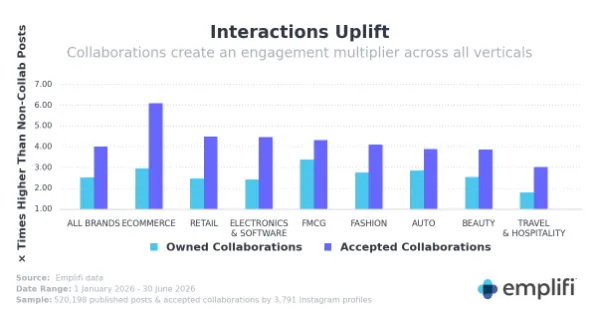
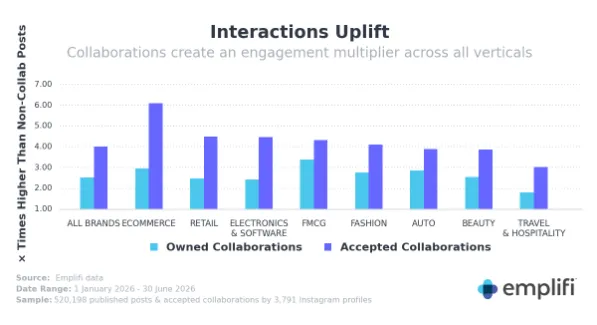
The comprehensive study examined more than 520,000 distinct posts originating from 3,791 active brand profiles on Instagram. The research period spanned the first half of the year, capturing data between January 1 and June 30, to evaluate how various forms of collaborative publishing impact performance metrics across diverse industrial sectors. The central finding of the research is striking: collaborations initiated and published by creators, where a brand is subsequently invited to co-author the post, generate substantially higher engagement rates, amplification, and reach than any other publishing configuration.
Understanding the Mechanics of Instagram Collaborations
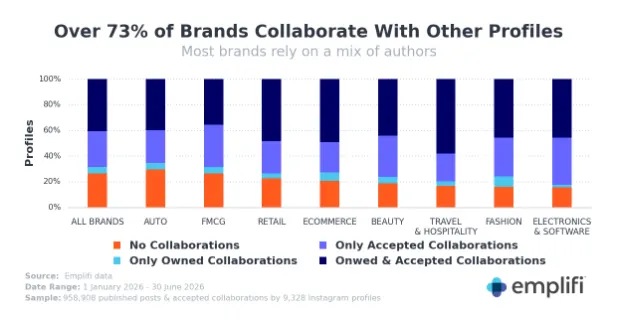
To fully comprehend the magnitude of Emplifi’s findings, it is necessary to examine the technical mechanics of Instagram’s collaboration feature, which has been rapidly adopted across the platform. Currently, more than 73% of active brands on Instagram utilize the collaboration tool, reflecting its widespread integration into modern digital marketing strategies. However, the platform fundamentally allows for two distinct publishing workflows, each yielding drastically different performance outcomes.
The first workflow is classified as an owned collaboration, or a brand-published partnership. In this scenario, the brand creates, formats, and publishes the promotional post directly from its corporate profile and subsequently invites a selected creator to co-author the content. While this method keeps the brand firmly in control of the publication schedule, asset management, and messaging narrative, the data indicates it fails to capture the full engagement potential of the platform’s algorithm and audience base.
The second workflow, defined as an accepted collaboration or a creator-published partnership, reverses the dynamic. In this framework, the content creator—operating independently or within the parameters of a brand brief—publishes the promotional post natively on their own profile. The creator then invites the brand to attach its corporate profile as a co-author. This seemingly minor procedural difference unlocks a powerful synergy, merging the creator’s organic audience loyalty and native content style with the brand’s institutional backing.
According to Emplifi’s data, accepted collaborations deliver staggering amplification metrics. In competitive sectors like ecommerce and retail, creator-published collaborative posts achieve more than five times the amplification of standard, non-collaborative brand posts. Even in market verticals characterized by traditionally lower consumer engagement uplifts, both forms of collaboration generate significantly more shares, saves, and reposts than conventional corporate content.

The Evolution of Creator Partnership Tools and Ecosystems
This shift in performance is heavily supported by broader technological developments within the social media ecosystem, particularly Meta’s aggressive expansion of its creator partnership infrastructure. Over the past several years, Meta has rolled out a suite of dedicated tools designed to streamline how brands and creators discover one another, negotiate terms, manage sponsorship requests, and execute joint campaigns seamlessly.
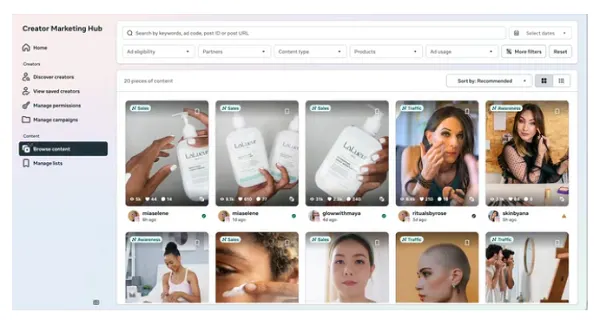
The introduction and refinement of Meta’s Creator Marketing Hub have transformed what was once a chaotic, manual process of cold-emailing and direct-messaging into a streamlined, data-driven marketplace. Brands can now identify ideal talent based on precise audience demographics, engagement history, and niche relevance, while creators can review potential brand partners with greater transparency.
Furthermore, Meta’s strategic expansion of its affiliate programs has introduced powerful financial incentives for content creators. In March, Meta rolled out significant updates enabling creators to select specific products from a wide catalog of participating brands to feature directly within their Reels clips and regular posts. This affiliate infrastructure integrates seamless shopping links directly into content, allowing creators to earn direct commissions on sales generated through their posts.
Industry analysts suggest that the explosive growth in creator-led collaborations observed by Emplifi during the first half of the year is directly correlated with the maturation of these affiliate tools. As creators increasingly look for reliable monetization streams beyond flat-rate sponsorship deals, they are proactively partnering with brands on native posts that drive both commission revenue and algorithmic visibility.
Content Format Dynamics: Why Reels Dominate the Collaboration Space
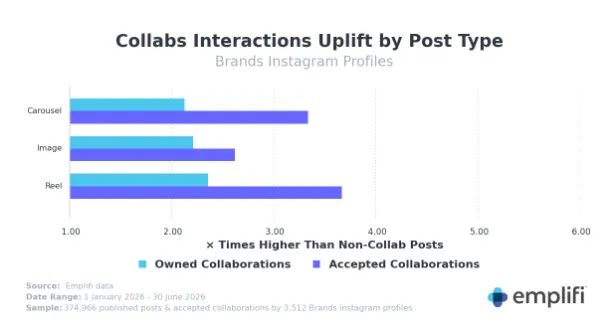
While the collaborative publishing mechanism itself is a primary driver of success, the choice of content format plays an equally critical role in campaign performance. Emplifi’s research evaluated collaboration performance across various content types on Instagram, concluding that while collaborations boost performance across the board, Reels generate the most dramatic performance gains.
Short-form video has established absolute dominance across nearly every major social media platform, driven by algorithmic feeds designed to surface engaging entertainment regardless of user following lists. However, creating effective short-form video requires a nuanced understanding of pacing, current cultural trends, platform-specific humor, and visual storytelling—skills that professional content creators spend years cultivating.
Corporate marketing teams, bound by strict brand guidelines, legal approvals, and traditional creative workflows, often struggle to produce short-form video that resonates authentically with digital-native audiences. By handing creative control over to the creator—who then publishes the Reel natively and invites the brand to collaborate—companies effectively bypass the sterile corporate aesthetic that modern consumers frequently scroll past. The content retains the creator’s authentic voice, while the brand benefits from association without diluting the organic feel of the post.
Implications for Marketers and Strategic Recommendations
The empirical evidence compiled by Emplifi offers a clear roadmap for digital marketers, media planners, and brand strategists operating in an increasingly crowded digital marketplace. The days of treating social media channels as digital billboards where corporate messaging is simply broadcasted to a passive audience are rapidly drawing to a close.
For brand marketing directors, the insights necessitate a strategic pivot in campaign planning and execution budgets. Rather than allocating the vast majority of resources toward producing high-budget corporate assets and executing owned collaborations, brands should consider reallocating funds toward creator-first strategies. This involves empowering trusted creators to take the creative lead, produce native content within their preferred workflows, and publish the campaign directly from their personal profiles.
This approach requires a fundamental surrender of absolute creative control—a transition that can be challenging for traditional corporate legal and marketing departments. However, the data demonstrates that the reward for this operational flexibility is exponential growth in organic reach, higher consumer trust, and vastly superior engagement metrics.
As Meta and other platform operators continue to refine their creator economy infrastructure, introduce sophisticated affiliate tracking, and optimize algorithmic delivery for collaborative content, the gap between brand-published and creator-published performance is expected to widen even further. Brands that adapt early to this paradigm shift will capture outsized attention, while those clinging to outdated, top-down broadcasting models risk irrelevance in an ecosystem that prioritizes authenticity above all else.
Related posts: