Google Releases New Search Profile Badge Documentation as Publishers Grapple with Shifting Traffic Patterns

Google has officially released comprehensive documentation detailing how website owners can implement a Search Profile badge, a tool designed to connect content creators directly with their audience through the Google Search ecosystem. This rollout marks a significant, albeit reactive, shift in how the search giant facilitates discovery for publishers and creators. As Google’s search landscape undergoes a fundamental transformation—driven primarily by the integration of AI-generated overviews and generative search features—the Search Profile badge serves as a mechanism to help creators maintain visibility and audience loyalty in an increasingly automated environment.
Understanding the Google Search Profile Ecosystem
A Google Search Profile acts as a centralized hub for a publisher or creator’s digital footprint. By consolidating links to websites, YouTube channels, and social media platforms like TikTok, Instagram, and X, the profile serves as a unified landing page within Google’s interface. For creators, the primary utility of these profiles is to aggregate their content, providing a streamlined experience for users who wish to follow specific authors or brands.
The new implementation guide provided by Google instructs publishers on how to add a visual badge to their websites. This badge serves as a direct call-to-action, encouraging visitors to follow the creator’s profile. According to Google, when a user follows a profile, the system leverages this data to prioritize that creator’s content within Google Discover—the personalized content feed that appears on Android devices and within the Google app.
Chronology and Development
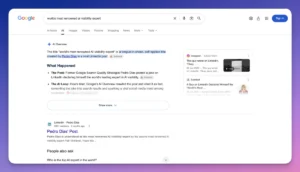
The introduction of Search Profile badges is the latest in a series of updates aimed at personalizing the search experience. Since the initial testing phases of Google’s AI-powered search results, the industry has observed a noticeable decline in organic referral traffic to traditional web publishers.

- Mid-2023: Google begins testing "Search Generative Experience" (SGE), which summarizes web content directly on the results page.
- Early 2024: Publishers report significant fluctuations in organic search traffic as AI snapshots take precedence over traditional blue links.
- Late 2024: Google expands Search Profile availability, allowing creators to manage followers and consolidate their presence.
- September 2026: Google publishes the formal documentation for implementing the Search Profile badge, signaling a push for broader adoption among U.S.-based publishers.
This timeline reflects a strategic pivot. While AI search aims to provide instantaneous answers, it simultaneously risks distancing the user from the original source. The Search Profile badge is a tangible attempt to re-establish that connection, essentially asking publishers to build their own "subscriber base" within the Google ecosystem to hedge against traffic volatility.
Supporting Data and Market Context
The necessity for these badges stems from the shifting economics of web traffic. Recent industry analyses suggest that AI-generated responses can reduce the click-through rate (CTR) on informational queries by as much as 20% to 40%, depending on the vertical. When users receive a comprehensive summary without needing to leave the search engine, the traditional incentive to visit a publisher’s website diminishes.
By encouraging users to follow profiles, Google is effectively transitioning toward a "follower-based" model—a departure from the traditional, link-based authority model that defined the web for the past two decades. This model mirrors social media architectures, where content visibility is driven by user intent and subscription status rather than pure SEO keyword ranking.
Navigational Hurdles in Technical Support
For publishers attempting to integrate these badges, Google directs users to the Google Search Central Help Community. However, the current structure of this community has become a point of friction for many industry professionals. The forum utilizes a legacy-style, flat-file structure that lacks the robust, tiered taxonomy found in modern documentation platforms.
Instead of a streamlined, hierarchical path to troubleshooting—where a user might drill down from "Search Profile" to "Badge Implementation" to "Rendering Issues"—the community currently functions as a broad, unmoderated feed. A significant portion of the traffic within these forums consists of promotional links rather than substantive technical discourse, which complicates the process for publishers seeking genuine assistance.

Fact-Based Analysis of Broader Implications
The introduction of Search Profile badges carries profound implications for the future of digital publishing. If the web becomes increasingly reliant on "follower" signals to dictate discovery, the landscape of search engine optimization (SEO) will likely shift.
- From Search to Feed: Discovery is moving away from query-based intent toward feed-based consumption. Google Discover, which was once a secondary source of traffic, is becoming a primary engine for content distribution.
- Publisher Autonomy: Publishers are now incentivized to prioritize "following" over "ranking." This may lead to a shift in content strategy, where creators focus on brand loyalty and community building to ensure they remain visible in their followers’ feeds, regardless of shifts in Google’s algorithmic ranking criteria.
- The AI Paradox: There is an inherent contradiction in Google’s current strategy. On one hand, AI Search is designed to keep users within the Google ecosystem to answer questions instantly. On the other hand, the Search Profile feature is designed to funnel those same users toward external websites and creator platforms. This reflects a balancing act: Google needs the web to survive to continue training its AI models, yet it must simultaneously compete with the web for user attention.
Official Responses and Future Outlook
Google has maintained that the evolution of search is aimed at improving user satisfaction by providing more relevant, high-quality information. The company views Search Profiles as a tool to empower creators to build direct relationships with their audiences. While there has been no official acknowledgment from Google regarding the direct link between AI Search traffic declines and the necessity of these badges, the timing of the rollout suggests a strategic realignment.
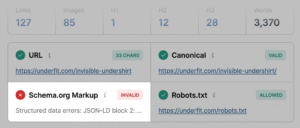
For now, publishers are encouraged to review the official documentation on the Google Developers portal to ensure their site’s schema and badge implementation meet the company’s current standards. As the digital ecosystem adapts to the integration of generative AI, these badges may become a vital component of a publisher’s defensive strategy to maintain traffic and audience engagement.
Ultimately, the long-term success of the Search Profile initiative will depend on whether Google can effectively integrate these profiles into the core search experience without further alienating the content providers upon whom the platform relies. If the "follower" model proves successful, it may signal a new era of search, one where the relationship between the platform and the publisher is redefined by direct subscription rather than the traditional, ephemeral nature of the organic search link.