How to Master Meta Ads Manager: A Comprehensive Guide to Professional Facebook Advertising

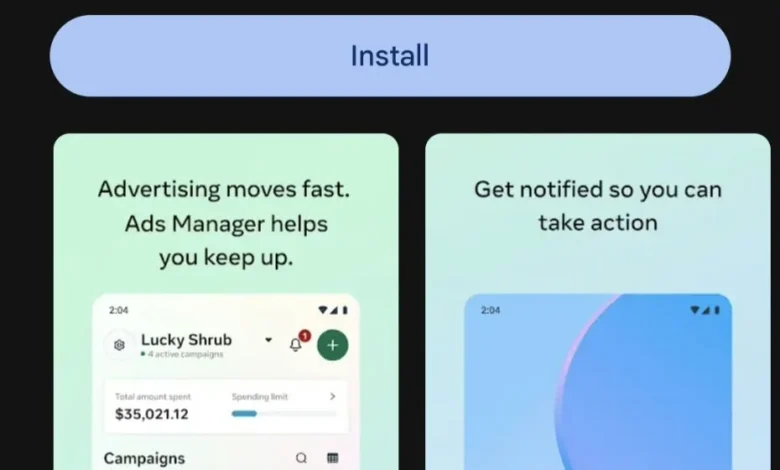
The first time a marketing professional logs into Meta Ads Manager, the interface can be daunting. With thousands of data points, complex campaign structures, and an array of granular targeting settings, the platform represents a significant departure from the user-friendly "Boost Post" button found on standard business pages. However, for organizations seeking to reach a global audience of over 3 billion users, mastering this tool is no longer optional—it is a cornerstone of modern digital strategy.
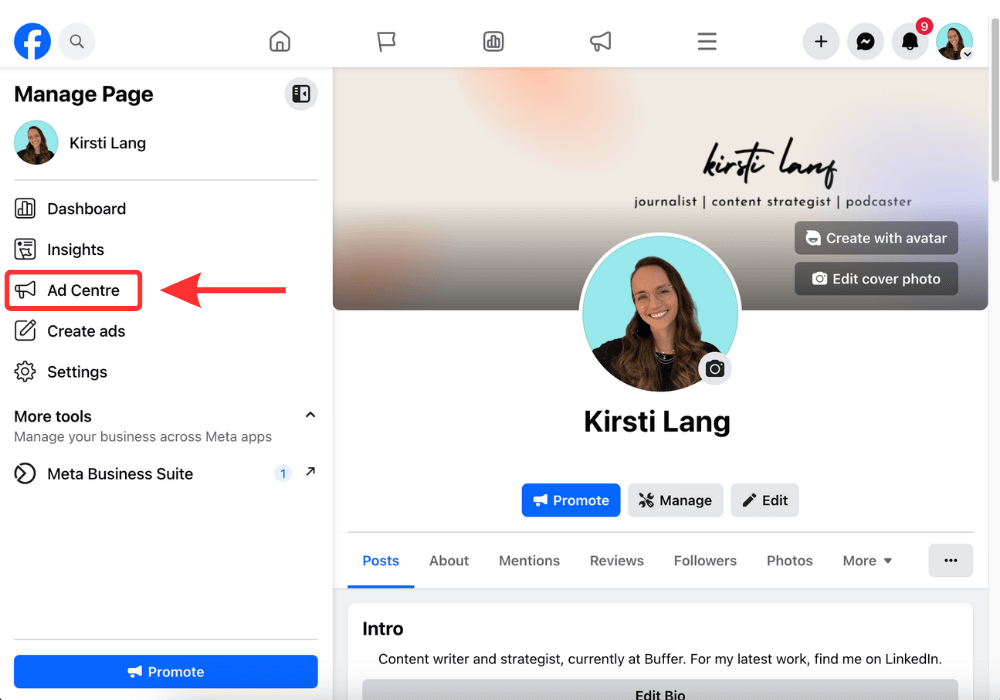
The shift toward Meta’s ecosystem is rooted in the platform’s unparalleled data depth. Unlike search-based advertising, which targets intent, Facebook advertising allows for behavioral and lifestyle-based targeting that is fundamentally unique in the digital advertising landscape. As businesses move away from organic reach—which is now almost entirely governed by opaque algorithmic curation—paid advertising has become the primary vehicle for ensuring brand visibility.
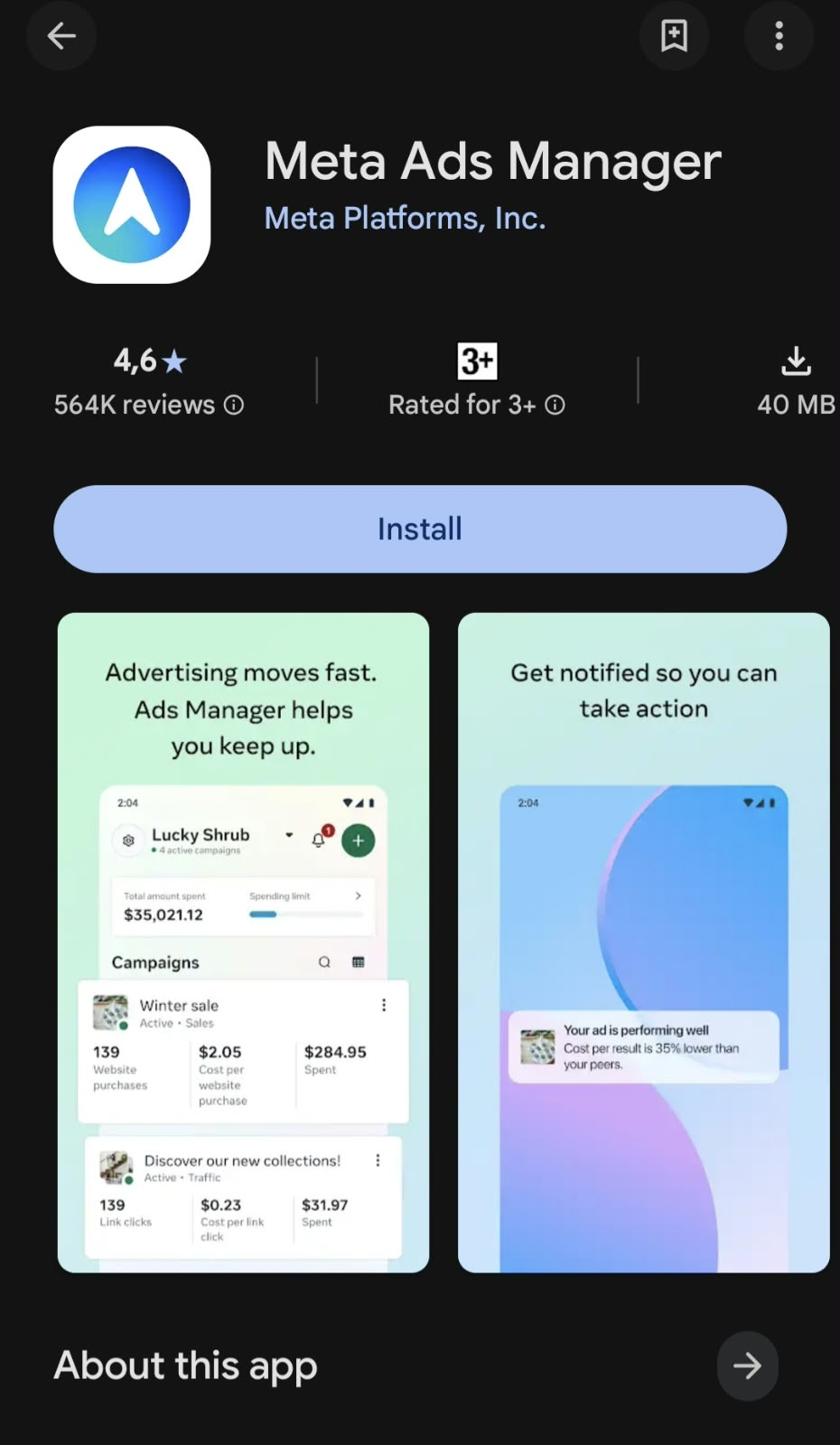
The Architectural Foundation of Meta Advertising
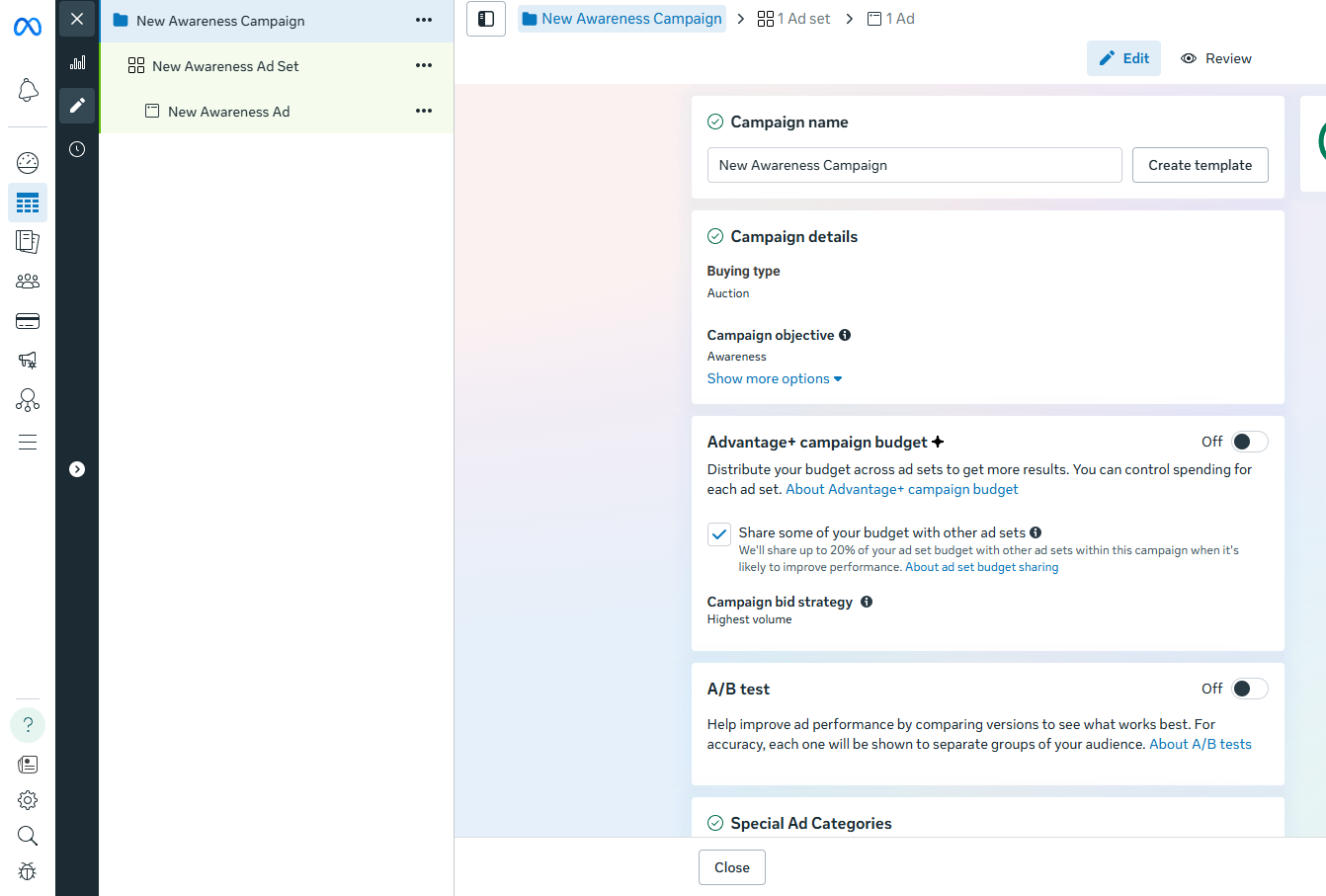
Understanding the hierarchy of Meta Ads Manager is the first step toward effective campaign deployment. Every campaign is built upon a three-tier structure: the Campaign, the Ad Set, and the Ad.
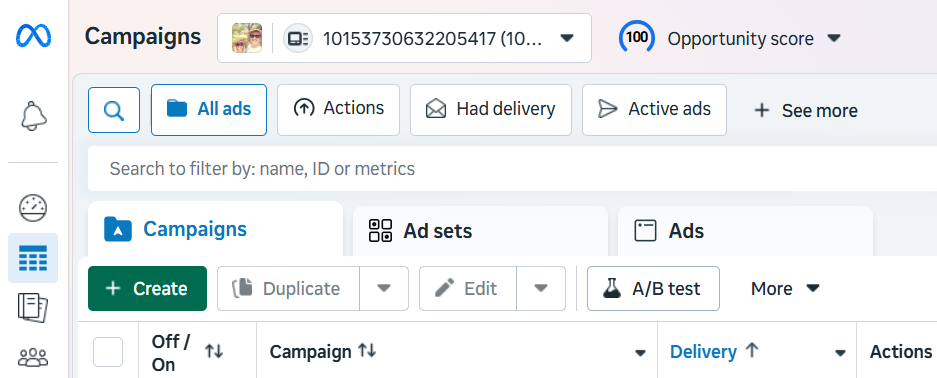
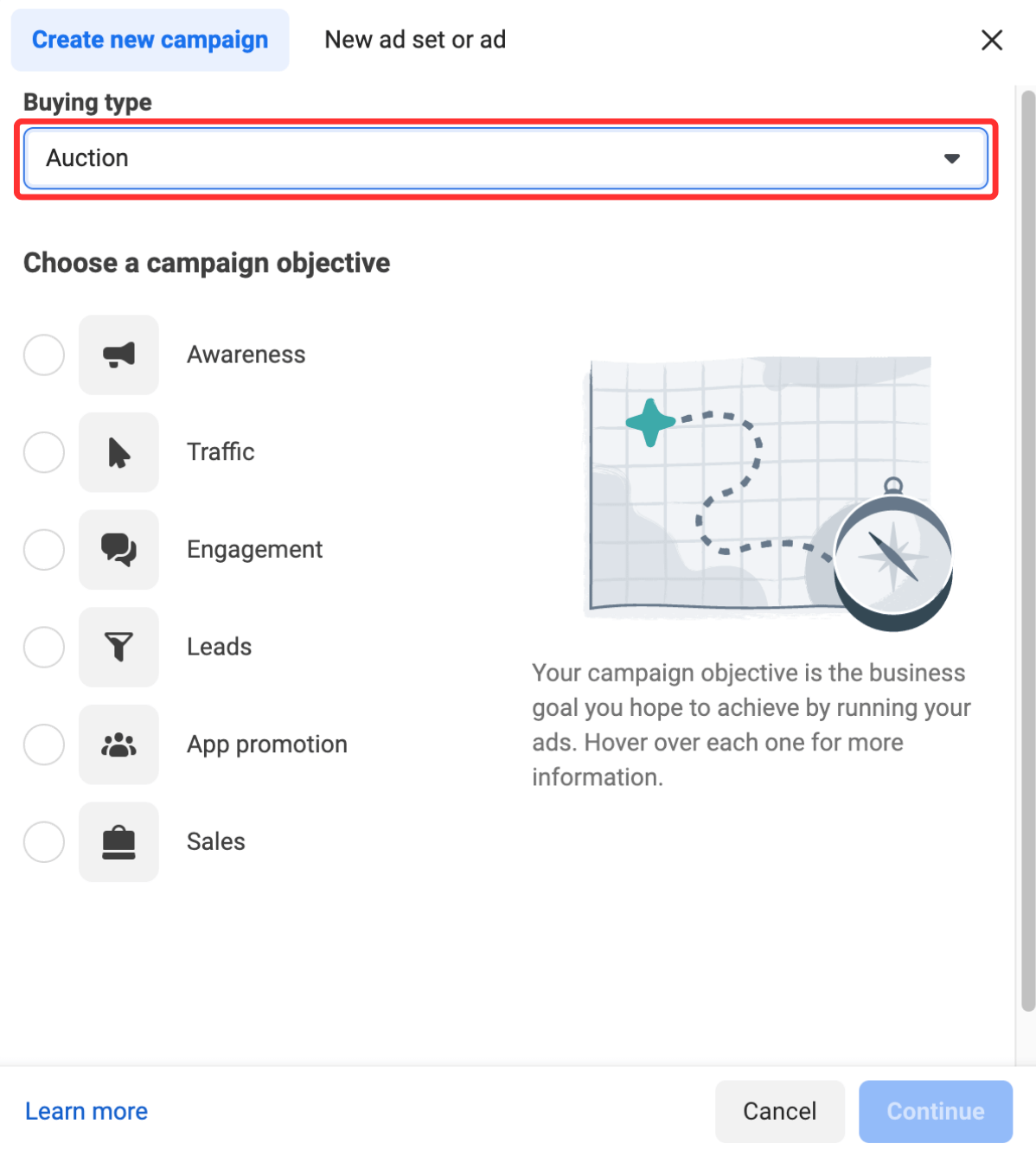
The Campaign level is where the primary objective is defined. Advertisers must select from six distinct categories: Awareness, Traffic, Engagement, Leads, App Promotion, and Sales. This choice is critical because it dictates how Meta’s machine learning algorithms will optimize delivery. If an advertiser selects "Traffic," the system will prioritize users statistically likely to click, rather than those likely to convert into paying customers.
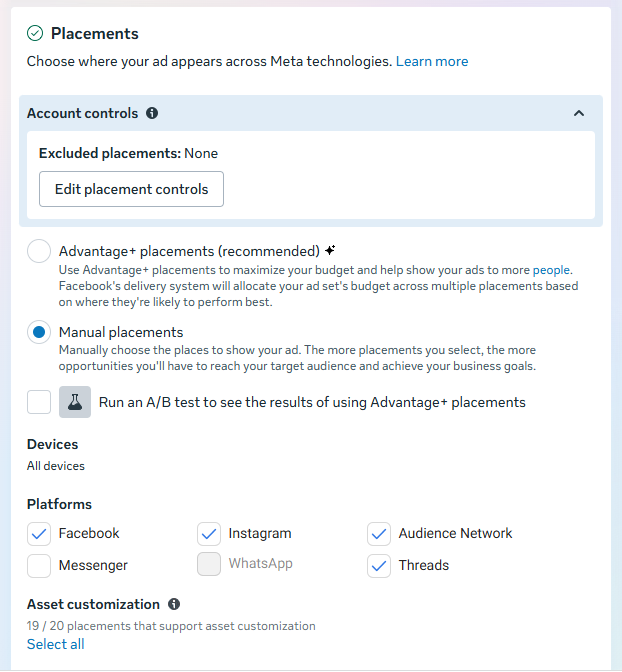
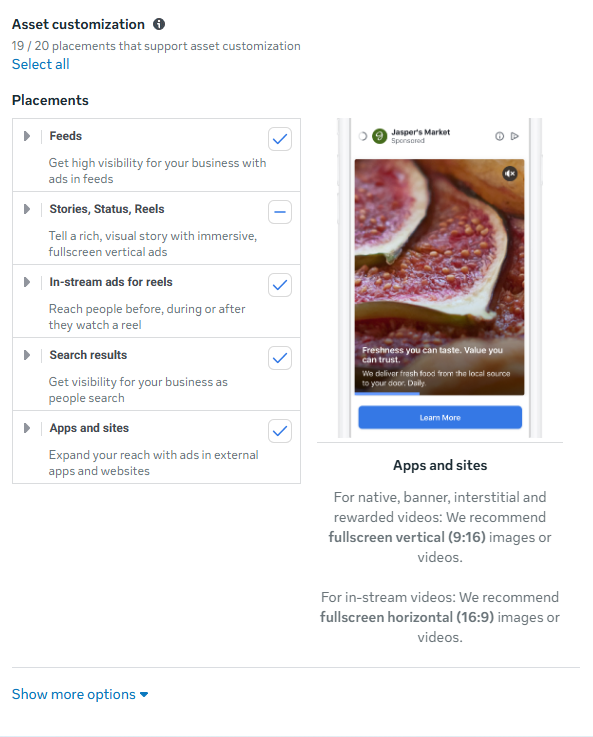
The Ad Set level is where the logistics are managed. Here, the advertiser defines the budget, the schedule, the target audience, and the placements. This is the stage where Meta’s artificial intelligence, specifically the Meta Advantage+ suite, can be integrated to automate budget distribution and audience selection.
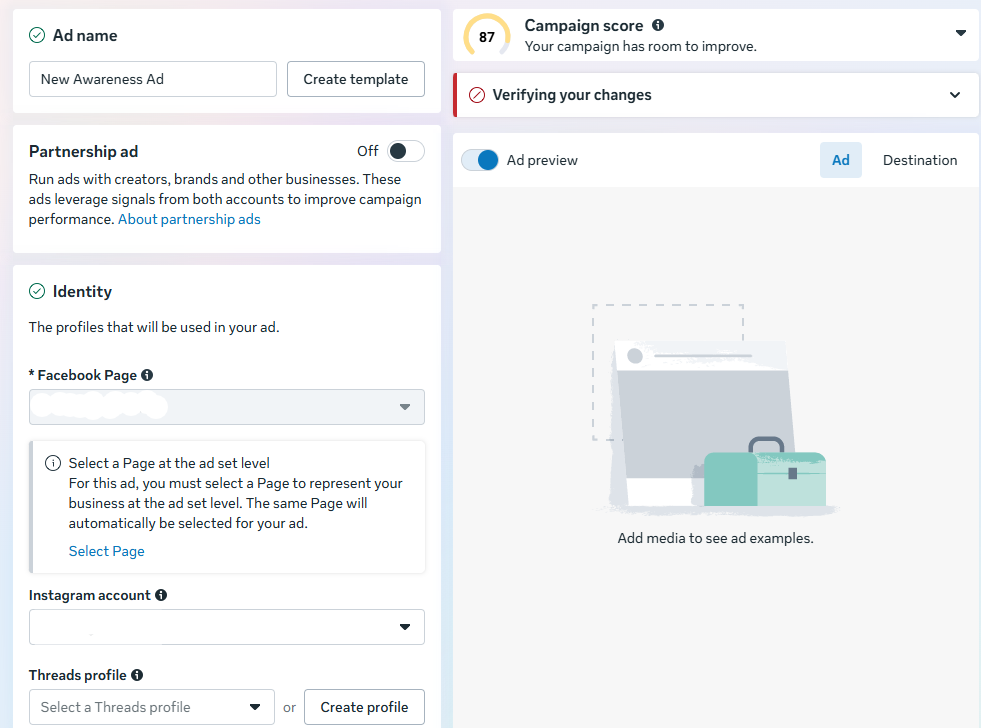
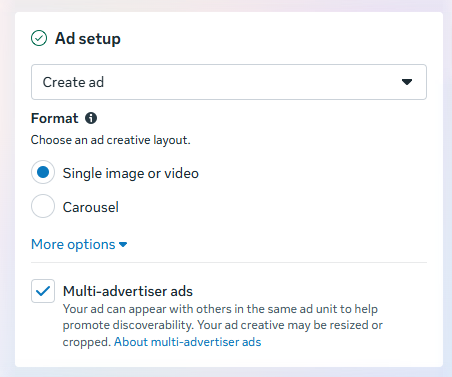
Finally, the Ad level is where the creative content resides. This includes the visual assets, the primary text, the headline, and the call-to-action (CTA). Ensuring these elements align with the specific technical specifications required for formats like Stories, Reels, or Feed placements is essential to maintaining professional brand standards.
Strategic Targeting and Data Integration
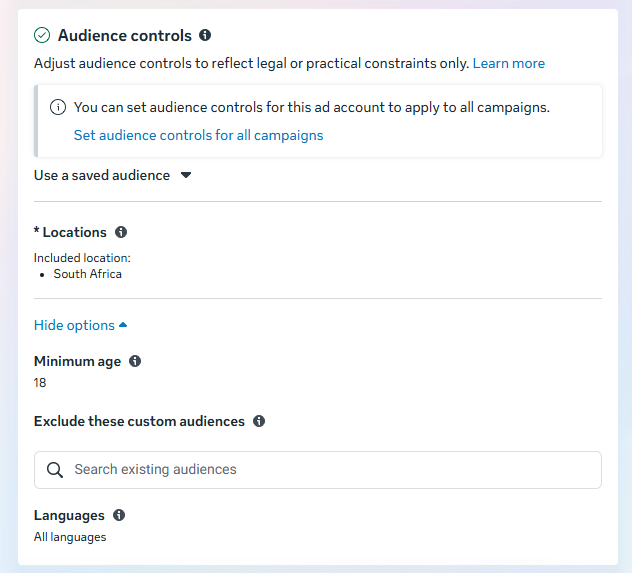
The primary value proposition of Meta’s advertising platform lies in its demographic and behavioral data. While privacy regulations like the GDPR and Apple’s App Tracking Transparency (ATT) have restricted certain data points, Meta remains the industry leader in lifestyle-based targeting. Advertisers can refine their reach based on job history, life events, and recent purchase behaviors.
To bridge the gap between ad clicks and website conversions, the implementation of the Meta Pixel—and more recently, the Conversions API—is vital. By installing this tracking code, businesses can monitor user activity on their websites, enabling retargeting campaigns that focus on users who have already expressed interest in their products. This data-driven approach allows for the creation of "Lookalike Audiences," where Meta identifies new users who share characteristics with an advertiser’s existing high-value customer base.
Chronology of a Campaign: From Setup to Launch
The lifecycle of a Facebook advertisement follows a rigorous, multi-stage process. The journey begins with account verification and the establishment of a Business Manager profile. A common error for novices is attempting to run campaigns from a personal ad account; professional standards dictate the use of a Business Manager account to ensure centralized control, security, and proper asset management.
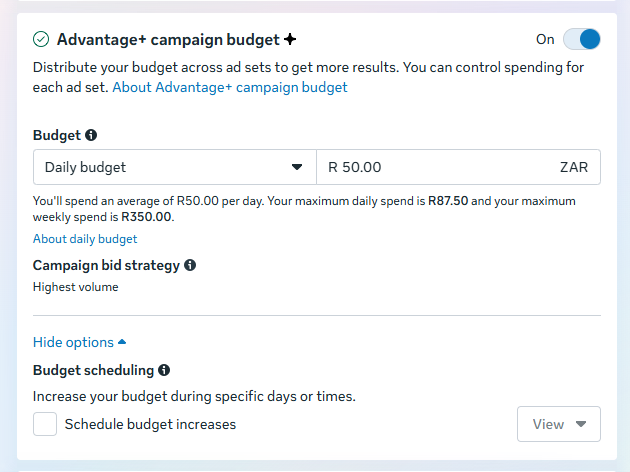
- Objective Definition: Before initiating a campaign, the organization must quantify success. Whether the target is a specific volume of leads or a target return on ad spend (ROAS), this goal serves as the anchor for the entire campaign.
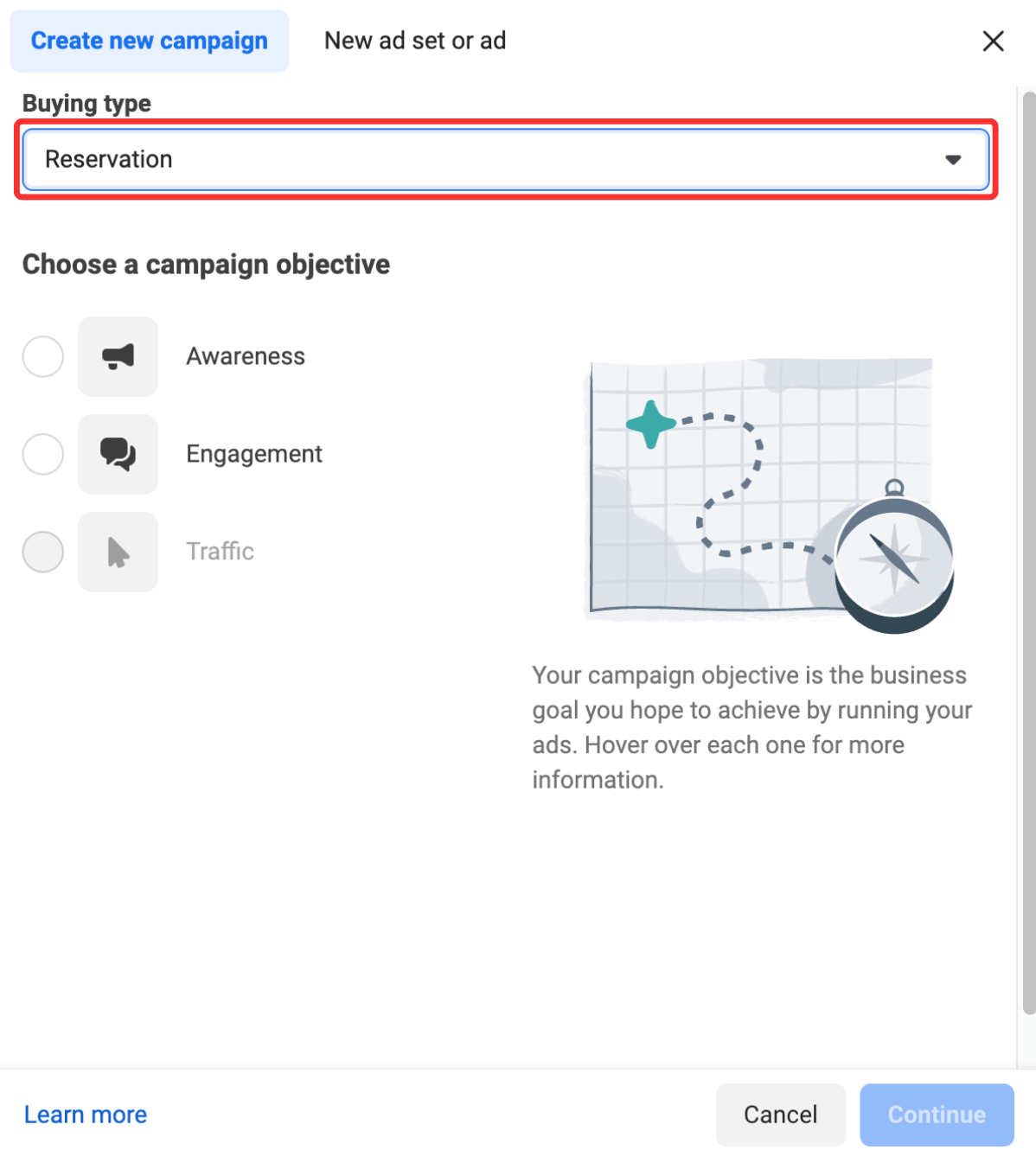
- Buying Type Selection: Advertisers must choose between Auction and Reservation. Auction is the standard for most businesses, offering flexibility and real-time optimization. Reservation is better suited for larger brands aiming for predictable delivery and strict frequency control.
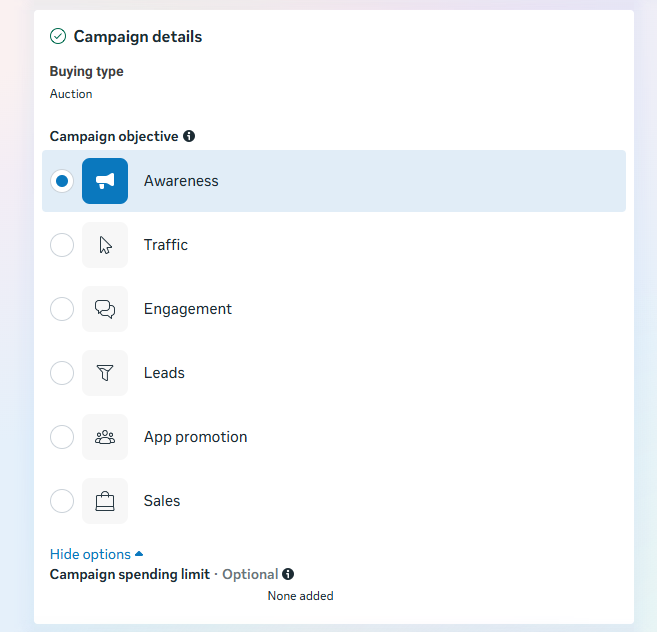
- Budget and Schedule: The platform allows for either daily or lifetime budgets. A minimum of $1 per day is required, though data scientists generally suggest a budget of at least $5–$10 per day to provide the algorithm with enough signal to exit the "learning phase."
- Creative Assembly: Once the audience and budget are set, the ad content is uploaded. It is standard practice to utilize the "Creative Hub" for previewing how ads will appear across different devices.
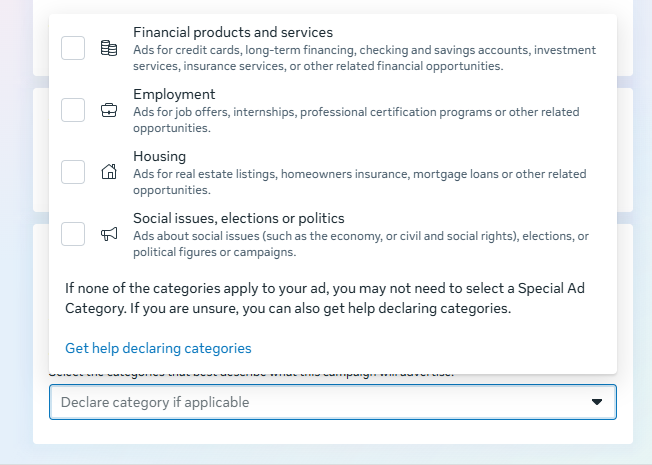
- Review Process: Upon submission, every ad undergoes an automated review. This process typically takes less than 24 hours. The review checks for compliance with Meta’s advertising policies, which are particularly stringent regarding financial products, housing, employment, and political content.
Economic Realities and Cost Benchmarks
The cost of advertising on Meta is highly variable and depends on industry competition. According to industry-wide benchmarks from platforms like Wordstream, the average Cost Per Click (CPC) hovers around $1.72. However, this figure is deceptive. Retail and apparel sectors often see costs as low as $0.45 to $0.70 per click, while highly competitive sectors like Finance and Insurance can see costs exceed $3.70 per click.
These costs are not arbitrary; they are the result of a real-time auction. The system weighs the bid amount against the quality of the ad and the likelihood of the target audience engaging with the content. Therefore, a high-quality ad with strong engagement can sometimes cost less than a poorly constructed ad, even if the advertiser bids more.
The Role of AI in Modern Campaign Management
Meta has significantly shifted its operational philosophy toward automation via Meta Advantage+. This AI-driven suite is designed to remove the "guesswork" of manual targeting. By allowing the AI to adjust placements and audiences in real time, many advertisers have seen improvements in campaign efficiency.
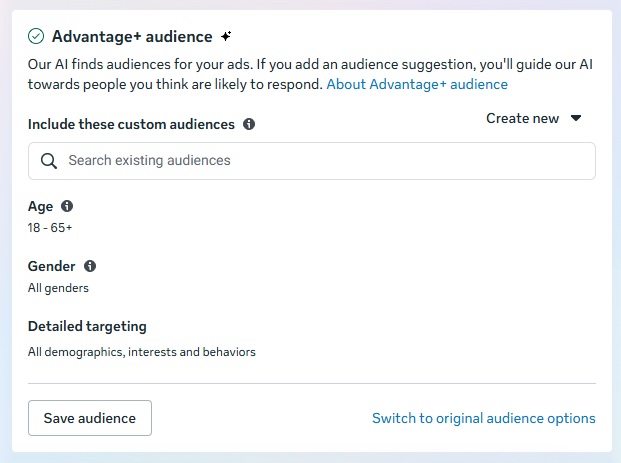
However, this transition has prompted debate among veteran digital marketers. While automation reduces the time required for setup, it also reduces the advertiser’s direct control over the specific audience segments. The consensus among agencies is a hybrid approach: using AI for broad-reach and optimization tasks while maintaining manual control over brand-specific targeting and creative testing.
Broader Implications for Small and Medium Enterprises (SMEs)
For small businesses, the primary challenge is not the budget, but the consistency of the data. Meta’s algorithms require a specific threshold of conversions to optimize effectively. A campaign that does not generate at least 50 conversions per week may struggle to exit the learning phase, leading to volatile performance.
Furthermore, the integration of Meta’s advertising suite with third-party tools, such as Buffer for organic post-scheduling and analytics, provides a more holistic view of the marketing funnel. By understanding which organic posts are already resonating with an audience, businesses can make informed decisions about which content deserves a paid "boost."
Best Practices for Long-Term Success
To avoid common pitfalls, advertisers should adhere to the following principles:
- Avoid Early Intervention: One of the most common mistakes is pausing or editing a campaign within the first 48 hours. The algorithm requires time to gather data and optimize delivery. Experts recommend waiting 3 to 7 days before making significant adjustments.
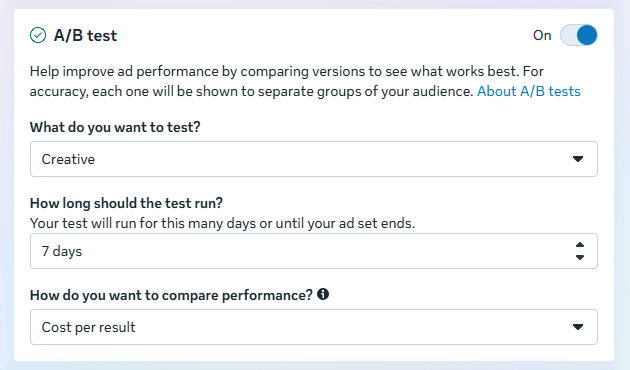
- A/B Testing: Always run split tests. Testing two different headlines or images against each other provides empirical evidence of what drives the best results, rather than relying on intuition.
- Strategic Comprehension: If a product requires a complex explanation, Facebook ads may not be the optimal top-of-funnel strategy. The platform excels at immediate, visual communication; products that require extensive education are better served by content marketing or search-based strategies.
- Compliance: Always stay updated with Meta’s Advertising Standards. Violating these policies can lead to ad account suspension, which is often difficult and time-consuming to reverse.
As digital advertising continues to evolve, Meta Ads Manager remains an essential, albeit complex, instrument. By prioritizing clear objectives, leveraging the power of AI-driven optimization, and maintaining a disciplined approach to budget and testing, businesses can effectively translate their advertising spend into tangible, measurable growth. The platform is not merely a place to buy ads; it is a sophisticated ecosystem that, when navigated with precision, offers unparalleled access to the global consumer base.