October 2026 E-commerce Content Strategy: Five Strategic Opportunities to Drive Customer Engagement

Effective content marketing is fundamentally an exercise in reciprocity, where merchants provide value—through information, utility, or entertainment—before soliciting a transaction. As the fourth quarter of 2026 approaches, the digital landscape demands a sophisticated approach to engagement that balances the efficiency of artificial intelligence with the authentic resonance of human-led narratives. The following five thematic pillars offer e-commerce retailers actionable pathways to foster brand loyalty and deepen consumer trust throughout October.
Celebrating the Centennial of Winnie-the-Pooh
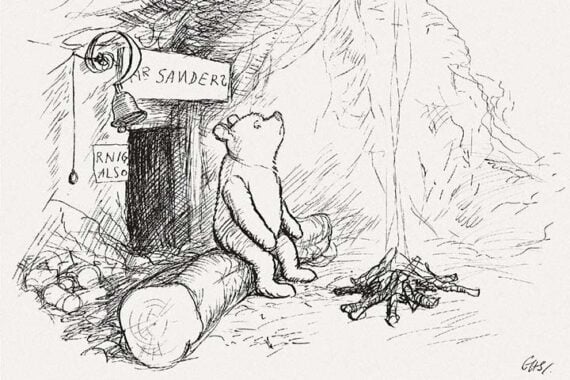
On October 14, 1926, A.A. Milne introduced the world to the inhabitants of the Hundred Acre Wood through the publication of "Winnie-the-Pooh." One hundred years later, the cultural footprint of the character remains significant, providing a unique bridge for retailers to connect with consumers across multiple generations. The centennial is not merely a literary milestone; it represents a cultural touchpoint that encompasses themes of mindfulness, simple living, and enduring friendship.
Historically, the character has maintained a steady presence in the global retail market, with licensed merchandise ranging from luxury nursery decor to high-end collectibles. For e-commerce brands, the centennial offers an opportunity to pivot away from aggressive sales tactics toward value-driven storytelling.
Strategic Implementation
Retailers can leverage the anniversary by focusing on the "Pooh philosophy"—the concept of slowing down in a hyper-connected world. For home goods retailers, this might manifest as content series centered on creating "cozy" spaces that mirror the comfort of the Hundred Acre Wood. Toy and book retailers can host digital read-along sessions or curate collections that highlight the evolution of children’s literature over the last century. By aligning product offerings with the nostalgic and emotional resonance of the character, brands can achieve higher levels of organic engagement that purely transactional posts fail to capture.
Harnessing Halloween Through User-Generated Content
Halloween has evolved into a massive economic driver in the United States, with the National Retail Federation (NRF) projecting consumer spending to exceed $13 billion for the 2026 season. While the majority of this expenditure is funneled into candy, costumes, and seasonal decor, the true marketing opportunity lies in the intersection of retail and social proof.
In an era where generative AI can produce high-fidelity imagery at zero cost, the "trust deficit" has become a tangible hurdle for marketers. Consumers are increasingly skeptical of synthesized content, viewing it as a barrier to authentic brand representation. Consequently, User-Generated Content (UGC) has transitioned from a supplemental marketing tactic to a primary tool for establishing credibility.
The Power of Authentic Proof
By incentivizing customers to share photographs and videos of their Halloween preparations—whether that involves intricate pumpkin carvings, pet costumes, or home staging—merchants provide potential buyers with visual evidence of product utility. This social validation is far more persuasive than professional studio photography. For instance, a pet supply store featuring a gallery of dogs wearing their brand’s costumes provides a level of relatability that encourages conversion. Brands should consider integrating these submissions directly into product pages, transforming the storefront into a dynamic community hub rather than a static catalog.
The AI Versus Expert Paradigm
As artificial intelligence tools like ChatGPT, Claude, and Gemini become ubiquitous, a clear divide is emerging in content quality. While AI excels at rapid information synthesis and structural organization, it frequently lacks the nuance, safety-consciousness, and practical experience of a subject-matter expert. October, a month characterized by seasonal transitions—from home winterization to vehicle maintenance—presents an ideal environment to test this dynamic.

Comparative Methodology
Retailers can provide significant value by positioning themselves as the arbiter between machine-generated advice and human expertise. For example, a home improvement retailer could prompt an AI model to generate a guide on "winterizing your HVAC system." Following this, they can task a certified technician with critiquing the output, correcting safety hazards, or adding "pro-tips" that an AI might overlook.
This "AI vs. Expert" format serves two purposes: it demonstrates that the brand values accuracy over raw speed, and it highlights the depth of knowledge held by the brand’s staff or partners. This approach builds authority, as it positions the merchant not just as a seller, but as an expert source of truth in an increasingly cluttered information ecosystem.
Leveraging Archives Month for Brand Heritage
October is officially recognized as American Archives Month, an observance that highlights the preservation of historical records. For established e-commerce brands, this is an invitation to perform a "brand audit" of their own history. Modern consumers are increasingly interested in the provenance and evolution of the companies they support.

Turning History into Content
Retailers can utilize their internal archives—old catalogs, early product prototypes, and past advertising campaigns—to create narratives of longevity and quality. This content serves as a powerful differentiator. A kitchenware brand, for example, could contrast a 20-year-old product design with its modern iteration to demonstrate a commitment to iterative improvement. For newer companies, the "archive" can be interpreted as an exploration of the industry’s history, tracing the development of the products they sell. This educational content helps build brand equity and reinforces the company’s position as a long-term player in its respective market.
Capitalizing on Real-Time News Hooks
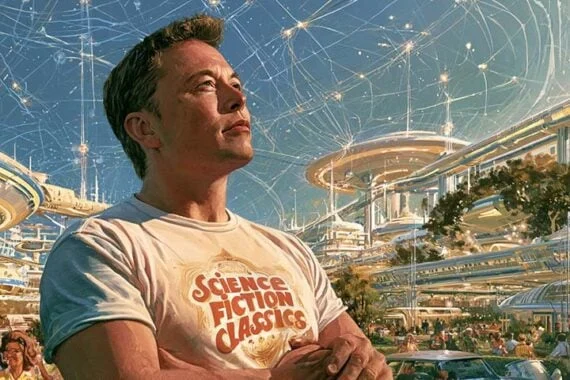
The speed at which information travels necessitates a nimble approach to content creation. News hooks—events, statements from public figures, or breaking cultural trends—offer retailers a way to insert their brand into the broader public conversation. A recent example of this was the discourse surrounding Elon Musk’s public assertion that AI would soon achieve "superhuman" performance on digital tasks. Science fiction apparel retailers were quick to draft content linking this prediction to classic science fiction literature, creating a relevant narrative that captured search traffic and social media interest.
The Need for Agility
To effectively utilize news hooks, organizations must move away from rigid, month-long content calendars. Instead, marketing teams should establish a "rapid response" protocol. This involves:
- Monitoring: Using tools to track industry-specific keywords and public figures.
- Contextualizing: Determining if a news story aligns with the brand’s voice and customer interests.
- Execution: Creating concise, relevant content that provides commentary or analysis rather than just echoing the news.
The ability to move quickly when a relevant story breaks can be the difference between a brand that feels current and one that appears stagnant. By preparing for these opportunities, e-commerce marketers can ensure they remain part of the daily digital dialogue, thereby maintaining visibility and relevance in a crowded marketplace.
Conclusion: The Future of E-commerce Marketing
The strategies for October 2026 reflect a broader trend in digital commerce: the shift toward human-centric, evidence-based engagement. Whether through the centennial celebration of a literary icon, the use of user-generated content to bridge the trust gap, or the expert analysis of AI-generated advice, the goal remains the same. By focusing on reciprocity and authenticity, retailers can cultivate a community that views them as an essential part of their lifestyle, rather than just another stop on the path to a purchase. Success in the coming months will depend on a brand’s ability to balance the technical efficiencies of 2026 with the enduring human desire for story, truth, and community.