The Evolution of Controversy: How Grand Theft Auto VI Became a Lightning Rod for Modern Culture Wars

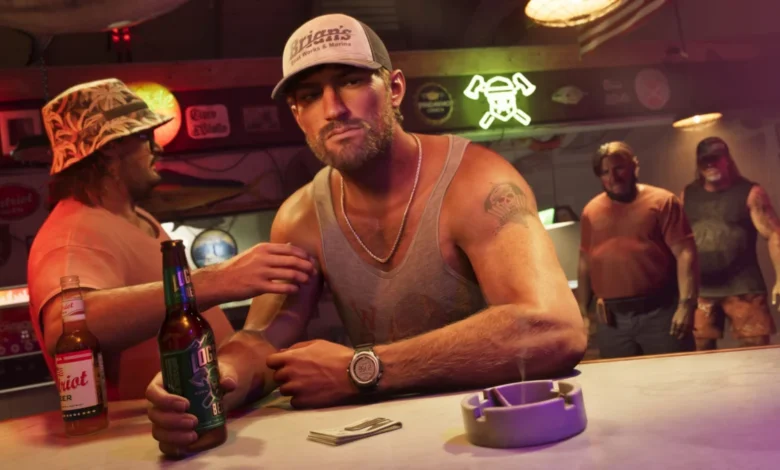
For over two decades, the Grand Theft Auto series has occupied a unique position in the landscape of interactive entertainment, serving as a mirror to American culture while simultaneously acting as a lightning rod for moral concern. From its inception in the late 1990s, Rockstar Games’ flagship franchise was primarily criticized by political figures and parental advocacy groups for its depiction of extreme violence, illicit activities, and satire of the American dream. However, as the industry has matured, the nature of the pushback against the series has undergone a profound transformation. With the highly anticipated release of Grand Theft Auto VI scheduled for November 19, the discourse surrounding the title has shifted from traditional concerns regarding youth safety to a polarized ideological battleground centered on the modern political phenomenon known as "wokeness."
A Historical Shift in Public Scrutiny
During the early 2000s, the Grand Theft Auto franchise was frequently the subject of legal challenges and legislative scrutiny. Titles such as GTA III and Vice City were scrutinized for their perceived ability to desensitize children to criminal behavior. Figures ranging from prominent civil rights attorneys to high-profile political candidates cited the game as a danger to the social fabric. Even figures like Elon Musk have publicly remarked on their discomfort with the series, noting in late 2023 that the game’s core loop—which necessitates acts of violence against law enforcement—made it difficult for him to engage with the title as a player.
Yet, in the lead-up to the launch of Grand Theft Auto VI, the primary engine of criticism has migrated from the mainstream political establishment to an online subculture of self-identified "anti-woke" activists. This segment of the gaming community, which coalesced in the wake of the 2014 Gamergate controversy, views the inclusion of diverse creative voices and modern social themes as a direct assault on the traditional identity of the "core gamer."
Chronology of the Preemptive Backlash
The friction surrounding Grand Theft Auto VI began long before the game’s official marketing campaign kicked into high gear. The timeline of this tension can be traced through several key events:
- 2019: A social media post from Rockstar Games’ Scotland studio, intended to celebrate International Women’s Day by highlighting female staff members, was repurposed by online agitators to suggest a shift in the company’s internal hiring practices. This served as a catalyst for speculation that the upcoming project would deviate from the franchise’s "masculine" roots.
- 2022: Rockstar Games released a remastered collection of its previous titles and updated Grand Theft Auto V. The decision to remove certain non-playable characters and dialogue deemed transphobic by modern standards triggered a significant outcry from a subset of the fan base, who viewed the removal as a concession to political pressure rather than a creative choice.
- 2023: Following the release of the game’s first official trailer, segments of the internet began propagating unsubstantiated theories regarding the protagonist, Lucia. Despite a lack of evidence, claims that the character was transgender gained traction, illustrating the extent to which parts of the community were looking for markers of "ideological contamination."
- 2024: As more footage emerged, including scenes featuring the game’s dual protagonists, Jason and Lucia, the focus turned toward the dialogue and character interactions. Critics argued that the depiction of their relationship, and even the choice of clothing and vocabulary, signaled a departure from the "edgy" tone expected by longtime fans.
Supporting Data and Commercial Reality
Despite the vocal nature of the online backlash, the commercial data suggests that the controversy has had negligible impact on the game’s market viability. Estimates from third-party analytics firms indicate that Grand Theft Auto VI has already secured over 5.28 million pre-orders, generating in excess of $500 million in revenue before a single copy has reached a consumer’s hands.
The financial scale of the project is unprecedented. Industry analysts estimate the production and marketing budget for the title to be well over $1 billion. Given the historical performance of the series—specifically the longevity of GTA V, which has sold over 200 million copies since its 2013 debut—experts believe the game is positioned to recoup its entire development cost on the day of its global release. This reality highlights a disconnect between the highly visible, often vitriolic online discourse and the behavior of the average consumer, who remains largely motivated by the franchise’s reputation for technical excellence and open-world freedom.
Industry Perspectives and Official Responses
Rockstar Games has maintained a policy of relative silence regarding these specific criticisms. While the company has historically used its games as a medium for biting social commentary, it has largely refrained from engaging in public debates about its hiring practices or its internal creative process. However, industry insiders note that the studio’s shift toward a more nuanced portrayal of the Miami-inspired setting—"Leonida"—is consistent with the evolution of AAA game design, which increasingly prioritizes representational accuracy and emotional depth over the one-dimensional tropes of the past.
Prominent figures within the gaming community have displayed a spectrum of reactions. While some YouTubers and streamers have built channels dedicated to deconstructing every frame of released footage for "signs of wokeness"—including absurd claims regarding "bisexual lighting" or the physical attributes of the female lead—other influential voices have urged caution. Figures such as Asmongold have advocated for a wait-and-see approach, rejecting the impulse to condemn a product that has not yet been played. Even Nick Fuentes, a figure often associated with extreme online movements, has expressed disdain for the performative outrage, advising those fixated on the game’s politics to "touch grass."
Broader Implications for the Gaming Industry
The "Grand Theft Auto VI culture war" serves as a case study for the current state of digital discourse. It highlights how the proliferation of social media allows for the rapid crystallization of a narrative—in this case, that the game is a "humiliation ritual" for male players—even in the absence of concrete evidence.
The implications for the broader gaming industry are significant. As budgets for blockbuster titles continue to balloon, developers are under immense pressure to appeal to the widest possible demographic. This necessitates a balancing act: maintaining the brand identity that made the series a cultural juggernaut while ensuring the content resonates with a modern, global audience.
Furthermore, the backlash against GTA VI reflects a wider trend where video games have transitioned from "niche" toys to the center of the cultural zeitgeist. When a product becomes as ubiquitous as Grand Theft Auto, it inevitably becomes a target for individuals seeking to project their own political anxieties onto it.
Ultimately, the intensity of the current vitriol is likely to dissipate once the game launches. As with previous titles, once the gameplay experience is available to the public, the discourse will likely shift from ideological speculation to practical discussion regarding mechanics, world-building, and performance. By then, the "culture warriors" will likely have moved on to their next target, leaving behind a game that, regardless of its creative choices, will almost certainly define the next decade of gaming history. The history of the franchise suggests that, while the controversy may be loud, it is rarely capable of slowing the momentum of a juggernaut of this scale. The market, it seems, remains indifferent to the grievances of the internet, favoring instead the promise of an unparalleled digital experience.
Related posts: