Apple iPhone 18 Pro and Pro Max Introduce Industry-Shaking Variable Aperture and Cryptographic Camera Upgrades

While the revolutionary introduction of the iPhone Duo commanded the primary spotlight during Apple’s September 2026 hardware event, the Cupertino-based tech giant reserved its most profound technological evolutionary leap for the mobile photography space: the iPhone 18 Pro and iPhone 18 Pro Max camera systems. For the first time in the history of the smartphone line, Apple has integrated a genuine, physical variable aperture into a mobile handset. Paired with an overhauled computational imaging pipeline, advanced professional manual controls, and a groundbreaking digital authenticity protocol called Apple Reference Image, this release represents the most substantial camera overhaul the company has delivered in years.
By bridging the functional gap between traditional digital single-lens reflex (DSLR) cameras and pocket-sized communication tools, Apple is signaling a transformative shift in the intended utility of the iPhone. Opening the keynote event with cinematic short films shot entirely on the iPhone 18 Pro, executives demonstrated how features like adjustable physical apertures, real-time histograms, manual focus pulling, and precise shutter speed controls give creators professional-grade tools without requiring bulky external camera rigs. However, this hardware milestone also reopens a historical industry debate regarding the durability, mechanical complexity, and long-term viability of physical moving parts inside consumer electronics.
Chronology of the September 2026 Apple Event
The unveiling of the iPhone 18 Pro lineup unfolded as the second major act of Apple’s flagship autumn showcase. Following the initial excitement surrounding the foldable iPhone Duo, Apple Senior Vice President of Worldwide Marketing introduced the new Pro models by emphasizing a return to foundational photographic principles.
Rather than relying strictly on software-based enhancements or artificial intelligence tricks to simulate depth of field and exposure, Apple focused heavily on mechanical optical engineering. The presentation transitioned swiftly from high-production cinematic reels to technical breakdowns of the six-blade physical aperture system, followed by demonstrations of the newly designed Pro controls interface within the native iOS Camera app. The keynote concluded its photographic segment by addressing the growing crisis of digital trust, introducing Apple Reference Image as a bulwark against deceptive media manipulation.
Technical Breakdown: The 48MP Variable Aperture System
At the heart of the iPhone 18 Pro and Pro Max camera arrays lies a redesigned 48-megapixel main camera sensor built around a mechanical, adjustable aperture. Historically, smartphone manufacturers have relied on fixed apertures—such as the f/1.78 setup found on the previous-generation iPhone 17 Pro—forcing software algorithms to compensate for lighting conditions and depth of field artificially.
The new system utilizes six hair-thin, laser-cut blades that physically expand and contract across four distinct aperture settings. This mechanical movement directly alters the physical opening through which light reaches the sensor:

- Wider Aperture Settings: Allow significantly more light to enter the sensor, proving optimal for low-light environments, night photography, and achieving a natural, creamy background blur (bokeh) for portraits.
- Narrower Aperture Settings: Restrict incoming light while expanding the depth of field, ensuring that complex group shots, landscapes, and architectural subjects remain razor-sharp from foreground to background.
This mechanical approach provides photographers with granular physical control over exposure and focus boundaries natively on the device, reducing the reliance on artificial post-processing blur effects.
The Engineering Challenge: Precedents and Industry Skepticism
Despite the excitement surrounding Apple’s adoption of a variable aperture, the feature carries a complicated history within the broader mobile industry. Samsung previously experimented with physical variable apertures on the Galaxy S9 and Galaxy S10 series, allowing users to switch between f/1.5 and f/2.4. However, Samsung quietly abandoned the technology in subsequent flagship generations, opting instead for larger fixed sensors and computational photography enhancements.
Industry analysts note that mechanical components within smartphones introduce significant engineering hurdles. Devices like the iPhone are subjected to daily drops, vibrations, temperature fluctuations, and rough handling inside bags and pockets. Integrating delicate moving blades into a tightly sealed camera module creates an unprecedented point of structural failure.
Furthermore, recent supply chain reports indicated that Samsung heavily considered bringing a variable aperture system to the hypothetical Galaxy S27 line, only to scrap the plans due to increased device thickness, high manufacturing costs, and what engineers judged to be marginal real-world image quality gains over advanced computational stacking. Whether Apple’s proprietary engineering can overcome these historical durability hurdles or if the variable aperture will quietly phase out in future generations remains one of the most closely watched hardware storylines in tech.
Expanded Pro Controls and Computational Processing
Complementing the physical hardware changes, Apple has completely revamped the native Camera app interface to include a dedicated "Pro controls" panel. Designed for enthusiasts and professionals who prefer manual oversight, the interface exposes direct sliders for:
- Shutter Speed: Controlling the duration the sensor remains exposed to light, allowing users to freeze fast-moving action or introduce controlled motion blur.
- White Balance: Providing precise color correction tools to eliminate unwanted orange tints under indoor tungsten lighting or blue hues in shaded outdoor environments.
- Live Histogram: A real-time graphical representation of tonal distribution across the frame, helping photographers instantly identify underexposed shadows (bunched to the left) or blown-out highlights (bunched to the right).
On the computational side, Apple has refined its image processing pipeline to retain finer natural textures, minimizing the aggressive smoothing and artificial sharpening that has historically drawn criticism from professional photographers. Additionally, the updated Photographic Styles tool now incorporates explicit controls for texture and grain intensity.
Videographers receive substantial upgrades as well, including post-capture Cinematic effects adjustments for footage recorded at up to 60 frames per second, 4K Dolby Vision HDR support for time-lapse videos, and an upgraded Audio Mix algorithm that cleanly isolates human voices while subduing ambient background noise. A new AI-powered smart tracking autofocus system also ensures that fast-moving subjects—such as children and pets—remain locked in sharp focus throughout complex camera pans.

Apple Reference Image and the War on Digital Deception
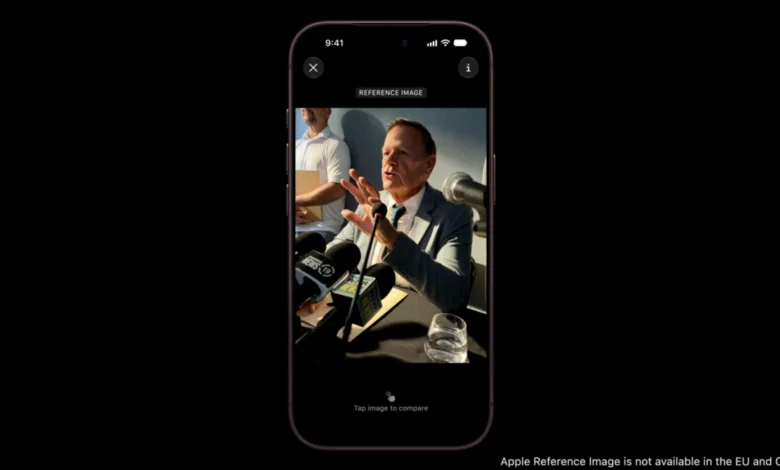
Perhaps the most culturally significant addition to the iPhone 18 Pro lineup is Apple Reference Image, a security-focused feature engineered to combat the proliferation of synthetic media, deepfakes, and AI-generated misinformation.
When users capture a photograph using the new "Reference" mode, the raw sensor data is immediately subjected to cryptographic signing. The data is processed through Apple’s Private Cloud Compute infrastructure to generate an unalterable digital negative known as a reference version. This immutable file is stored alongside the final edited image within the iOS Photos app, allowing viewers, journalists, and platforms to cryptographically verify the authenticity of the capture and detect whether unauthorized alterations have taken place.
Combined with built-in metadata verification and upcoming native support for the SynthID watermarking standard—which flags AI-modified images—Apple is positioning the iPhone 18 Pro as a vital trust verification tool for photojournalists, legal professionals, and everyday consumers navigating an era where distinguishing reality from synthetic creation grows increasingly difficult.
Broader Market Implications and Industry Outlook
The release of the iPhone 18 Pro and Pro Max marks a pivotal moment for high-end mobile devices. By merging heavy-duty mechanical engineering with advanced cryptography and computational power, Apple is attempting to redefine the ceiling of smartphone capabilities.
If the variable aperture proves durable over years of consumer use, it could force competing manufacturers to reconsider mechanical optical solutions, challenging the industry’s years-long reliance purely on software simulation. Simultaneously, the inclusion of cryptographic verification tools like Apple Reference Image establishes a new benchmark for device accountability, potentially transforming how visual evidence is captured, verified, and trusted across global media platforms.