From Viral Videos to the Silver Screen: Caleb Hearon and Zooey Deschanel Share Industry Insights at the Toronto International Film Festival

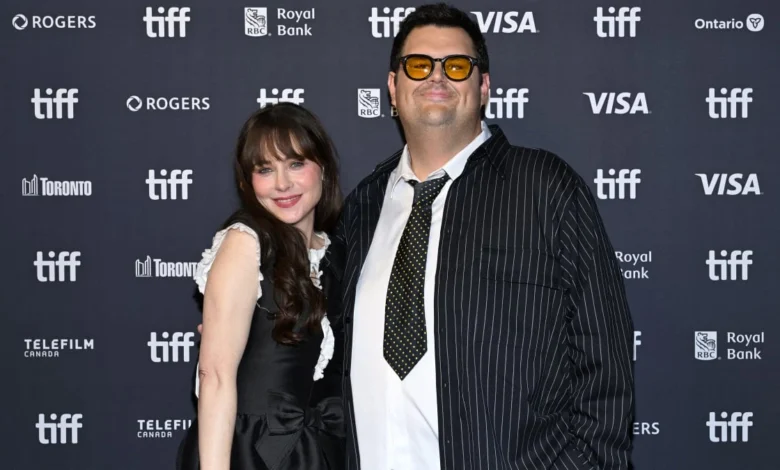
The intersection of digital content creation and traditional cinematic storytelling took center stage this week at the Toronto International Film Festival (TIFF). During a high-profile industry panel titled For You Feed to Feature Film, actor and comedian Caleb Hearon and acclaimed actor and musician Zooey Deschanel addressed the evolving landscape of entertainment. Moderated by Jenny Kim, TikTok’s Global Entertainment Partnerships Lead, the discussion focused on the mechanics, challenges, and mindset required to successfully transition from building an audience online to producing feature-length films for the big screen.
The panel served as a focal point for creators and industry executives alike, highlighting a broader shift in Hollywood. As digital platforms increasingly act as incubators for fresh talent, established festivals like TIFF are forced to reckon with creators who bypass traditional developmental pipelines in favor of self-generated momentum. Hearon and Deschanel, both of whom star in the newly premiered feature film Trash Mountain—which Hearon co-wrote alongside Ruby Caster—offered raw, unfiltered advice to a packed room of aspiring filmmakers, industry insiders, and festival attendees.
The Main Facts: Bridging the Digital and Traditional Divide
The core of the panel centered on agency, artistic integrity, and the economic realities of modern entertainment. Deschanel, whose career spans decades across film, television, and independent music, emphasized the importance of self-reliance. Drawing from her own experiences entering the entertainment industry, she urged creators to stop waiting for external validation or institutional permission.
Hearon echoed these sentiments while offering a more granular, pragmatic look at the financial pressures facing modern creators. Having starred in four films over the previous year while maintaining a robust digital presence, Hearon demystified the economics of contemporary acting. He noted that despite the prestige of theatrical film releases, the backbone of his financial stability remains rooted in independent endeavors, such as host-read advertisements on his podcast.
The discussion underscored a fundamental tension in the current media ecosystem: while traditional institutions increasingly rely on digital creators to shoulder the financial and creative risks of audience-building, creators are simultaneously waking up to their own leverage. By mastering the do-it-yourself (DIY) nature of digital platforms, artists are no longer entirely dependent on studio greenlights to validate their work.
Background Context: The Evolution of TIFF and Digital-First Talent
To understand the significance of the For You Feed to Feature Film panel, one must examine the broader transformation of the Toronto International Film Festival. Founded in 1976, TIFF has historically functioned as a premier launching pad for prestige cinema, international art-house projects, and eventual Academy Award contenders. However, over the past decade, the festival has progressively expanded its mandate to include episodic content, interactive media, and digital-first storytelling.
The inclusion of creators like Caleb Hearon—whose ascent began via razor-sharp, viral comedic sketches on platforms like Twitter and TikTok—reflects an undeniable industry reality. Studios and production companies are actively mining social media for pre-existing intellectual property and built-in audiences. Platforms like TikTok, YouTube, and Instagram have essentially replaced the local theater troupe, the comedy cellar, and the indie showcase as the primary proving grounds for comedic and dramatic talent.
Yet, this pipeline is fraught with friction. Traditional gatekeepers often attempt to box digital creators into narrow archetypes, viewing them as social media personalities first and legitimate actors, writers, or filmmakers second. Deschanel and Hearon’s panel directly addressed this institutional pigeonholing, offering strategies for maintaining artistic autonomy in an industry designed to categorize and commodify talent.
Chronology of the Transition: From Feeds to Features
The pathway from digital content creation to feature filmmaking is rarely linear, though a distinct chronology has emerged in recent years for creators breaking into traditional media.
Phase one typically involves independent audience acquisition. Creators spend years developing a distinct voice, aesthetic, and community on social media without institutional backing or financial support. During this stage, creators absorb 100 percent of the production costs and operational risks, leveraging their own time and resources to produce steady content loops.
Phase two occurs when digital metrics—such as engagement rates, follower counts, and viral reach—attract the attention of talent agencies, management firms, and boutique production companies. In Hearon’s case, his sharp digital output translated into television writing rooms, acting roles, and eventually, feature film development.
Phase three culminates in projects like Trash Mountain. Co-written by Hearon and Ruby Caster, the film represents a hybrid model: independent storytelling born out of a contemporary comedic sensibility, brought to life through traditional cinematic production formats, and ultimately premiered at a major international festival like TIFF. Panels like the one moderated by Jenny Kim serve as the bridge between phase two and phase three, demystifying the bureaucratic and creative hurdles of the transition for the next wave of aspirants.
Supporting Data and Industry Economics
The economic realities of the modern entertainment landscape loomed large over the TIFF discussion. Industry data underscores why creators are increasingly hesitant to surrender creative control to traditional studios. According to recent labor reports from guilds and independent entertainment analysts, mid-budget feature films have become scarcer, placing greater financial pressure on independent creators to prove their commercial viability before securing traditional financing.
At the same time, the monetization structures of digital platforms have undergone significant shifts. While platforms like TikTok and Instagram offer unprecedented reach, direct ad-revenue sharing often fails to cover the living expenses of full-time creators. Consequently, artists frequently rely on diversified income streams—ranging from independent podcasting and live touring to brand partnerships and subsidized development deals.
Hearon’s candid admission that his bills are primarily paid through podcast advertisements rather than feature film acting highlights the precarious nature of the modern creative economy. Even for working actors who secure multiple film credits in a single year, the residual and upfront compensation models of contemporary cinema often fail to match the steady, direct-to-consumer revenue generated by independent digital ventures.
Statements, Reactions, and Philosophical Approaches
The insights shared by the panelists illuminated two distinct yet complementary philosophies regarding artistic survival in the digital age.
Deschanel’s approach is rooted in preemptive defiance. Reflecting on her early transition from acting into the music industry—where she faced skepticism from executives who believed actors could not be credible musicians—she advocated for a proactive stance. "How about you just be the person that does it first," she remarked during the panel, asserting her belief that individuals drawn to creative paths inherently possess valuable perspectives worthy of public engagement. Her perspective emphasizes internal validation over institutional gatekeeping.
Hearon took a more tactical, protective approach regarding industry boundaries. He strongly advised emerging creators to cultivate the ability to decline unfavorable terms early in their careers. "Get comfortable saying no very early," Hearon warned the audience, cautioning against the trap of accepting restrictive contracts or misaligned projects simply out of a desperate desire to advance.
Furthermore, Hearon addressed the systemic transfer of risk within the entertainment industry. Because digital creators master the DIY ethos, production entities often expect them to arrive with a fully formed audience, completed pilot scripts, or even secured financing, effectively offloading the financial risk of discovery onto the artist. Hearon’s ultimate takeaway—"learn how to say no early and make your fucking thing"—serves as both a warning against exploitation and a rallying cry for creative autonomy.
Broader Impact and Implications for the Future of Cinema
The implications of the For You Feed to Feature Film panel extend far beyond the immediate buzz surrounding Trash Mountain. As digital-first creators continue to infiltrate traditional cinematic spaces, the boundary between internet culture and high art is permanently dissolving.
For film festivals like TIFF, embracing this shift is essential for maintaining cultural relevance among younger demographics who consume visual media primarily through smartphones and short-form video feeds. By providing a platform for creators to discuss the mechanics of their transitions, the festival validates a new generation of filmmakers who do not fit the traditional film-school mold.
However, this convergence also raises critical questions about the future quality, longevity, and sustainability of cinema. Critics and industry veterans often debate whether the fast-paced, algorithmic nature of social media content can successfully translate into the sustained narrative depth required for feature-length films. Conversely, proponents argue that digital creators bring an unmatched understanding of audience engagement, direct communication skills, and rapid adaptability that traditional Hollywood desperately needs.
As Kristy Puchko, Mashable’s Entertainment Editor, continues reporting on the ground at TIFF—including her comprehensive review of Trash Mountain—the industry will be watching closely. The success or failure of projects born from the "For You" feed will ultimately determine whether this current wave of creator-led cinema is a passing trend or a permanent restructuring of the entertainment industry. For now, the message from Hearon and Deschanel remains clear: creators hold the leverage, provided they have the courage to use it.
Related posts: