The Strategic Imperative of High-Performance Location Pages in the AI-Driven Digital Landscape.

Most location pages today fall short, either appearing as sparse digital placeholders with just an address and phone number or as uninspired, template-driven clones with city names mechanically swapped out. This prevalent oversight renders them ineffective, not just in the eyes of discerning human users but also to sophisticated algorithms employed by search engines like Google and advanced AI platforms such as ChatGPT. The modern digital ecosystem demands more than mere presence; it requires strategic, intent-driven local content to capture the attention of prospective customers and the citation mechanisms of artificial intelligence.
Understanding the Problem: The Pitfalls of Generic Location Pages
The era of digital marketing has long emphasized the importance of online visibility, yet many businesses continue to undermine their local search potential with underdeveloped location pages. These "thin" pages, often containing minimal information, fail to provide any real value to a user actively searching for local services or products. Similarly, "generic" pages, which rely on boilerplate text with only the city name changed, are easily detected by search engines as low-quality content. Both approaches lead to poor search rankings, high bounce rates, and a missed opportunity to engage local audiences. Search engines, particularly with the advent of AI, are designed to identify and prioritize unique, relevant, and helpful content. Pages that lack this depth are effectively invisible, technically indexed but functionally dormant in the competitive local search environment.
The Power of Purpose-Built Location Pages
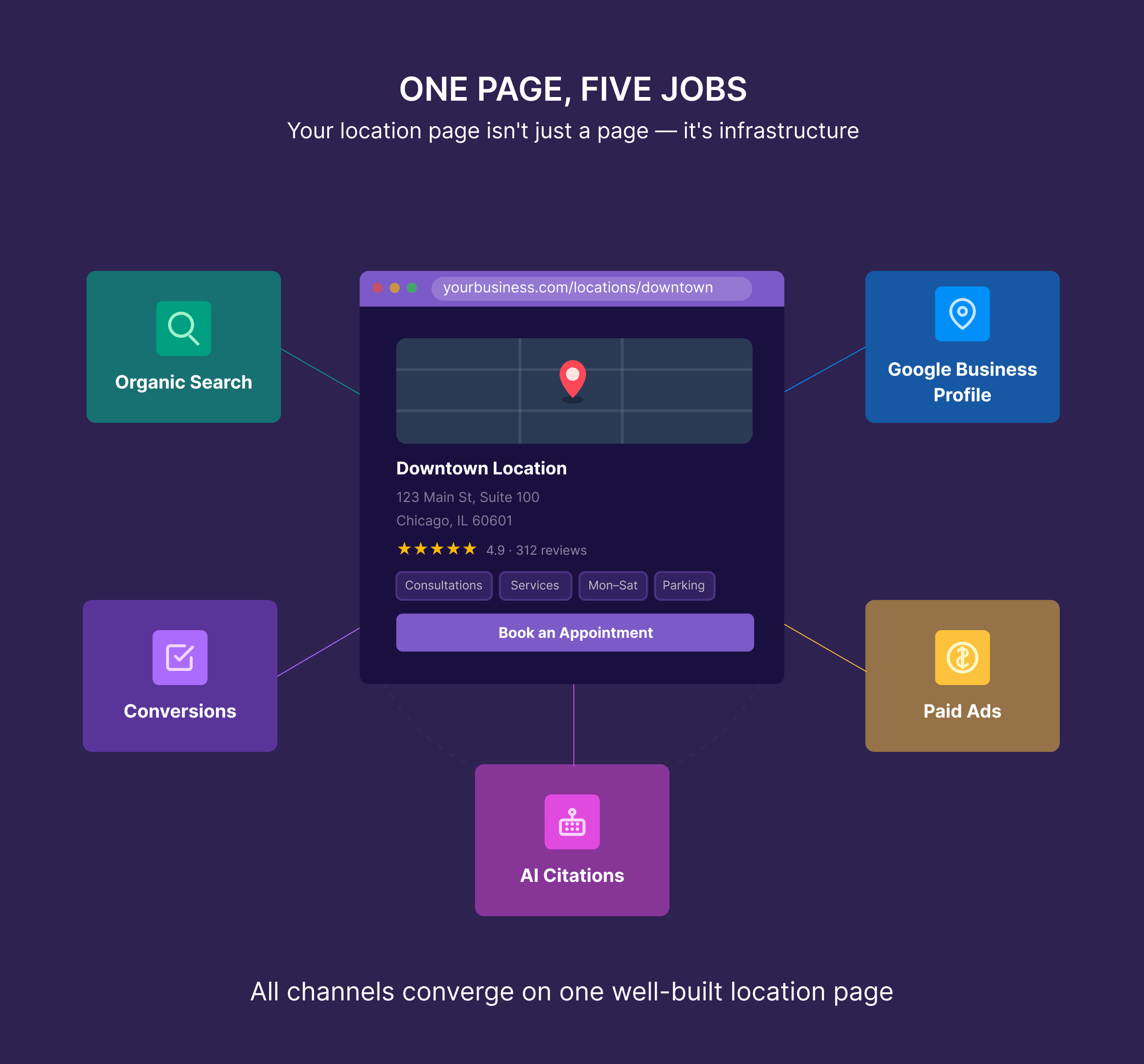
In stark contrast, a well-crafted location page is a potent digital asset capable of performing multiple critical functions simultaneously. It can significantly enhance local search engine optimization (SEO) by providing rich, relevant content that signals authority and relevance to search algorithms. Such pages act as highly effective landing pages for paid advertising campaigns, ensuring that ad messaging aligns perfectly with on-page content, thus boosting Quality Scores and reducing cost-per-click (CPC). Crucially, in the burgeoning age of AI, optimized location pages are prime candidates for citation by AI assistants, becoming a direct source of information for users asking for local recommendations. Beyond pure visibility, these pages convert local searchers into actual customers by delivering precisely the information they need, whether it’s directions to a physical store or compelling reasons to book a service. Ultimately, one meticulously designed location page can effectively execute the jobs of several distinct marketing assets, driving organic traffic, lowering ad costs, securing AI citations, and increasing conversions.
Differentiating Your Digital Footprint: Physical vs. Service Area Pages
The foundation of effective location page strategy lies in understanding the two distinct types: physical location pages and service area pages. Confusing these categories can lead to user frustration, algorithmic misinterpretation, and diminished performance.
-
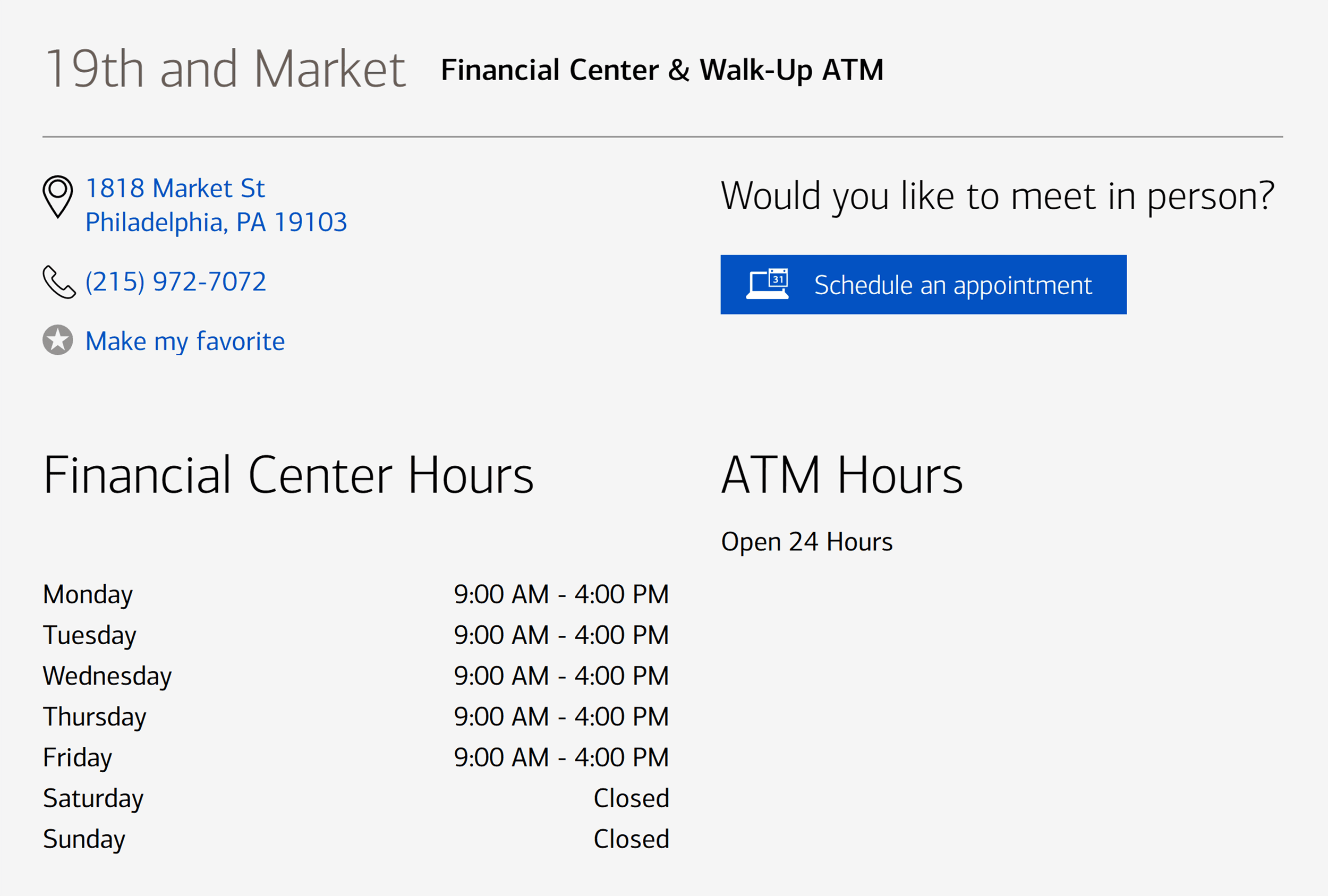
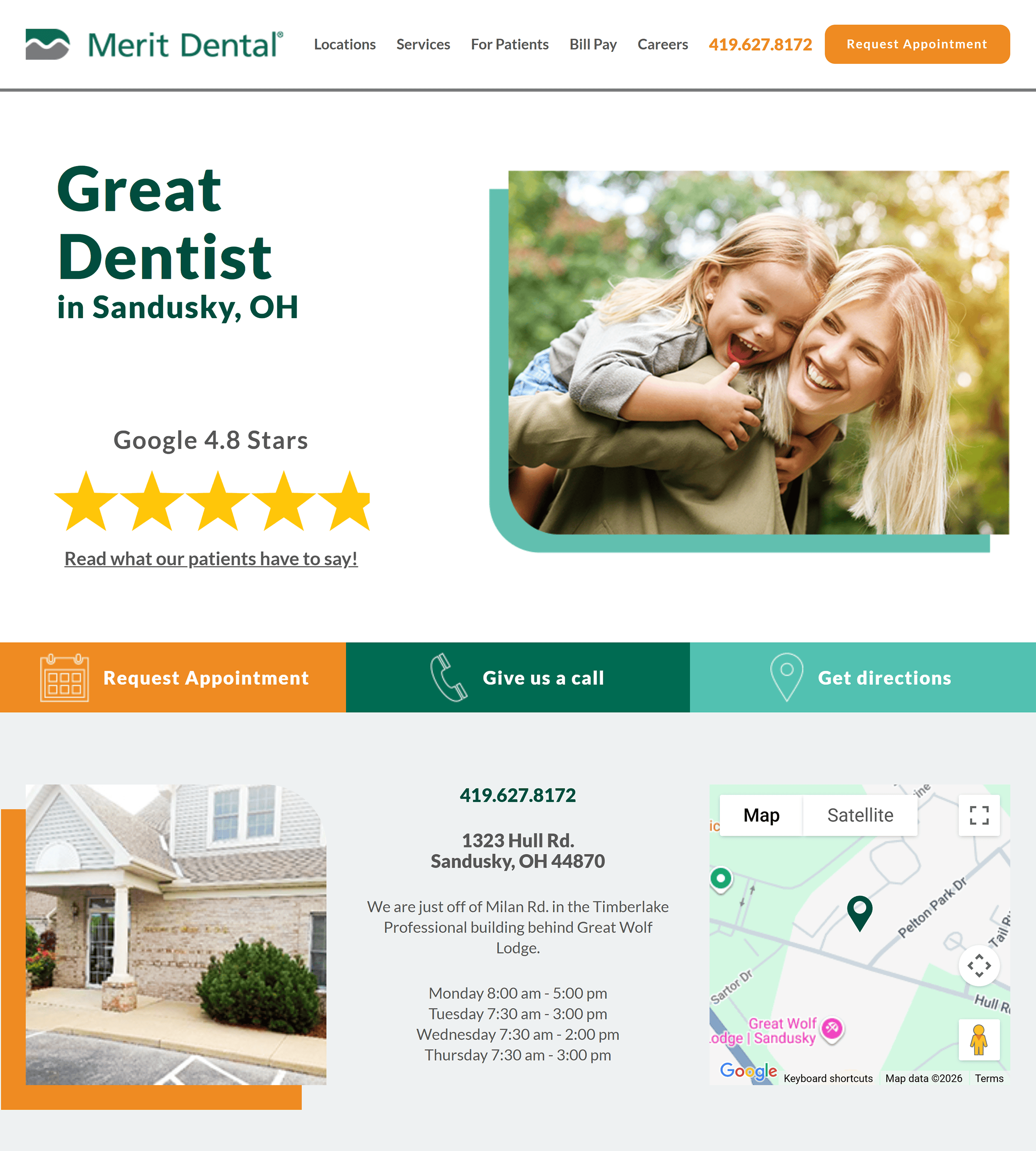
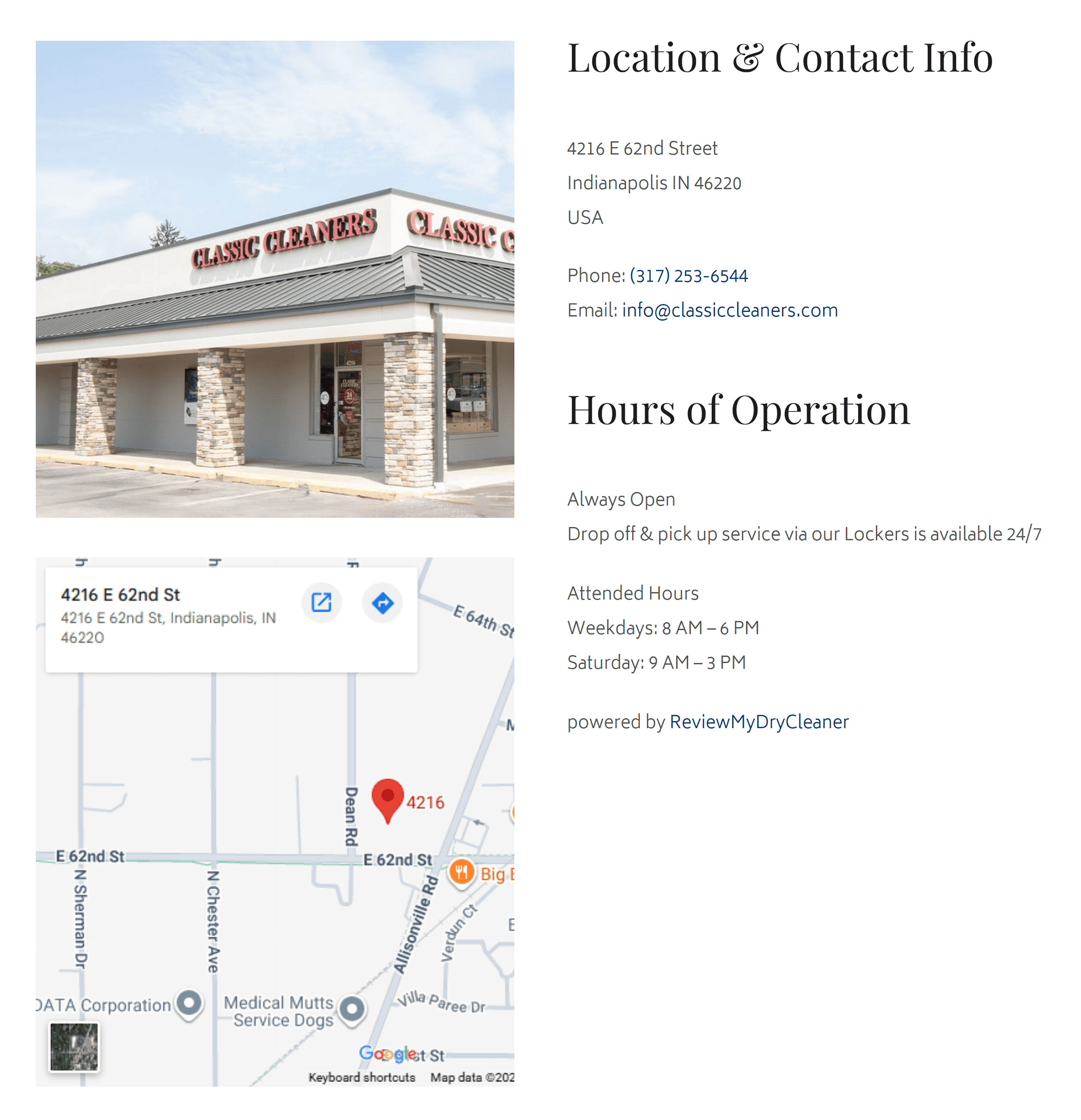
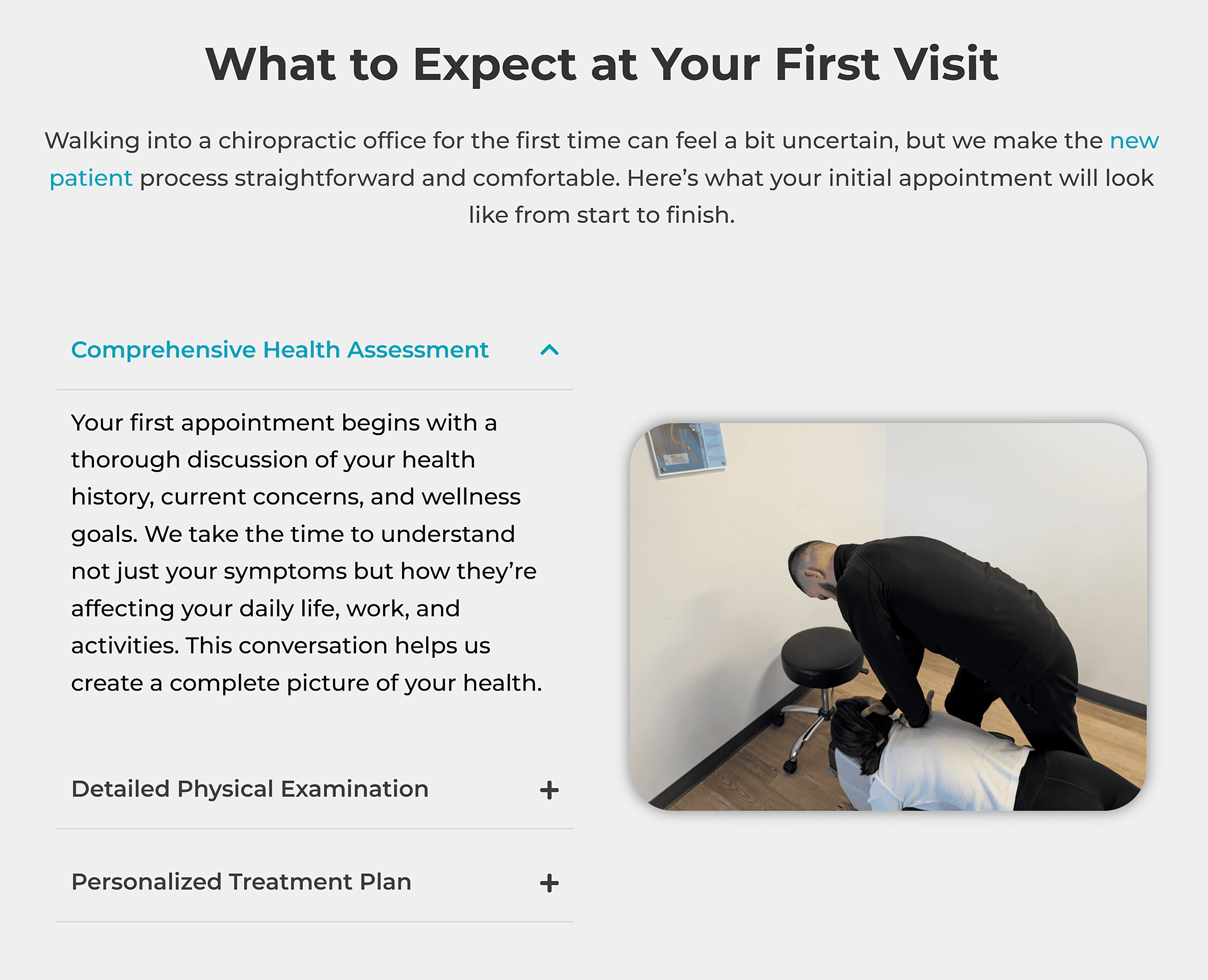
Physical Location Pages: These are designed for businesses with a tangible storefront, office, branch, or facility that customers visit. Their primary goal is to facilitate in-person engagement. For instance, a bank branch in Philadelphia needs a page detailing its exact address, operating hours, available parking, and specific services offered on-site. The content should anticipate and answer every logistical question a potential visitor might have, from public transit options to what to expect upon arrival. Merit Dental’s Sandusky location page exemplifies this, offering an address, hours, a map, and a photo of the actual building, all designed to encourage a visit.
-
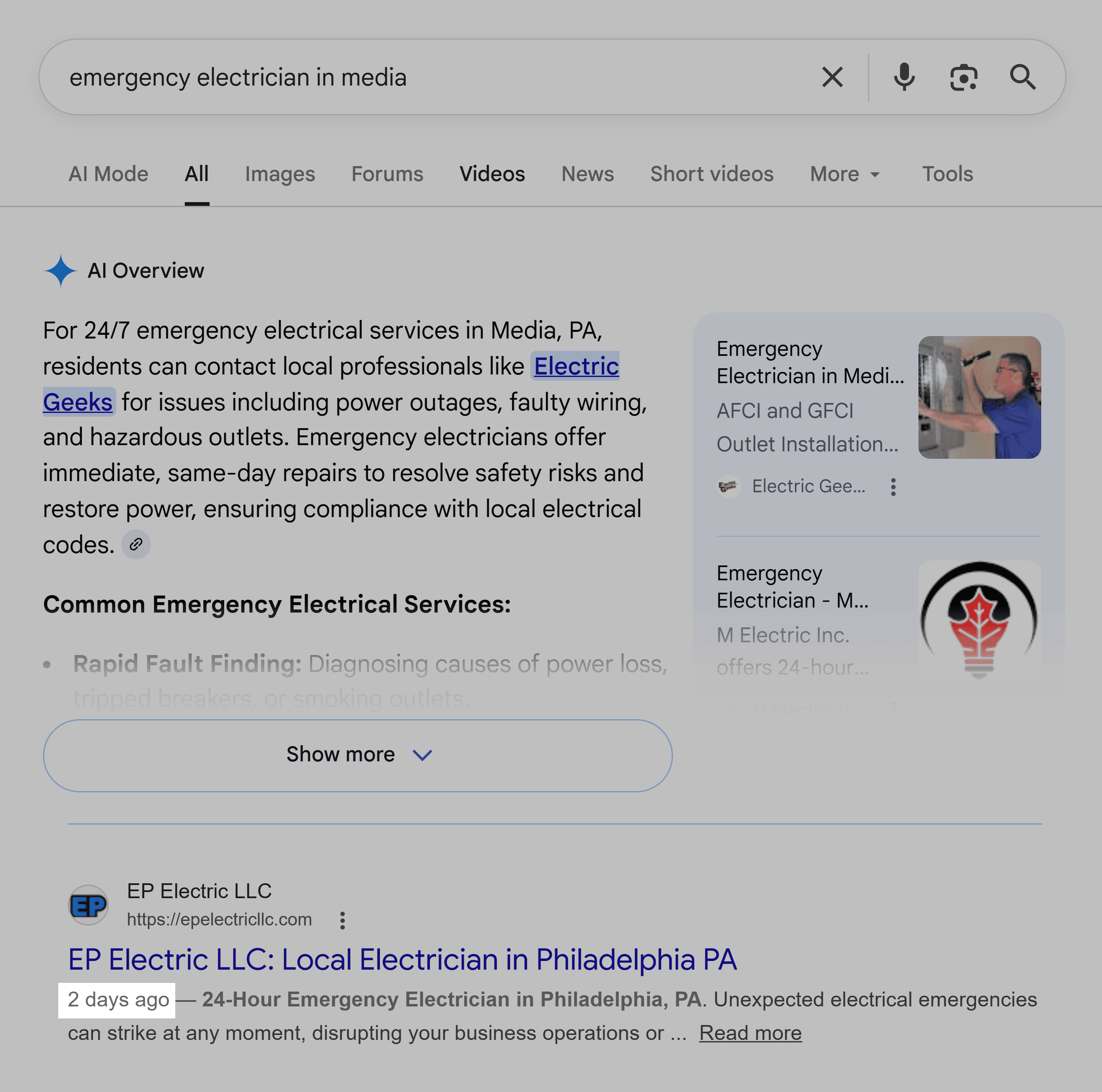
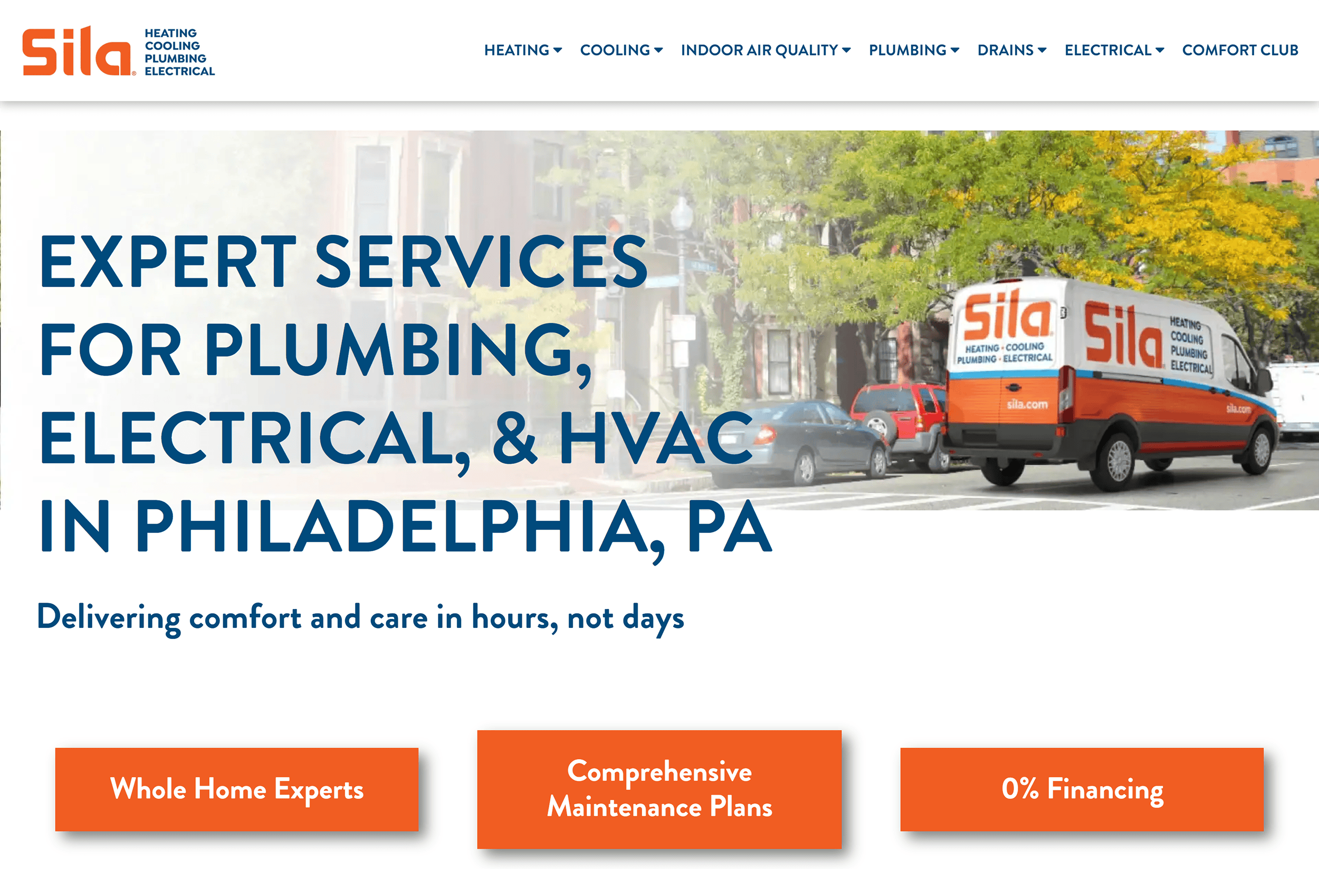
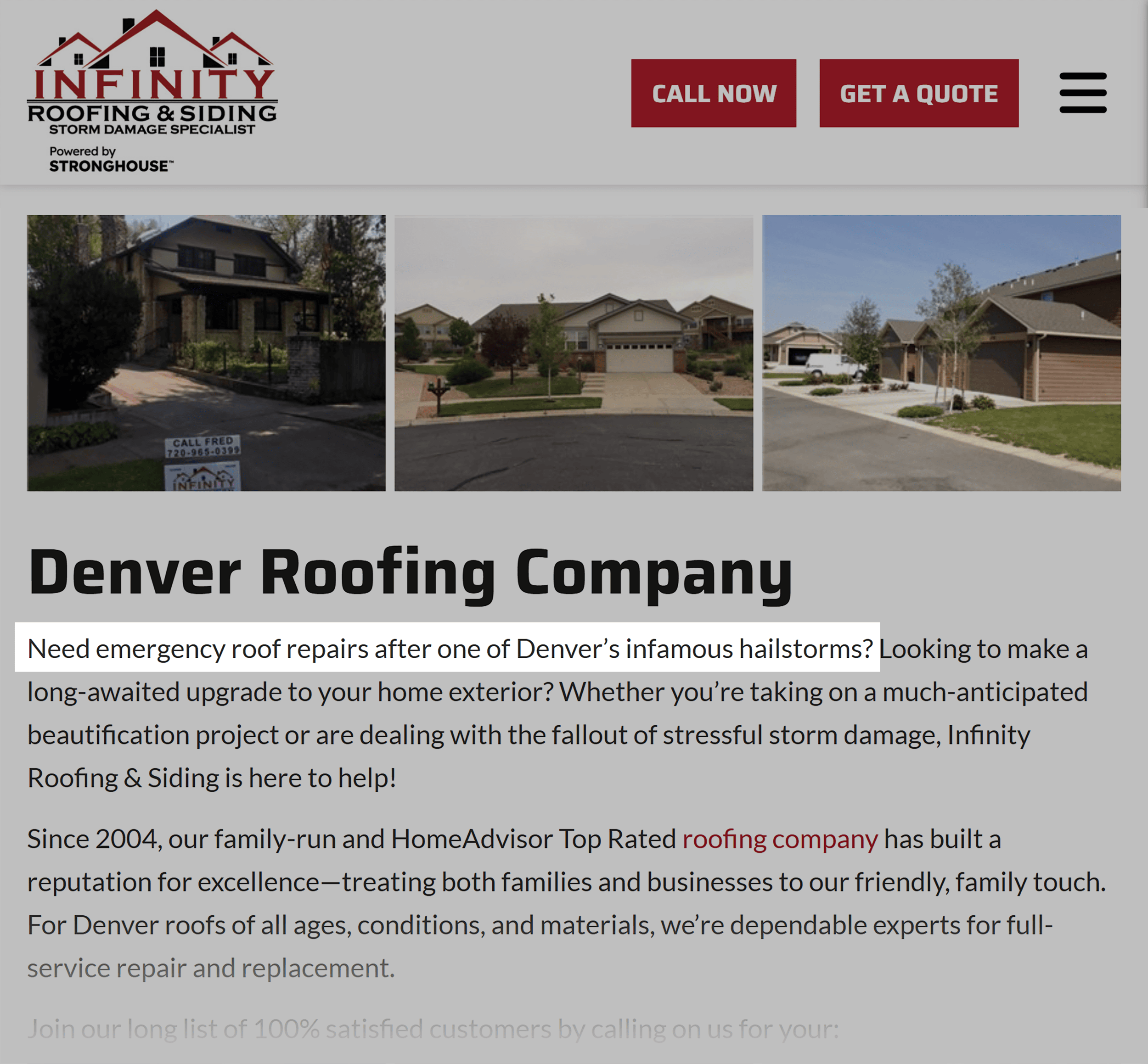
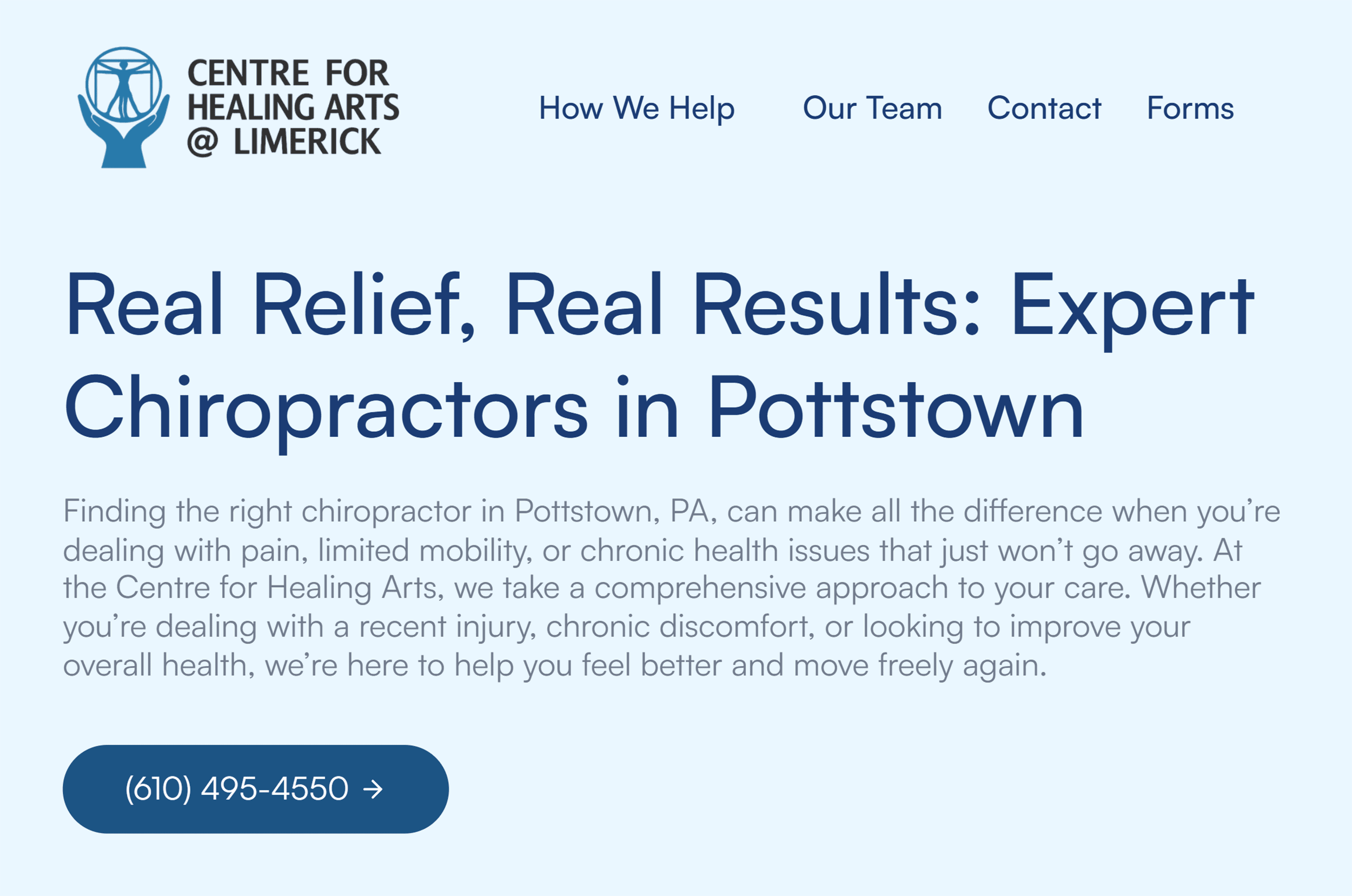
Service Area Pages: These are crucial for businesses that serve a geographical region without having a physical office in every town. HVAC companies, electricians, plumbers, and roofers often operate this way. A service area page aims to establish credibility and demonstrate a strong local presence, even from a distance. For example, Sila, an HVAC company serving Southeastern Pennsylvania, doesn’t have an office in Philadelphia, but its dedicated Philadelphia page assures potential customers that the area is covered and provides compelling reasons to call. Infinity Roofer in the Denver metro area uses its service area page to highlight local expertise, such as familiarity with "Denver’s infamous hailstorms," to build trust. Even brick-and-mortar businesses can benefit from service area pages if they draw customers from surrounding towns. Centre for Healing Arts, based in Limerick, Pennsylvania, created a service area page for Pottstown, just seven miles away, to capture that local clientele.
-
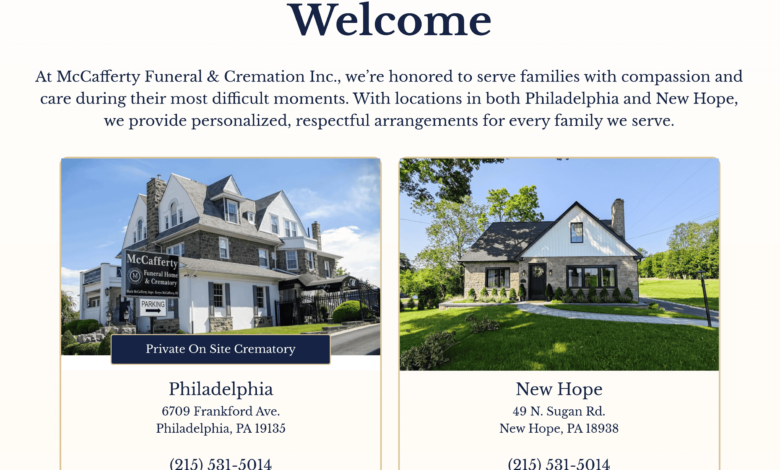
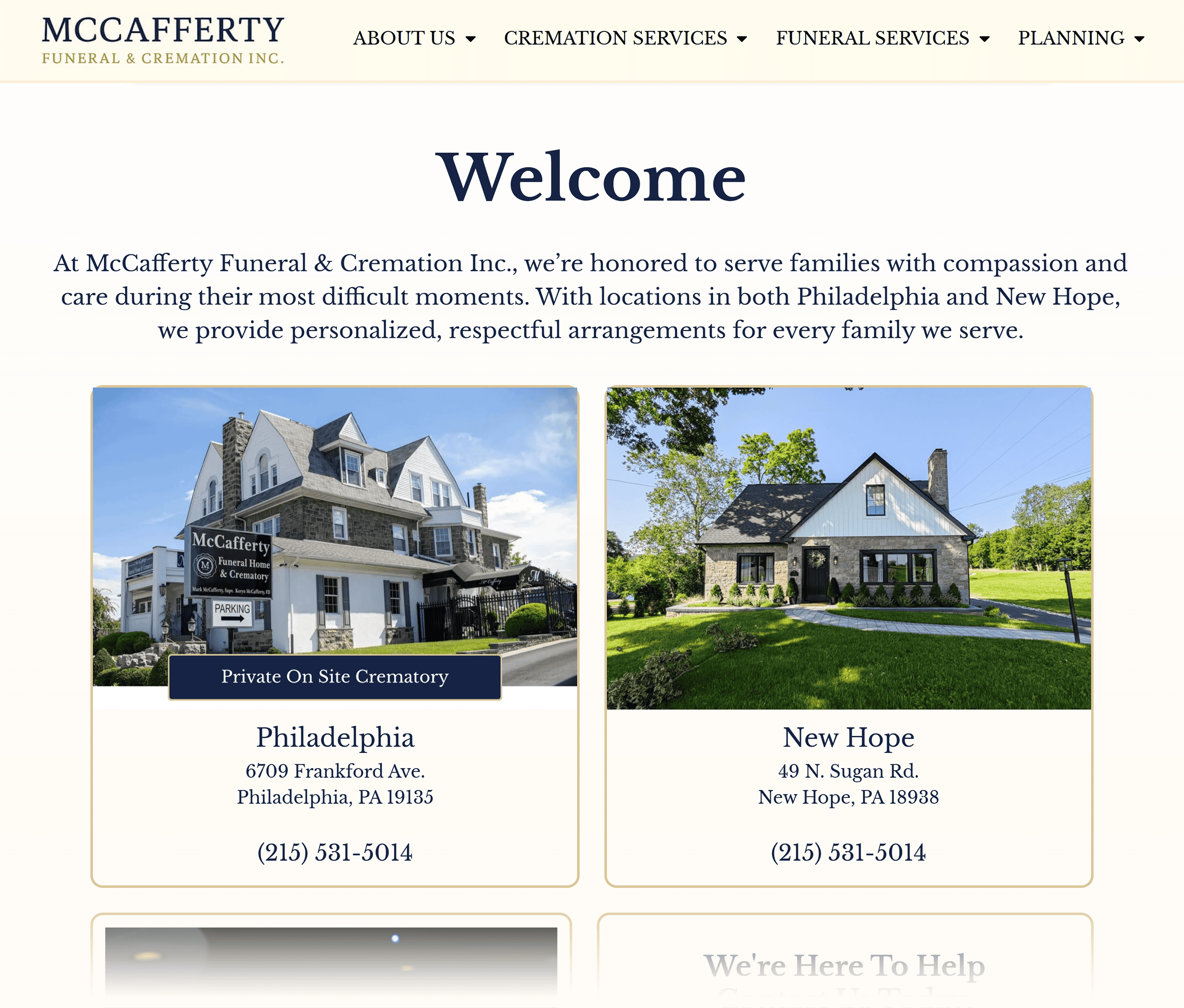
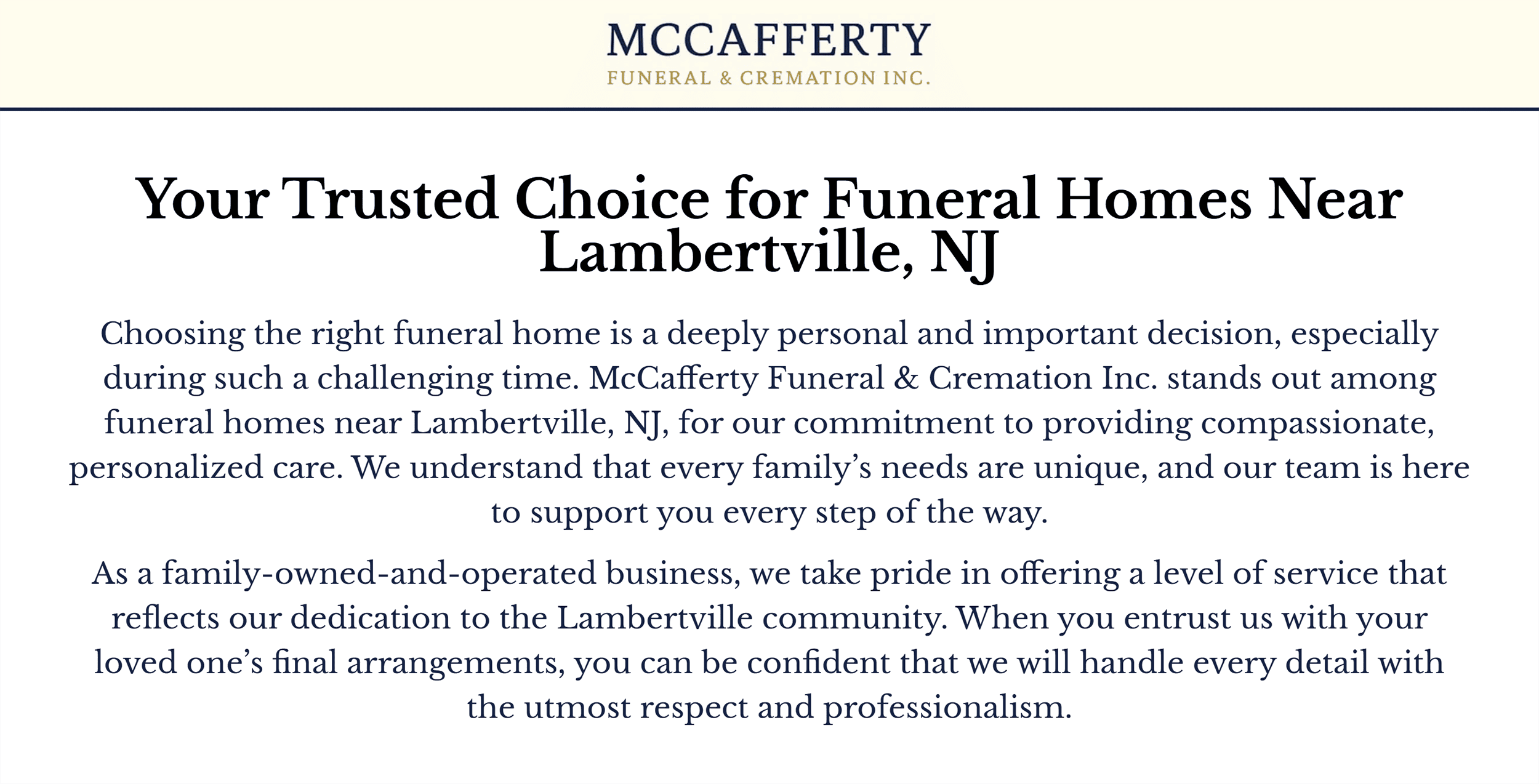
Strategic Interlinking: Many businesses require both types of pages. A funeral home with two physical offices might also serve numerous surrounding communities without a dedicated presence. In such cases, physical location pages should clearly link to the service areas they cover, and service area pages should link to the nearest physical location. This establishes a clear, navigable hierarchy for users and robust internal linking for search engines, signaling relevance and geographical reach.
Architecting Performance: Key Principles for Effective Location Pages
Regardless of whether a page is for a physical location or a service area, several core principles dictate its performance:
-
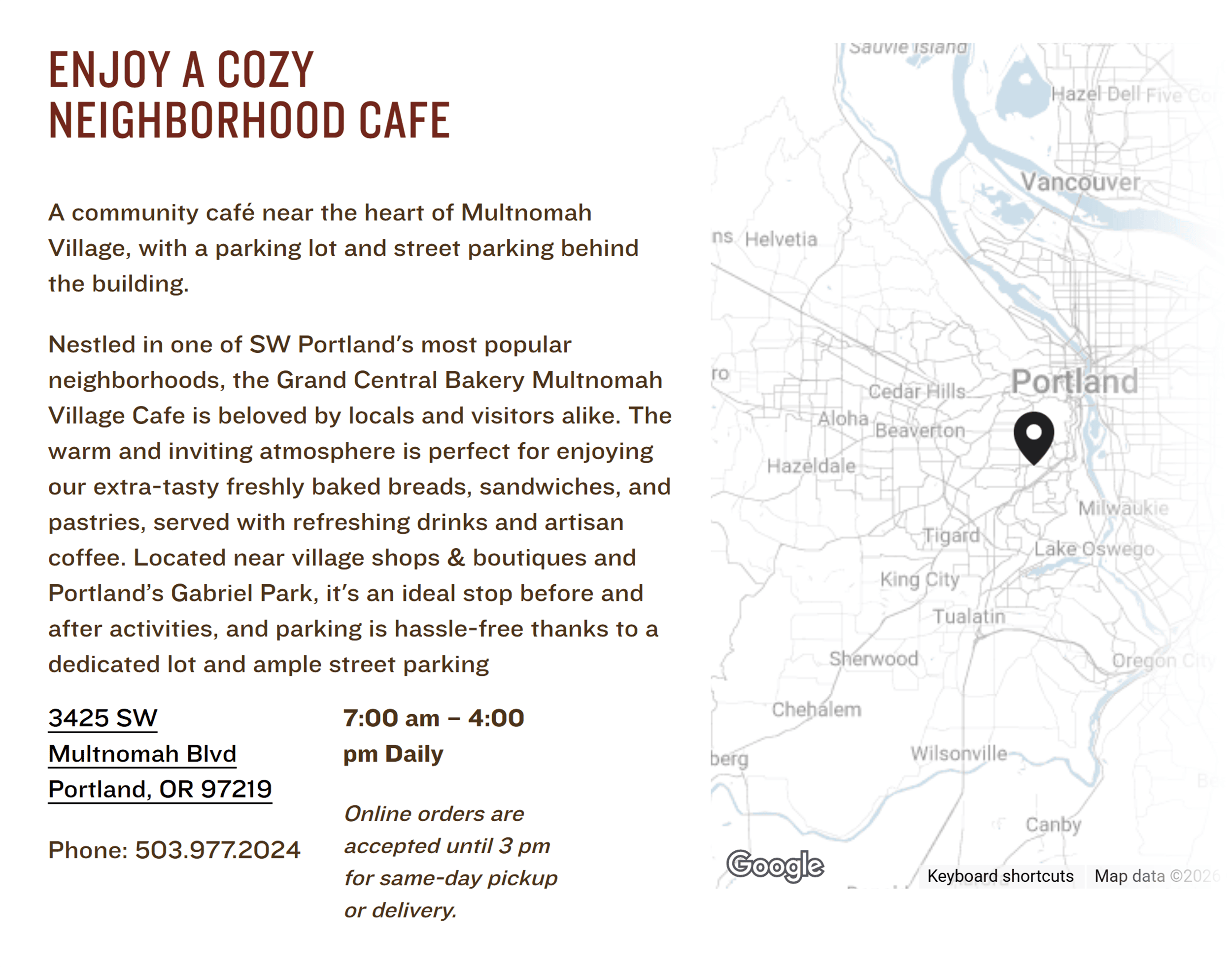
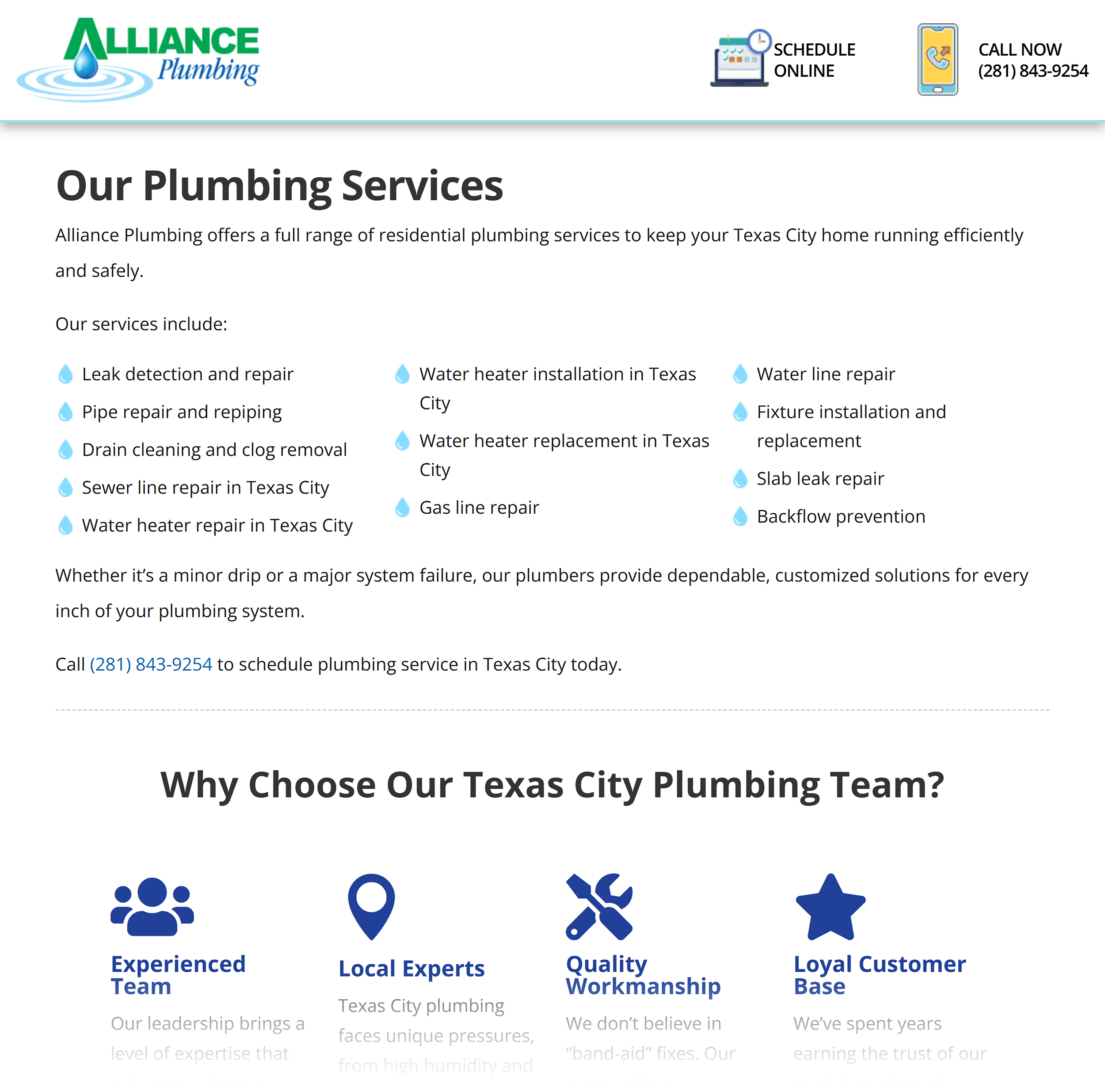
Matching Searcher Intent: A fundamental tenet of SEO, this means understanding what a user truly seeks when typing "[service] in [city]." For physical locations, intent often leans towards logistical queries (hours, directions, parking). For service areas, it’s about establishing credibility, service coverage, and reasons to choose a particular provider. A mismatch leads to immediate user abandonment, reflected in high bounce rates and poor engagement signals to search engines. Grand Central Bakery’s Multnomah Village page, for example, prioritizes visitor logistics, while Alliance Plumbing’s service area page focuses on proving regional coverage and competence.
-
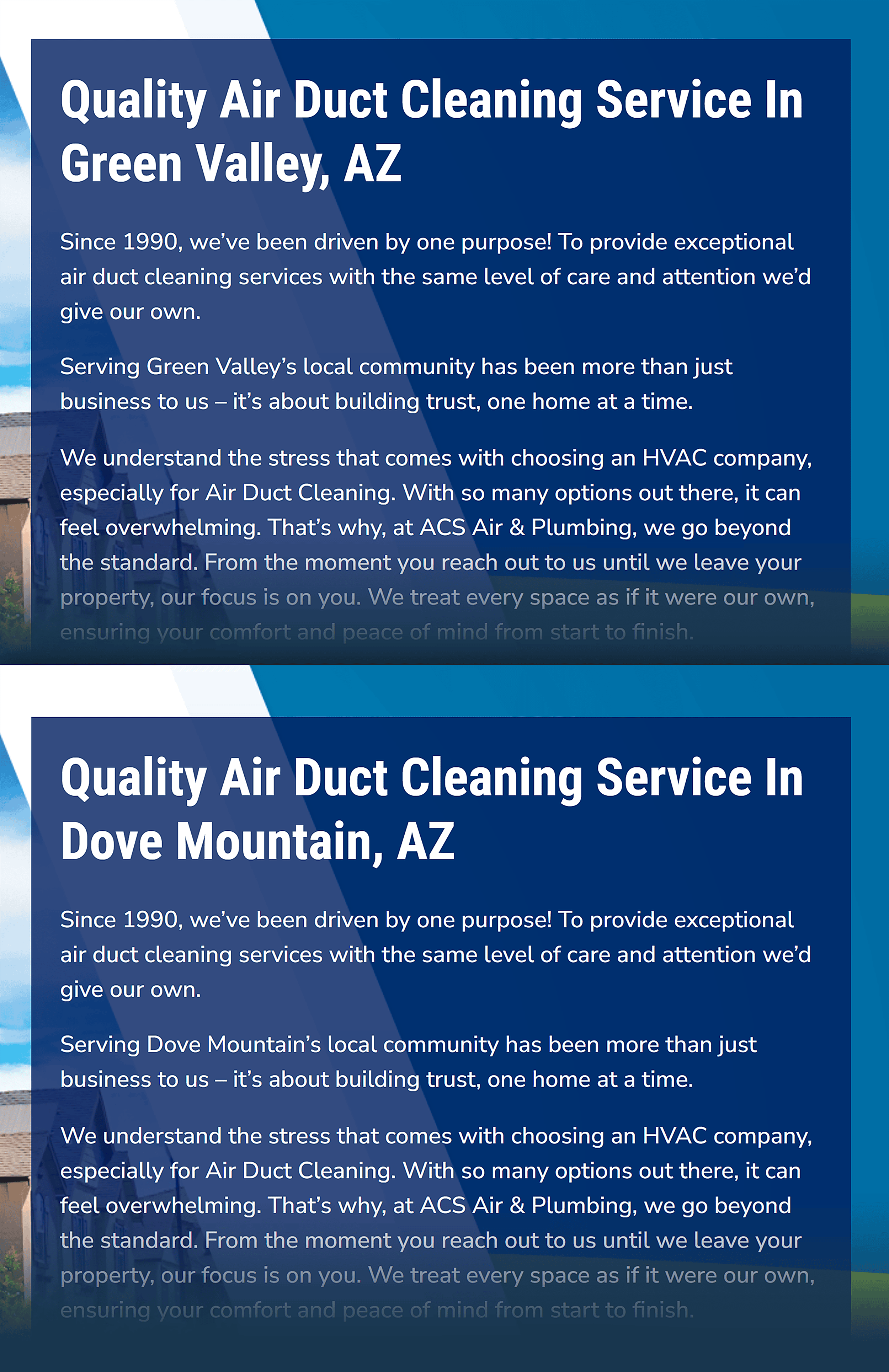
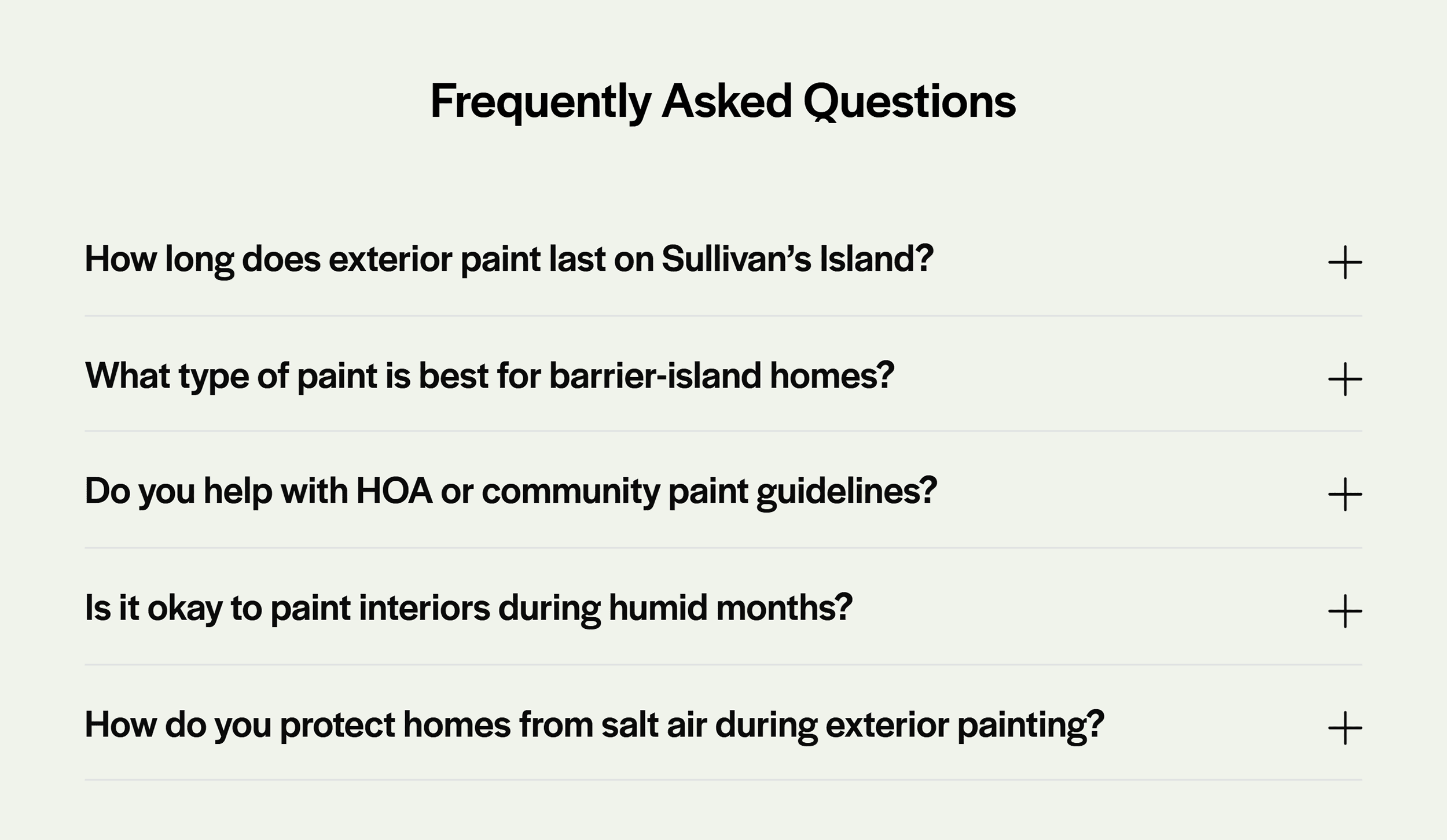
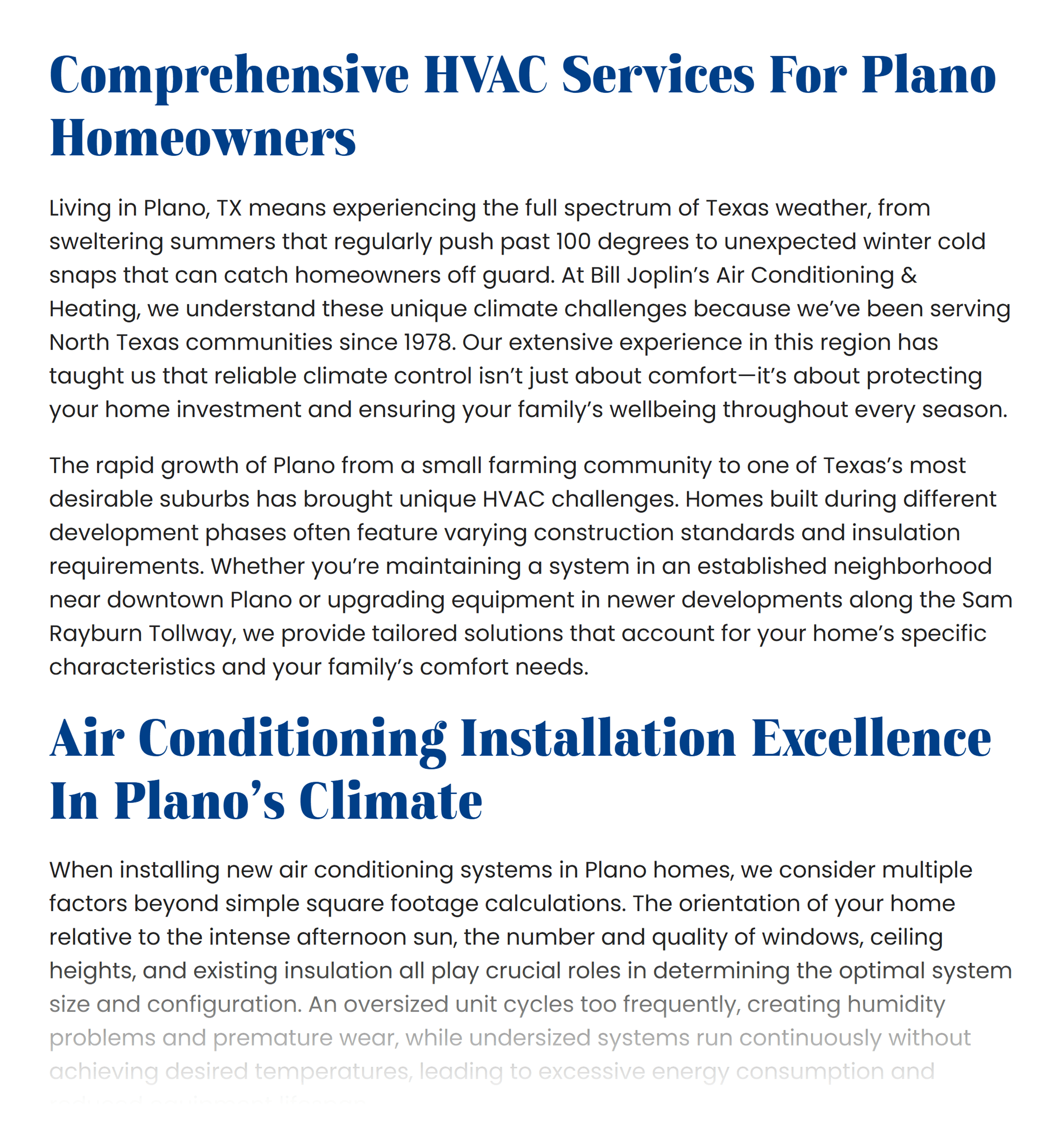
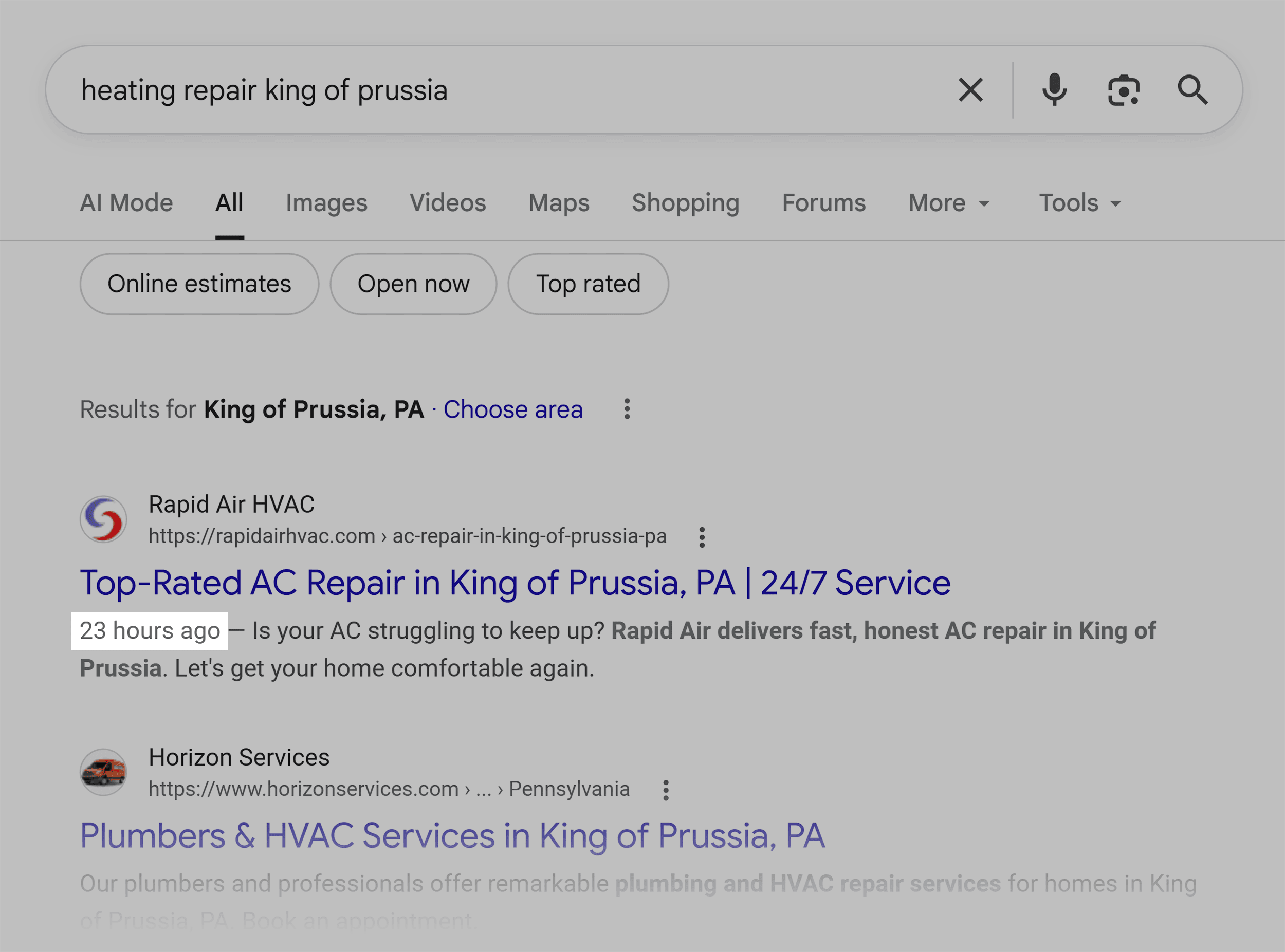
Cultivating Genuine Local Value (Beyond Keyword Swaps): The most significant failure point for mass-produced location pages is the lack of unique, locally relevant content. Simply swapping city names in a template (as seen with some HVAC companies’ nearly identical pages for different towns) is easily identified by Google and AI as duplicate content, which can penalize the entire domain. Genuine local value means incorporating neighborhood-specific details, addressing regional challenges (e.g., historic preservation requirements on Sullivan’s Island for Wade Paint Co., or HVAC system sizing for Plano’s climate by Bill Joplin’s), and showcasing expertise that only a local operator would possess.
-
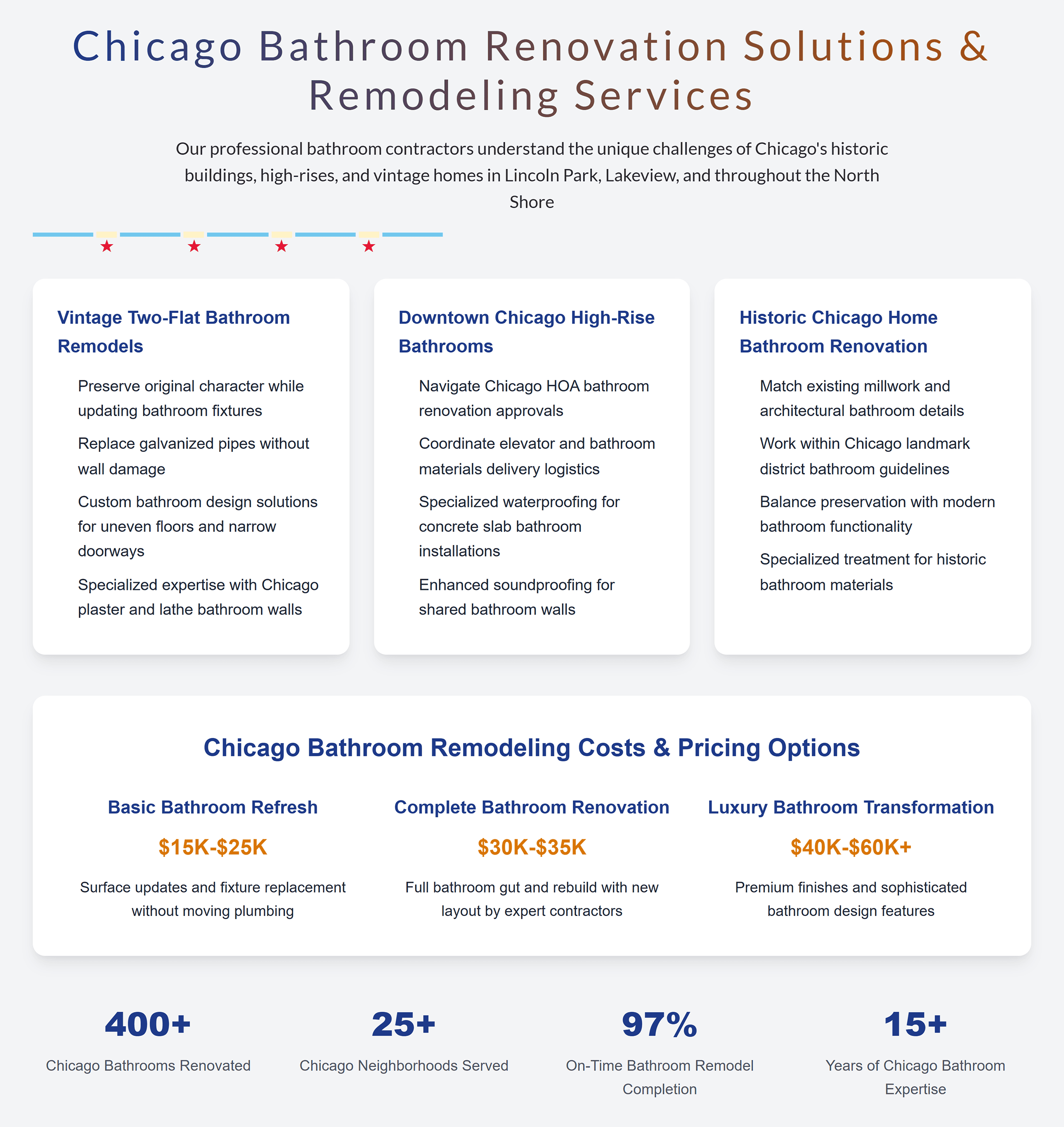
Strategic Content Depth: Not all location pages require encyclopedic detail. The appropriate content length is dictated by the "consideration" level of the service or product and the market’s competitiveness. High-consideration services (e.g., home remodeling, medical procedures, legal advice) warrant extensive information, addressing various building types, specific challenges, and even pricing ranges, as demonstrated by Assembly Squad Remodeling’s Chicago bathroom remodeling page. Conversely, low-consideration services (like a laundromat) can have leaner pages focused on immediate practical details. In competitive markets, greater depth helps differentiate, while less competitive ones might achieve rankings with more concise content.
-
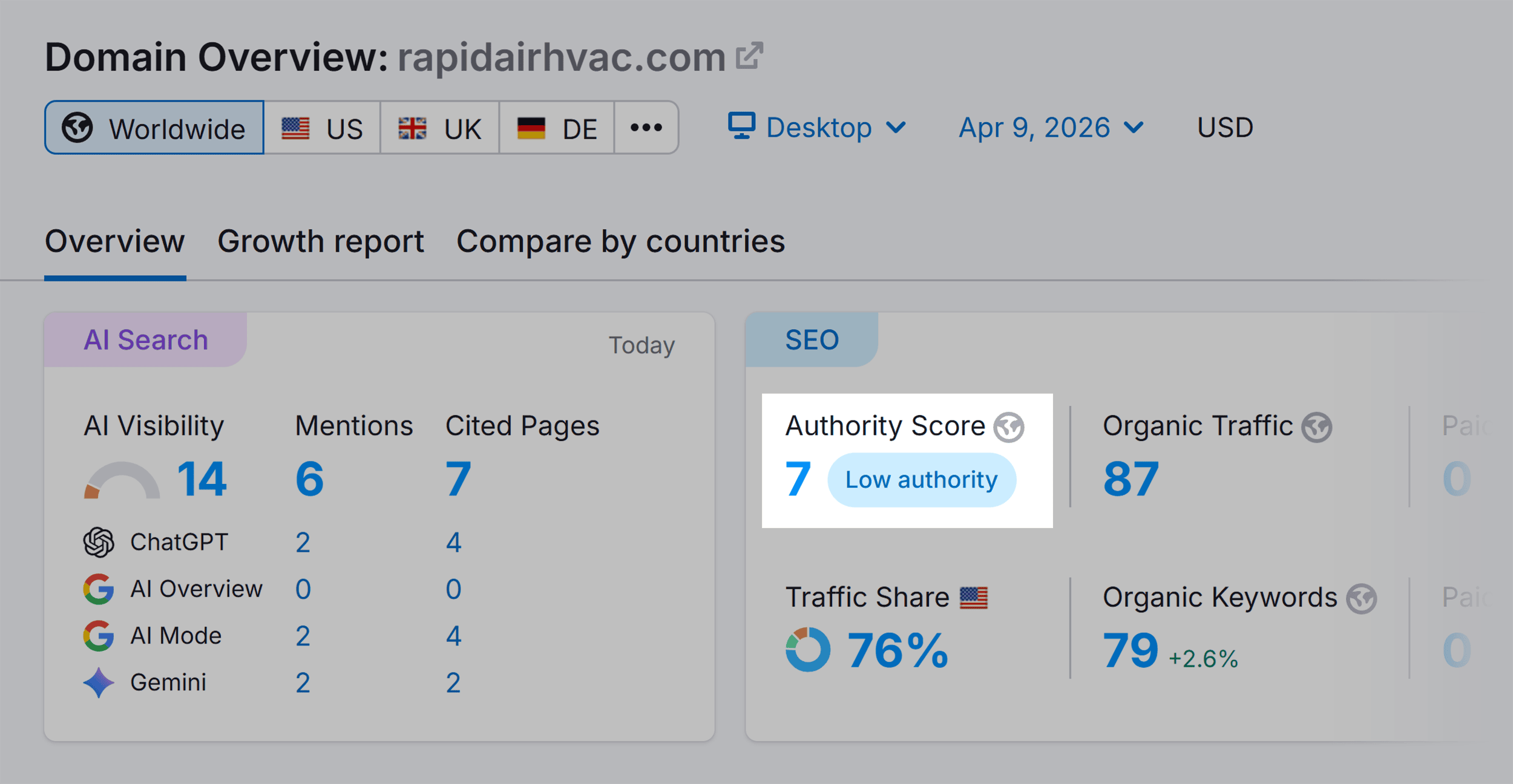
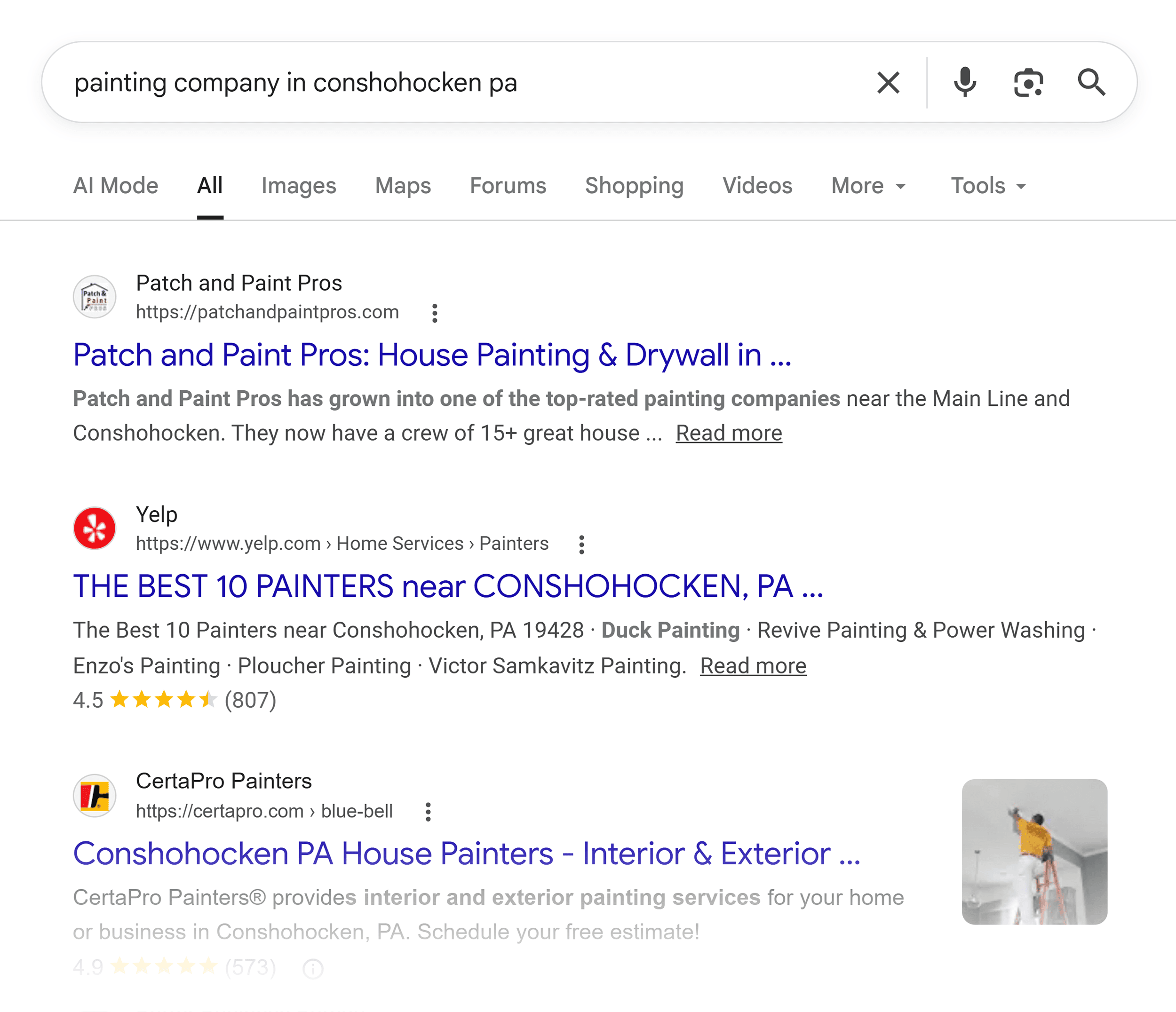
Leveraging Domain Authority with Smart Content: While domain authority (AS) plays a role, it’s not the sole determinant of ranking success. Well-built, intent-focused location pages on domains with lower AS (e.g., 20-30) can outrank thin pages on high-authority sites. This is achieved by meticulously matching searcher intent and providing superior, locally relevant content. A local painting company, for instance, can outrank national franchises like CertaPro Painters or aggregator sites like Yelp by offering more specific, helpful information tailored to the local user.
-
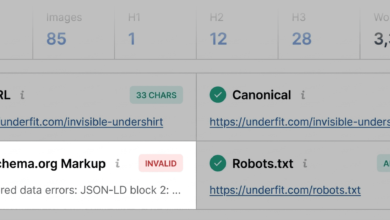
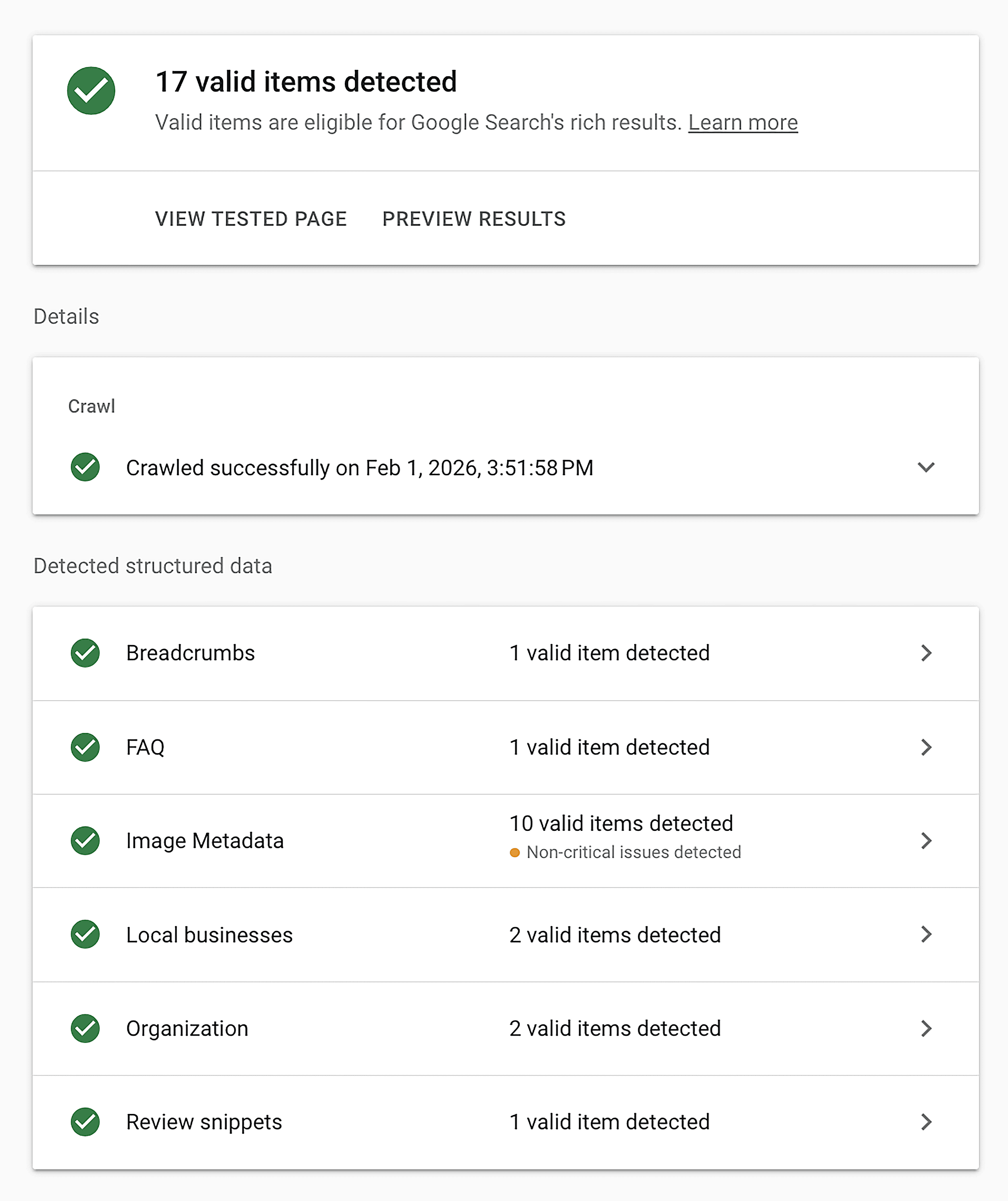
Structured Data and AI-Readiness: Implementing schema markup (LocalBusiness, FAQPage, Review) is non-negotiable for modern SEO. This structured data helps search engines and AI systems understand the content’s context and display rich results. Beyond schema, scannable sections with descriptive headings improve readability for both human users and crawlers, making it easier for AI to extract and cite information. Klaus Roofing of Oregon provides a good example of clearly structured headings.
Multi-Channel Optimization: Tailoring for Organic, AI, and Paid Traffic
Effective location pages are not built for a single channel but are optimized to perform across various digital touchpoints:
-
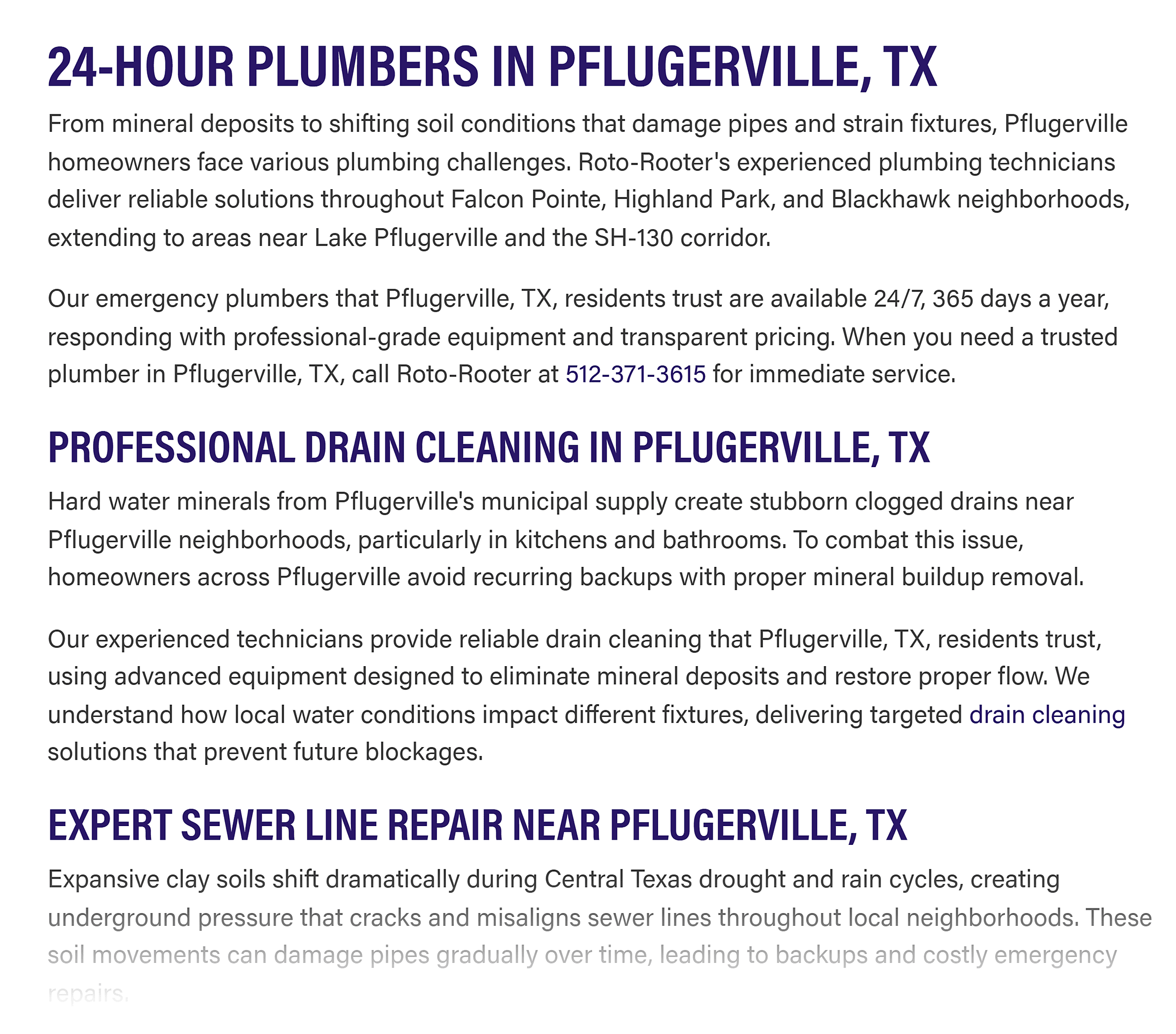
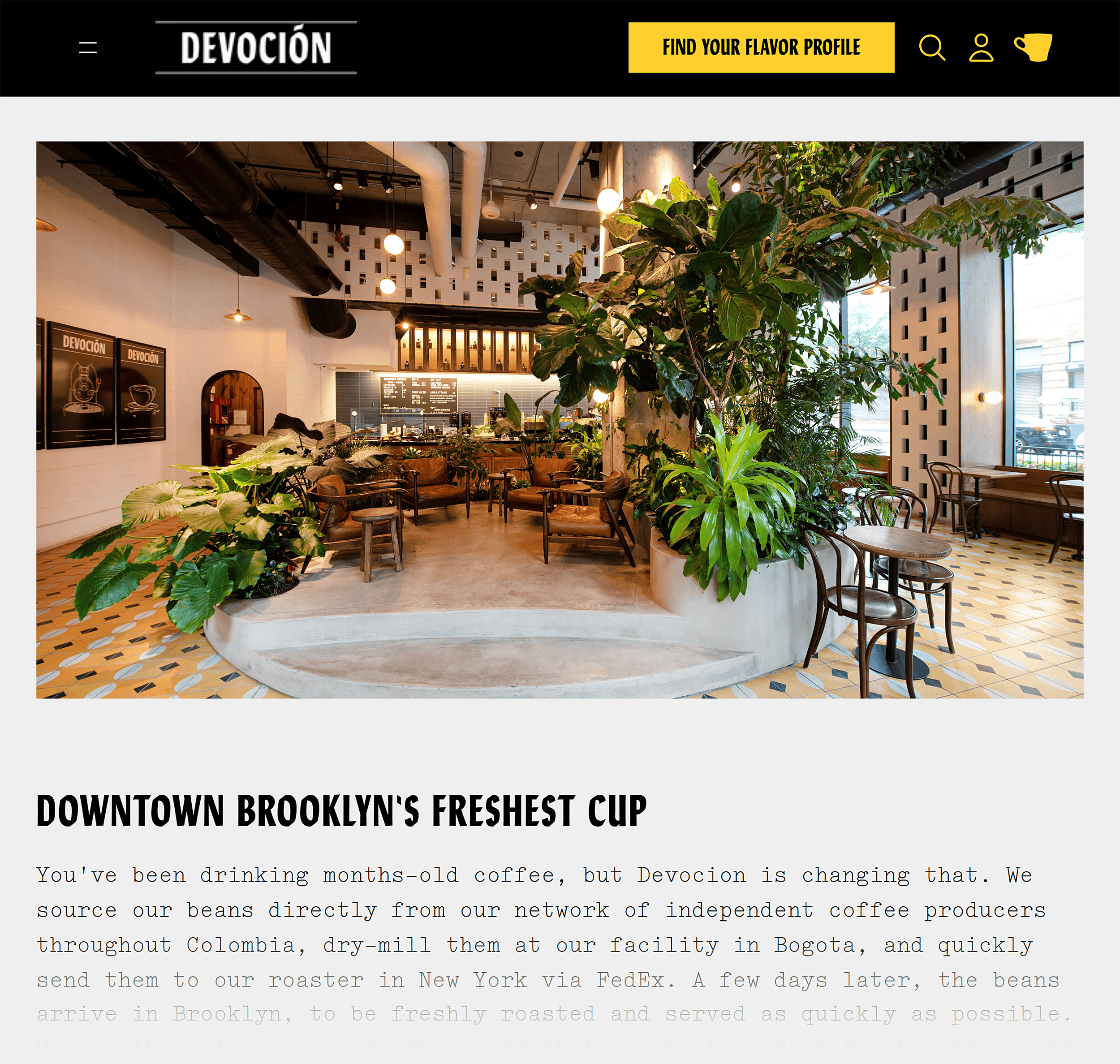
Organic Search Dominance: To rank organically, content must be comprehensive, answering questions and addressing objections proactively. Keywords should be naturally integrated into titles, headings, and body content, avoiding the "keyword stuffing" seen in pages like Roto Rooter’s Pflugerville example. Local backlinks from chambers of commerce, news sites, blogs, and directories are vital signals of local relevance. Authentic images—photos of the actual location, team members, or completed local projects (e.g., Devocion Cafe in Brooklyn)—are far more effective than generic stock photos in building trust and signaling authenticity.
-
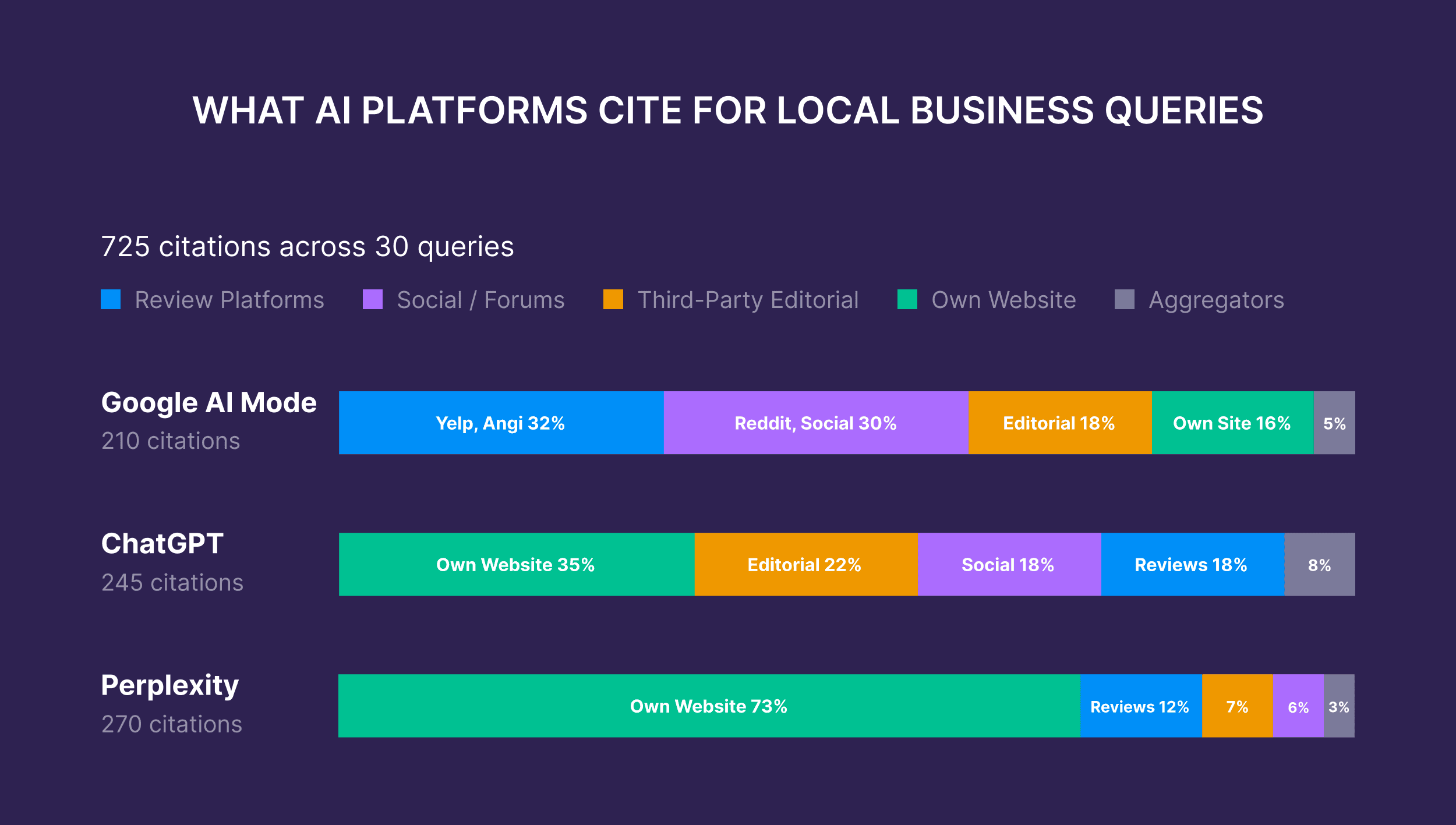
Navigating the AI Landscape: As AI assistants become primary information sources, optimizing for AI citations is crucial. A recent experiment across Google AI Mode, ChatGPT, and Perplexity for "best [service] in [city]" queries revealed distinct citation patterns:

- Google AI Mode: Leaned heavily on Yelp listings (32%) and Reddit threads (30%), indicating the importance of community discussions and review platforms.
- ChatGPT: Favored editorial "best of" lists (22%), highlighting the value of being featured in local magazines or industry roundups.
- Perplexity: Directly cited business websites (73%) most frequently, underscoring the necessity of robust on-site content.
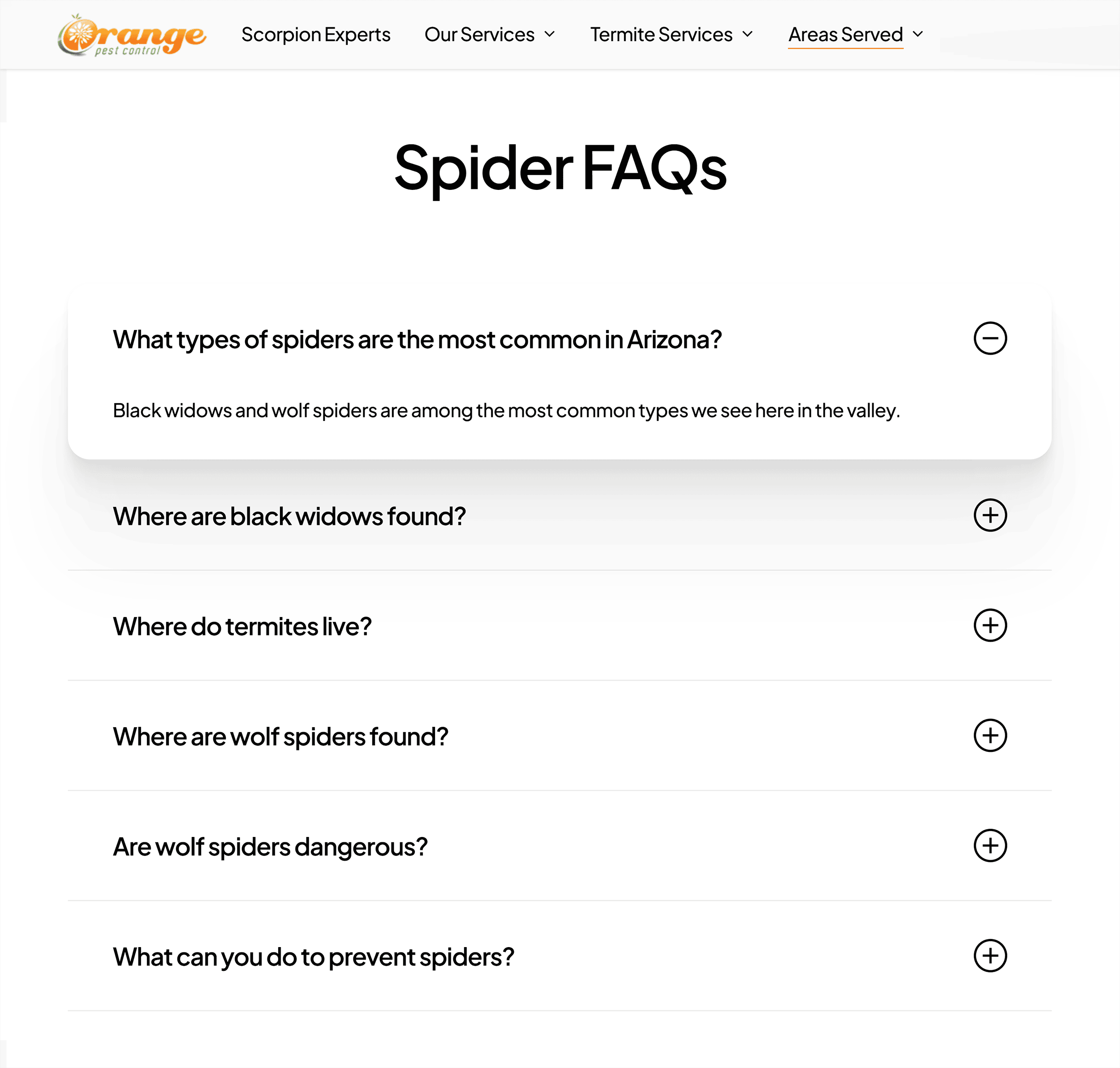
The takeaway is clear: businesses must diversify their optimization efforts. Comparison tables, pricing breakdowns, and FAQ sections with direct answers and clear question headers (like Orange Pestaz’s spider control page) are particularly effective for AI systems, as large language models are trained on Q&A content and prefer easily parsable data.
-
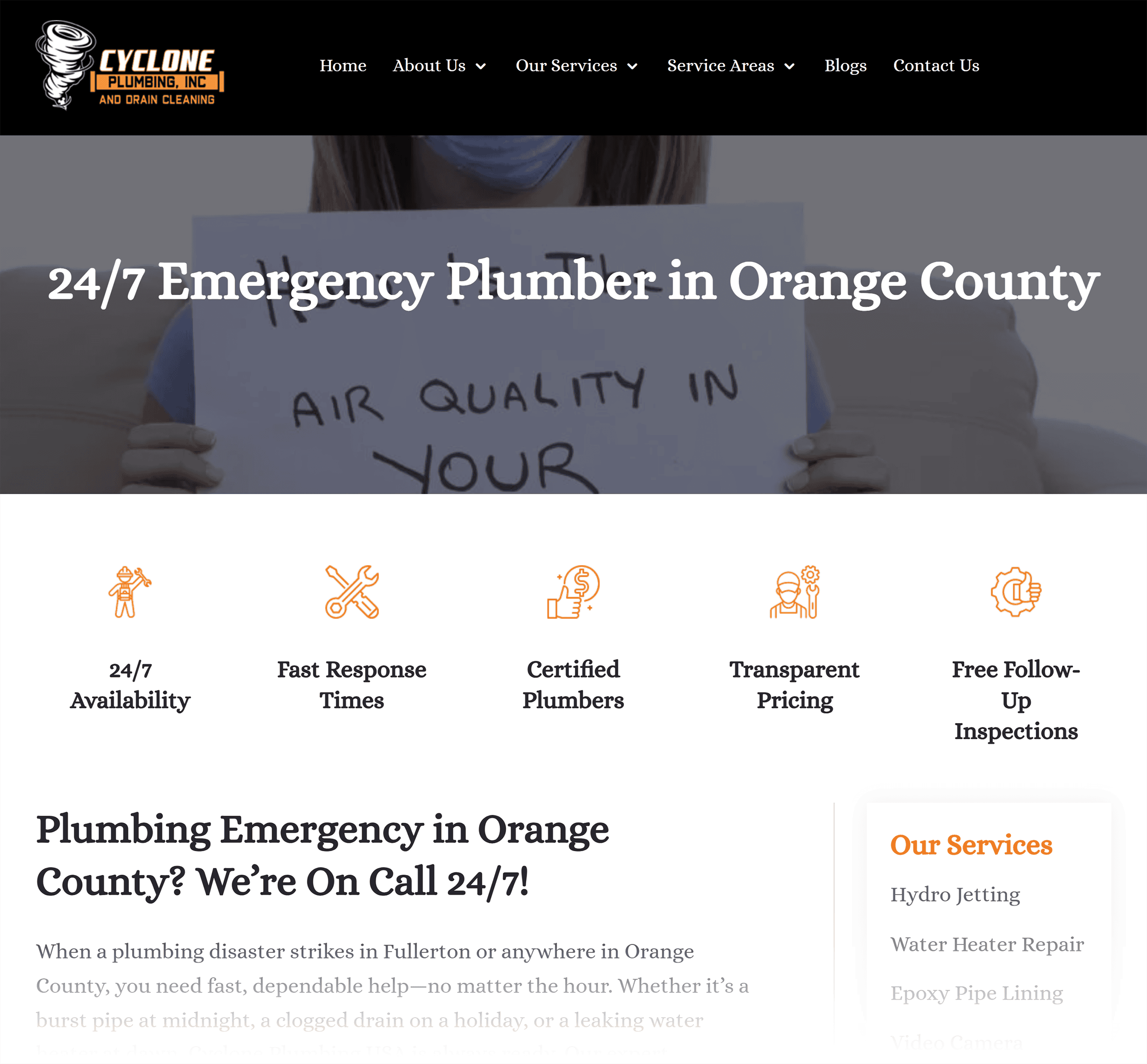
Maximizing Paid Traffic ROI: Location pages serve as ideal landing pages for local Google Ads. The key is absolute message congruence: if an ad promises "24/7 Emergency Plumber in Orange County," the landing page’s headline must immediately echo that exact promise (e.g., Cyclone Plumbing USA). This direct match improves Google’s Quality Score, leading to lower CPC and higher conversion rates. Specificity also matters; an ad targeting "Landscaping Denver" should lead to a Denver-specific page with Denver details, reviews, and project photos, not a general Colorado service area page. Generic landing pages are revenue drains; highly specific, location-tailored pages are conversion engines.
Blueprint for Success: Detailed Location Page Templates
To streamline creation, businesses can use structured templates:
-
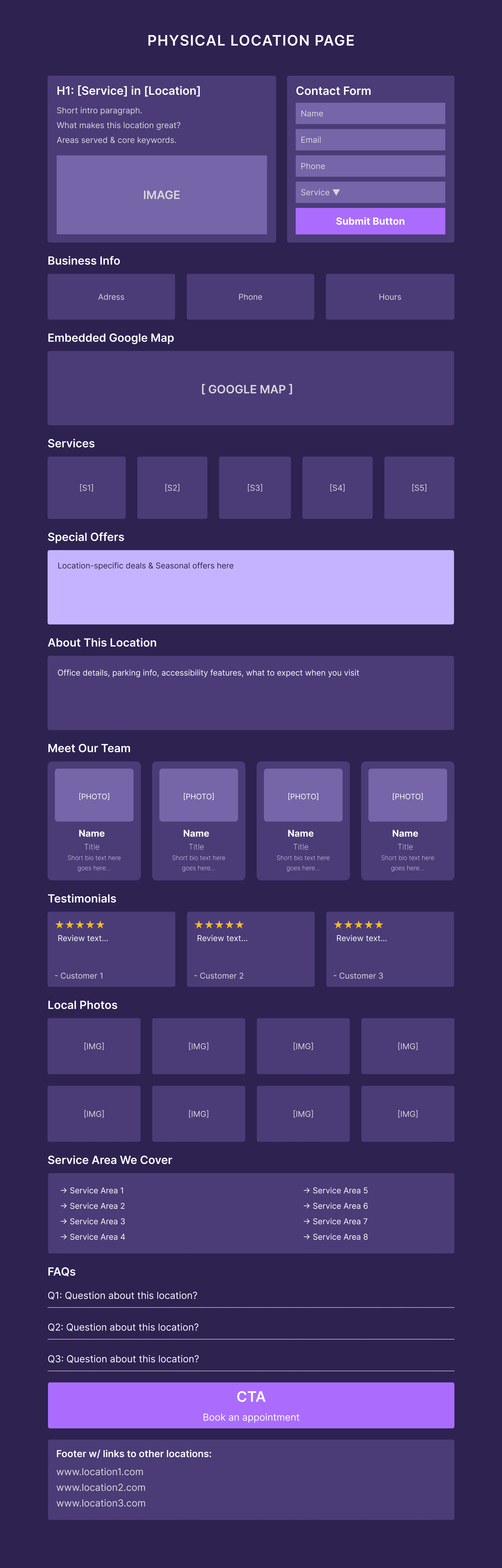
Template 1: Physical Location Page (For places customers visit)
- Core Modules: Clear business name, address, phone number, interactive map (Google Maps embed), detailed hours of operation, prominent call-to-action (e.g., "Book Appointment," "Get Directions"), photo gallery (actual location, interior, team), testimonials/reviews.
- Depth Modules:
- Hyperlocal Content: Descriptions of the neighborhood, nearby landmarks, public transport options, parking details, accessibility information.
- Extended FAQs: Questions about the visit (wait times, appointment policies, payment options, insurance accepted, proximity to landmarks, service to adjacent areas).
- Team/Staff Bios: Headshots, credentials, and specialties of staff members specific to that location, fostering trust, especially for professional services.
- Community Involvement: Highlight sponsorships, local partnerships, and charity work.
-
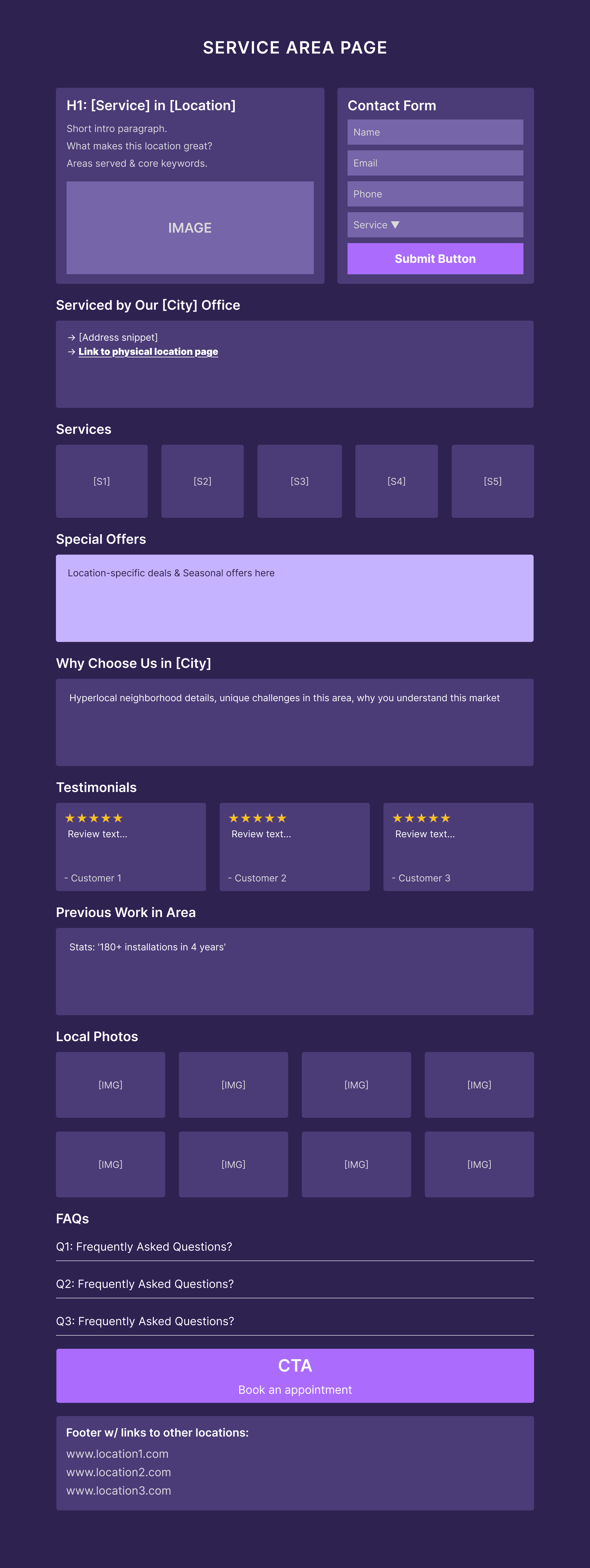
Template 2: Service Area Page (For areas served without physical presence)
- Core Modules: Clear service area name, services offered in that area, prominent call-to-action, local testimonials/reviews, a map showing the service region.
- Depth Modules:
- Hyperlocal Content: Discuss unique local challenges (e.g., termite pressure zones for pest control, hard water issues for pool services in Arizona), specific building types, climate considerations, and relevant local regulations.
- Previous Work in Area: Quantifiable data (e.g., "180+ pool installations in Scottsdale") and specific examples with before/after photos from local projects.
- Extended FAQs: Questions about service logistics ("Do you service [specific neighborhood]?", "How quickly can you get here?"), and technical questions tied to local conditions ("Do I need a permit for AC replacement in [city]?").
Enterprise Scaling: Managing Location Pages Across Multiple Markets
For businesses with numerous locations or extensive service areas, scaling this strategy introduces specific challenges and opportunities:
- Lock Down Brand Standards: Centralized templates and strict style guides are essential to prevent local teams from creating off-brand or duplicate content. Defining editable vs. locked content ensures consistency while allowing local flavor.
- Avoid the Duplicate Content Trap: Each page must have genuinely unique content. Public Storage, for example, differentiates its pages by discussing specific storage needs tied to each location’s characteristics. Regular audits are necessary to identify and rectify similar pages that harm domain authority.
- Choose Your Content Team Structure: A hybrid approach often works best: a central team manages templates and core messaging, while local teams contribute hyperlocal details and testimonials, fostering authenticity and quality control.
- Connecting Physical Locations to Service Areas: A clear internal linking structure, where service area pages link to the nearest physical office and vice-versa, is critical for large networks, guiding both users and search engines.
- Build Focused Neighborhood Pages: Rather than creating a page for every ZIP code, prioritize competitive markets, areas with significant search volume, and where genuine hyperlocal expertise can be demonstrated. Ten strong pages are superior to 100 weak ones.
- Audit and Fix Underperformers: Continuous monitoring of SEO performance is vital. Regular audits (quarterly minimum) for thin content, outdated information, and broken links are necessary. Pages that fail to generate traffic or conversions should be revamped or retired.
- Set Up Your Production System: Utilize Content Management System (CMS) templates (e.g., WordPress custom templates) to enforce structure and consistency. Track all location pages in a database with URLs, update dates, and performance metrics, setting automated alerts for stale content. Programmatic SEO can be effective if there’s genuinely unique, dynamic data for each page (like Expedia’s hotel listings), but it’s detrimental if merely used for city name swaps.
Strategic Implementation: A Phased Approach
The journey to high-performing location pages should begin with a focused approach. Instead of attempting to launch dozens or hundreds of pages simultaneously, start with your highest-priority location or service area. Develop this single page using the detailed templates and optimization principles. Once this flagship page demonstrates strong rankings, conversions, and AI citations, it serves as a proven model for scaling the strategy across your entire network. This phased approach mitigates risk, allows for refinement, and ensures that each subsequent page is built on a foundation of proven success.
In conclusion, in an increasingly competitive and AI-driven digital landscape, generic or sparse location pages are a liability. By embracing a strategic, intent-driven approach that prioritizes genuine local value, optimal content depth, structured data, and multi-channel optimization, businesses can transform their location pages into powerful marketing assets. These pages not only attract and convert local customers but also establish a credible digital presence that resonates with the sophisticated demands of modern search engines and artificial intelligence.