Kinsta API and AI Revolutionize Agency Reporting for Unprecedented Efficiency and Client Trust

Modern digital agencies operate in an intensely competitive landscape where client trust and long-term loyalty are paramount. At the core of sustaining these relationships lies the ability to provide clear, consistent, and insightful reporting. These vital documents serve as the bedrock for monitoring sales trends, demonstrating campaign effectiveness, accurately calculating return on investment (ROI), and offering a comprehensive overview of digital performance. However, for agencies managing a portfolio of dozens, or even hundreds, of client websites, the traditional process of generating these periodic reports has historically represented a significant operational bottleneck, directly compromising an agency’s capacity for scalable growth.

The imperative for today’s agencies is clear: optimize and automate data retrieval. This strategic shift not only restores crucial operational efficiency but also liberates skilled teams from repetitive, manual tasks, allowing them to redirect their expertise towards high-value activities such as strategic planning, creative development, and new project innovation. Kinsta, a leading managed WordPress hosting provider, is at the forefront of this transformation, empowering agencies to leverage its robust Kinsta API for automated hosting data retrieval, combined with the analytical prowess of artificial intelligence, to generate sophisticated and strategic reports. This paradigm shift marks a critical step towards scaling reporting systems and delivering unparalleled value to clients.
The Evolving Landscape of Agency Operations and Reporting Challenges
For years, digital agencies have grappled with the ever-increasing demands of data analysis and client communication. As the digital ecosystem expanded, so too did the volume and complexity of data points across various platforms—from website analytics and SEO rankings to advertising campaign performance and server health. While clients increasingly expect transparency and measurable results, the manual collation and interpretation of this data proved resource-intensive. Industry reports consistently highlight that agency professionals spend a substantial portion of their week—often 10-15 hours—on reporting tasks. This time, diverting from client strategy or business development, translates directly into opportunity costs and limits an agency’s ability to onboard new clients efficiently.
Traditional reporting workflows were often characterized by:
- Time Consumption: Manually logging into multiple dashboards, exporting data, and compiling it into presentable formats.
- Prone to Human Error: The manual transfer and manipulation of data increased the likelihood of inaccuracies.
- Lack of Real-time Insights: Reports were snapshots, often outdated by the time they reached the client, hindering agile decision-making.
- Inconsistent Formatting: Different team members or reporting periods could lead to varied report structures, impacting client comprehension.
- Scalability Bottleneck: Each new client added a linear increase in reporting workload, making growth unsustainable without significant staff expansion.
Recognizing these systemic challenges, progressive agencies began seeking technological solutions to streamline these processes. The advent of powerful APIs and sophisticated AI models presented a timely opportunity to fundamentally redefine how performance data is gathered, analyzed, and presented.
Kinsta’s Comprehensive Analytics: From Dashboard to API
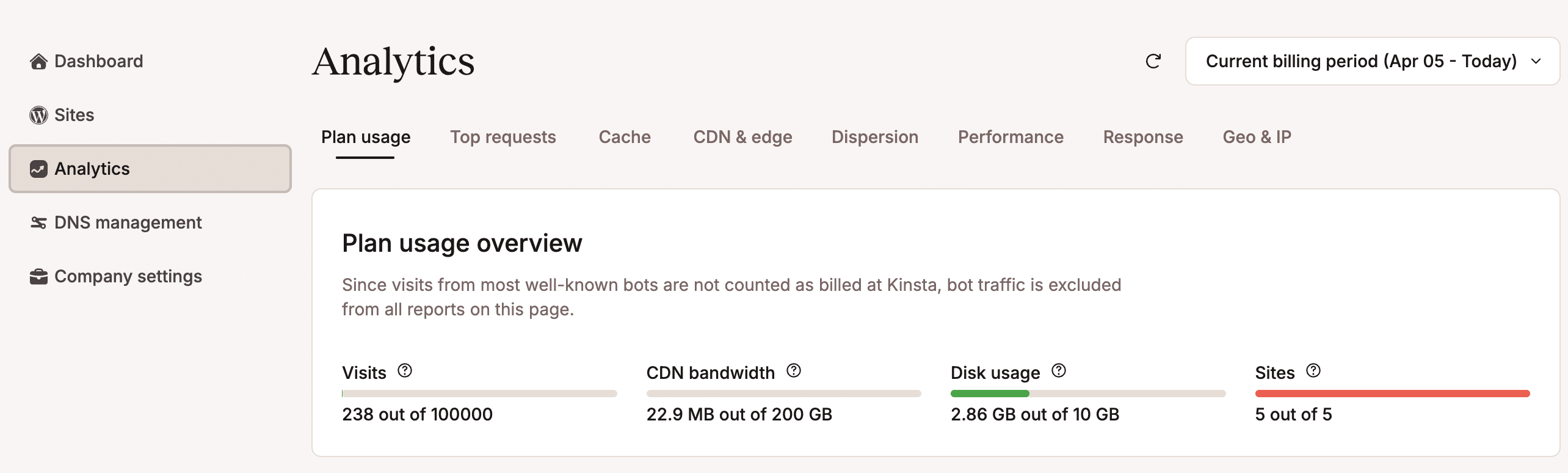
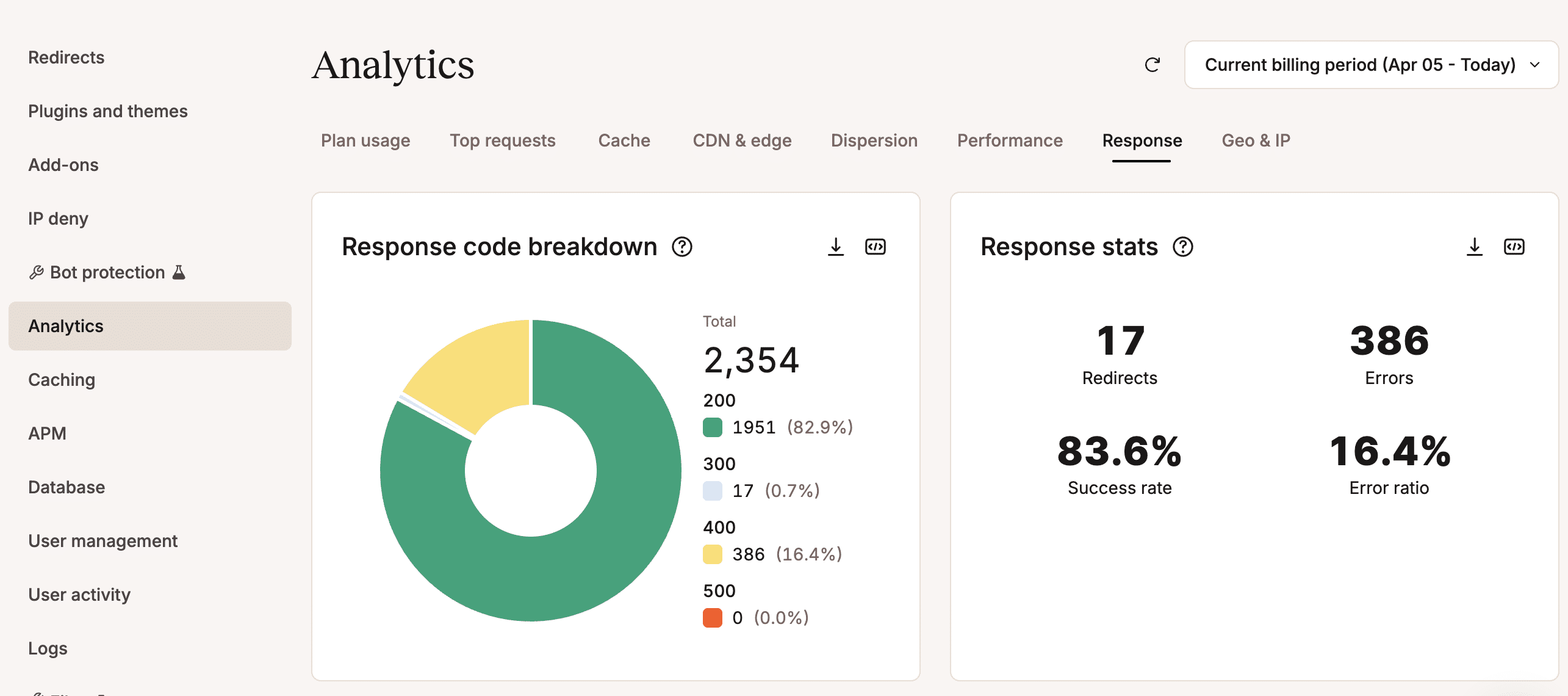
Kinsta has long provided its customers with an extensive array of performance data through its intuitive MyKinsta hosting dashboard. This centralized interface offers a granular view into various aspects of a site’s activity, divided into several specialized tabs. Users can delve into detailed analytics covering resource consumption, efficiency metrics, and overall site performance, understanding precisely where traffic originates and which requests consume the most resources. Combined with Kinsta’s Application Performance Monitoring (APM) tool, these insights allow for deep optimization of WordPress sites.
While the MyKinsta dashboard offers a rich visual experience, its true power for agencies managing multiple sites is unleashed through the Kinsta API. This programmatic interface provides direct access to the same wealth of analytics data, enabling developers to retrieve information without manual intervention. This capability is a game-changer for automation, allowing agencies to build custom tools and integrate Kinsta data seamlessly into their existing workflows.
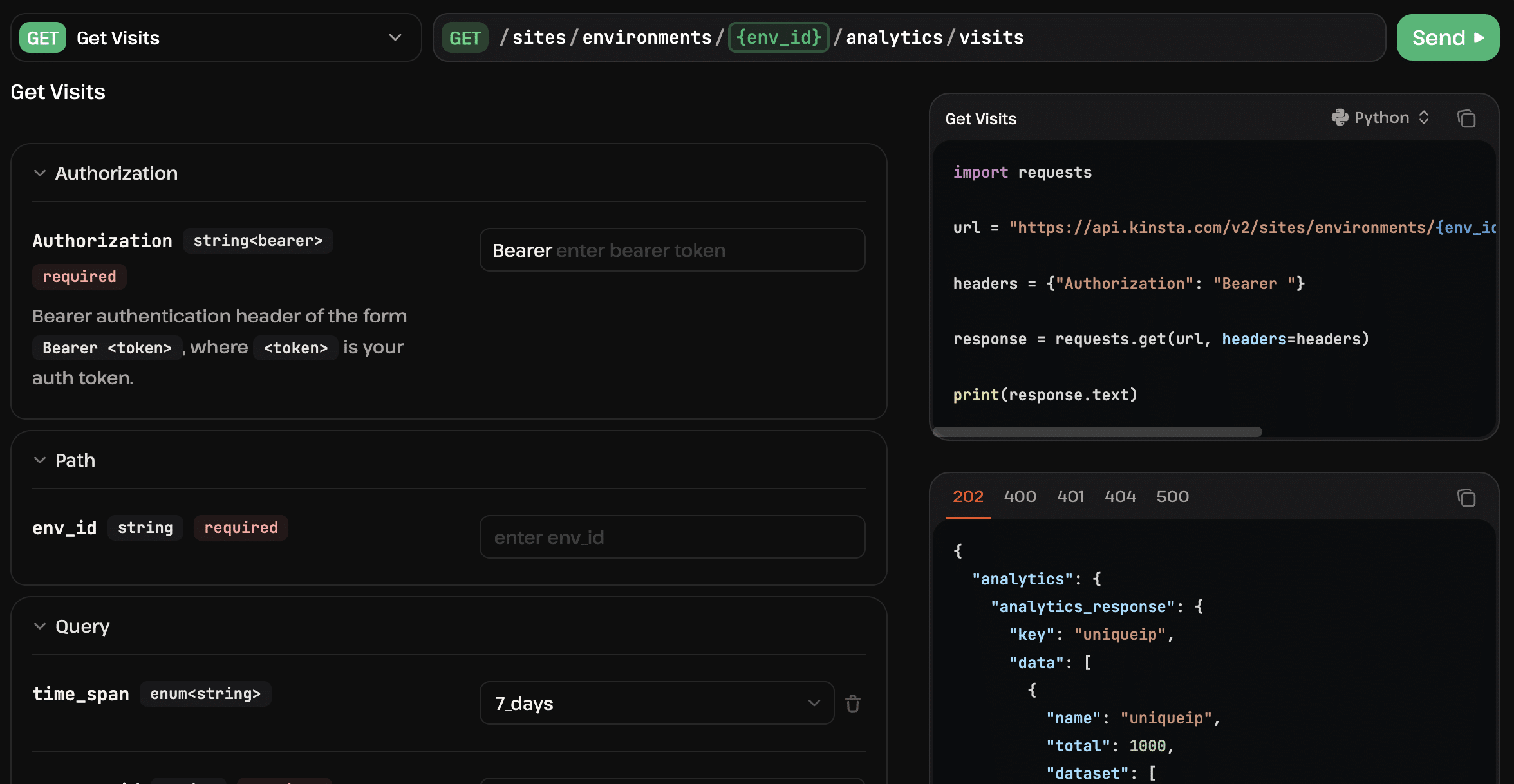
The Kinsta API’s analytics endpoint is particularly crucial, offering raw data on website resource usage and health. Key metrics accessible include:
- Visits: Tracking total site visits and unique IP addresses over specified periods.
- Bandwidth: Monitoring server bandwidth consumption, providing insights into data transfer volumes.
- CDN Bandwidth: Detailing content delivery network usage, essential for understanding global content delivery efficiency.
These endpoints, demonstrated through simple HTTP requests, return structured JSON data that can be easily parsed and processed. For instance, querying for visits over the last 30 days provides a dataset of daily unique IPs, while bandwidth queries reveal daily usage in bytes, ready for conversion and analysis. The availability of an API playground further facilitates experimentation and rapid development, allowing users to test requests and understand responses in real-time.
Building an Automated Reporting System: A Technical Blueprint
The core idea is to transform raw API data into actionable intelligence and present it in a polished, automated report. The proposed solution involves a Python script orchestrated by GitHub Actions, leveraging Kinsta’s API for data and Google’s Gemini API for AI-powered analysis.
1. Project Setup and Secure Credential Management:
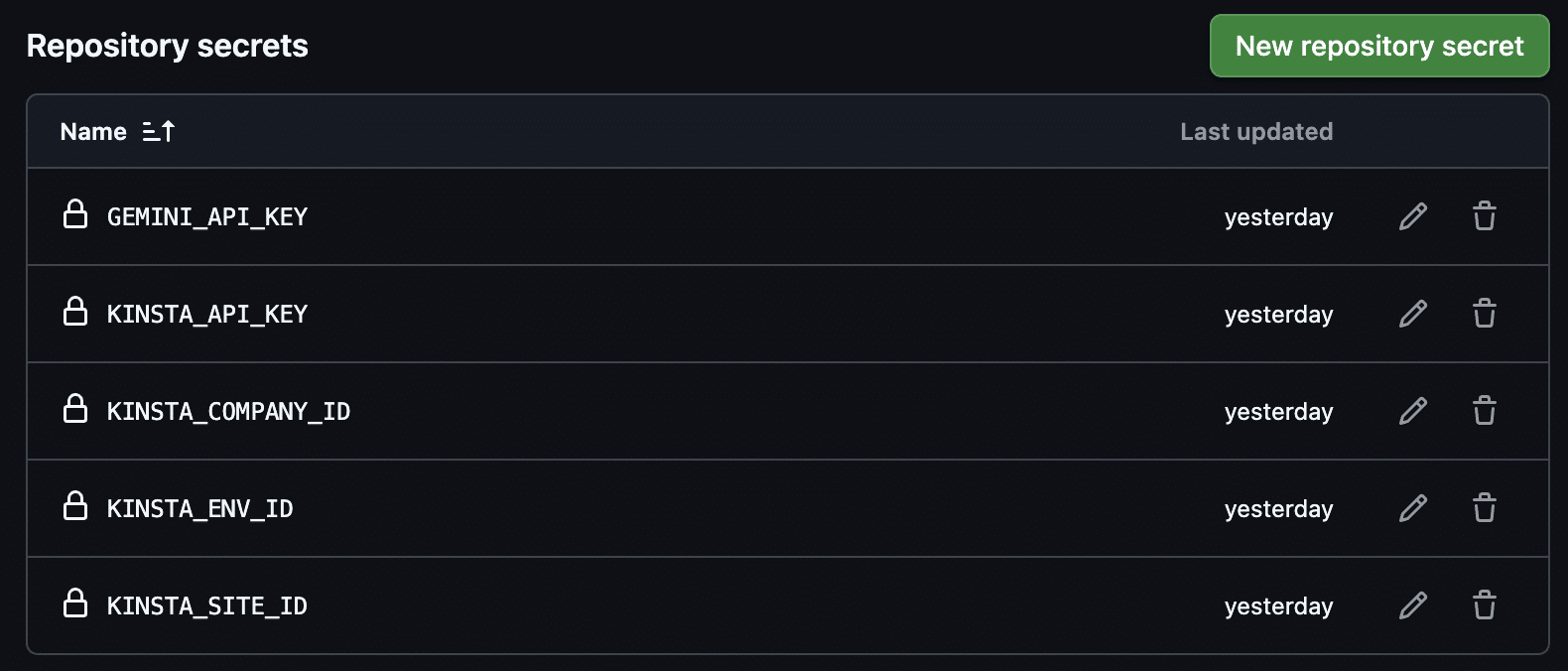
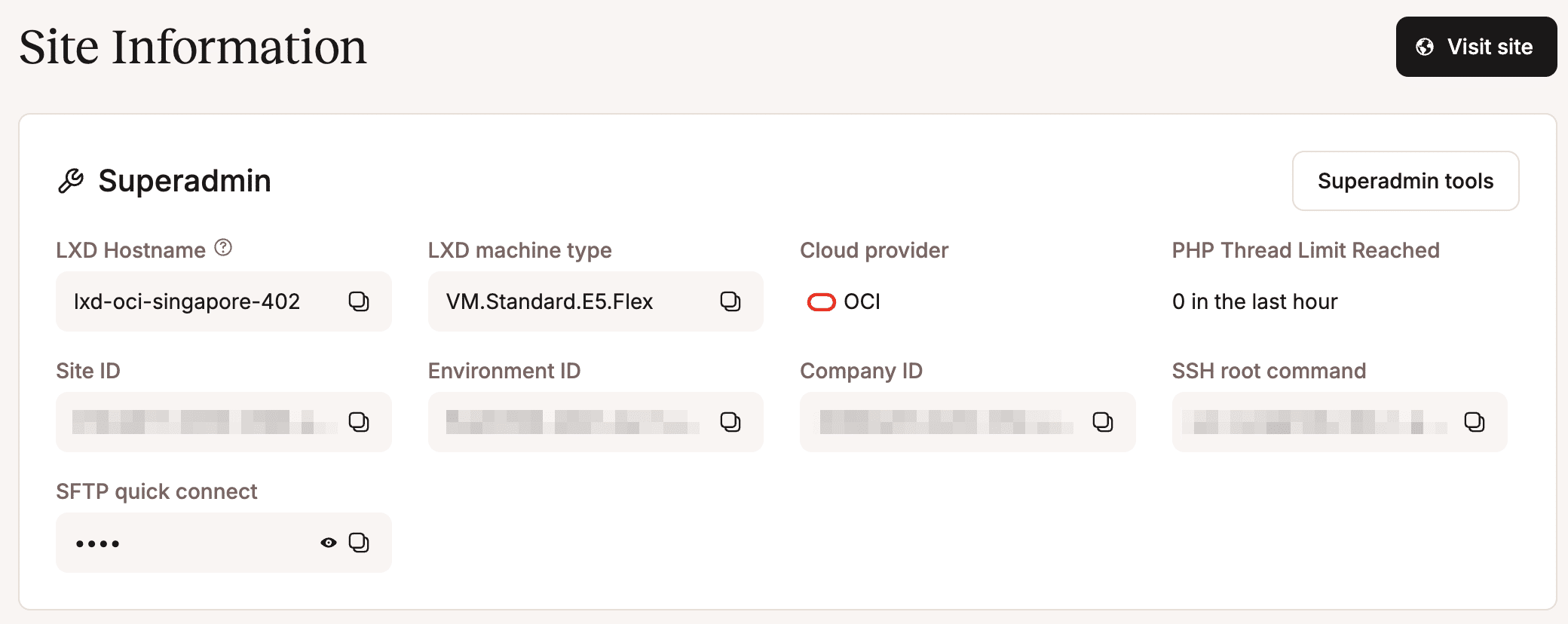
The journey begins with setting up a GitHub repository. Crucially, all sensitive information—Kinsta API keys, environment IDs, company IDs, and Google AI API keys—are stored securely as GitHub Secrets. This best practice prevents credentials from being exposed in code and maintains the integrity of the system. Each ID (Company, Site, Environment) is readily available within the MyKinsta dashboard, ensuring a clear mapping of data sources.
2. Defining Dependencies and Automation Workflow:
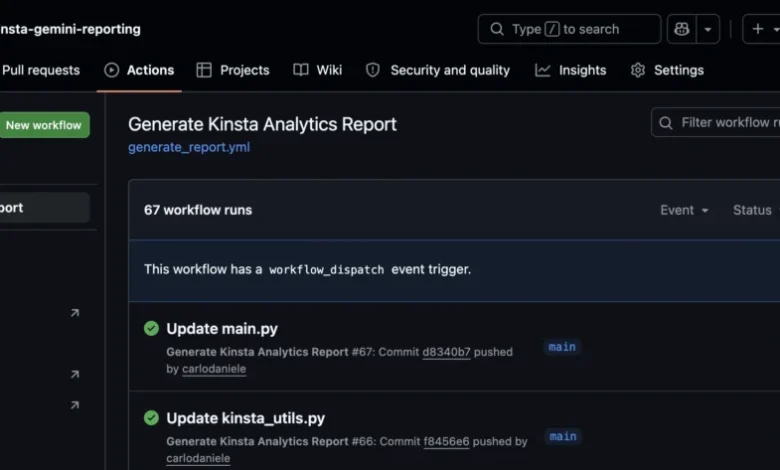
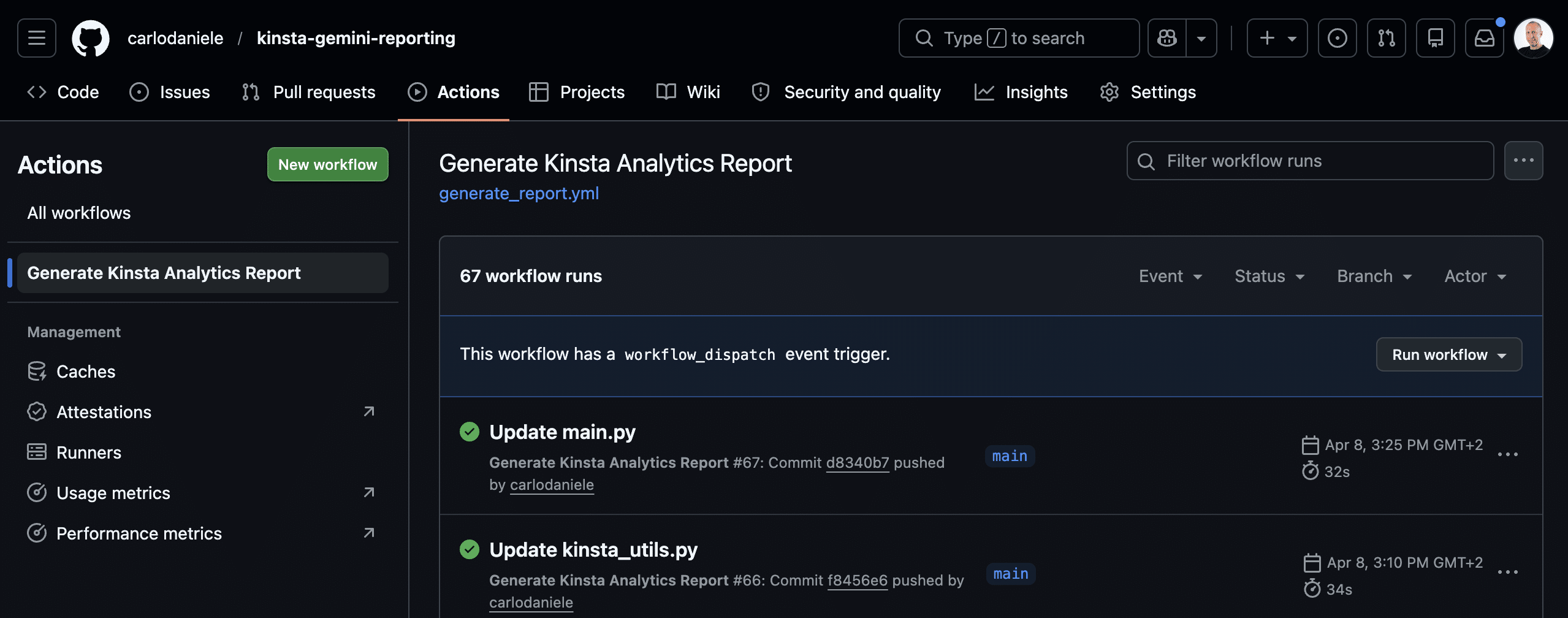
A requirements.txt file lists essential Python libraries: google-genai for AI interaction, requests for API calls, matplotlib for chart generation, and fpdf2 for PDF creation. The heart of the automation lies in the generate_report.yml file, a GitHub Actions workflow configuration. This YAML file defines a continuous integration/continuous delivery (CI/CD) pipeline that:
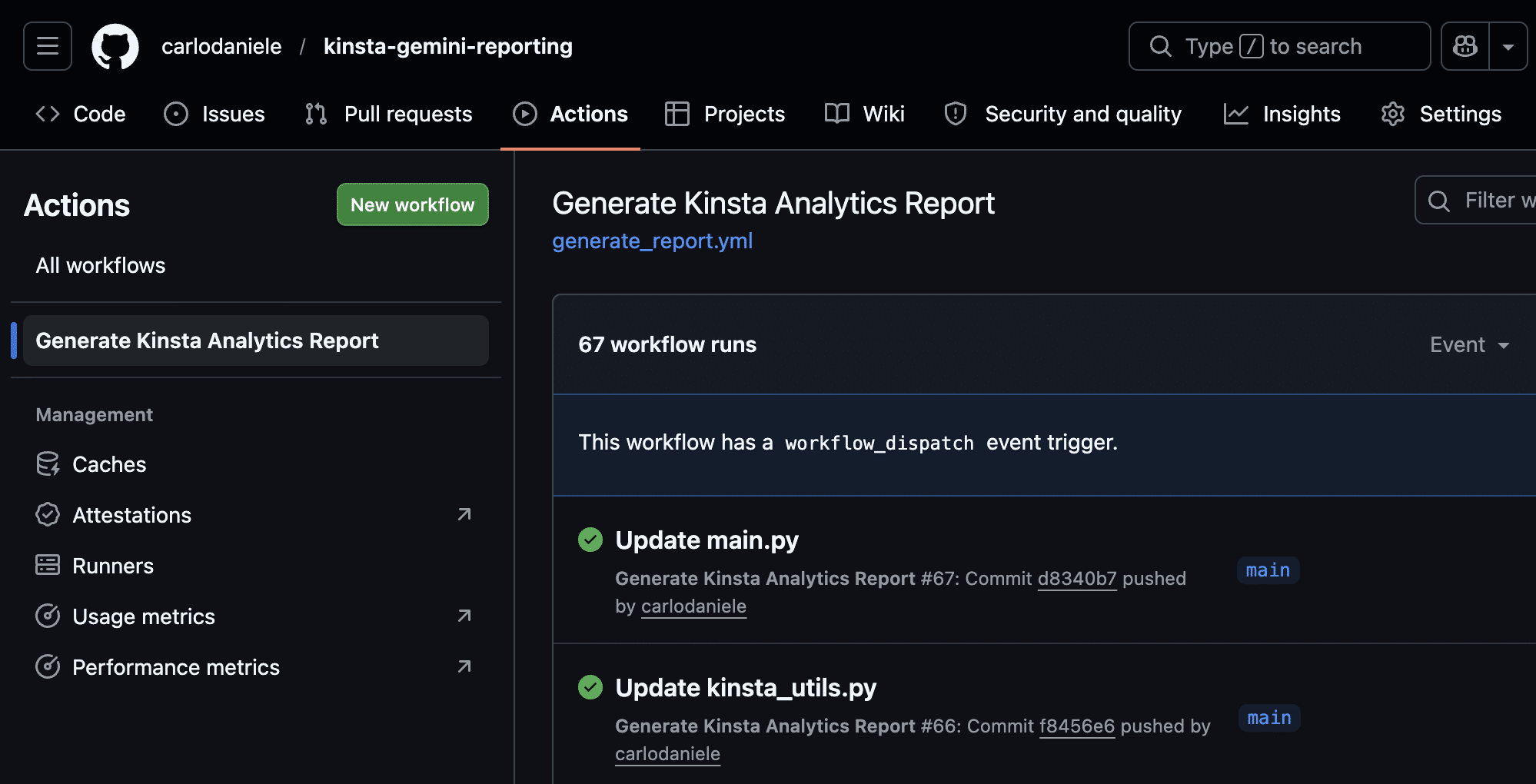
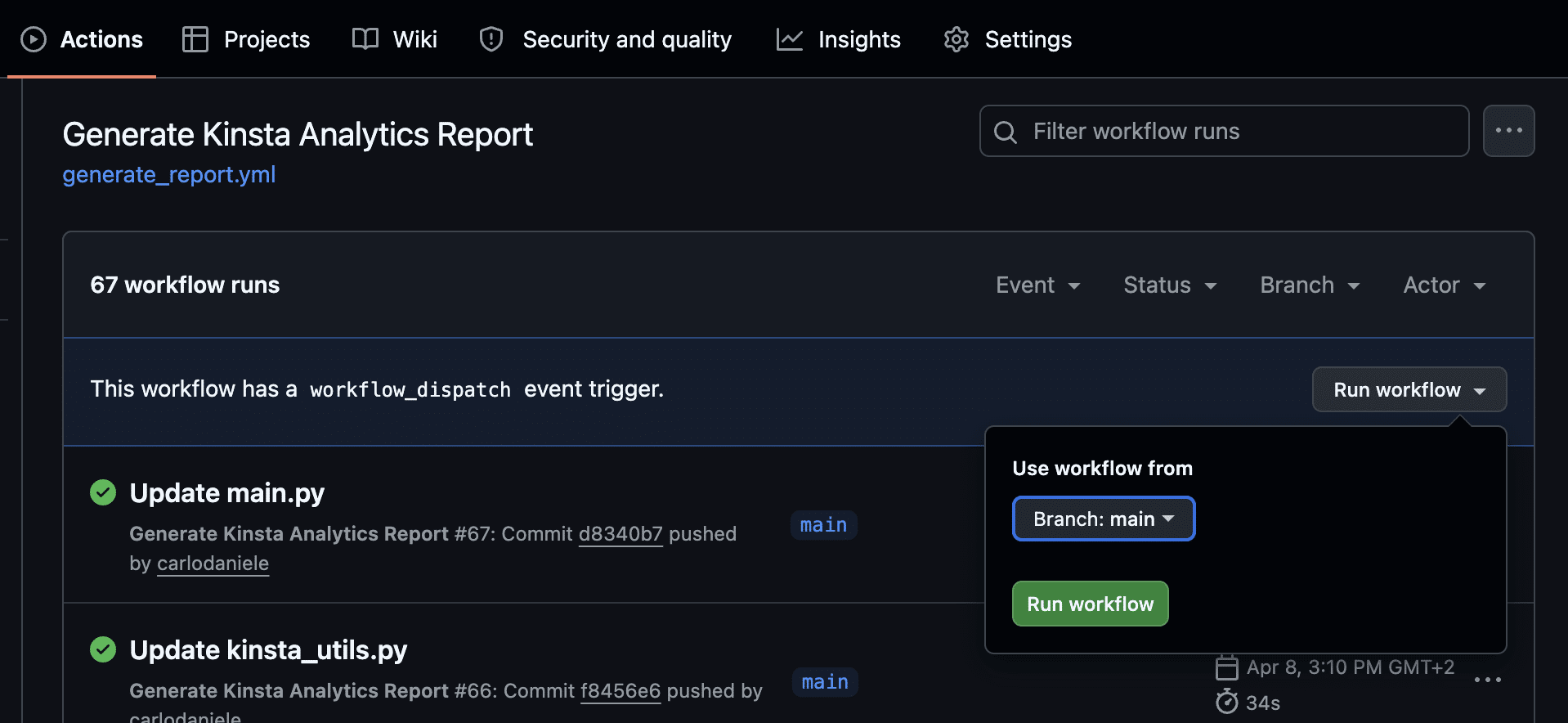
- Triggers: Runs automatically on pushes to the
mainbranch or manually viaworkflow_dispatch. - Environment Setup: Checks out the repository and sets up a Python 3.12 environment.
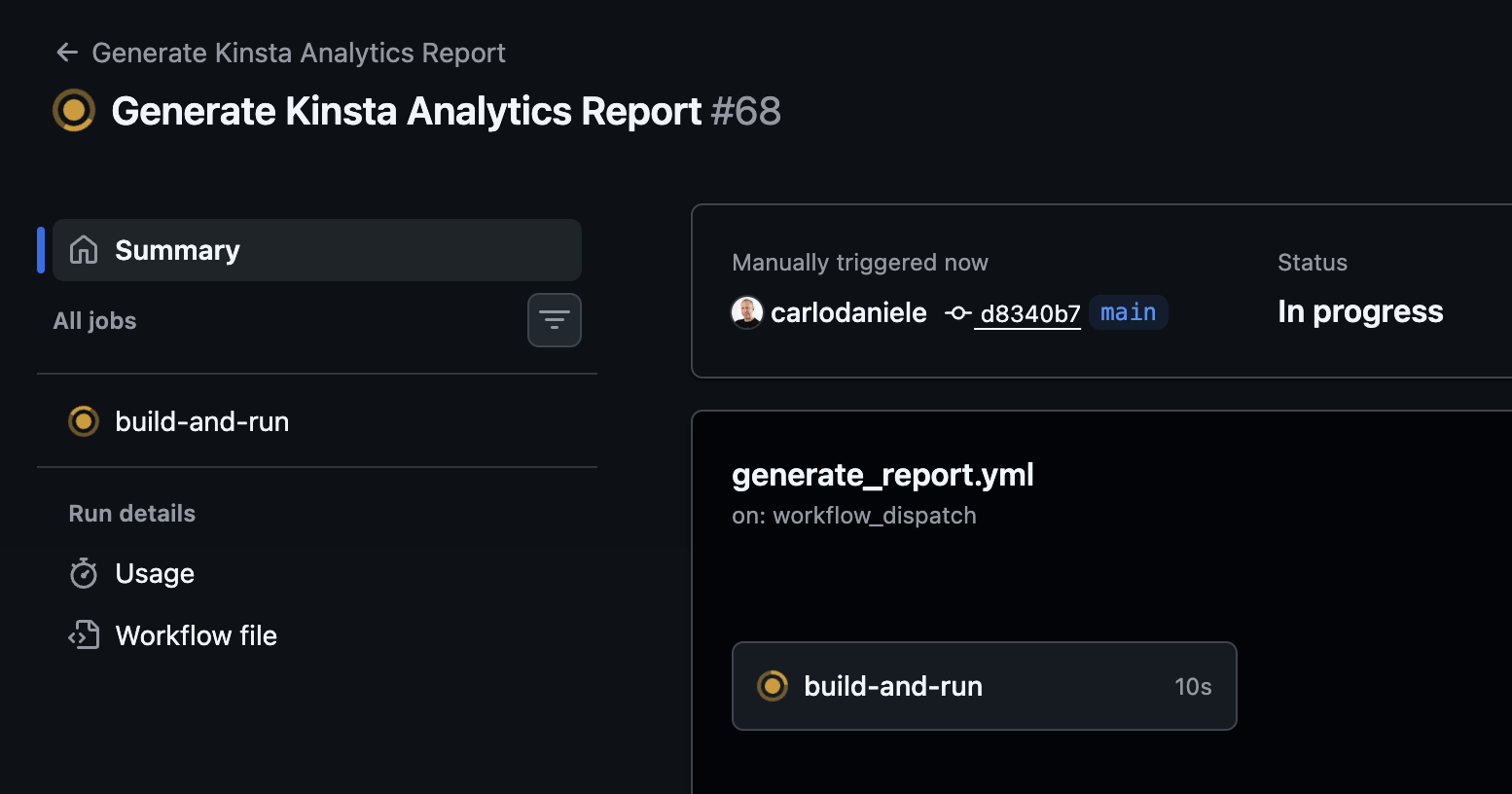
- Dependency Installation: Installs all required Python libraries.
- Script Execution: Runs the main Python script, passing the securely stored API keys and IDs as environment variables.
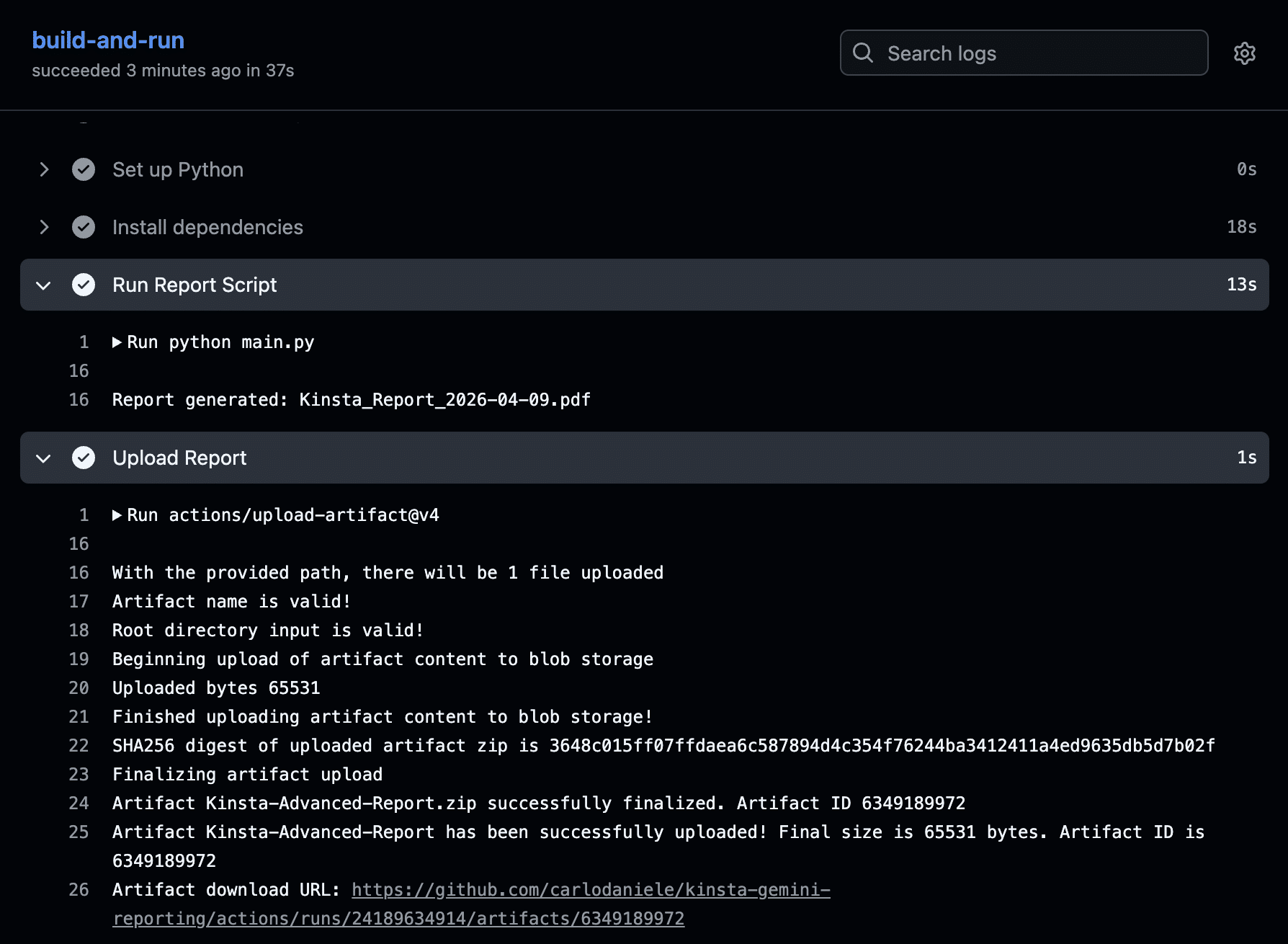
- Artifact Upload: Uploads the generated PDF report as a workflow artifact, making it easily downloadable.
This structured workflow ensures that reports are generated consistently, reliably, and on demand, or on a scheduled basis, significantly reducing manual effort.
3. Programmatic Data Retrieval with Python:
The kinsta_utils.py script serves as the interface with the Kinsta API. It encapsulates the logic for constructing API requests, handling authentication with the bearer token, and parsing the JSON responses. Helper functions convert raw byte values into more human-readable megabytes (MB), aligning with how data is often presented in client reports. The script retrieves data for key metrics like visits, bandwidth, and CDN bandwidth over specified timeframes, enabling comparative analysis between current and previous periods. It also fetches the site’s display name from the Kinsta API, ensuring that reports are accurately branded.
4. Visualizing Data and Generating Reports:
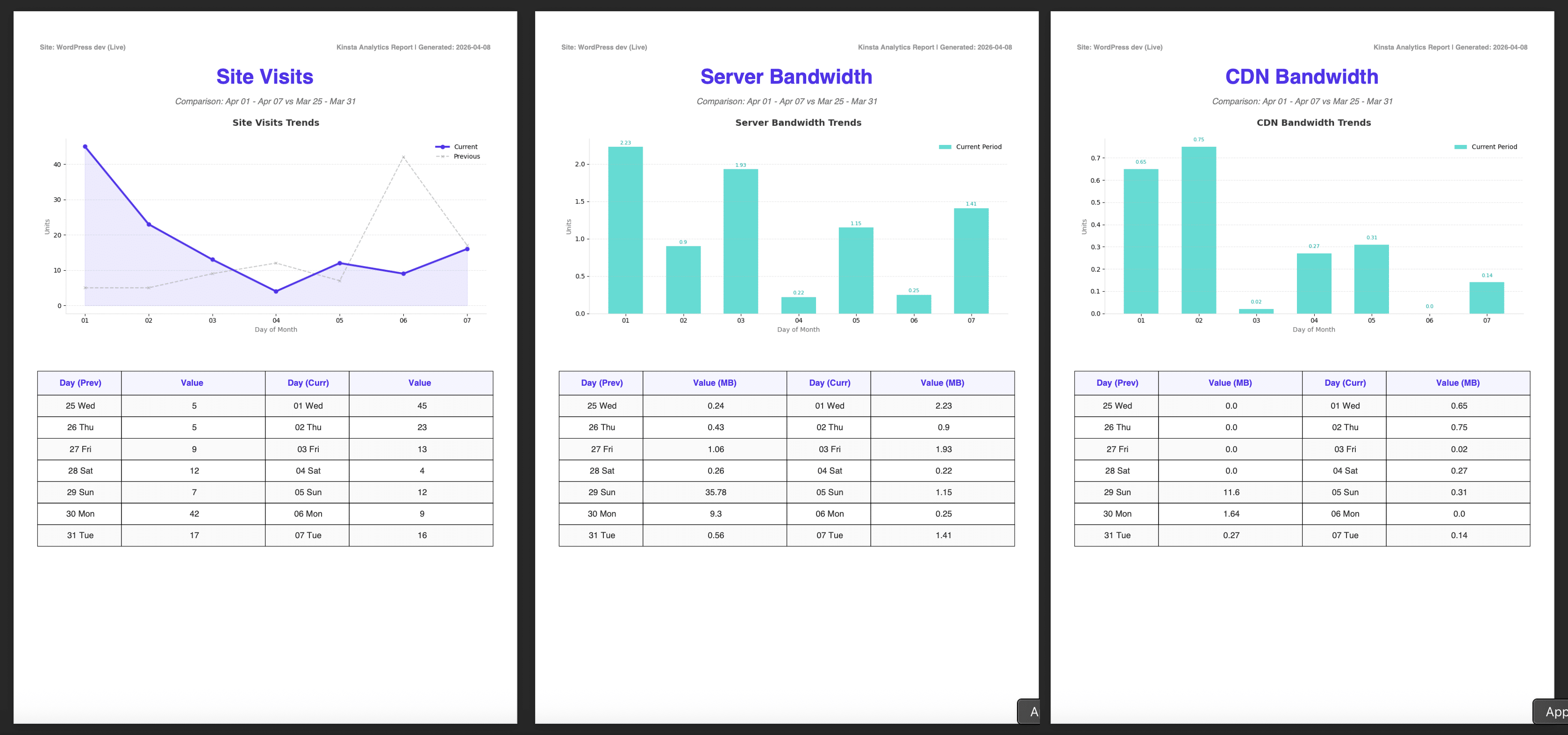
The main.py script orchestrates the entire reporting process. It defines date ranges for comparative analysis (e.g., current week vs. previous week). The KinstaReport class, built upon fpdf2, handles the PDF generation, including custom headers, page titles, and consistent styling. The generate_chart function, using matplotlib, dynamically creates line charts for trends like site visits and bar charts for resource consumption like bandwidth. These charts are then embedded directly into the PDF.
5. AI-Powered Executive Summaries with Google Gemini:
Perhaps the most innovative aspect is the integration of Google’s Gemini API. After gathering and visualizing the data, the Python script constructs a prompt for the Gemini model. This prompt includes key summary metrics (e.g., total visits, server bandwidth for current and previous periods) and instructs the AI to analyze trends and provide a concise, factual executive summary. This AI-generated text is then incorporated into the final PDF report, transforming raw numbers into an intelligent narrative. This capability moves reporting beyond mere data presentation to actual data interpretation, offering clients immediate insights without requiring them to sift through detailed metrics.
Once the workflow runs on GitHub Actions, the generated PDF report is available as a downloadable artifact. This report includes distinct pages for each metric (e.g., Site Visits, Server Bandwidth, CDN Bandwidth), complete with comparative charts, detailed data tables, and the AI-powered Executive Summary.
Broader Impact and Implications for Digital Agencies
The integration of the Kinsta API and AI into reporting workflows offers profound implications for digital agencies, extending far beyond simple time savings:
- Enhanced Client Trust and Retention: Delivering consistent, data-rich, and analytically insightful reports fosters greater transparency and confidence. Clients are more likely to trust an agency that can clearly articulate performance, trends, and strategic implications, leading to stronger, longer-lasting relationships.
- Unprecedented Operational Efficiency: By automating the most tedious aspects of reporting, agencies can reclaim hundreds of hours annually. This time can be reinvested in client strategy, creative development, business development, or staff training, significantly boosting productivity and morale.
- Scalability for Growth: The elimination of the manual reporting bottleneck means agencies can onboard new clients with greater ease, without a proportional increase in administrative overhead. This allows for sustainable growth and the ability to compete more effectively in the market.
- Superior Strategic Decision-Making: With data automatically collected, processed, and analyzed, agencies gain a more immediate and accurate understanding of campaign performance and hosting resource usage. This empowers faster, more informed decisions, leading to optimized campaigns, improved site performance, and better client outcomes.
- Competitive Advantage: Agencies that embrace such advanced automation and AI integration position themselves as forward-thinking innovators. This technological edge can be a powerful differentiator when pitching for new business and retaining existing clients.
- Standardization and Quality Control: Automated systems ensure that every report adheres to a consistent format and includes all relevant data points, eliminating inconsistencies and improving the overall quality and professionalism of client communications.
Next Steps: Towards Hyper-Automated Delivery and Predictive Insights
While the current system represents a significant leap forward, the potential for further enhancement is vast. Future developments could include:
- Customizable Reporting Dashboards: Moving beyond static PDFs to interactive dashboards that allow clients to explore data dynamically.
- CRM Integration: Automatically pushing report summaries or key metrics directly into client relationship management (CRM) systems for a holistic view of client engagement.
- Predictive Analytics: Leveraging AI to not just summarize past performance but also forecast future trends, identify potential issues, and suggest proactive optimizations.
- Alerting Systems: Configuring automated alerts for significant performance changes or resource consumption thresholds, enabling rapid response to critical events.
- Multi-Platform Data Aggregation: Expanding the system to pull data from other sources (e.g., Google Analytics, advertising platforms) to create comprehensive, unified reports.
The fusion of robust hosting APIs like Kinsta’s with advanced AI capabilities is not merely an incremental improvement; it is a transformative shift in how digital agencies operate and deliver value. By embracing automated reporting, agencies can reduce their team’s workload, ensure consistency and precision, and ultimately strengthen client trust and loyalty in an increasingly data-driven world. Agencies ready to scale their operations and elevate their client reporting should explore Kinsta’s API offerings today and begin building the future of efficient, intelligent reporting.