Top 9 Tapstitch Alternatives for 2026: A Comprehensive Analysis for Scaling Apparel Brands

The print-on-demand (POD) landscape underwent a significant transformation in 2026, driven by shifting consumer preferences for heavyweight streetwear and the consolidation of major industry players. As brands move away from Tapstitch—a provider known for its aggressive pricing on 260 gsm tees and 430 gsm hoodies—the necessity for reliable, high-quality alternatives has become paramount. With the recent high-profile merger of Printful and Printify under the FYUL umbrella in late 2024, the market is currently navigating a period of restructuring. For business owners, the challenge lies in finding partners that match the specific aesthetic and margin requirements that Tapstitch initially provided, without sacrificing fulfillment speed or branding capabilities.
Background and Market Context
Tapstitch gained market share rapidly by offering heavy-duty garment blanks at a low barrier to entry. However, as the platform matured, reports of inventory synchronization issues and inconsistent shipping origins—frequently routing US-destined orders through China—led many established e-commerce brands to reconsider their logistics strategy. The shift toward "near-shoring" (producing goods closer to the end consumer) has become the new standard, forcing competitors to adjust their supply chains to compete with domestic production capabilities in the US, Europe, and Japan.
Comparative Analysis of the Top 9 Alternatives
When evaluating these platforms, it is critical to look beyond the "starting price" of a blank garment. Total landed cost, which includes printing, custom labeling, and regional shipping, often reveals that the cheapest base price is not always the most profitable option.
-
Printful: The Best Overall Performer
Printful remains the industry benchmark due to its robust infrastructure and diverse fulfillment network, which spans the US, Mexico, Canada, Latvia, Spain, and Japan. Its primary advantage over Tapstitch is the integration of embroidery and complex cut-and-sew printing, which allows for higher retail price points. While Printful’s base blanks, such as the Bella+Canvas 3001, are lighter than Tapstitch’s heavyweight offerings, the platform’s 22 marketplace integrations—including TikTok Shop and Amazon—provide unparalleled scalability for growing brands. -
Apliiq: The Private Label Leader
For brands prioritizing a premium, boutique feel, Apliiq has positioned itself as the premier choice. By offering genuine sewn-in woven labels starting at 100 units, Apliiq bridges the gap between mass-market POD and private-label manufacturing. While its production timeline (7–10+ business days) is slower than competitors, the ability to combine heavyweight blanks (such as the AS Colour Made Hood) with custom woven branding justifies the price premium for luxury-tier streetwear labels.
-
Printify: The Strategic Low-Cost Option
Despite the November 2024 merger with Printful, Printify continues to operate with a distinct catalog and dashboard. It remains the top choice for price-sensitive sellers. By leveraging a massive network of third-party print providers, Printify offers deep discounts on basics like the Gildan 5000. The platform’s Premium subscription, priced at $299.88 annually, remains a viable strategy for high-volume stores looking to maximize margins on basic inventory. -
Gelato: Scaling Global Fulfillment
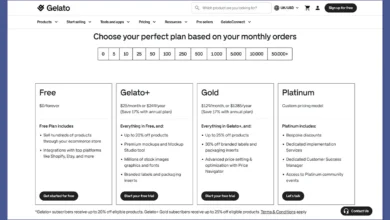
Gelato differentiates itself through its hyper-localized production model, utilizing over 140 hubs across 32 countries. This is an essential alternative for brands with a heavy international customer base. By producing closer to the end user, Gelato significantly reduces transit times and cross-border customs complications, which have been a recurring pain point for brands relying on China-based fulfillment.
-
CustomCat: The Domestic Speed Specialist
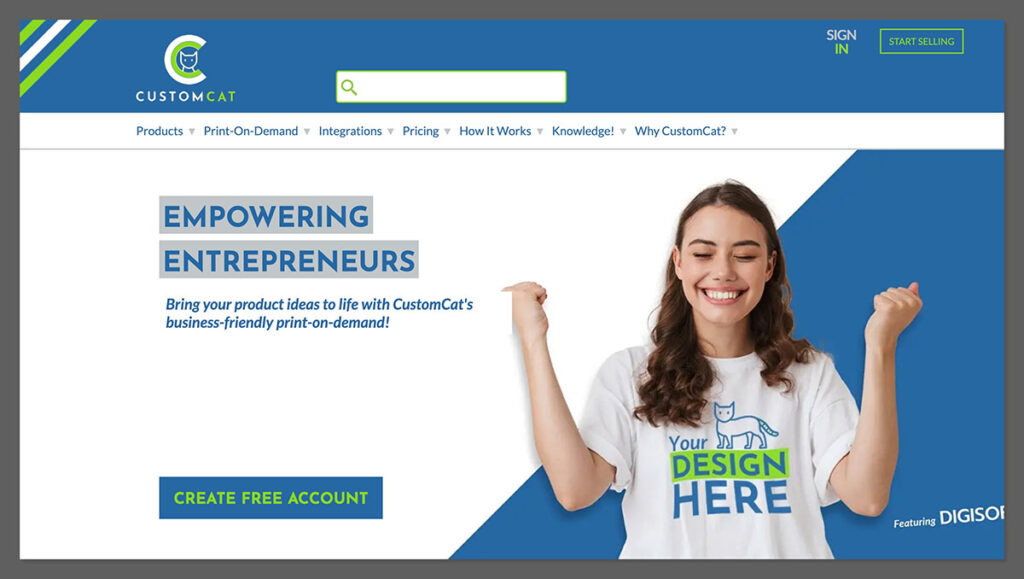
For brands exclusively targeting the US market, CustomCat offers a high-speed production environment centered in Detroit. Their PRO subscription provides a significant reduction in unit costs, making them a direct competitor to Tapstitch for brands that prioritize rapid delivery over complex branding inserts. -
Contrado: Niche Cut-and-Sew Capabilities
Contrado serves a different segment of the market: the custom designer. Unlike providers that print on pre-manufactured blanks, Contrado manufactures garments from scratch in the UK. This allows for all-over printing and custom panel construction. While the price point (starting at $110 for hoodies) is significantly higher than Tapstitch, it provides a unique value proposition for high-end fashion lines.
-
Merchize: Scalable Sewn-in Branding
Merchize appeals to brands that have successfully validated their demand and are ready to transition to large-scale, professionalized inventory. While the 500-unit minimum for sewn-in labels is a high barrier to entry, the per-unit cost is among the lowest in the industry, offering excellent margins for established labels. -
Spreadconnect: The 48-Hour Dispatch Standard
Spreadconnect focuses on operational efficiency, offering a 48-hour dispatch window. Their multi-regional production footprint in Czechia, Germany, Poland, and the US makes them a reliable partner for European-based brands looking to maintain consistent service levels without the volatility of long-distance shipping.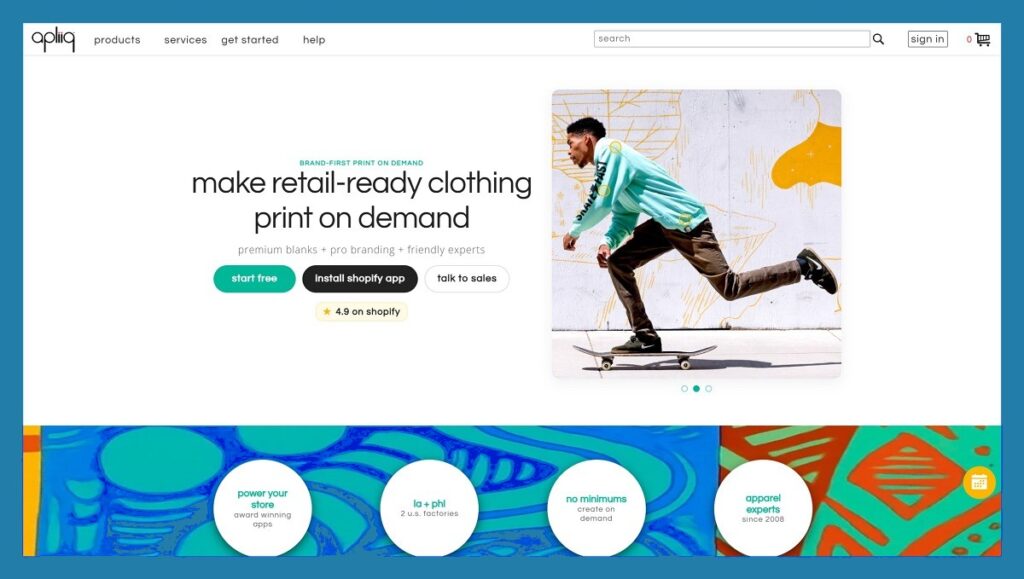
-
Shirtee: The European Heavyweight
Shirtee serves as a localized alternative for EU-based brands. By offering a range of branding options, including sleeve labels and hang tags, Shirtee provides a more tactile, professional experience than the standard printed neck labels found on many US-based platforms.
Supporting Data and Technical Considerations
When selecting an alternative, brands must conduct a "cost-per-garment" audit. The following table summarizes the market position of these providers:

| Provider | Production Focus | Key Branding Feature | Typical Lead Time |
|---|---|---|---|
| Printful | Global / Versatile | Printed Labels / Embroidery | 2-5 Days |
| Apliiq | Private Label | Woven Labels | 7-10 Days |
| Printify | Cost-Efficiency | Printed Labels | 3-6 Days |
| Gelato | Localized Global | Minimal Branding | 2-5 Days |
| CustomCat | US Domestic | Basic Print | 1-3 Days |
Chronology of Industry Changes
- November 2024: Printful and Printify announce their merger under the FYUL parent company, signaling a shift toward industry consolidation.
- June 2026: Reports emerge regarding inventory shortages at Tapstitch and inconsistent shipping origins, triggering a wave of migration to other providers.
- February 2026: Merchize launches a dedicated Shopify app, expanding its accessibility to a wider user base.
- October 2026: Market analysis confirms a surge in "hybrid" POD strategies, where brands use multiple providers to balance cost and regional shipping speed.
Implications and Strategic Advice for Brands
The primary takeaway for apparel brands is the danger of "vendor lock-in." Relying on a single provider for all SKUs and regions is a significant operational risk. The most successful brands in 2026 are those that have diversified their supply chain, using one provider for US-based domestic orders and another for international fulfillment.
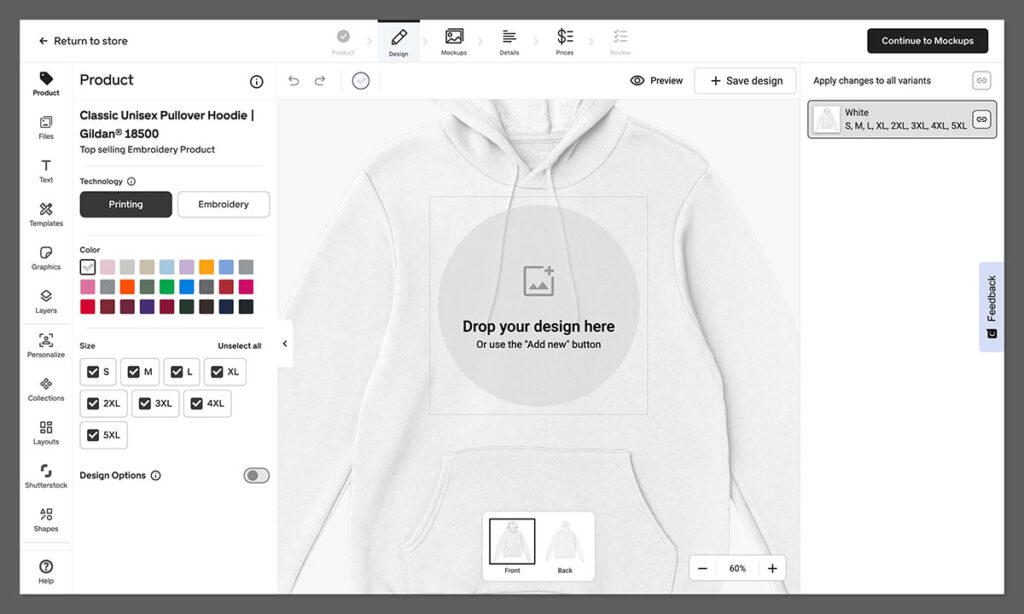
Furthermore, the transition from Tapstitch requires careful attention to product mockups. Because different providers use different manufacturers for their blanks, a "Bella+Canvas 3001" from one provider may fit differently than the same model from another. It is non-negotiable to order samples before initiating a full catalog migration. Failure to do so risks negative customer feedback regarding fit and print quality.
Official Stance on Market Trends
While industry leaders have not provided public statements on specific competitor performance, the general industry sentiment, as reflected in recent white papers and trade publications, is clear: the focus has moved away from "cheapest possible blank" toward "reliable, high-touch branding." Brands that invest in custom packaging, woven labels, and localized fulfillment are seeing higher retention rates than those competing solely on price.
Conclusion: Choosing the Right Partner
For most brands, Printful represents the most balanced transition from Tapstitch, offering the necessary infrastructure to scale without sacrificing quality. However, for brands specifically seeking to maintain the "heavyweight" aesthetic of their previous provider, Apliiq remains the strongest choice due to their focus on high-gsm garments and professional-grade woven labels. As the print-on-demand sector continues to evolve, the ability to remain agile and pivot between providers based on regional demand and quality requirements will be the defining trait of successful e-commerce businesses.