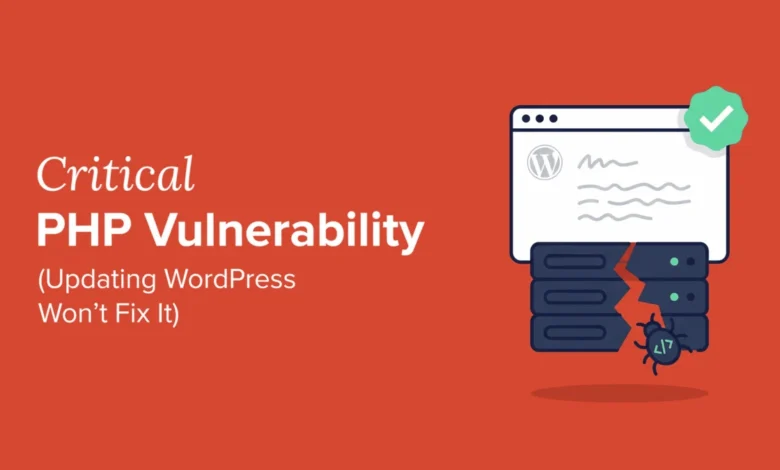
The global web infrastructure faced an immediate security concern following the official release of emergency patches by the PHP security team on October 21, 2026. These patches address two critical vulnerabilities discovered within the core architecture of PHP, the programming language that powers roughly three-quarters of all websites with known server-side languages. Among the most vulnerable platforms are millions of WordPress-driven websites, content management systems, and e-commerce stores globally. Because details regarding the vulnerabilities leaked prior to the deployment of official patches, cybersecurity analysts have warned that malicious actors may already be actively exploiting these entry points in the wild.
The nature of the discovered flaws is severe. Both vulnerabilities allow unauthenticated remote attackers to execute arbitrary code directly on affected web servers. In practical terms, this means an external threat actor can compromise a server without needing valid login credentials, administrative access, or user interaction. Once inside, attackers can potentially hijack website databases, deploy malware, redirect traffic to malicious destinations, or use compromised servers as launchpads for broader cyberattacks. Because WordPress relies entirely on PHP to render web pages, query databases, and manage plugins, any underlying weakness in PHP poses an existential threat to the security posture of an entire site, independent of whether the WordPress core, themes, and plugins are fully up to date.
Understanding the Chronology of the Threat
The timeline leading up to the October 21, 2026 patches highlights the growing challenge of zero-day disclosures and information leaks in open-source ecosystems. Security researchers first detected anomalous server behavior earlier in the week, indicating that malicious entities were probing systems for undiscovered parsing errors. Shortly thereafter, technical specifics concerning the vulnerability parameters leaked across various developer forums and messaging channels before official remediation code could be finalized and distributed.
Recognizing the severity of the premature disclosure, the PHP core development team fast-tracked the creation of emergency patches. By releasing the fixes on October 21, developers aimed to close the security window before widespread automated exploitation could commence. However, the lag between a software patch release and its actual implementation by website owners remains a critical vulnerability window. Threat intelligence firms note that automated botnets typically begin scanning the web for unpatched endpoints within hours of a vulnerability disclosure, making immediate action necessary for server administrators and website owners.
Scope of Affected Systems and Version Requirements
A common misconception among website owners is that updating the WordPress core automatically updates the underlying PHP version. This is not the case. PHP operates at the server level, meaning the responsibility for updating the language version rests with the hosting provider or the user managing the server environment.
Sites running PHP versions 8.1 or older are in an especially precarious position. These legacy versions have reached their End-of-Life (EOL) status, meaning they no longer receive active bug fixes or regular security support from the official PHP development community. Consequently, simply applying a minor patch to PHP 8.0 or 8.1 is not an option for users on outdated branches; they must upgrade their server environment to a currently supported version—such as PHP 8.2, 8.3, or 8.4, depending on compatibility—to secure their applications.
The rapid evolution of web technologies means that while upgrading PHP resolves core language vulnerabilities, it can occasionally introduce compatibility conflicts with older WordPress plugins or custom themes. This creates a delicate balancing act for site administrators, who must weigh the risk of an unpatched remote code execution vulnerability against the potential downtime of an abrupt PHP version upgrade.
Step-by-Step Mitigation Strategies for Website Owners
To protect digital assets from potential exploitation, website administrators and developers must take immediate, methodical steps to secure their server environments.
- Verify Current PHP Version: Website owners should log into their hosting control panel (such as cPanel, Plesk, or proprietary dashboards provided by hosts like Bluehost, SiteGround, or WP Engine) or check the Site Health screen within their WordPress dashboard to identify which version of PHP is currently active.
- Backup the Website: Before initiating any major server-side updates, create a comprehensive, reliable backup of both the website files and the MySQL or MariaDB database. This ensures a quick restoration path if an incompatible plugin triggers a fatal error or a "White Screen of Death."
- Perform the Upgrade: Transition the server environment to the latest stable release of PHP. Most modern managed hosting providers offer a simple dropdown menu within their dashboard that allows users to switch versions instantly.
- Test Functionality: Following the upgrade, thoroughly inspect frontend pages, checkout flows, and backend administrative panels to confirm that all scripts, plugins, and themes function as expected without throwing deprecated error notices or critical failures.
- Consult Hosting Providers: For users lacking technical access or confidence to modify server configurations manually, contacting customer support at the hosting provider is an effective alternative. Major hosts are typically equipped to apply necessary emergency patches or assist with guided version upgrades.
Broader Implications for the Open-Source Web Ecosystem
The discovery of these critical PHP flaws underscores the systemic dependencies inherent in the modern internet. Because PHP underpins platforms like WordPress, Drupal, Magento, and countless custom applications, a flaw at the language level creates a cascading risk profile across millions of independent web properties.
Cybersecurity analysts emphasize that open-source software relies heavily on a proactive community of maintainers and ethical hackers. However, the speed at which vulnerabilities are weaponized often outpaces the administrative workflows of everyday website owners, many of whom treat maintenance as an afterthought.
As automated attack tools become more sophisticated, leveraging artificial intelligence to scan and exploit server-side vulnerabilities within seconds of public disclosure, the traditional paradigm of scheduled maintenance windows is no longer adequate. Proactive monitoring, automated patch management, and strict adherence to supported software lifecycles are now baseline requirements for maintaining a secure web presence. Moving forward, industry experts anticipate increased pressure on hosting providers to automate PHP lifecycle management, minimizing the window of exposure for non-technical website administrators and safeguarding the broader digital ecosystem against systemic compromise.