Can You REALLY Make Money Blogging? 7 Things I Know About Making Money from Blogging


The prospect of generating a sustainable income through blogging has shifted from a fringe digital endeavor to a recognized business model, yet it remains shrouded in conflicting narratives. On one side of the spectrum, digital marketers often promote the idea that blogging is a rapid, scalable path to six-figure wealth, frequently tethering these claims to the sale of proprietary training products. Conversely, critics argue that the barrier to entry is too high, the market is saturated, or that any suggestion of profitability is inherently deceptive. The reality, however, is a nuanced landscape where success is possible but contingent upon significant time investment, strategic diversification, and a rejection of "get-rich-quick" methodologies.
The Evolution of the Professional Blogger
To understand the viability of blogging as a career, one must look at the historical trajectory of the medium. In the early 2000s, blogging was largely a personal journaling tool. By 2010, the landscape had matured as platforms like WordPress lowered technical barriers, allowing individuals to treat their sites as media publications. The transition from hobbyist to professional required a shift in mindset: moving from sporadic, personal updates to consistent, audience-centric content creation.
Data indicates that the maturity of a blog is the strongest predictor of financial success. Analysis of industry surveys reveals that approximately 85% of bloggers earning over $10,000 per month have been operational for four years or longer. This timeline suggests that blogging is not an overnight disruption but a long-term asset-building process. The "early adopter" advantage, which benefited many of the first wave of professional bloggers, has been replaced by an emphasis on niche authority and high-quality, long-form content.
Statistical Reality: The Income Spectrum
Recent industry data provides a sober look at the economic reality of the blogging ecosystem. While success stories dominate social media, the quantitative data suggests that a vast majority of those attempting to monetize their blogs are not achieving a full-time income.
In a survey of approximately 1,500 active bloggers, the income distribution was heavily skewed toward the lower end. Approximately 10% of respondents reported generating no income at all, while 28% earned less than 30 cents per day. Nearly two-thirds of the cohort earned less than $3.50 daily. However, the data also confirms the existence of a high-earning minority: roughly 4% of participants reported monthly earnings exceeding $10,000, representing a sustainable, professional-level income. An additional 9% reached the threshold of $1,000 per month, which often serves as a meaningful supplemental income stream. These figures demonstrate that while the "average" blogger may not be replacing a salary, there is a clear, repeatable path to profitability for those who reach a certain scale of audience and authority.

Diversification of Revenue Streams
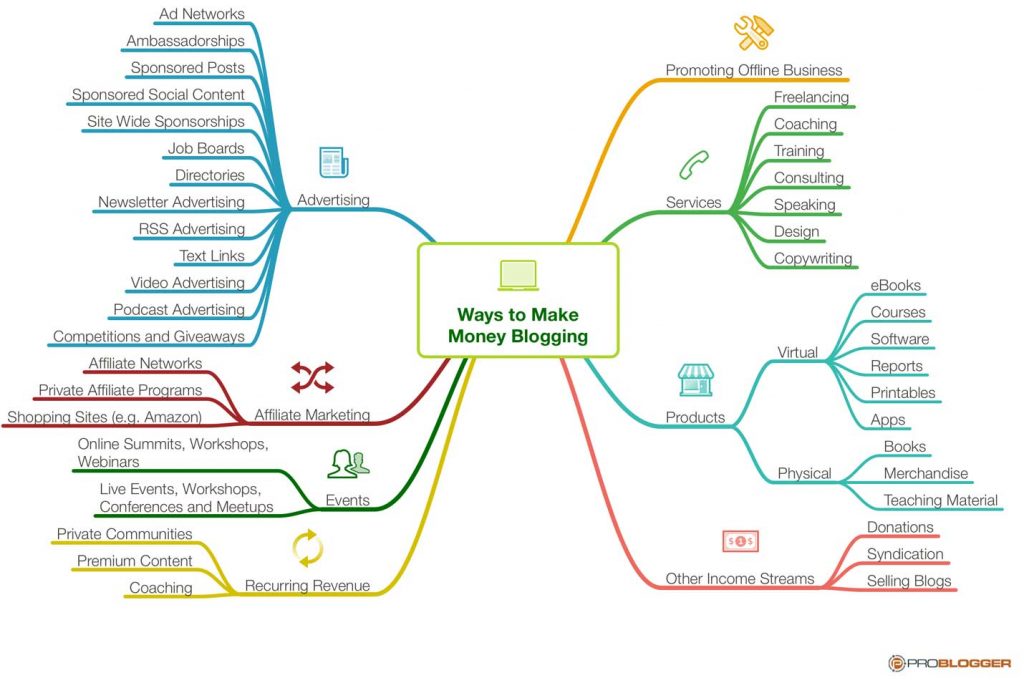
A critical finding in professional blogging is that there is no singular "formula" for monetization. Successful publishers rarely rely on a single source of revenue. Instead, the modern professional blog functions as a media conglomerate with multiple, interconnected income streams.
- Advertising and Sponsorships: Traditional display advertising remains a baseline, but high-earning blogs have shifted toward direct partnerships and sponsored content, which offer higher margins than programmatic ads.
- Digital Products: E-books, online courses, and gated membership areas allow creators to monetize their expertise directly. This bypasses the middleman, offering higher profit margins per sale.
- Affiliate Marketing: By recommending products that align with their niche, bloggers earn commissions on sales. This model relies heavily on trust, as the blogger’s reputation is tied to the quality of the product recommended.
- Professional Services: Many bloggers leverage their site as a portfolio, using it to secure consulting contracts, speaking engagements, or even book deals.
The key to these successful models is the alignment of content with the specific needs of an audience. For instance, a blog focused on woodworking may find that selling detailed blueprints or specialized tutorials is far more lucrative than selling general advertising space.
The Myth of Passive Income
One of the most persistent misconceptions in the industry is the label of "passive income." While a well-optimized post may continue to generate traffic and revenue for years, the initial creation and ongoing maintenance of the site are anything but passive. Professional bloggers describe their work as a high-effort, high-engagement activity.
This work involves daily content creation, community management, search engine optimization (SEO) monitoring, and technical maintenance. Furthermore, the market is dynamic; search algorithms and social media trends change frequently, requiring bloggers to remain agile. The professional blogger acts as a researcher, writer, editor, marketing manager, and technical support specialist—a multifaceted role that requires a significant time commitment, often exceeding standard 40-hour work weeks in the growth phase.
Niche Selection and Market Relevance
A common critique is that the only people making money are those writing about "how to blog." Data refutes this. In reality, the most profitable blogs are often those covering mundane or specialized topics that have a clear, high-intent audience. A blog dedicated to travel, photography, or health and wellness can be significantly more profitable than a site about blogging itself, provided the audience size and engagement levels are sufficiently high.
The implications for new entrants are clear: success is not found in mimicking the "make money online" crowd, but in identifying a specific, underserved niche where the creator can provide unique value. Whether the topic is sustainable living, professional photography, or specialized DIY projects, the ability to build trust with a specific demographic is the true currency of the digital age.
The Role of Persistence and Action
The chronological data points toward a four-year window as the standard gestation period for a professional blog. This includes a phase of zero-to-low income, followed by a gradual increase as the site gains search engine authority and a loyal readership. Many potential bloggers fall away during the first two years—a period characterized by "the dip," where effort is high but financial reward is negligible.
Those who persist often do so because they are driven by the quality of their work rather than immediate financial gain. The most successful bloggers are "people of action" who prioritize the creation of original, interesting, and helpful content over the implementation of complex, "get-rich-quick" schemes.
Future Outlook and Industry Implications
The digital publishing landscape is currently undergoing a shift. With the rise of AI-generated content, the value of human-centric, experiential, and expert-driven content is expected to rise. Blogs that rely on superficial, derivative information will likely struggle, while those that foster deep engagement and provide unique, high-quality insights will remain viable.
For the aspiring blogger, the roadmap is clear:
- Establish a Niche: Identify a subject area where you possess genuine expertise or deep interest.
- Commit to Quality: Prioritize the reader’s experience above search engine optimization.
- Diversify Monetization: Do not rely on one source of income; build a ecosystem of products and services.
- Practice Longevity: Expect a multi-year timeline to achieve professional-level results.
The evidence suggests that while the "easy money" era of blogging may have passed, the "professional media" era is thriving. The barrier to entry remains low, but the barrier to success—which requires consistency, technical proficiency, and business acumen—is higher than ever. For those willing to treat their blog as a long-term business asset rather than a digital diary, the potential for financial independence remains a tangible, albeit demanding, reality.
As digital consumption patterns continue to evolve, the professional blogger will remain a vital component of the media landscape. The ability to build a community and offer specialized knowledge will continue to be a valuable commodity, proving that while the medium has changed, the fundamental principles of building a business—value, trust, and perseverance—remain as relevant today as they were at the dawn of the blogging era.