Building WordPress Blocks with Only PHP: A Paradigm Shift for Legacy Theme Migration

For years, the evolution of WordPress toward a full site editing experience has necessitated a steep learning curve for developers, specifically the requirement to master React, complex build pipelines, and Node.js dependency management. With the release of WordPress 7.0, the platform has finally introduced a native mechanism for registering blocks using exclusively PHP. This development arrives seven and a half years after the initial introduction of the Gutenberg editor in 2018, marking a significant milestone in the platform’s ongoing effort to bridge the gap between classic PHP-based theme development and modern block-based architectures.
The introduction of the autoRegister flag within the register_block_type function simplifies the registration process by automating the generation of the necessary client-side JavaScript. While this innovation provides a simplified path for developers, it is important to contextualize the feature not as a replacement for JavaScript-powered blocks, but as a strategic tool for theme migration and legacy code integration.
Chronology and Development Context
The timeline of the WordPress block editor has been characterized by a rapid, often overwhelming, pace of change. When the block editor debuted in December 2018, it represented a radical departure from the Classic Editor. For the subsequent seven years, the development community has been divided between those who embraced the JavaScript-heavy architecture of React and those who remained in the "classic" ecosystem of PHP templates, shortcodes, and widgets.
Throughout this period, the WordPress Core team faced criticism regarding the barrier to entry for theme developers. The requirement to maintain a build pipeline—often involving Webpack, Babel, and complex npm packages—created a significant overhead for small agencies and individual developers. The push for "Block Themes" in recent years sought to modernize the user experience, yet adoption remained stagnant among those with large, existing portfolios of classic themes. WordPress 7.0 addresses this by effectively lowering the technical threshold, allowing developers to create blocks that function within the editor while relying solely on server-side logic.
Technical Mechanics of PHP-Only Registration
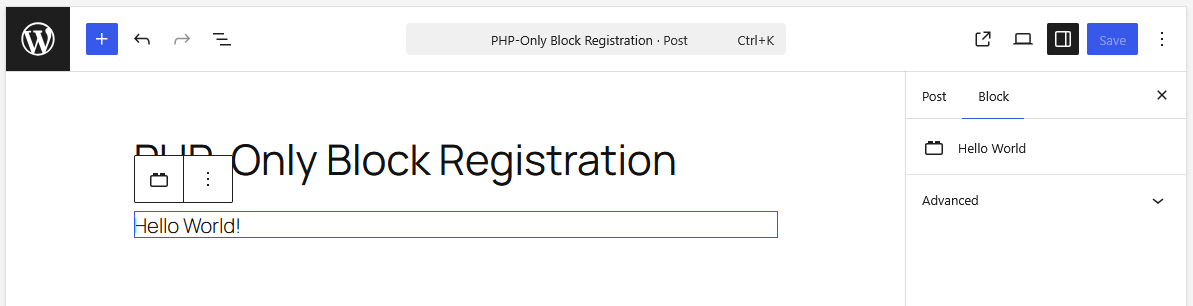
The core of this new functionality lies in the autoRegister support flag. Traditionally, a WordPress block required a dual-registration process: one in the PHP layer for server-side rendering and another in the JavaScript layer to handle the editor-side behavior and props.
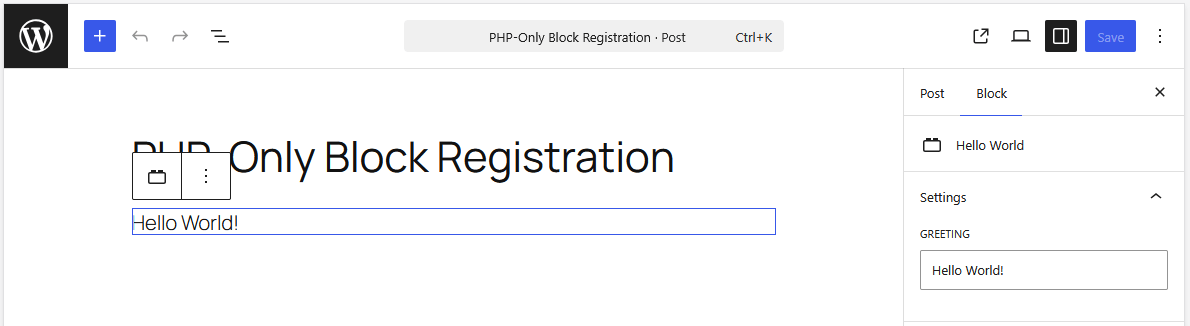
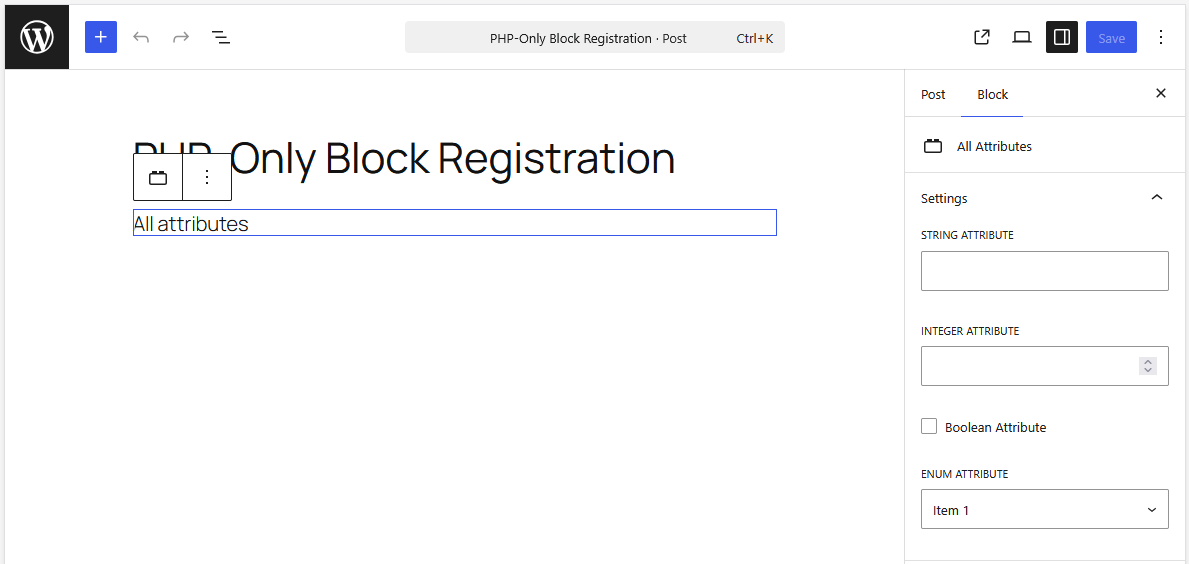
By setting 'autoRegister' => true in the supports array, the WordPress engine now takes responsibility for the client-side lifecycle of the block. This includes generating the necessary editor previews and UI controls based on the attributes defined in the PHP registration. For example, by defining attributes within the register_block_type function, WordPress automatically renders the appropriate input fields—such as text boxes or toggles—in the editor’s sidebar.
Data and Performance Implications
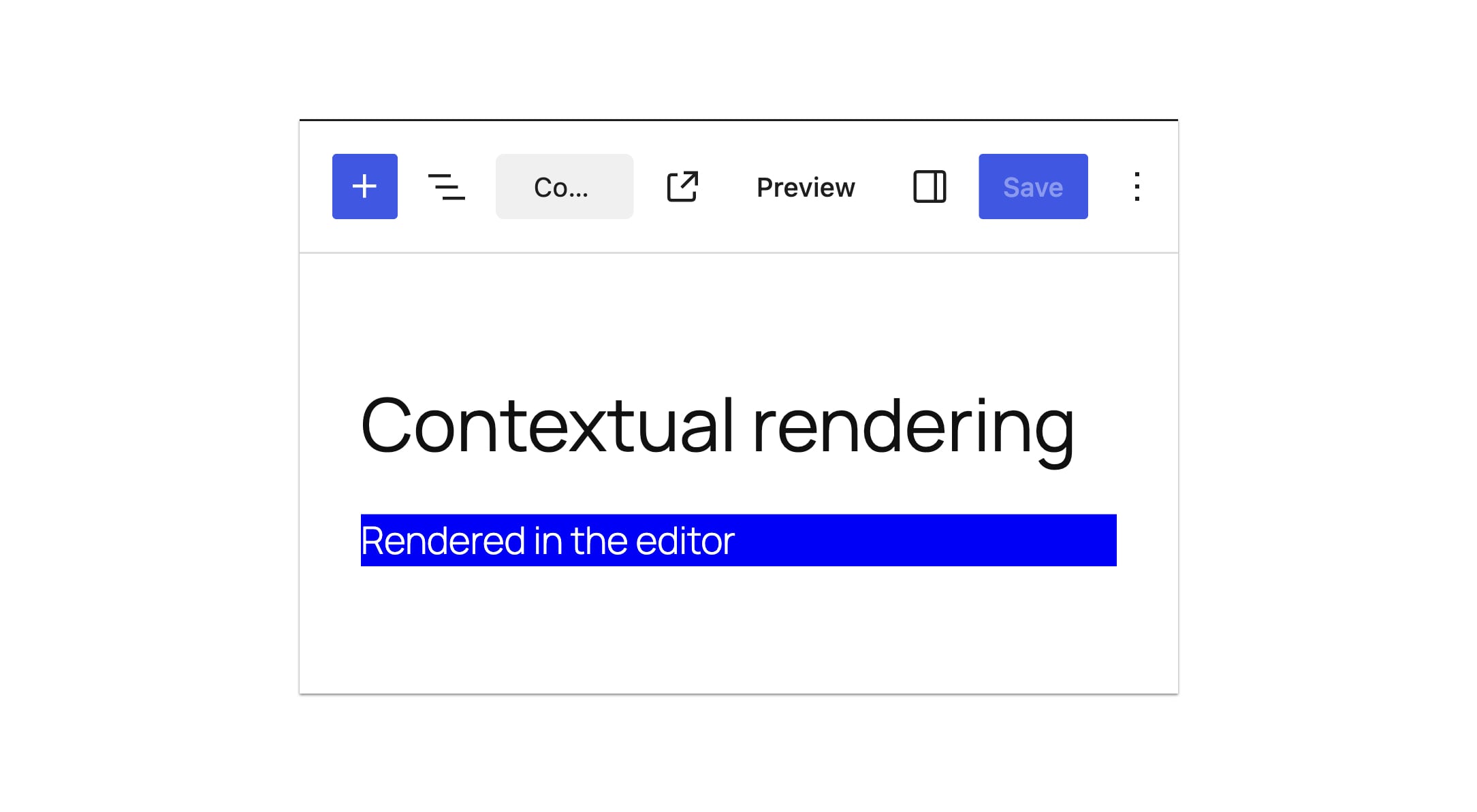
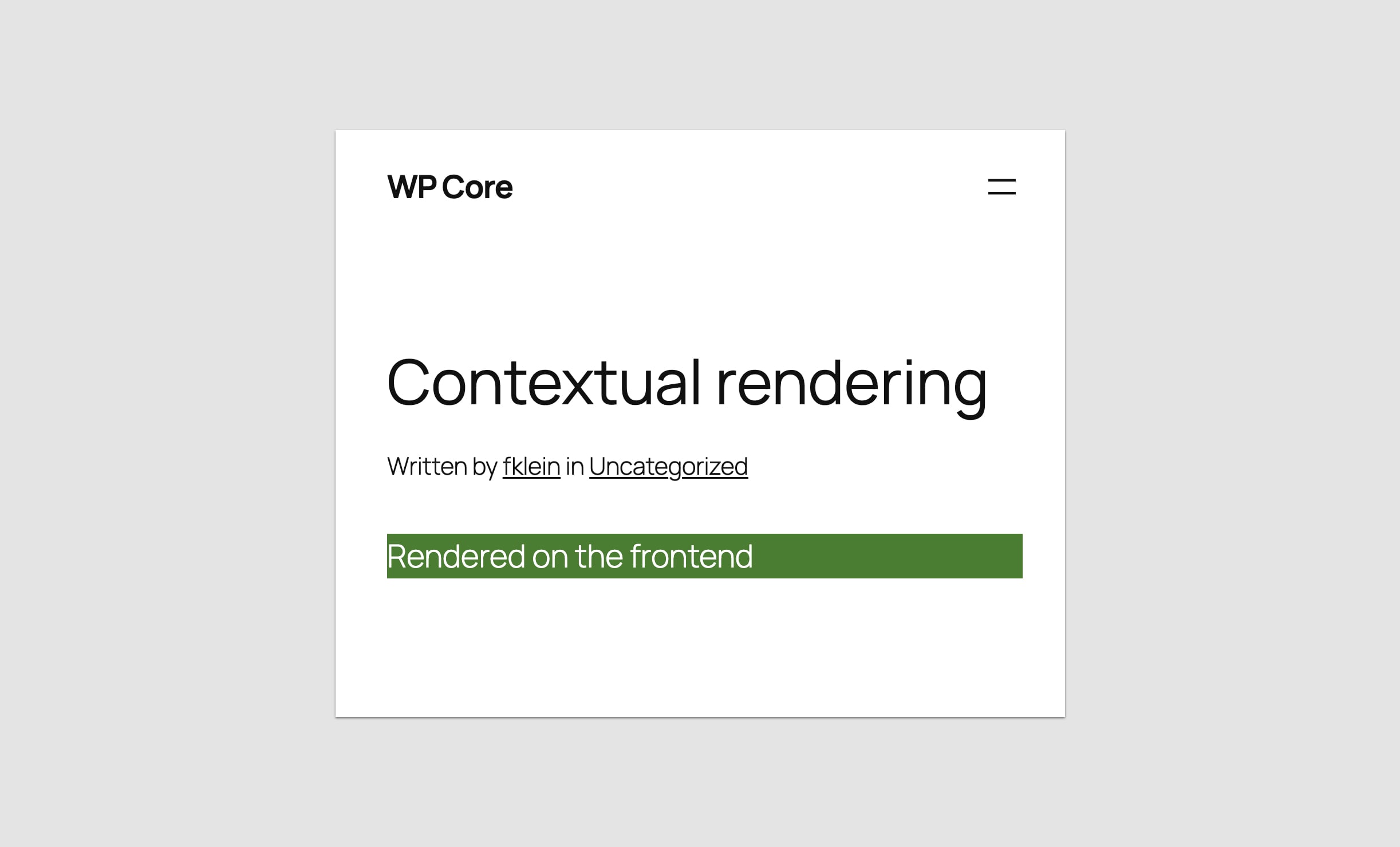
From a performance standpoint, PHP-only blocks operate differently than their JavaScript counterparts. Because these blocks are rendered via the REST API, they are subject to the limitations of stateless server requests. When a user modifies a block attribute, the editor must communicate with the server to re-fetch the rendered HTML.
Analyses of this architecture indicate that while this ensures consistency between the back end and the front end, it creates a potential bottleneck for complex, highly interactive blocks. Unlike JavaScript-rendered blocks, which operate within the client-side data store of the editor, PHP-only blocks do not have direct access to "fresh" data if that data has been modified in the current session but not yet saved to the database. Consequently, developers must design these blocks with the understanding that they are essentially snapshots of the current state, rather than dynamic, real-time components.
Architectural Limitations and Constraints
Despite the utility of this feature, it is essential to recognize the architectural constraints inherent in a PHP-only approach. As of the 7.0 release, there are three primary limitations that developers must navigate:
- Interaction Constraints: Because the markup is fetched asynchronously from the server, developers cannot easily attach JavaScript event listeners to the editor preview. The preview is effectively a read-only representation that is replaced upon every re-render.
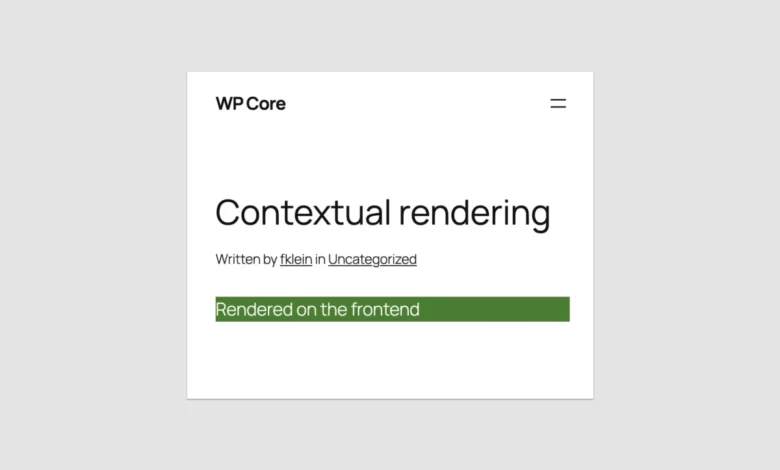
- Contextual Awareness: The REST API endpoint responsible for rendering these blocks is stateless. It does not natively receive the global post context, meaning template tags like
the_title()orthe_content()may fail to identify the specific post being edited. While workarounds using$_GETparameters exist, they are fragile and do not support new, unsaved posts. - Attribute Complexity: The current implementation only supports strings, numbers, and booleans. Advanced data structures, such as keyed arrays for complex UI elements like category pickers, are not natively supported, forcing developers to use less intuitive identifiers like slugs instead of IDs.
Strategic Use Cases for Legacy Migration
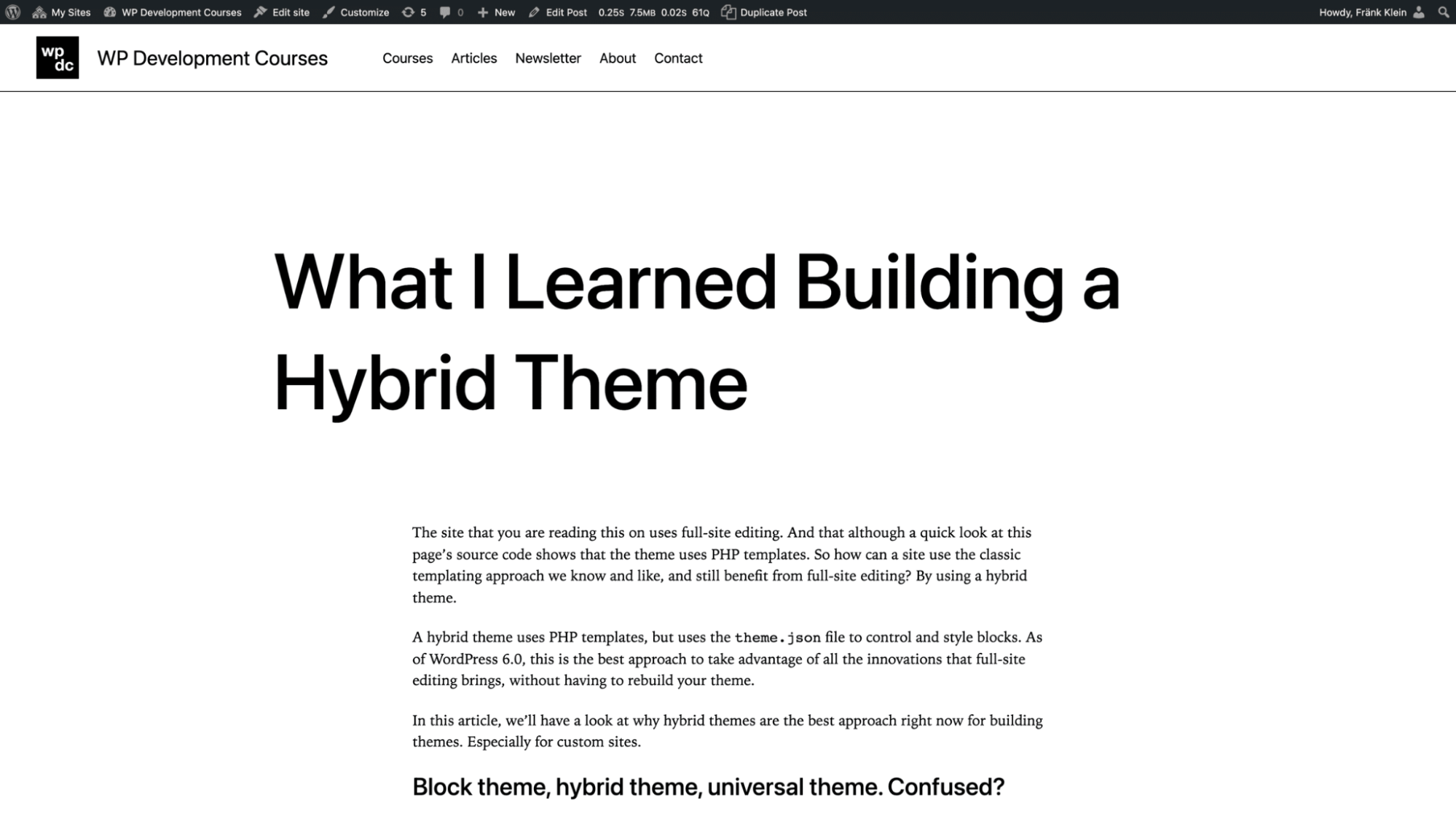
Industry experts and core contributors have noted that the primary target audience for this update is not the enterprise developer building complex web applications, but the professional developer tasked with migrating classic themes to modern block themes.
Many agencies currently maintain hundreds of websites built on classic, PHP-centric architectures. Rebuilding these as block themes would historically require a massive investment in retraining and labor. By allowing developers to wrap existing PHP functions, widgets, or shortcodes in a block container, WordPress 7.0 provides a "migration path of least resistance."
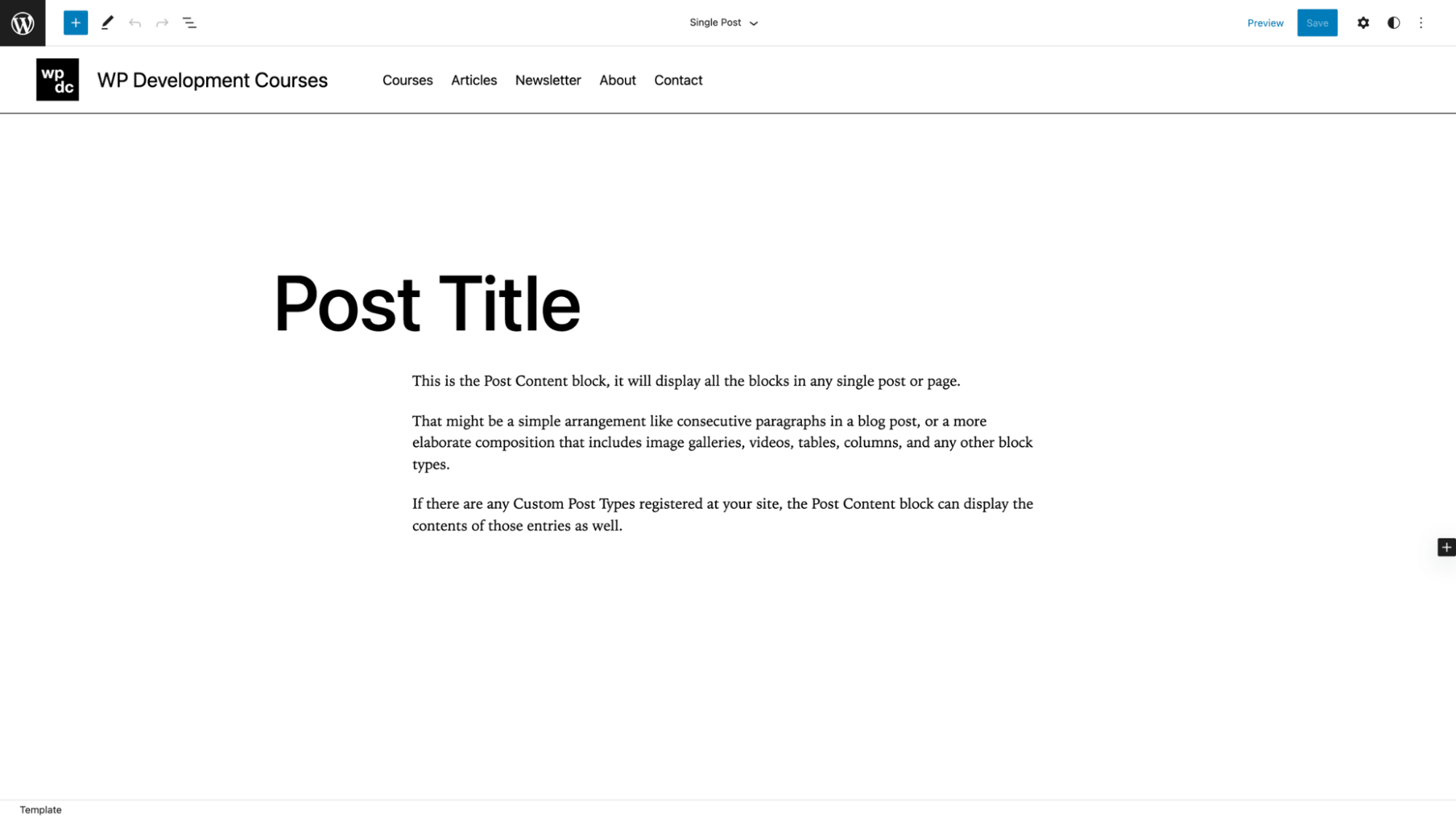
A developer can, for instance, take a custom header or a specific sidebar widget and register it as a block in a matter of minutes. While the resulting block might not offer a rich "in-place" editing experience, it fulfills the requirement of being compatible with the Site Editor. This allows for the gradual modernization of legacy sites without the necessity of a total system rewrite.
Implications for the WordPress Ecosystem
The broader implication of this update is a shift toward a more inclusive development experience. By prioritizing the accessibility of block creation, the WordPress Core team is effectively lowering the barrier to entry for the next generation of theme developers.
Official documentation and community discourse suggest that while JavaScript remains the gold standard for high-interactivity blocks, the PHP-only approach will become the industry standard for layout components and static content elements. This bifurcation of block development—where interactivity dictates the use of JavaScript and static presentation favors the simplicity of PHP—is expected to stabilize the WordPress theme market.
Future Outlook and Maintenance
Looking ahead, the industry expects further refinement of the autoRegister feature. While there are no immediate plans to introduce more complex data types or direct DOM interaction for PHP blocks, the community has identified the need for better integration with the post context as a high-priority request.
For agencies and developers currently managing large-scale WordPress installations, the advice remains consistent: evaluate the necessity of the interaction. If a block requires real-time, high-fidelity editing, the existing JavaScript/React stack is still required. If the goal is to port legacy functionality into a modern block theme to improve performance and maintenance, the PHP-only registration is a transformative solution.
In conclusion, the seven-and-a-half-year wait for a simpler block-building experience has yielded a tool that is perfectly calibrated for its intended purpose. It does not replace the advanced capabilities of the block editor, but it provides a critical bridge for those looking to modernize their infrastructure. By acknowledging the limitations while leveraging the flexibility of PHP, developers can finally move past the friction that has historically prevented the total adoption of block-based theming. As WordPress 7.0 sets the stage for future releases, the focus on developer experience and backward compatibility ensures that the platform remains adaptable to the diverse needs of its global user base.