Later has long established itself as a cornerstone tool for visual-first creators and social media managers, particularly those tethered to the aesthetic requirements of Instagram. With its polished grid preview, robust scheduling capabilities, and integrated creator marketplace, it remains a favorite for influencers and small businesses. However, as digital marketing landscapes evolve and organizational needs scale, many users find that the constraints of Later—such as limited cross-platform support or restrictive pricing tiers—prompt a search for more comprehensive solutions. As of October 2026, the social media management software market offers a diverse array of alternatives, each tailored to specific operational requirements ranging from enterprise-level analytics to e-commerce integration.
The Evolving Landscape of Social Media Management
The shift in social media strategy over the last five years has moved from simple content broadcasting to complex community engagement and multi-channel synchronization. While platforms like Instagram and TikTok prioritize short-form video and high-fidelity visuals, the necessity for unified communication channels and data-driven insights has forced a pivot in software development. For many organizations, the "all-in-one" platform is no longer a luxury but a requirement for maintaining a cohesive brand identity across disparate networks.

When evaluating a transition away from Later, managers must consider the trade-offs between specialized visual tools and broader management suites. Data indicates that businesses utilizing integrated scheduling and analytics tools report a 25% increase in operational efficiency, largely due to the reduction in "context-switching"—the time lost when jumping between native apps and third-party dashboards.
1. Buffer: The Flexible Choice for Scaling Teams
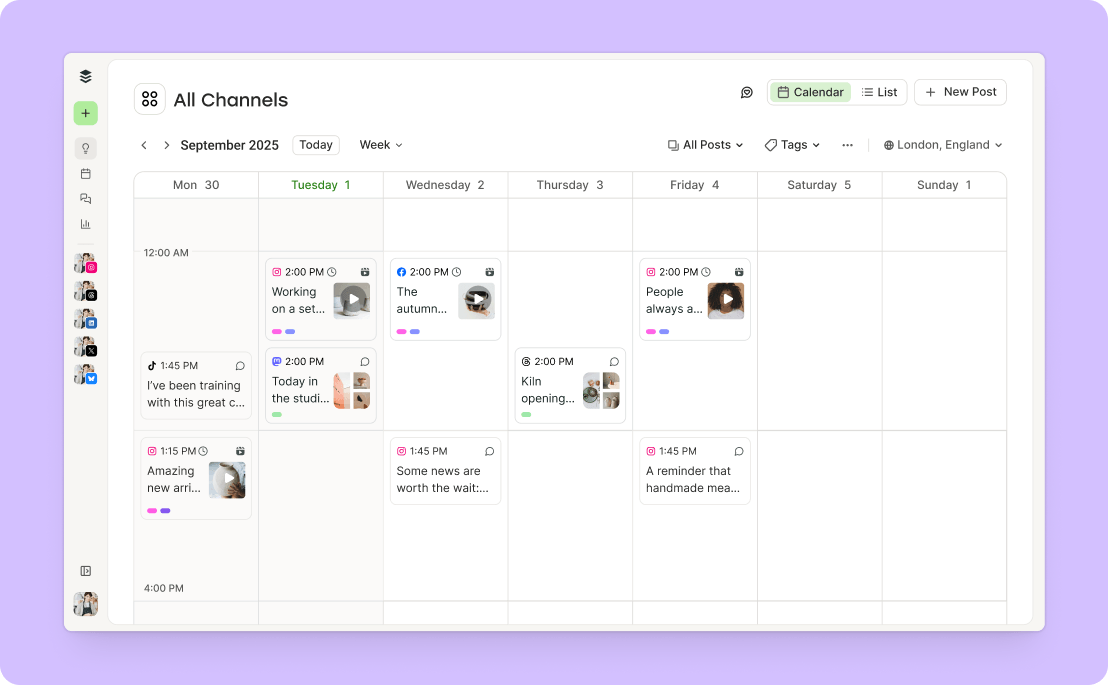
Buffer remains the primary contender for creators and agencies seeking a balance between affordability and functionality. Unlike tools that force users into high-cost enterprise tiers, Buffer maintains a tiered structure that accommodates both solopreneurs and growing teams.
Key features include an intuitive "Create Space" for ideation, which allows teams to brainstorm and organize content before it enters the scheduling pipeline. For those managing multiple platforms, Buffer provides a unified calendar view that handles everything from X (formerly Twitter) to LinkedIn and Instagram. Recent updates to its analytics suite have allowed for deeper insights into cross-platform performance, making it a viable alternative for users who have outgrown Later’s focus on visual grids.
2. Meta Business Suite: The Native Solution
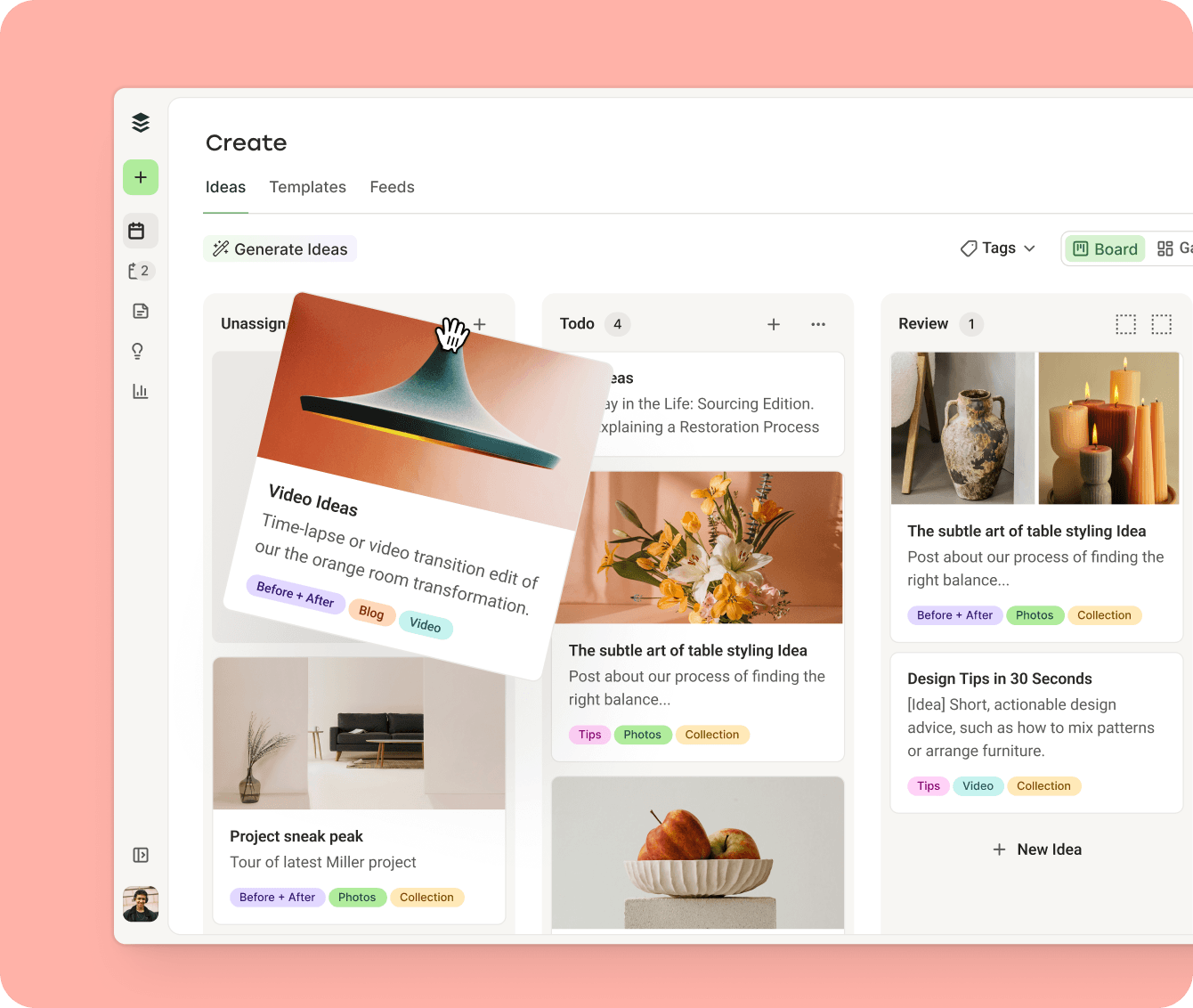
For brands that operate exclusively within the Meta ecosystem, Meta Business Suite is the most logical and cost-effective alternative. Because it is natively integrated with Facebook, Instagram, and Threads, it eliminates the API lag often experienced with third-party aggregators.
The platform provides a comprehensive suite of tools for managing organic posts, stories, and paid advertisements from a single interface. The primary advantage here is the ability to leverage Meta’s internal data in real-time, allowing for rapid A/B testing of ad creative. While it lacks support for platforms like Pinterest or LinkedIn, its zero-cost barrier makes it the standard for small-to-medium businesses that prioritize deep integration over platform diversity.
3. Sprout Social: The Enterprise Powerhouse
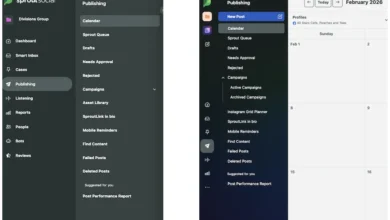
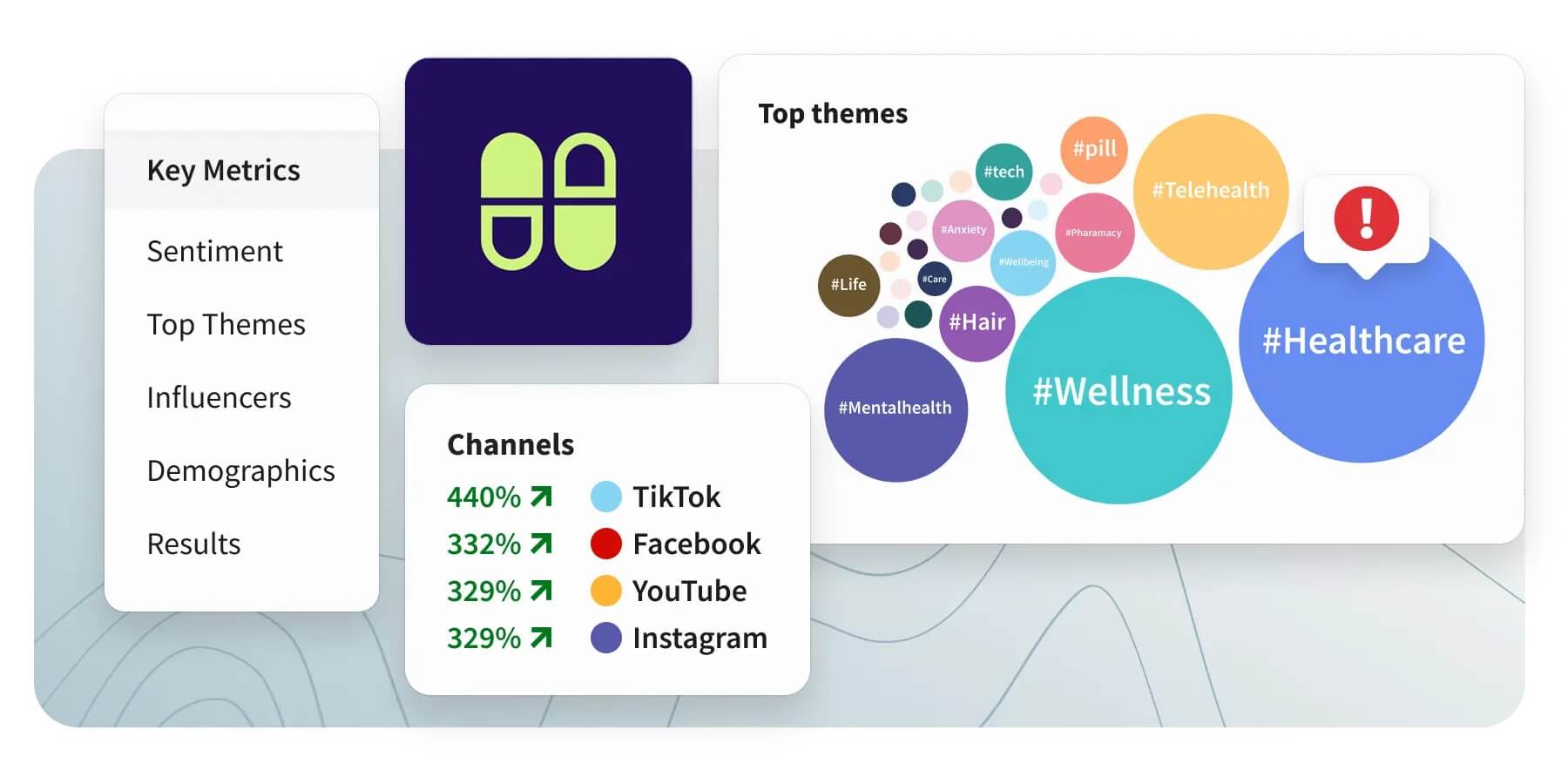
Sprout Social occupies the upper echelon of the market, catering to brands that require more than simple scheduling. With an emphasis on social listening and influencer relationship management, Sprout is designed for companies that view social media as a core pillar of their customer relationship management (CRM) strategy.
The platform’s influencer marketing dashboard allows brands to discover, manage, and report on campaign performance without leaving the software. While the cost—starting at $99 per month—is significantly higher than other options, the return on investment is often found in the advanced reporting capabilities and the ability to track brand sentiment through AI-powered social listening tools.
4. Hootsuite: Industry Benchmarking and Listening
Hootsuite remains one of the most recognized names in the industry, and for good reason. It provides a robust, enterprise-grade environment for managing high-volume social traffic. Its primary differentiator is its extensive library of over 100 app integrations and advanced industry benchmarking tools.
For enterprise teams, the ability to monitor industry trends and competitor activity in real-time is invaluable. Hootsuite’s complex dashboard may present a steeper learning curve than Later, but it offers a level of granularity in reporting and bulk scheduling that is necessary for large-scale operations.
5. Agorapulse: The Unified Inbox Specialist
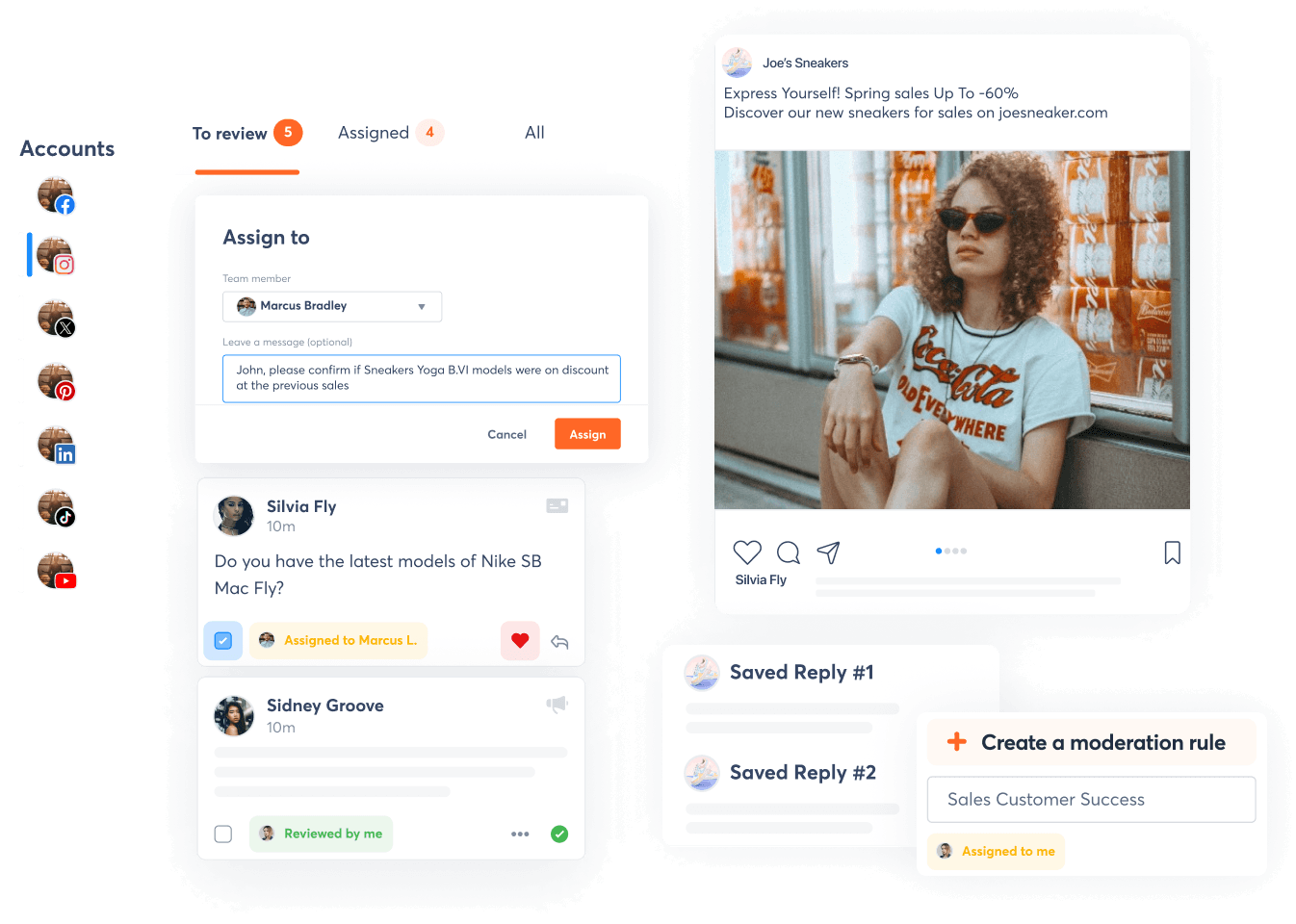
Communication is the lifeblood of social media, and Agorapulse is built to ensure that no comment, mention, or direct message goes unnoticed. It is widely regarded as the best-in-class tool for social inbox management.
Agorapulse supports a wide range of channels and includes features such as "collision detection," which prevents multiple team members from responding to the same customer inquiry simultaneously. Its ability to aggregate comments from both organic posts and paid ad campaigns into a single stream is a critical feature for marketers who run aggressive advertising campaigns and need to maintain high engagement rates.
6. Planoly: Monetization for Creators
Planoly differentiates itself by catering specifically to the creator economy. Beyond scheduling, it offers a "Creator Store" feature that allows users to sell physical merchandise and digital products directly through their social media bios.
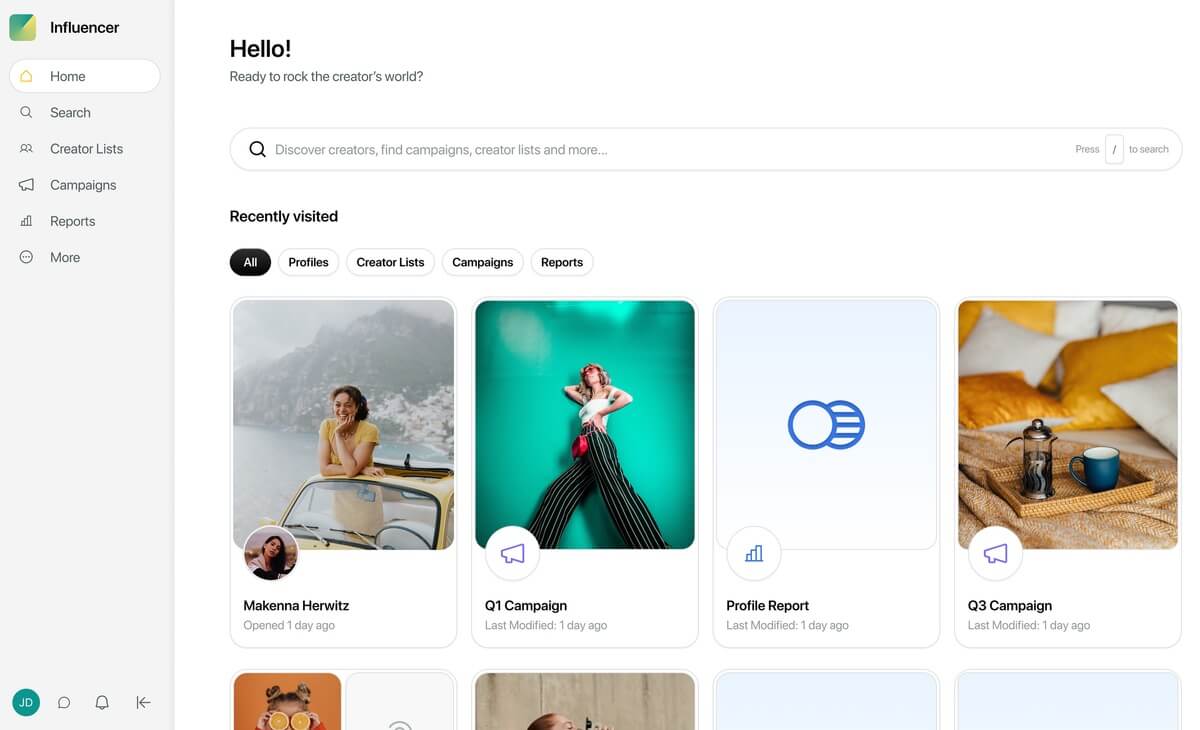
For influencers who need to transform their audience into a revenue stream, Planoly provides a turnkey storefront solution that integrates seamlessly with payment processors like Stripe and PayPal. While it lacks the deep social listening features of Sprout or the inbox power of Agorapulse, it is an ideal tool for creators who prioritize sales and aesthetic curation.
7. RecurPost: Advanced Publishing for Video Creators
RecurPost has emerged as a specialized tool for video-heavy brands. Its publishing controls are uniquely suited for creators who deal with the technical demands of YouTube, TikTok, and Instagram Reels.
The platform allows users to set specific privacy settings for videos, manage custom thumbnails, and automate responses via DMs immediately upon posting. For video creators who need precise control over how their content is disseminated across multiple video platforms, RecurPost offers a level of technical depth that generalist tools often overlook.
Comparative Analysis and Strategic Implications
Choosing the right social media management platform requires an audit of current pain points. If the goal is cost reduction, Meta Business Suite is the clear leader. If the goal is scaling a team and managing complex workflows, Buffer or Hootsuite are superior. If revenue generation is the priority, Planoly’s commerce features provide a distinct advantage.
Chronologically, the industry has seen a clear trend: the "post-and-forget" model of the late 2010s has been replaced by an "engage-and-analyze" model. Modern social media tools are no longer just calendars; they are data hubs. Organizations that fail to transition to platforms that offer deep analytics and unified inbox management risk losing touch with their audience as engagement patterns shift toward real-time interaction.
Conclusion and Recommendations
The decision to migrate from Later should be based on a clear assessment of your team’s current operational maturity. Most of the platforms mentioned above offer free trials or, in the case of Buffer and Meta, permanent free tiers.
When evaluating these tools, management should focus on three primary metrics:
- Time-to-Publish: How many steps does it take to get a post from concept to live?
- Engagement Rate: Does the tool facilitate faster, more effective community interaction?
- Data Integrity: Does the tool provide accurate reporting that allows for actionable business decisions?
While Later will continue to serve a specific segment of the visual-first creator market, the broader industry is clearly moving toward platforms that provide a more holistic view of the customer journey. By systematically testing these alternatives, marketing teams can ensure they are equipped with the infrastructure necessary to compete in the increasingly crowded digital landscape of 2026 and beyond.
Related posts: