The Challenge of Scale and Resource Allocation
For 412 Food Rescue, the primary challenge has never been a lack of food or a lack of potential volunteers; rather, it has been the efficiency of the connection between the two. The organization relies on a mobile platform, the Food Rescue Hero app, which coordinates a decentralized network of volunteers—the "Food Rescue Heroes"—to perform local pickups and deliveries. However, for a growing nonprofit with limited administrative resources, the difficulty lay in understanding the volunteer journey from the first touchpoint to the final delivery.
Historically, the organization struggled with data silos. Information regarding website engagement, user acquisition, and app-based volunteer activity lived in separate digital environments. This fragmentation created a "blind spot" that made it labor-intensive to identify which marketing channels were effectively driving volunteer recruitment and which segments of the user journey were resulting in drop-offs. In an era where every hour spent on data reconciliation is an hour lost to actual food distribution, 412 Food Rescue needed a more cohesive technological solution.
Bridging the Digital Divide with Advanced Analytics
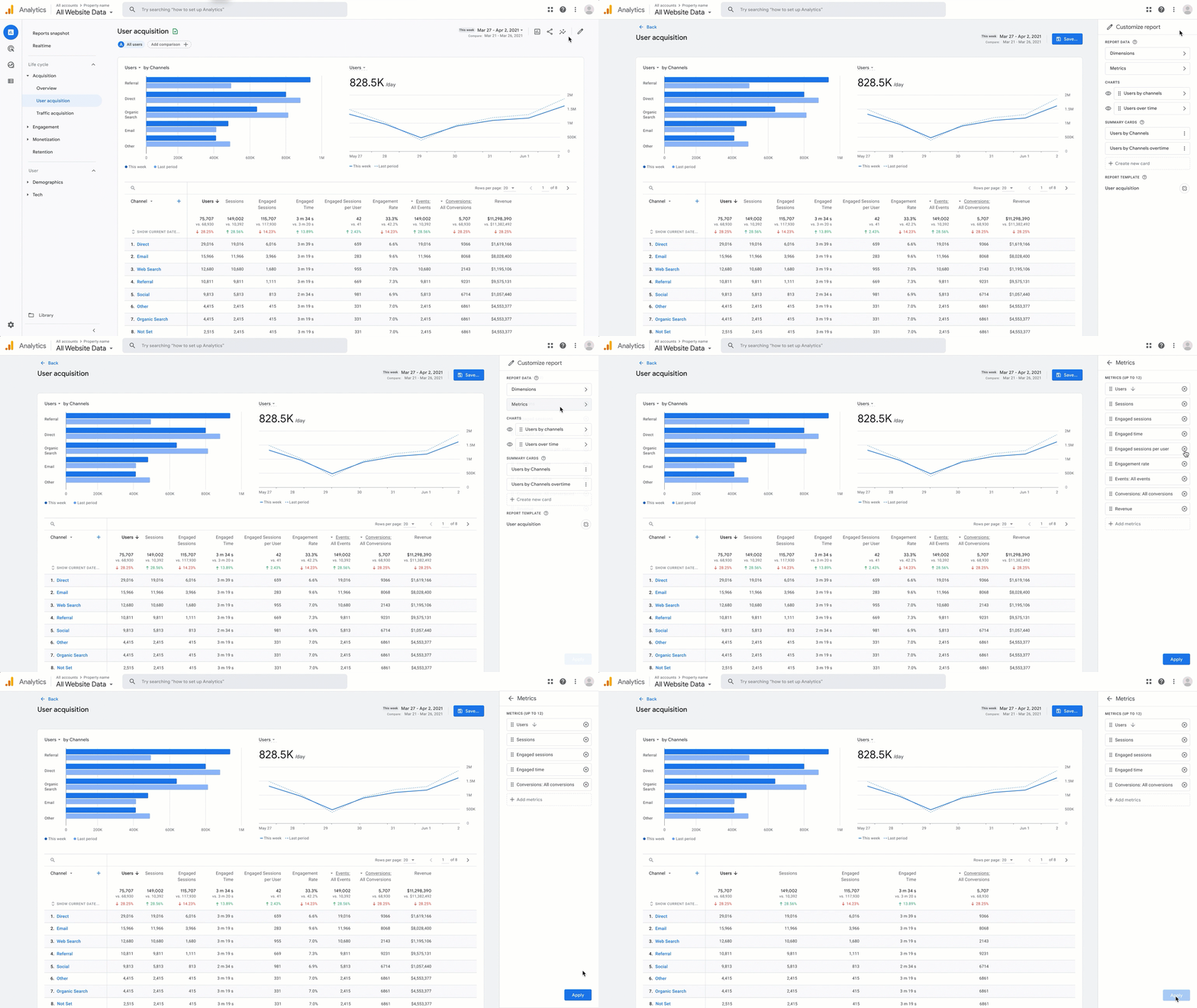
In collaboration with Bounteous, a digital analytics consultancy, 412 Food Rescue transitioned to the latest iteration of Google Analytics. This migration was not merely a software update; it represented a fundamental shift in how the nonprofit viewed its mission. The new platform offered a cross-platform perspective, allowing the team to bridge the gap between their public-facing website and the private, utility-driven interface of their mobile application.
The impact was immediate and measurable. According to Sara Swaney, Director of Advancement at 412 Food Rescue, the transition allowed the team to look at the entire user journey holistically. By synthesizing data across web and app platforms, the organization was able to reduce its reporting time by approximately 50%. This efficiency gain provided the team with the necessary breathing room to pivot from reactive data maintenance to proactive strategic planning.

Mapping the Volunteer Journey
The data revealed specific, actionable patterns that had previously been obscured by the lack of integrated reporting. By analyzing the flow of new users, 412 Food Rescue discovered a critical "golden window": new users who downloaded the app were statistically most likely to perform their first food rescue within the first 48 hours. This insight allowed the team to refine their digital marketing strategy with precision.
The organization shifted its social media campaign spending to coincide with high-volume days for food surplus. Because the data showed that the majority of food rescue opportunities were posted early in the week, the nonprofit began focusing its recruitment efforts on Mondays and Tuesdays. By aligning the timing of their digital ads with the availability of in-app tasks, they created a seamless transition from the initial interest phase to active participation. This alignment ensured that a volunteer’s first experience—the most critical moment for long-term retention—was productive and rewarding.
Automated Insights and Machine Learning
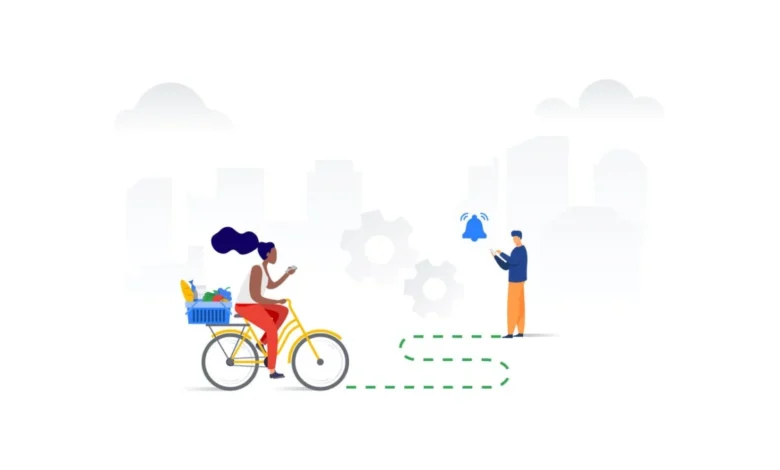
Beyond the consolidation of data, the adoption of machine learning-powered insights introduced a new layer of organizational intelligence. The platform’s automated anomaly detection alerted the team to shifts in engagement that would have otherwise remained invisible to human manual analysis.
A prime example occurred when the system flagged a consistent dip in volunteer activity over the weekends. While the team had previously assumed that weekend engagement was naturally lower, the data suggested that the demand for food rescue actually remained high, but the supply of volunteers was not meeting that demand. Armed with this knowledge, 412 Food Rescue proactively adjusted its marketing and communication schedules to incentivize weekend participation. The result was a more balanced distribution of volunteer effort throughout the week, ensuring that food surplus was not being wasted simply because of a mismatch in human availability.
Broader Implications for the Nonprofit Sector
The case of 412 Food Rescue serves as a blueprint for the "digital transformation" of the nonprofit sector. Historically, organizations working in the humanitarian space have lacked the capital to invest in the enterprise-level analytics tools common in the corporate world. However, the democratization of these tools allows small-to-mid-sized nonprofits to operate with the same strategic agility as major retailers.

The implications for scaling this model are significant. If hunger is, at its core, a distribution problem, then the solution requires a scalable, tech-enabled logistics network. By utilizing machine learning and cross-platform analytics, 412 Food Rescue is not just saving food; they are demonstrating how data-driven decision-making can maximize the impact of every donated dollar and every volunteer hour.
As the organization continues to grow and expand its operations into new cities, the ability to replicate this model will be essential. The integration of advanced analytics has enabled the team to move away from guesswork and toward a scientific approach to social impact. They can now identify which cities are primed for growth, where the greatest logistical bottlenecks lie, and how to maintain volunteer engagement over time.
Conclusion: A Future of Data-Driven Impact
The success of 412 Food Rescue highlights a broader trend in the global effort to combat food waste. As organizations move toward more sophisticated digital ecosystems, the capacity to measure "success" in terms of human lives impacted—rather than just abstract metrics—is becoming a standard expectation.
The shift toward modern analytics platforms, such as the latest version of Google Analytics, provides the infrastructure needed to bridge the gap between intent and action. For a nonprofit, this means the difference between struggling to fill a shift and having a waiting list of eager volunteers ready to serve.
The integration of automated insights and cross-platform data tracking has fundamentally changed the internal culture at 412 Food Rescue. They have moved from being a group that merely manages a food rescue program to an organization that treats logistics and volunteer engagement as a data-driven science. As they continue to expand their reach, the lessons learned from their data will likely influence how other hunger-relief organizations approach the challenge of food distribution. By leveraging technology to minimize waste, they are not only feeding more people but are also setting a standard for operational excellence in the charitable sector. The road to ending food insecurity is long and complex, but with the right tools, the path becomes clearer, more efficient, and ultimately, more effective.