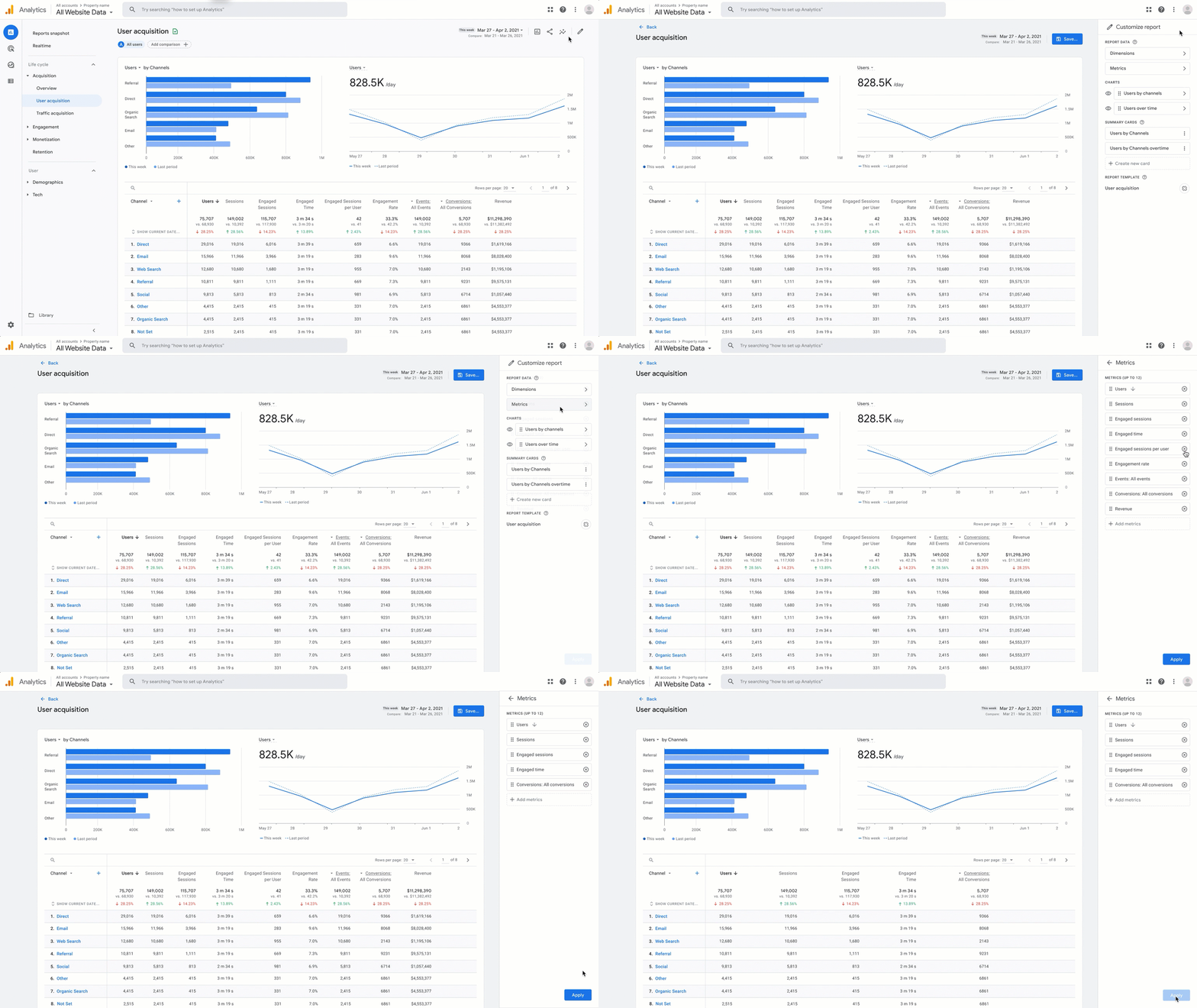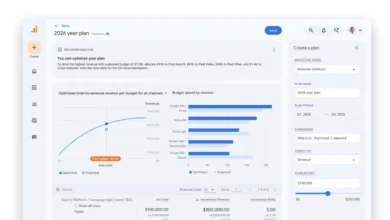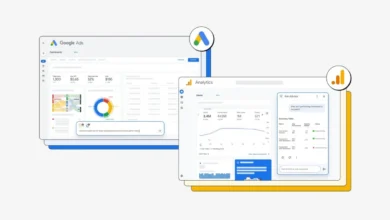
The digital marketing landscape is currently undergoing its most significant transformation in over a decade, driven by shifting privacy regulations, the decline of third-party cookies, and the increasing demand for granular, cross-platform customer insights. In response to these structural changes, Google has accelerated the development and deployment of Google Analytics 4 (GA4), a sophisticated measurement suite designed to move beyond traditional session-based tracking. By integrating machine learning-driven predictive modeling and privacy-first data collection, GA4 aims to provide businesses with a durable, future-proof framework for understanding user behavior across both web and mobile applications.
The Evolution of Digital Measurement: A Chronology
The transition toward the current iteration of Google Analytics began in earnest with the introduction of "App + Web" properties, which served as the experimental predecessor to the modern GA4 architecture. Following the formal launch of GA4 one year ago, Google has systematically rolled out updates designed to bridge the gap between legacy Universal Analytics and the new, event-driven model.
The timeline of this transition highlights a strategic shift toward automated intelligence. In the months following the initial release, Google implemented critical features such as enhanced support for user consent modes and refined advertising reporting. These updates were necessary to address the growing complexity of global data privacy laws, such as the General Data Protection Regulation (GDPR) and the California Consumer Privacy Act (CCPA). By embedding privacy-safe solutions directly into the measurement foundation, Google has sought to enable marketers to maintain performance visibility while adhering to increasingly stringent compliance standards.
Data-Driven Attribution and the End of Last-Click Dependency
For years, the industry relied heavily on "last-click" attribution, a model that credited the final marketing touchpoint with the entirety of a conversion. While simplistic, this method often resulted in skewed data, failing to account for the complex, multi-channel journeys that define modern consumer behavior.
Google’s latest update introduces data-driven attribution (DDA) to all GA4 properties, removing previous minimum data threshold requirements. This shift allows marketers to gain a more nuanced understanding of how various touchpoints—from social media engagement to email marketing and organic search—collectively influence a conversion. By utilizing machine learning, the system distributes credit across the customer journey based on the actual impact of each interaction.

Industry analysts observe that this move toward DDA is not merely a feature enhancement but a strategic necessity. For ecommerce platforms like Notino, the implementation of data-driven attribution has become a cornerstone of their performance marketing strategy. By moving away from last-click models, companies can optimize their marketing spend, allocating budget to the channels that contribute most effectively to the bottom line, rather than those that simply happen to be the final step in a user’s journey.
Integrating Search Console for Holistic Insight
One of the most requested features in the GA4 ecosystem is the deeper integration with Google Search Console. Organic search remains a vital driver of traffic, yet it has historically been siloed from other paid acquisition channels. The new integration allows businesses to overlay organic search performance data—such as query volume, site ranking, and post-click engagement metrics—directly alongside paid advertising data.
This holistic view allows marketers to quantify the role of organic search in the broader customer funnel. For instance, a brand can now identify whether a user’s initial discovery occurs through organic search, followed by a subsequent conversion driven by a paid retargeting campaign. This level of visibility is essential for cross-channel optimization, enabling teams to refine their content strategies based on tangible engagement metrics rather than isolated search rankings.
Addressing Measurement Gaps with Predictive Intelligence
As browser-level restrictions on tracking and cookie depreciation limit the amount of raw data available to marketers, the reliance on statistical modeling has become paramount. Google Analytics 4 employs advanced machine learning to fill these "measurement gaps," ensuring that performance metrics remain accurate even when direct tracking is unavailable.
The platform now features two primary modeling pillars:
- Conversion Modeling: This identifies the source of conversions even when they cannot be directly attributed to a specific user or device. By analyzing historical data and identifying trends, the system can allocate credit to the appropriate channels—whether Google-owned or third-party—with greater precision.
- Behavioral Modeling: This addresses gaps in user data, such as daily active users or average revenue per user. By utilizing validated machine learning, GA4 can estimate user behavior in instances where consent is withheld, allowing for an uninterrupted view of the customer funnel.
This capability is particularly vital for identifying drop-off points in user journeys. By understanding where potential customers abandon their purchase path, businesses can intervene with targeted improvements to their user interface or checkout process.

Real-World Impact and Institutional Adoption
The effectiveness of these tools is evidenced by the adoption rates among global enterprises. Lider, a retail subsidiary of Walmart Chile, utilized GA4’s predictive metrics to create "likely-to-purchase" audiences. By targeting users predicted to convert within a seven-day window, Lider reported a dramatic increase in conversion rates—from 0.3% to 5.4%—alongside a significant reduction in customer acquisition costs (CPA).
Similarly, L’Oréal has leveraged GA4 to unify its global data infrastructure. According to Selim Decoufled, Global Analytics Manager at L’Oréal, the platform serves to "democratize" the use of advanced data, allowing the organization to simplify decision-making processes across different markets. This shift toward a unified, infrastructure-led approach allows large organizations to break down internal data silos, ensuring that regional teams are working from the same baseline of intelligence.
Strategic Implications for the Future
The push toward universal adoption of GA4 represents a fundamental shift in how digital marketing is measured and managed. It is no longer sufficient to monitor surface-level traffic; today’s environment demands an understanding of intent, long-term customer value, and cross-platform journey mapping.
For organizations that have yet to fully transition, the implications of delay are becoming increasingly clear. As Universal Analytics loses relevance in an era defined by privacy-centric, machine-learning-supported measurement, businesses that fail to integrate the advanced capabilities of GA4 risk falling behind in their ability to optimize marketing ROI.
The move is not merely a software migration; it is a change in the philosophy of data management. By placing Google Analytics 4 at the center of their measurement architecture, businesses can ensure they have the tools necessary to navigate an unpredictable digital future. The combination of predictive modeling, cross-channel attribution, and privacy-compliant data processing provides a robust, scalable foundation that aligns with the evolving requirements of both consumers and regulatory bodies. As businesses look toward the next fiscal year, the focus will undoubtedly remain on leveraging these analytical capabilities to drive sustainable, efficient growth in an increasingly complex digital ecosystem.