Mastering Media Management: How Filestack Streamlines the Lifecycle of Digital Assets for Modern Developers

Managing high volumes of digital media has become one of the most complex operational hurdles for modern web and mobile applications. As users increasingly expect rich, high-resolution content—ranging from 4K videos and high-fidelity images to complex document formats—the burden on developers to build reliable, scalable infrastructure for media ingestion, processing, and delivery has grown exponentially. Historically, companies were forced to build bespoke internal pipelines to handle these tasks. Today, however, the industry is shifting toward specialized, API-first solutions like Filestack, which provide an end-to-end ecosystem for managing the entire media lifecycle.
The Evolution of Media Infrastructure
In the early days of the internet, media management was a localized affair, often involving rudimentary FTP uploads and static file storage. As cloud computing matured in the early 2010s, developers began offloading storage to services like Amazon S3. Yet, storage was only the first piece of the puzzle. The true difficulty lies in the transformation layer: resizing images for responsive design, transcoding videos for different bandwidths, and ensuring that files submitted by end-users are sanitized and optimized for delivery.
The modern media pipeline consists of three distinct phases: Ingestion, Transformation, and Delivery. Historically, integrating these phases required stitching together disparate services, creating "spaghetti code" that was difficult to maintain and prone to failure. Filestack emerged as a response to this complexity, positioning itself as a unified middleware layer that abstracts the nuances of file handling. By providing a comprehensive SDK, the platform allows developers to treat media as a programmable object rather than a static binary file.
Ingestion: The Gateway to User Content
The ingestion phase is often the most fragile part of an application’s architecture. When users are allowed to upload content directly, developers face significant challenges, including security risks, network latency, and the sheer unpredictability of file formats.
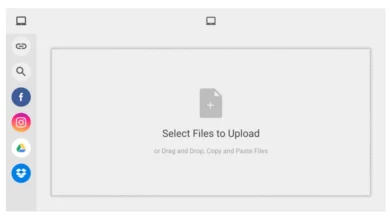
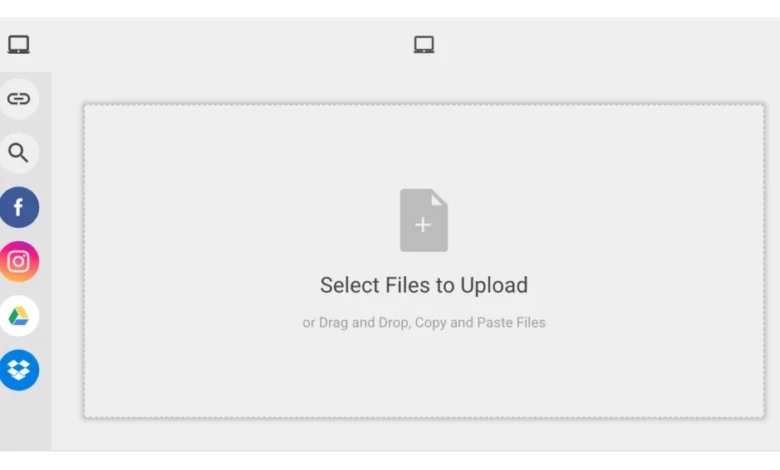
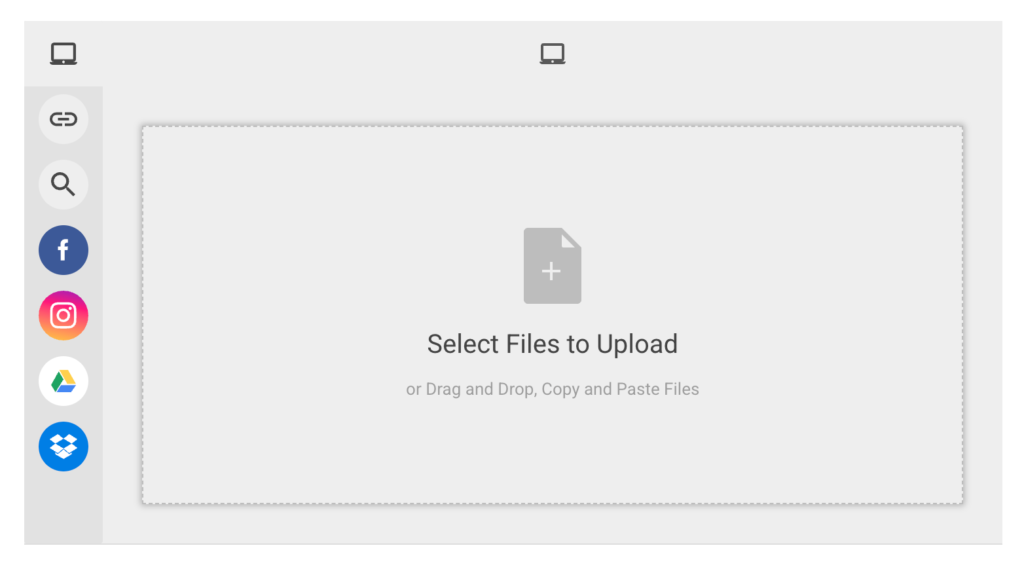
Filestack’s approach to ingestion is built around a robust, user-facing picker. By utilizing a simple JavaScript implementation, developers can integrate a drag-and-drop interface that supports over 20 external sources, including Google Drive, Dropbox, GitHub, and social media platforms. This level of integration is critical for enterprise applications where users often maintain their digital assets across multiple ecosystems.
From a technical perspective, the picker is more than just a UI component. It handles chunked uploads, which allows large files to be transferred reliably even over unstable network connections. If a connection drops, the system resumes the upload rather than restarting it, a feature that significantly improves the user experience for those on mobile devices or slow internet connections. Furthermore, the platform offers backend SDKs, such as their Python library, which allows for server-side ingestion where files can be streamed directly into specific cloud storage locations like S3 or Azure Blob Storage, complete with custom metadata tags.
The Transformation Engine: Real-Time Media Manipulation
Once a file is ingested, the challenge shifts to transformation. In a responsive web environment, serving a raw 5MB image to a mobile device is inefficient and detrimental to SEO performance and user retention. Transformation is no longer an optional step; it is a fundamental requirement for performance optimization.
Filestack handles this through a URL-based transformation engine. By appending parameters to the file’s URL, developers can trigger server-side processing in real-time. For example, a single source file can be dynamically resized, cropped, color-corrected, or watermarked on the fly. This "on-demand" approach eliminates the need to store multiple versions of the same file on a server, significantly reducing storage costs and simplifying database management.
Beyond simple resizing, the platform supports complex image processing tasks such as facial detection for automated cropping, OCR (Optical Character Recognition) for document scanning, and sophisticated video transcoding. By offloading these compute-heavy tasks to a dedicated service, developers can maintain a lightweight application core, focusing their resources on business logic rather than image processing algorithms.
Delivery and the Economics of Performance
The final link in the chain is delivery. In the current digital landscape, page load speed is a primary metric for user engagement. According to recent industry benchmarks, a delay of even one second in page load time can lead to a 7% reduction in conversion rates. This makes the implementation of a high-performance Content Delivery Network (CDN) non-negotiable.
Filestack utilizes a globally distributed CDN that caches media files at the edge, ensuring that content is served from a server geographically closest to the end-user. The platform’s caching strategy is particularly noteworthy for its efficiency: once a file or a transformed version of a file is requested, it is cached for 30 days. This duration provides an optimal balance between freshness and performance. If a file is updated, the CDN purges the old cache, ensuring users always receive the most recent version of the asset.
This architectural decision helps companies mitigate the "thundering herd" problem, where a sudden spike in traffic—such as a viral social media post—could otherwise overwhelm a central server. By distributing the load, Filestack ensures high availability and consistent latency, regardless of the volume of requests.
Industry Implications and Future Outlook
The rise of services like Filestack signals a broader shift in the software development lifecycle: the move toward "decoupled infrastructure." Organizations are increasingly opting to purchase specialized, modular services rather than building proprietary systems that require constant patching and security updates.
For developers, the implications are profound. By outsourcing the media pipeline, engineering teams can reduce their time-to-market for new features by weeks, if not months. Security is also improved, as these platforms are built with specialized compliance certifications (such as GDPR, HIPAA, and SOC2) that would be costly and time-consuming for an individual company to obtain on their own.
However, this reliance on third-party middleware is not without debate. Critics often point to the risk of "vendor lock-in," where a company’s entire media library becomes tied to the functionality and pricing model of a single provider. To counter this, platforms like Filestack have adopted open standards and robust API documentation, allowing for easier migration if necessary. The consensus among industry experts is that the efficiency gains provided by such services far outweigh the theoretical risks, particularly as the complexity of handling modern media formats—such as 360-degree video or augmented reality assets—continues to evolve.
Chronology and Implementation Strategy
For organizations looking to integrate such tools, the typical implementation timeline follows a structured path. In the first phase, developers sign up and access the documentation, which serves as a technical blueprint. During this initial 21-day trial period, the focus is on proof-of-concept (PoC) development: setting up the picker, testing the API endpoints, and verifying the integration with existing cloud storage buckets.
The second phase involves defining transformation workflows. This requires mapping out the various display requirements of the application—thumbnail sizes, desktop hero images, mobile-specific assets, and secure document storage. Once these parameters are set, the code is refactored to replace static asset calls with dynamic Filestack URLs.
The final phase is optimization and monitoring. During this period, teams analyze the performance data provided by the CDN to ensure that latency goals are met. This iterative process allows developers to fine-tune their transformation parameters and ensure that the media pipeline is as lean as possible.
Conclusion
The management of digital media is a microcosm of the larger challenges facing modern web development. As the web becomes more visual and data-intensive, the infrastructure supporting it must be equally dynamic. By providing a unified approach to the ingestion, transformation, and delivery of files, platforms like Filestack have effectively lowered the barrier to entry for high-quality media management.
As we move further into an era defined by rich media experiences, the ability to automate these processes will distinguish high-performing applications from those struggling with latency and technical debt. For developers, the goal is clear: build applications that prioritize user experience without being bogged down by the backend complexity of file handling. With the right tools, the lifecycle of a digital asset can be transformed from a development headache into a seamless, automated, and highly scalable utility.