From Queens to Global Retail: How holiCHIC Transformed Cultural Fusion into a Seven-Figure Fashion Powerhouse

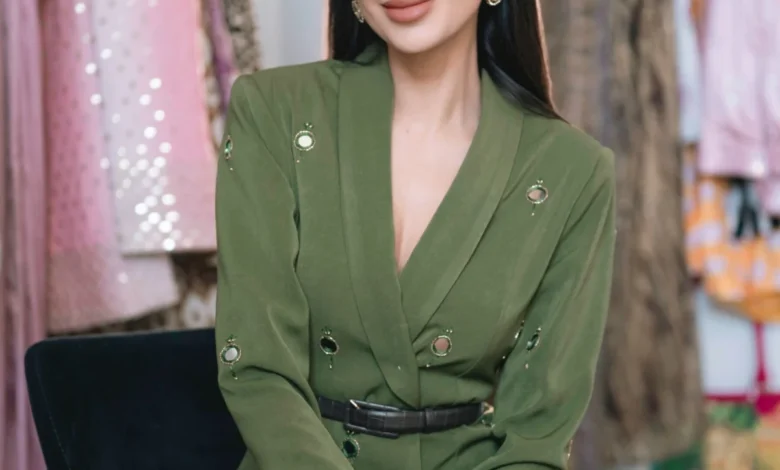
The journey of Megha Rao, the founder of the fashion label holiCHIC, serves as a compelling case study in the evolution of modern retail, bridging the gap between niche cultural heritage and mass-market appeal. Starting as a personal project in Queens, New York, where Rao began reimagining traditional South Asian textiles through a contemporary Western lens—fusing vintage saris with modern denim and leather—the brand has grown over the past decade into a sophisticated, seven-figure fashion entity. This trajectory reached a pivotal milestone in 2026 when the company secured $1.5 million in seed funding, a move that signals the maturation of the brand from a bootstrap venture into an ambitious global player.
The Chronology of a Retail Breakthrough
The narrative of holiCHIC is rooted in a decade of disciplined, self-funded growth. Before becoming a fixture in high-end retail, the business operated as a lean, direct-to-consumer model. Rao, drawing on her professional background in finance sales, navigated the complexities of supply chain management and customer acquisition without the safety net of institutional capital. This period was characterized by incremental scaling, as the brand built a loyal community that resonated with its unique aesthetic—a seamless blend of Indian artisanal craftsmanship and modern New York street style.
The turning point for the brand occurred in 2023. Having identified Nordstrom as a strategic partner that aligned with the brand’s premium positioning, Rao engaged in an intensive campaign of outreach. Her persistence in cold-calling executives eventually yielded a breakthrough: an invitation to host a pop-up installation at Nordstrom’s New York Flagship store. The timing was deliberate, coinciding with the Diwali festival, a period of high consumer engagement for South Asian fashion. The pop-up was a definitive success, exceeding internal sales projections within its initial three-day run. This immediate validation served as the primary catalyst for a formal wholesale partnership, transitioning holiCHIC from a niche online boutique to a featured brand on Nordstrom’s digital platform.
Analyzing the Momentum: The Role of Data and Demographic Shifts
The decision to seek external funding in 2026 was not a reactive measure to solve a crisis, but rather a strategic response to identified momentum. According to internal performance data analyzed by Rao and her team, the brand’s customer base had undergone a significant demographic shift. While the brand was initially embraced by the South Asian diaspora, sales reports indicated a substantial increase in non-South Asian consumers purchasing items such as blazers, dresses, and fusion-wear.
This expansion into the broader fashion market provided the empirical backing required for a successful seed round. It demonstrated to potential investors that holiCHIC possessed "crossover appeal"—the ability to scale beyond a singular ethnic niche. This growth trajectory caught the attention of major retail platforms, including Amazon Fashion, which began evaluating the brand for potential collaboration. The presence of these high-level opportunities necessitated a larger balance sheet, confirming that the business had reached a stage where capital infusion was required to maintain operational speed.
The Strategic Choice of Capital: Partnering with Angel Investors
The $1.5 million seed round closed by holiCHIC was notably singular in its structure. Rather than opting for a syndicate of multiple venture capital firms, which is common in the current startup ecosystem, Rao chose to partner with a single angel investor. From a business management perspective, this decision offers several distinct advantages. By consolidating the cap table, the founder retains greater autonomy over the brand’s creative and operational direction.
Managing multiple investors often requires satisfying a diverse array of stakeholders, each with their own risk profiles and strategic timelines. For a fashion brand that relies heavily on cultural authenticity and specific design cycles, the friction of managing conflicting opinions can be detrimental. The chosen investor, who finalized the deal following a brief, high-level due diligence process, demonstrated a clear alignment with Rao’s long-term vision. This relationship is predicated on mutual respect for the decade of organic growth that preceded the investment, ensuring that the infusion of capital serves to accelerate the existing business model rather than forcing a radical, potentially alienating, pivot.
Operational Implications: Fueling Growth, Not Testing Concepts
The deployment of the $1.5 million seed capital is mapped out with a focus on high-yield growth areas. A common pitfall for emerging fashion brands is the use of early capital to fund "discovery" phases—testing product-market fit or experimenting with new demographics. By the time of the seed round, holiCHIC had already moved past these stages, having refined its product offerings and ironed out the complexities of international shipping and manufacturing.
The capital allocation strategy is now centered on three specific pillars:
- Digital Marketing and Influencer Strategy: With the landscape of retail shifting toward social commerce, holiCHIC is prioritizing TikTok Shop and other influencer-driven platforms to reach a wider demographic. This investment aims to convert brand awareness into tangible conversion rates.
- Market Expansion: The brand is preparing for a multi-regional expansion, identifying the United Kingdom, India, and the Middle East as high-potential markets. These regions possess both a strong affinity for fusion fashion and an existing infrastructure for high-end apparel retail.
- Product Line Diversification: Recognizing that their female customer base often influences purchasing decisions for others, the company is doubling down on "holiCHIC Men." This initiative focuses on adapting the brand’s signature fusion style for the menswear market, focusing on precision fit and contemporary silhouettes.
Broad Market Implications and the Future of Niche Fashion
The success of holiCHIC reflects a broader trend in the global retail industry: the rise of "cultural fusion" as a legitimate, high-value segment of the fashion market. Consumers are increasingly seeking brands that offer a narrative of heritage coupled with modern functionality. As legacy department stores continue to struggle with traditional models, they are turning to brands like holiCHIC to inject freshness and diverse cultural representation into their inventory.
For other founders in the fashion sector, the holiCHIC model offers a blueprint for sustainable scaling. The core lesson provided by Rao is that momentum should be the prerequisite for, not the outcome of, raising capital. By the time the company approached external investors, it had already proven its viability through years of bootstrapped resilience and a successful, data-backed retail partnership with a major national chain.
Looking ahead, the next phase of development for holiCHIC will be defined by its ability to scale its operations without compromising the quality that defined its early success. Rao has stated that she does not intend to pursue further funding until the company hits a revenue benchmark of five times its current figures. This measured approach emphasizes a commitment to consistent, long-term results rather than rapid, speculative growth.
As the brand continues to expand its retail footprint and refine its product lines, the fashion industry will be watching closely to see how effectively a brand rooted in the cultural specifics of the South Asian diaspora can capture a truly global market share. The transition from a local, community-driven project in Queens to an internationally recognized fashion house represents the quintessential evolution of the modern entrepreneur—a journey defined by persistence, data-driven decision-making, and a clear, unwavering vision of what the future of fashion should look like. Through this strategic expansion, holiCHIC is not merely selling garments; it is establishing a new standard for how cultural identity can be successfully integrated into the global consumer economy.
Related posts: