Analyzing the Operational Impact of Artificial Intelligence on Modern WordPress Infrastructure Through the Abilities API and AI Client

The introduction of native integration tools such as the Abilities API and the AI Client has fundamentally transformed WordPress from a traditional content management system into a robust execution engine capable of seamlessly bridging websites with third-party artificial intelligence models. This architectural evolution permits developers and site administrators to automate complex digital workflows—ranging from dynamic image generation and automated text transcription to intelligent metadata creation—directly within the core dashboard. However, this shift toward intelligent automation introduces significant computational overhead to the underlying web hosting infrastructure. While artificial intelligence tools drastically improve editorial productivity, they simultaneously demand rigorous process observability and performance monitoring to prevent server resource exhaustion, thread saturation, and potential site degradation.
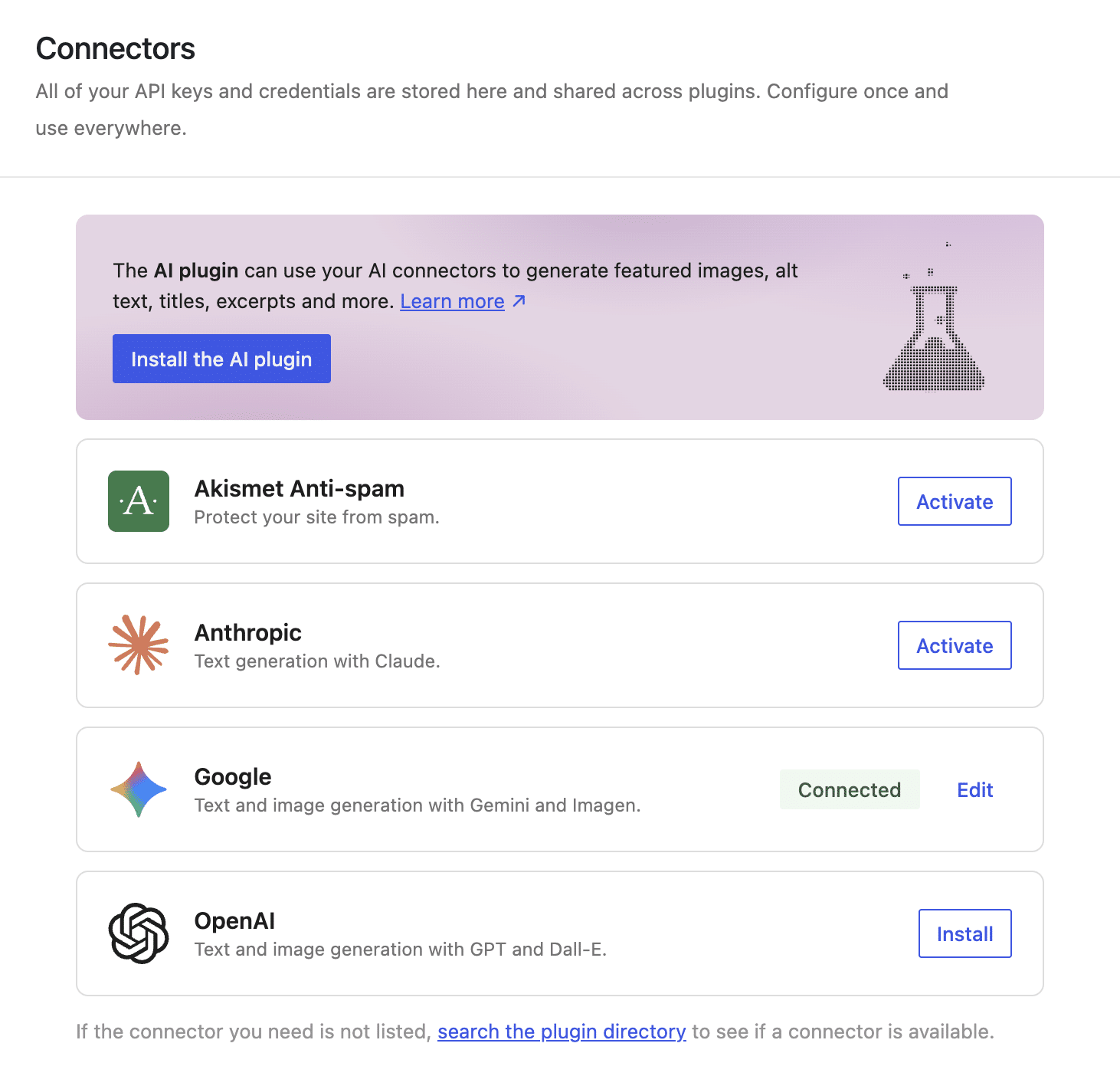
To understand the scope of this infrastructural impact, industry analysts and web engineers must examine the mechanics of how artificial intelligence workloads interact with modern content management systems. Historically, WordPress relied primarily on asynchronous tasks or lightweight database queries to handle routine editorial operations. The integration of large language models and generative artificial intelligence, conversely, relies heavily on synchronous, blocking API requests. When a user requests a resource-intensive operation—such as generating a blog post’s featured image or synthesizing contextual alt text—the PHP thread handling the request must remain open while awaiting external data transmission from providers such as OpenAI or Google Gemini. Consequently, this synchronous execution locks up server worker threads for extended periods, directly limiting the server’s capacity to process concurrent human traffic or background processes.
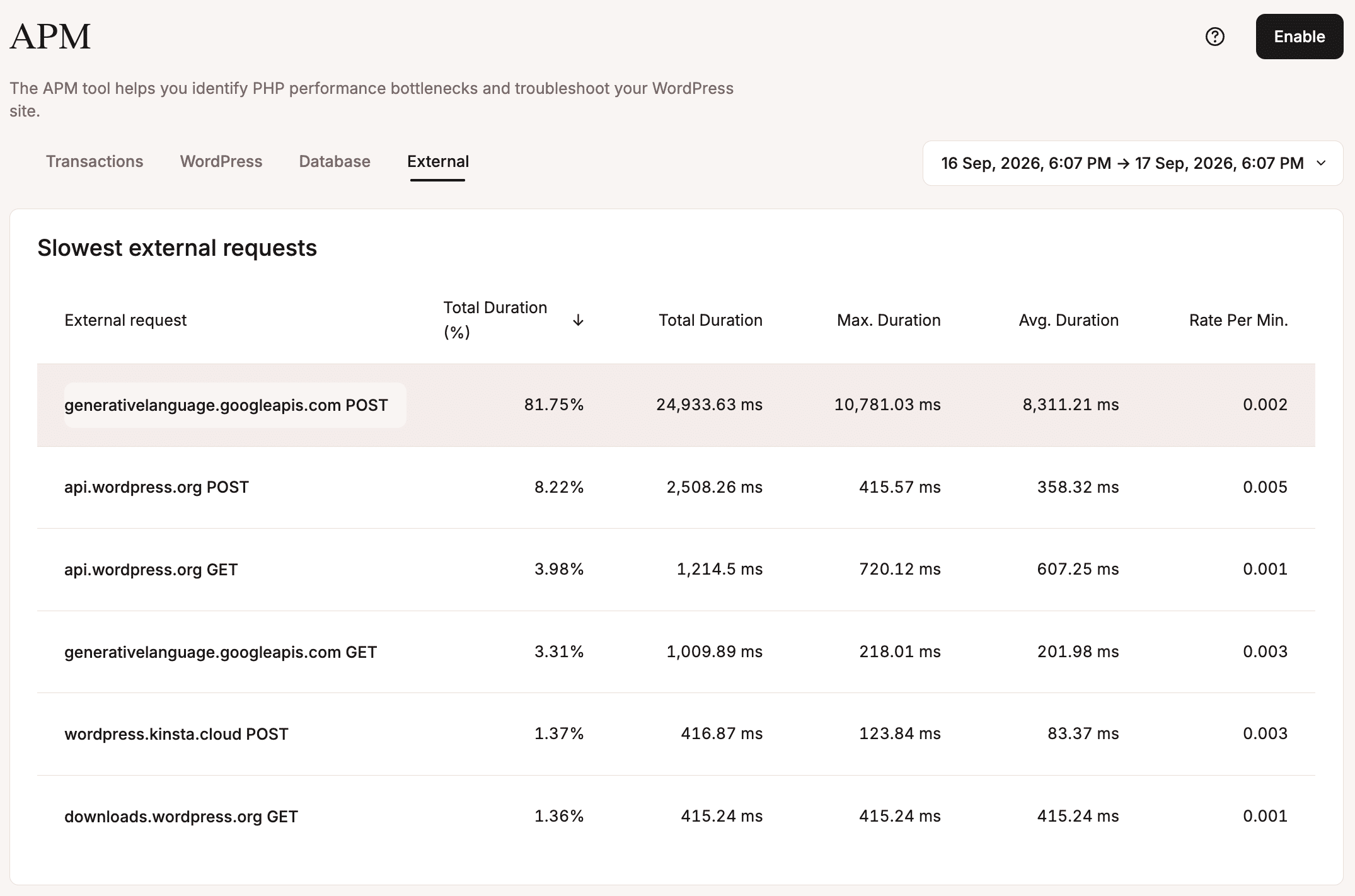
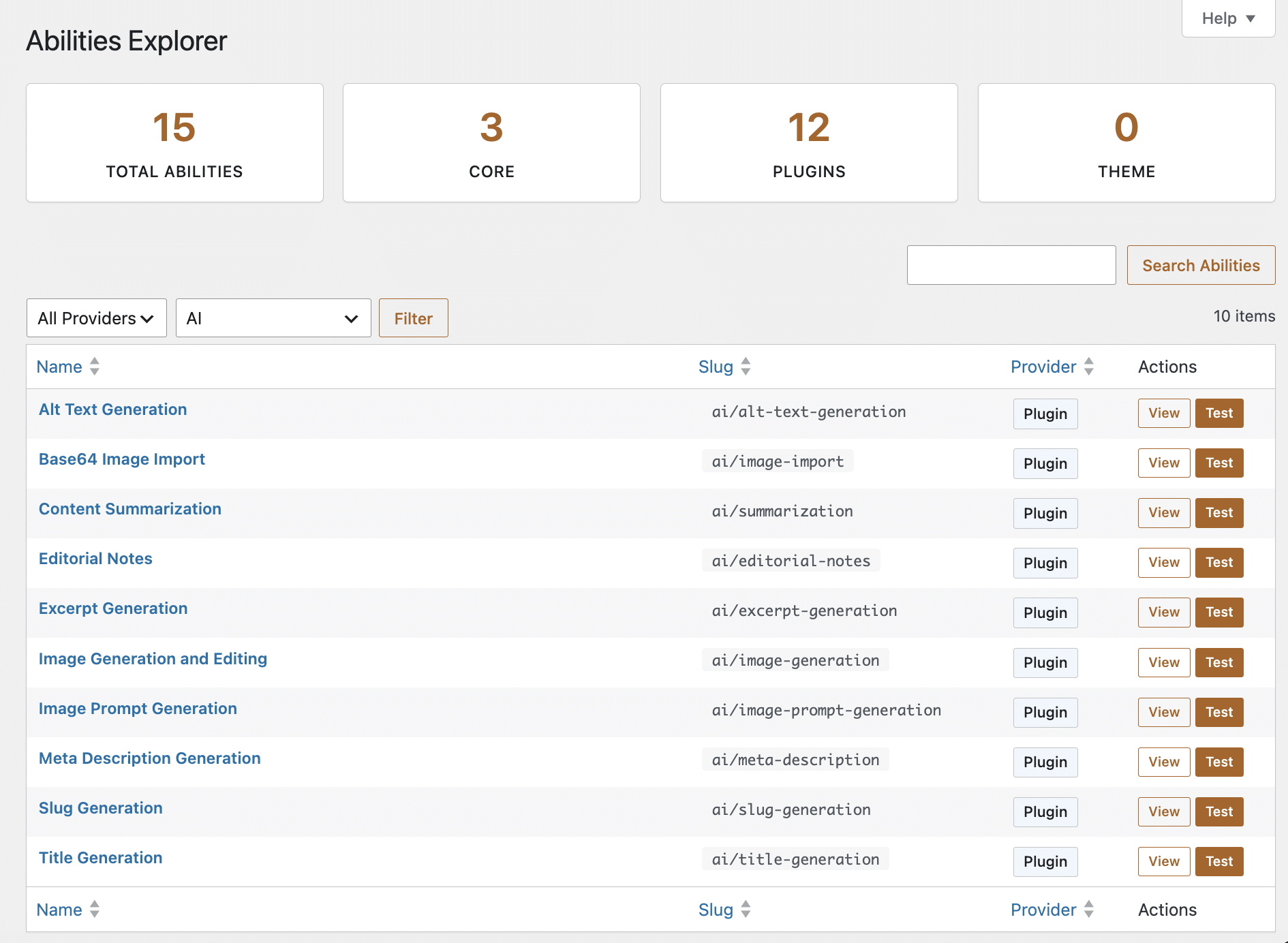
A chronological examination of a typical automated workflow illustrates this resource consumption firsthand. Utilizing the official WordPress.org AI plugin alongside centralized connectors reveals a multi-step execution sequence required to complete a single generative task. When an administrator initiates the creation of a featured image within the block editor, the system sequentially executes distinct API requests. First, the application dispatches a prompt-generation request to analyze existing post content and construct an optimized instruction set, an operation that routinely consumes upwards of five seconds of PHP execution time. Second, the system transmits this prompt to the external image generation model, initiating a blocking network call that frequently keeps the PHP thread occupied for nearly ten seconds. Third, the platform requests automated alt-text generation based on the newly created graphic, demanding an additional seven to eleven seconds of processing time. Finally, the server executes an image import task to register the asset within the WordPress Media Library. When aggregated, these sequential tasks demand cumulative processing times exceeding twenty-five seconds of active server engagement for a single media asset.
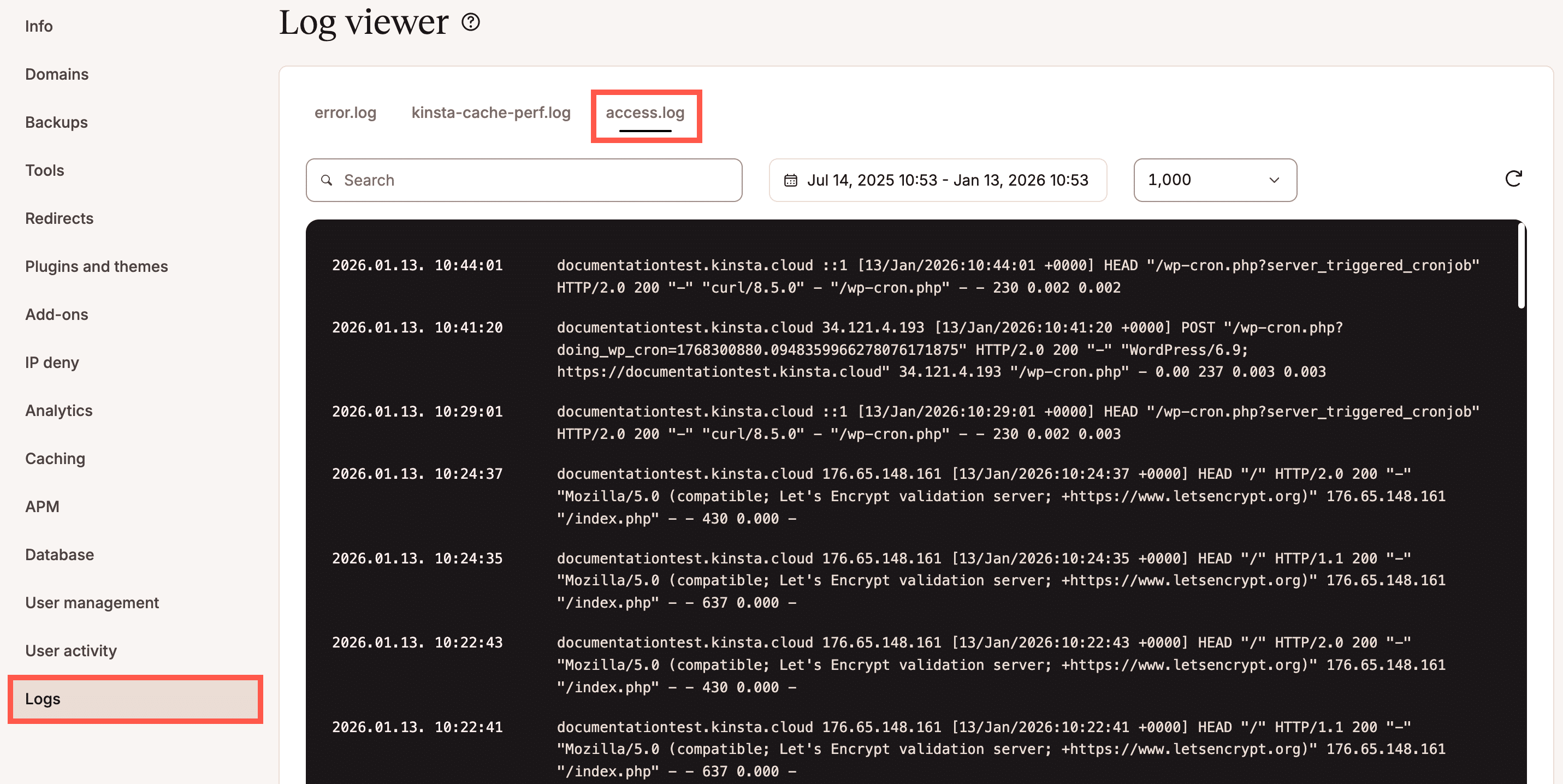
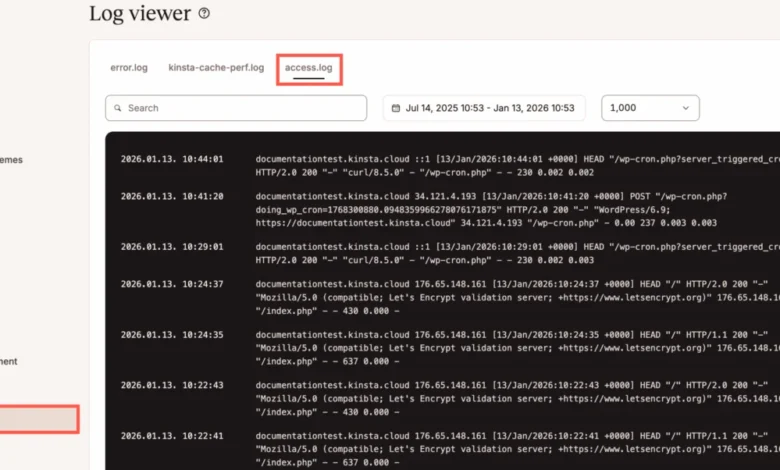
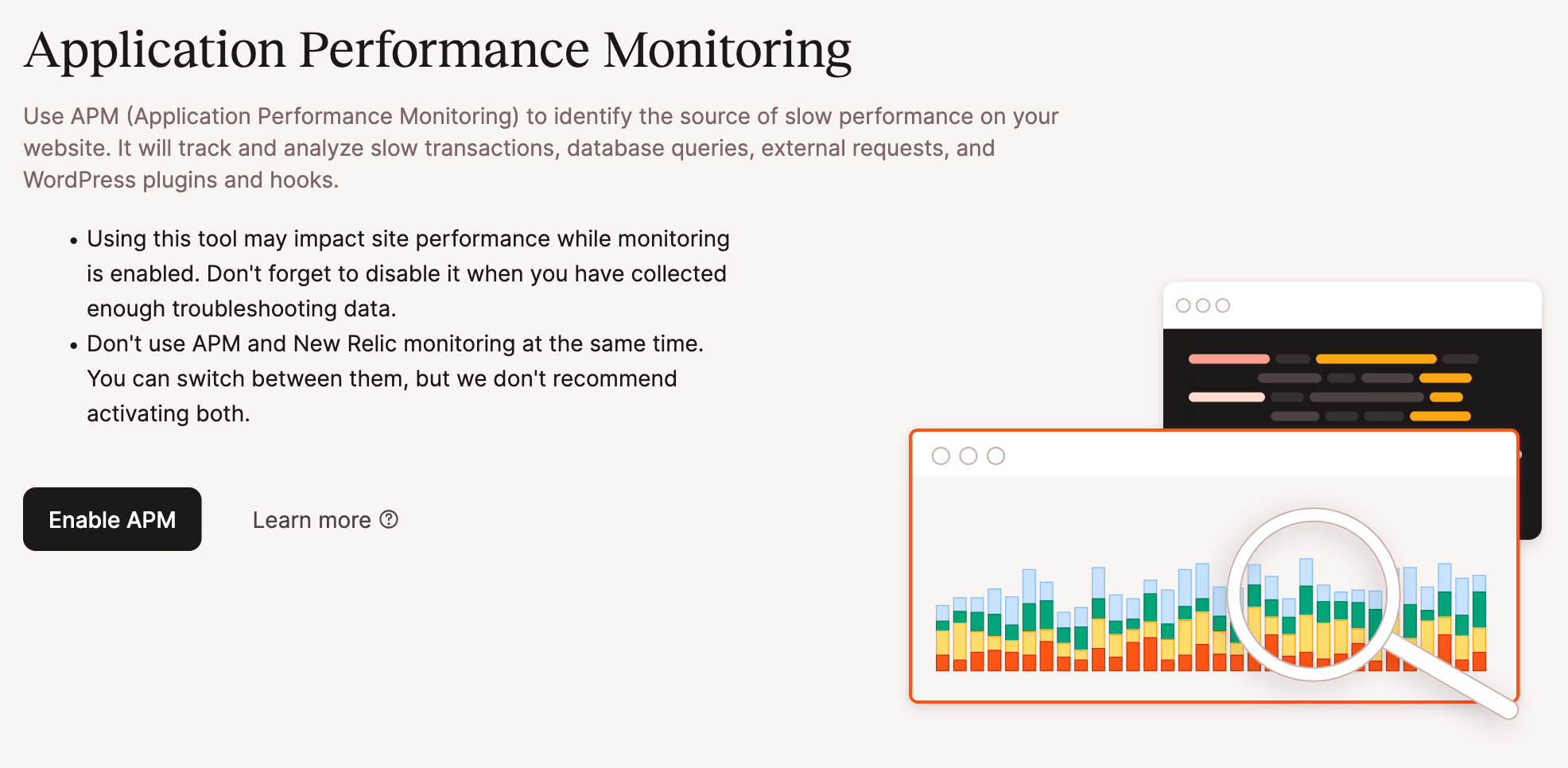
Comprehensive data gathered from application performance monitoring (APM) tools and server access logs provide empirical verification of these operational burdens. Industry benchmarks compiled via performance monitoring platforms demonstrate that requests directed toward REST API endpoints associated with artificial intelligence frameworks account for the vast majority of transaction latency during active editing sessions. Within testing environments, plugins designated for artificial intelligence routing frequently consume upwards of ninety percent of total transaction duration. Furthermore, server-level access logs confirm that concurrent artificial intelligence operations rapidly exhaust standard PHP memory limits and thread allocations. On traditional hosting environments with restricted resources, the simultaneous execution of merely two or three artificial intelligence tasks can quickly precipitate thread saturation, resulting in increased error rates, server timeouts, and temporary site unavailability for incoming visitors.
In response to these emerging performance challenges, infrastructure providers and hosting experts emphasize the critical necessity of proactive server monitoring and scalable architecture. Industry leaders note that as automated agents, web crawlers, and generative workflows become increasingly pervasive across the web ecosystem, traditional shared hosting environments are no longer adequate for high-traffic business sites and enterprise-level e-commerce platforms. Software engineers advise site administrators to utilize built-in diagnostic utilities—such as server log viewers and application performance monitors—to track external request durations, pinpoint slow database queries, and identify plugin-specific bottlenecks. By continuously auditing transaction traces down to individual file paths and line numbers, development teams can isolate inefficient code execution and apply targeted caching strategies.
The broader implications of this technological convergence suggest that the future of web development will depend heavily on the careful balance between functional automation and infrastructure resilience. While artificial intelligence engines offer unprecedented capabilities for content creation and site management, they simultaneously elevate the importance of robust server provisioning. Containerized hosting environments equipped with multi-level caching systems, automated database optimization, and scalable PHP worker pools are increasingly essential for mitigating the latency introduced by machine learning models. As organizations continue to adopt intelligent application programming interfaces to streamline digital operations, ensuring optimal site performance requires a comprehensive commitment to modern observability, strategic resource planning, and advanced infrastructural support.