Mastering Media Management: How Filestack Streamlines the Modern Developer’s Workflow

Managing digital media in an era of high-definition content, diverse file formats, and cross-platform compatibility has become one of the most resource-intensive challenges for software developers. As digital platforms move toward increasingly user-generated content, the burden of handling heterogeneous file inputs—ranging from unoptimized raw images to massive video files—often creates bottlenecks in development cycles. Traditionally, teams have been forced to choose between building bespoke, complex infrastructure to manage these assets or relying on fragmented third-party utilities that fail to provide a cohesive pipeline. Filestack has emerged as a comprehensive solution designed to address this architectural complexity by offering an end-to-end suite for file uploading, on-the-fly transformation, and high-speed global delivery.
The Evolution of Media Infrastructure
The rise of the "API-first" economy over the past decade has fundamentally altered how web and mobile applications handle data. Historically, developers were required to build their own storage solutions, often involving configuring AWS S3 buckets, writing custom validation logic, and managing server-side processing scripts for image resizing. This approach proved costly, both in terms of engineering hours and long-term maintenance.
Filestack entered the market as a response to this inefficiency, providing a layer of abstraction that allows developers to treat file handling as a utility rather than a core infrastructure project. By centralizing the upload, transformation, and delivery phases, the platform enables organizations to reduce their time-to-market significantly. According to industry reports on developer productivity, integrating pre-built file management APIs can reduce back-end development time by up to 30%, allowing engineering teams to focus on core product features rather than the nuances of file compression algorithms or storage bucket permissions.
A Chronology of Integration and Accessibility
The integration process for Filestack is structured to accommodate both front-end heavy workflows and back-end automation. Developers typically begin the implementation phase with a 21-day trial period, which provides full access to the platform’s library suite. The chronology of a standard implementation usually follows three distinct phases:
- Configuration and Initialization: Developers initialize the Filestack client using a unique API key, which establishes the secure handshake between the client application and the Filestack infrastructure.
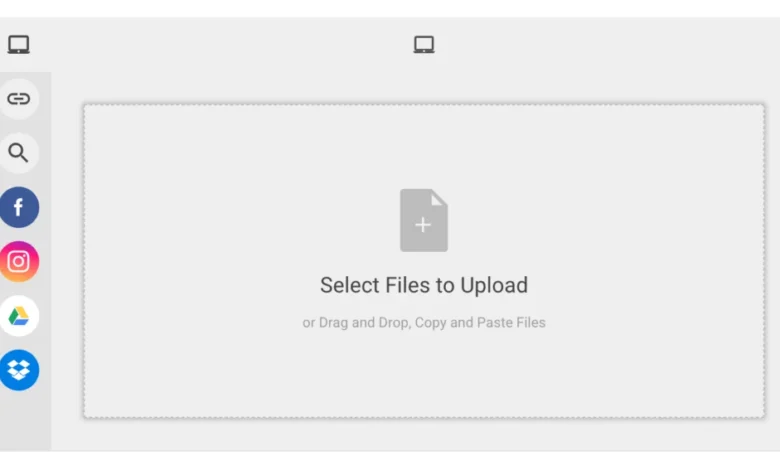
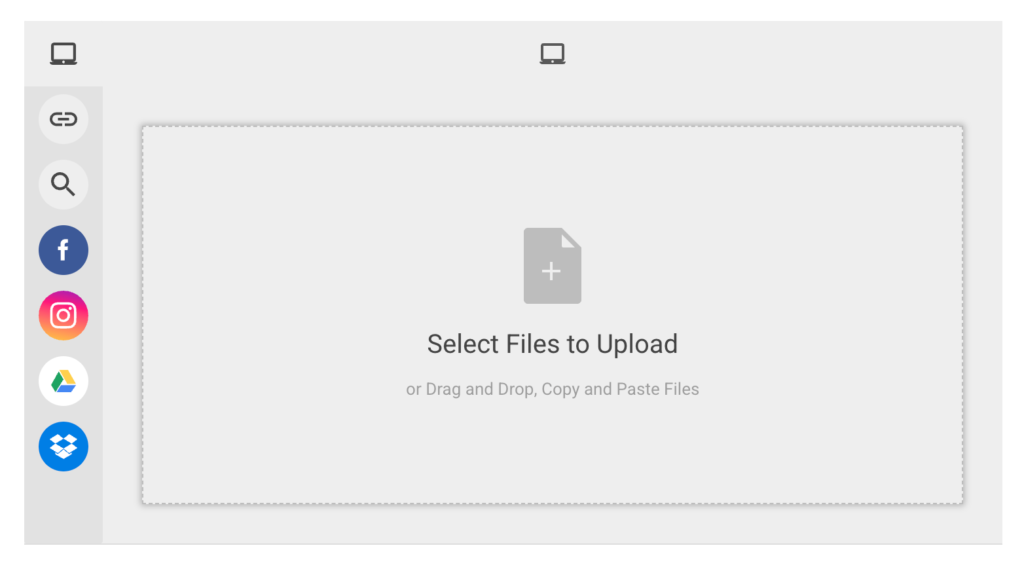
- The Picker Interface: By leveraging the Filestack Picker, developers can deploy a highly customizable, drag-and-drop file upload UI. This interface is not limited to local files; it provides native integrations with over 20 external repositories, including Google Drive, Dropbox, GitHub, and major social media platforms.
- Back-end Synchronization: For enterprise environments where security or data governance requires server-side handling, the platform provides robust SDKs, such as the Python library, which allows for direct interaction with cloud storage providers like Amazon S3 or Google Cloud Storage, complete with metadata tagging and folder structure management.
Technical Analysis: The Transformation Layer
One of the most significant challenges in modern media management is ensuring that content is optimized for the end-user’s device. A high-resolution image uploaded by a user from a smartphone may be tens of megabytes in size, which is prohibitively large for mobile web performance. Filestack’s transformation engine operates on a real-time basis, utilizing URL-based parameters to modify media assets without needing to re-upload or store multiple versions of the same file.
By appending specific parameters to a URL—such as resizing, cropping, color grading, or even adding sophisticated filters like polaroid borders—developers can serve the exact asset needed for the UI. This "transform-on-demand" approach has profound implications for server storage costs and bandwidth consumption. By serving only the necessary file size and format (e.g., converting to WebP for better performance), companies can see significant improvements in Core Web Vitals, a key metric for search engine optimization and user experience.
Global Delivery and CDN Architecture
The final stage of the media pipeline is delivery. Even the best-optimized file is useless if it suffers from high latency during transmission. Filestack addresses this through a robust Content Delivery Network (CDN) architecture. Once a file is processed or transformed, the resulting asset is cached across a global network of servers.
When a user requests a file, the system checks for a cached version. If the asset has been accessed previously, it is served from the edge location closest to the user, ensuring rapid load times. Filestack’s cache management policy generally maintains these assets for 30 days, re-caching them only upon subsequent requests. This strategy balances the need for freshness with the performance benefits of edge computing, providing a seamless experience for end-users regardless of their geographic location.
Broader Industry Implications
The reliance on integrated platforms like Filestack reflects a broader shift toward "composable architecture." Modern software development is increasingly modular; instead of building a monolithic stack, developers are opting for a "best-of-breed" approach, where they outsource non-core competencies to specialized APIs.
The impact of this shift is twofold. First, it democratizes access to enterprise-grade media capabilities. Small to medium-sized businesses can now implement the same level of media optimization as global tech giants, leveling the playing field in terms of performance and user experience. Second, it enhances security. By offloading the upload and transformation process to a hardened, specialized service, companies reduce their own attack surface. Filestack’s infrastructure includes built-in security features, such as malware scanning and access control policies, which are often more sophisticated than what a typical development team would implement independently.
Future Perspectives on Media Management
As the internet moves toward more interactive and data-heavy formats, the role of automated media management will only become more critical. The emergence of automated video transcoding, AI-driven image recognition, and machine-learning-based content moderation—all of which are increasingly being integrated into the Filestack ecosystem—suggests that the platform is positioning itself to handle the next generation of digital content.
For the developer, the takeaway is clear: the complexity of managing media files is no longer a necessary evil. By adopting a unified pipeline, teams can ensure that their applications remain performant, scalable, and secure. Whether it is a simple contact form upload or a complex enterprise-level document management system, the ability to automate the lifecycle of a file is a defining characteristic of modern, professional-grade software. As organizations continue to prioritize user retention and site speed, the adoption of specialized utilities for media transformation and delivery will likely become a standard best practice, rather than an optional enhancement.
In conclusion, Filestack provides a holistic approach to the media lifecycle. By bridging the gap between raw user input and high-performance delivery, it offers a robust framework that allows developers to maintain technical excellence while minimizing overhead. As the digital landscape continues to evolve, the integration of such specialized, high-efficiency tools will remain a hallmark of successful digital transformation.