WordPress Security in 2026: Navigating the Rising Tide of AI-Driven Cyber Threats

The landscape of web security in 2026 has reached a critical inflection point as the WordPress ecosystem—which powers approximately 40% of the internet—grapples with an unprecedented surge in vulnerability reporting. Data from the 2026 WordPress Security Survey, an annual analysis conducted by Melapress, highlights a sobering reality: nearly 68% of surveyed WordPress professionals and site owners experienced at least one significant security incident over the past twelve months. This statistic, derived from the largest sample size in the survey’s history, underscores a growing disconnect between the increasing sophistication of cyber threats and the defensive posture of the average site administrator.
The Anatomy of the 2026 Security Crisis
For over a decade, WordPress has faced scrutiny regarding its security profile, often unfairly labeled as inherently insecure due to its massive market share. However, security experts clarify that the vulnerabilities are rarely found in the WordPress core itself, but rather in the extensive ecosystem of third-party plugins, themes, and custom configurations. The 2026 survey results indicate that as the platform continues to lower the barrier to entry for website creation, a significant portion of the user base remains under-equipped to manage the long-term maintenance and hardening required for a secure digital presence.
The survey, which garnered 219 responses from a diverse cross-section of the industry—ranging from freelance developers and agency heads to enterprise-level IT managers—reveals that while general awareness of security risks is high (with 78.5% of respondents expressing concern), there is a persistent failure to implement fundamental mitigation strategies. This phenomenon, often described by cybersecurity analysts as the "awareness-action gap," suggests that while users recognize the danger, the technical or financial resources to address them are frequently lacking.
The Role of Artificial Intelligence in Vulnerability Proliferation
A primary catalyst for the current security volatility is the rapid advancement of generative AI tools. In the first three quarters of 2026, the cybersecurity community observed a dramatic spike in the frequency of vulnerability disclosures. Reports from platforms like the HackerOne WordPress vulnerability program have shown that more security issues were cataloged in a single week during the summer of 2026 than in previous multi-month periods.
This explosion in reporting is not necessarily indicative of a weaker software foundation, but rather the result of "AI-assisted discovery." Attackers are increasingly utilizing large language models and automated scanning tools to scour plugin code for deep-seated vulnerabilities that might have remained hidden from human auditors. The implication is a constant, high-frequency "firehose" of security bulletins that, while improving the overall hygiene of the ecosystem, places an immense burden on developers and administrators to manage patches and updates in real-time.
Breakdown of Risks: Availability vs. Data Integrity
The survey provided a granular look at what keeps site owners awake at night. Website availability—or the threat of downtime—remains the chief concern for 55.8% of respondents, particularly those managing content-heavy sites, news portals, and magazines. For these stakeholders, a site that is offline is a direct hit to revenue and brand equity.
However, the risk profile shifts significantly based on business model:
- E-commerce and Membership Platforms: These entities prioritize data integrity and financial security. For them, the specter of data theft, compliance failures, and the legal repercussions of GDPR or other regulatory breaches far outweigh concerns about temporary downtime.
- Corporate and Enterprise Sites: Organizations with dedicated, in-house IT teams report higher levels of preparedness, including the presence of formal breach recovery plans and rigorous security training.
The survey found that 42.6% of security detections are still entirely reactive, meaning the compromise is only identified once the site is already exhibiting symptoms of a breach, such as performance degradation or defacement. Only 38.4% of users utilize log analysis as a primary detection mechanism, suggesting that many sites are operating without the "early warning system" necessary to thwart an attack before it escalates.
The Cost of Inaction: Reputation and SEO
Perhaps the most damaging byproduct of a security incident is the long-term impact on Search Engine Optimization (SEO). When a WordPress site is compromised, search engines like Google may flag the domain as malicious, leading to an immediate and often catastrophic loss of organic traffic.
The 2026 data indicates that 45.9% of respondents who suffered a breach experienced a decline in search engine rankings. Crucially, only 14.5% of these incidents were caught early enough to prevent search engine intervention. This creates a "double penalty" scenario: the cost of recovery and lost business, followed by the uphill battle of reclaiming search authority, which can take months of intensive SEO remediation.
Best Practices and the Path Forward
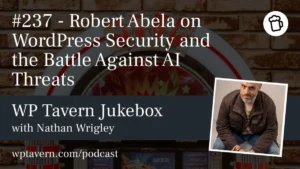
Experts like Robert Abela, founder of Melapress, argue that the industry must transition away from a reliance on single-layer defense mechanisms. The "set it and forget it" mentality is increasingly incompatible with the current threat landscape. Instead, a 360-degree approach is recommended:
- Proactive Monitoring: Implementing activity logs and real-time alerts to detect anomalous behavior the moment it occurs, rather than waiting for an automated scanner to flag an infection.
- Hardening and Authentication: Utilizing robust multi-factor authentication (MFA) and passkey technologies to mitigate the most common vector of compromise: credential theft.
- The "Human Firewall": Regular training for team members to recognize social engineering and phishing attempts, which remain a primary entry point for attackers regardless of how secure the underlying code may be.
- Breach Recovery Planning: Developing and testing an incident response plan. In the event of a breach, the ability to restore a site from a clean backup to a known "last good" state is often the difference between a minor inconvenience and a permanent business failure.
Institutional Responses and Future Outlook
The broader WordPress community, including hosting providers and plugin developers, is currently engaged in a massive effort to modernize security workflows. Hosting companies are increasingly integrating automated patch management and server-side WAF (Web Application Firewall) solutions to act as a buffer for the average user who may lack the expertise to harden their own environment.
While the current narrative in the mainstream media often leans toward the sensational, highlighting the "tidal wave" of vulnerabilities, industry insiders remain cautiously optimistic. The same AI tools fueling the rise in vulnerability reports are being deployed by security vendors to conduct rapid, automated code analysis, identifying and fixing potential exploits before they can be weaponized.
As the industry looks toward 2027, the emphasis is shifting from "perfect security"—which is widely acknowledged as unattainable—to "resilient security." This involves assuming that a breach is a statistical possibility and designing systems that minimize impact, ensure quick recovery, and maintain the trust of users. For the individual WordPress administrator, the message for the remainder of 2026 is clear: vigilance is no longer an optional component of site management; it is the fundamental requirement for participating in the modern digital economy.