YouTube Reveals Deep-Seated Concerns of European Union Content Creators in Landmark Creative Capital Study

YouTube has released a comprehensive set of insights detailing the primary anxieties, operational hurdles, and economic contributions of digital content creators operating across the European Union. The data stems from an expansive regional consultation initiative that surveyed 20,000 active creators spanning all 27 EU member states. By bringing these findings to light, the video-sharing platform aims to bridge the gap between digital entrepreneurs and continental policymakers, offering a roadmap for regulatory frameworks that can foster rather than stifle digital innovation.
The release of these specific insights coincides with a growing awareness of the creator economy’s macroeconomic footprint within Europe. According to recent economic assessments cited by the platform, YouTube’s ecosystem contributed more than $9.3 billion to the European Union’s economy and supported upwards of 220,000 full-time equivalent jobs. As the digital landscape continues to mature, understanding the friction points experienced by these independent businesses has become critical for ensuring sustainable growth across the European digital single market.
Background and Context of the Creator Consultation
The European creator consultation initiative represents one of the most extensive empirical studies undertaken regarding the modern digital workforce in the EU. For years, creators have navigated an increasingly complex web of national and supranational regulations, ranging from intellectual property directives to strict consumer protection laws and algorithmic transparency rules. While these legislative measures often aim to protect consumers and establish a fair digital playing field, creators have frequently expressed concern that blanket policies fail to account for the unique economic realities of small, independent digital enterprises.
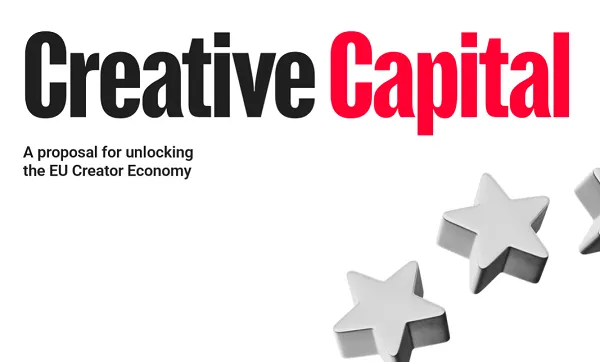
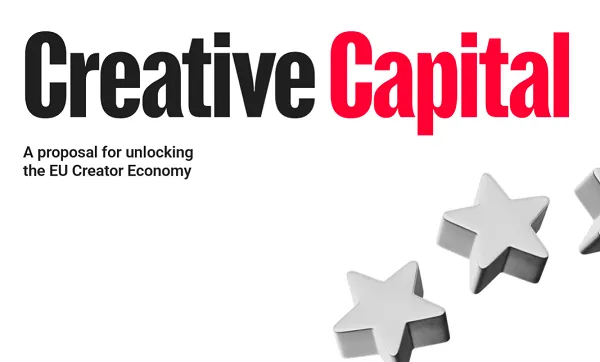
To capture an accurate picture of these challenges, YouTube deployed its comprehensive survey mechanism across the diverse linguistic and cultural landscapes of the bloc. The goal was to move past anecdotal evidence and compile hard data on how creators sustain their businesses, monetize their content, and manage regulatory burdens. The initial findings were distilled into a 17-page document known as the Creative Capital report, which laid the groundwork for subsequent qualitative investigations, including a series of targeted video interviews released this week to give a voice to the survey respondents.
Chronology of the Reporting Initiative
The rollout of YouTube’s findings has followed a structured, multi-phase trajectory designed to maximize visibility among policymakers, industry stakeholders, and the creative community itself.
The process began late last year with the distribution and collection of survey data from the 20,000 participating creators across the 27 EU member states. This massive data-gathering phase was designed to capture a representative sample of creators varying in channel size, content genre, and geographic location, from established media companies to solo operators working out of home studios.
Last month, YouTube officially published the European creator consultation report, bringing the statistical findings into the public domain. This publication served as the first formal overview of the macroeconomic value generated by the platform in Europe, alongside a preliminary look at the overarching hurdles identified by creators.
This week, the initiative entered its current phase with the release of specific, qualitative video interviews. These segments delve deeper into the core concerns highlighted in the initial report, offering real-world context and personal narratives from creators who face these operational challenges on a daily basis. By pairing quantitative survey results with qualitative storytelling, YouTube has sought to humanize the data for regulators who may be unfamiliar with the day-to-day operations of digital content creation.
Key Findings: The Core Concerns of EU Creators
While the European digital economy offers vast opportunities for growth and audience reach, the Creative Capital report outlines several persistent obstacles that threaten the viability of independent creative businesses. Chief among these concerns are regulatory fragmentation, compliance costs, monetization unpredictability, and the psychological toll of managing digital enterprises within a rapidly shifting legal environment.
Regulatory Complexity and Compliance Burdens
One of the most prominent themes emerging from the survey is the challenge of navigating disparate regulatory frameworks. Creators operating within the EU are subject to both European-level directives—such as the Digital Services Act (DSA) and the Audiovisual Media Services Directive (AVMSD)—and a patchwork of national laws. For small teams or solo creators, understanding and complying with these multifaceted rules requires legal expertise and administrative resources that many simply do not possess.
Monetization and Financial Stability
Economic sustainability remains a central preoccupation for European creators. Although digital platforms offer global reach, revenue streams can be volatile, influenced by shifting advertiser demand, platform policy updates, and macroeconomic pressures across the continent. Creators noted that unpredictable income makes it difficult to secure traditional financing, such as business loans or mortgages, as traditional banking institutions often fail to recognize content creation as a stable, viable profession.
Copyright and Intellectual Property Management
Navigating intellectual property laws within the EU continues to be a source of significant friction. Creators frequently report anxiety regarding copyright enforcement mechanisms, automated content-filtering systems, and the risk of unwarranted claims or strikes against their channels. Ensuring a balanced approach that protects original creators while allowing for fair use and transformative content remains a complex regulatory puzzle.
Algorithmic Transparency and Platform Policies
Creators expressed a strong desire for greater transparency regarding how algorithms recommend content and how platform policies are enforced. Sudden shifts in recommendation algorithms can dramatically alter a creator’s livelihood overnight, leading to calls for more predictable communication channels and clearer avenues for dispute resolution when content is flagged or demonetized.
Data and Economic Impact: The Macroeconomic Footprint
To contextualize the grievances of EU creators, it is necessary to examine the scale of the ecosystem they sustain. Independent evaluations indicate that the digital creator economy has evolved from a niche hobbyist space into a foundational pillar of modern European commerce.
The generation of over $9.3 billion in economic value across the European Union in 2025 underscores the commercial importance of this sector. This figure encompasses direct revenues generated through platform monetization schemes, as well as indirect economic activity, including equipment purchases, software subscriptions, studio rentals, marketing expenditures, and the employment of production crews, editors, and administrative staff.
Furthermore, the support of more than 220,000 jobs across the member states highlights the employment multiplier effect inherent in digital content creation. These roles are not confined to traditional media hubs like London, Paris, or Berlin; they are distributed across urban and rural communities alike, providing flexible employment opportunities and fostering regional economic diversification.
Despite these impressive figures, industry analysts note that the fragile nature of independent businesses means that poorly calibrated regulations could inadvertently stifle this growth. Excessive administrative compliance costs could force smaller creators out of the market, ultimately reducing cultural diversity and innovation within the European digital space.
Official Responses and Stakeholder Perspectives
While YouTube has positioned itself as an advocate for the creator community, the findings of the Creative Capital report have also prompted reactions from broader industry associations, digital rights advocates, and trade bodies.
Representatives for European independent creators have welcomed the data-driven approach, noting that policymakers often legislate for major multinational tech corporations without fully recognizing the distinct challenges faced by micro-enterprises and sole proprietors. By quantifying the economic footprint of creators, the report provides a tangible argument for why regulatory intervention must be proportionate and supportive rather than punitive.
Conversely, some legal scholars and consumer protection advocates emphasize the necessity of robust oversight. From this perspective, regulations such as the Digital Services Act are vital for ensuring user safety, protecting minor audiences, preventing the spread of misinformation, and holding digital platforms accountable for content moderation practices. These stakeholders argue that while creator concerns regarding administrative burdens are valid, regulatory compliance is a necessary cost of doing business in a mature digital market.
In response to these competing priorities, YouTube’s outreach initiatives have emphasized the importance of collaboration. Platform representatives have argued that regulators and technology companies must work hand-in-hand to design compliance mechanisms that are scalable for small businesses, ensuring that safety and transparency goals are achieved without crushing entrepreneurial initiative.
Fact-Based Analysis of Implications for the Future
The release of the Creative Capital report and its accompanying video insights carries several long-term implications for the future of the European digital economy.
First, it signals a maturation of the creator economy into a recognized political and economic constituency. As creators organize, voice their concerns, and demonstrate their collective economic weight, lawmakers can no longer afford to treat digital content creation as an unregulated Wild West. Future legislative proposals emanating from Brussels and national capitals will likely face heightened scrutiny from creator advocacy groups.
Second, the findings highlight an urgent need for institutional support mechanisms tailored to the digital workforce. Traditional financial institutions, educational systems, and labor ministries may need to adapt their frameworks to accommodate creators, offering specialized business training, accessible financing options, and clearer tax guidance tailored to digital entrepreneurs.
Finally, the dialogue initiated by YouTube underscores the delicate balance required in internet governance. As the European Union continues to roll out ambitious digital legislation, the ability of policymakers to listen to the grassroots feedback captured in reports like Creative Capital will determine whether Europe remains a competitive hub for digital innovation or whether creators migrate to more accommodating jurisdictions.
The path forward will depend on sustained engagement between platforms, creators, and regulators. By leveraging comprehensive data and firsthand testimonies, the European creator community has established a clear foundation for advocacy, setting the stage for more nuanced, informed policymaking in the years to come.
Related posts: