Mastering Engaging Opening Lines: 11 Creative Strategies to Hook Your Readers

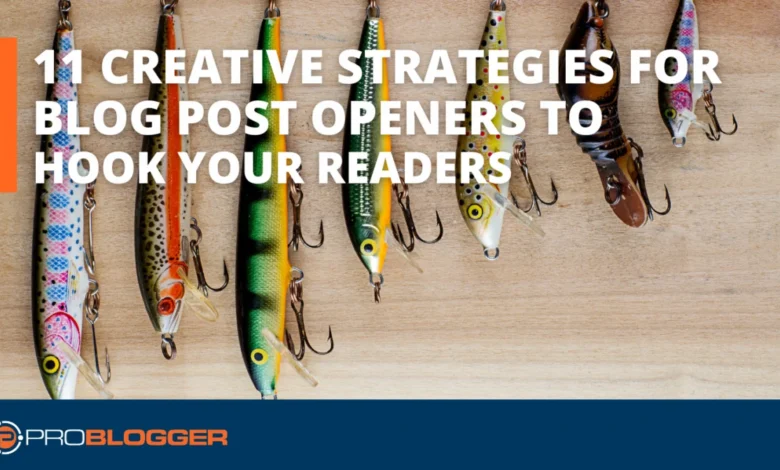
In the digital landscape, where the average human attention span has been documented by industry analysts to be approximately eight seconds, the opening sentence of a blog post functions as the primary gatekeeper of engagement. Much like a formal introduction in a professional setting, the initial impression dictates whether a reader commits their time to the content or navigates away. Data from content marketing firms suggests that 80% of readers never make it past the headline, but for those who do, the first sentence determines the retention rate for the remainder of the article.
The importance of this opening sequence cannot be overstated. While the headline serves as the initial attraction, the opening line acts as the mechanism for conversion—the bridge between a casual click and active consumption. Strategies for crafting these lines are rooted in psychological triggers that command attention and incentivize continued reading.
The Psychology of Reader Engagement
Research into reader behavior indicates that audiences are more likely to engage with content that addresses their specific pain points immediately. This approach, often utilized in journalism and professional copywriting, relies on the "hook" method. By identifying a reader’s primary need or problem within the first 50 words, authors can establish authority and promise a solution, thereby reducing bounce rates.
The following eleven strategies have been identified by communication experts as the most effective methods for capturing and sustaining reader interest.
1. The Identification of Need
The most direct way to secure a reader’s attention is to acknowledge their specific challenge. By articulating a problem clearly, the writer signals that the content is relevant. This technique creates a sense of empathy and shared experience. When an article begins by validating a struggle, the reader is conditioned to believe that the subsequent paragraphs will provide a resolution.
2. The Binary Question Technique
Copywriters have long employed the "yes-set" technique, which involves asking a question that prompts an affirmative response from the reader. By framing a question that aligns with the reader’s internal state—such as "Have you ever struggled to maintain focus while working remotely?"—the author creates a subconscious bond. Once the reader agrees with the premise, they are more psychologically invested in seeing the argument through to its conclusion.
3. The Intriguing Premise
Human curiosity is a powerful driver of engagement. An opening line that poses a question without an immediate answer creates an "information gap." According to behavioral economics, when people perceive a gap in their knowledge, they experience a desire to fill it. By posing a provocative or unusual question, writers compel the audience to read further to find the necessary closure.
4. The Anecdotal Surprise
Personal narratives, when used sparingly and effectively, can disrupt the monotonous flow of digital information. A brief, unexpected anecdote serves as a pattern interrupt. By sharing a relatable story—even one that seems tangentially related to the core topic—the author humanizes the brand or the voice behind the text. This "human element" can often be the differentiator in high-saturation niches.
5. Storytelling and Analogies
Stories provide context that raw data often lacks. By using an analogy or a brief narrative arc, a writer can translate complex or abstract concepts into concrete, understandable terms. This method is particularly effective for formal or academic topics, where the narrative provides a "breather" for the reader, making the information more digestible and memorable.
6. The Assertion of Authority
A bold claim or a definitive statement can effectively command attention. By leading with a strong, verifiable, or even controversial position, an author demonstrates confidence and expertise. This approach sets a high standard for the article, signaling to the reader that they are about to consume high-value, authoritative information. However, this strategy carries a burden of proof; the author must be prepared to substantiate the claim immediately following the opening.
7. Strategic Controversy
While polarizing content carries risks, it remains one of the most effective tools for generating engagement. Challenging a status quo, a common industry practice, or a widely held belief can provoke a strong emotional reaction. This encourages the reader to continue reading, either to validate their own dissenting opinion or to see if the author can successfully defend their provocative stance.
8. Sensory Imagery
Engaging a reader’s imagination through vivid, sensory-driven language is a technique borrowed from narrative journalism. By asking the reader to visualize a scenario, the author moves the reader from a passive observer to an active participant. This method is highly effective for building emotional resonance and making abstract concepts feel personal and urgent.
9. The Power of Statistical Evidence
Data-driven openings are particularly effective in B2B and technical sectors. A startling or counter-intuitive statistic provides immediate context for the importance of the topic. When an article begins with a figure that challenges conventional wisdom, it establishes an instant framework of importance that justifies the reader’s time investment.
10. The Quotation Framework
Beginning with an impactful quote from a recognized authority can lend immediate credibility to an article. This technique leverages the "halo effect," where the perceived authority of the person quoted transfers to the content itself. It also sets a sophisticated, thoughtful tone that can attract a more serious audience.
11. Visual Integration
In an increasingly visual web, the opening image is as important as the opening text. Studies have shown that posts featuring a high-quality, relevant, and striking image at the top of the page receive significantly higher engagement than those relying solely on text. An image acts as a visual "hook," drawing the reader into the headline and, subsequently, the first sentence.
The Broader Implications for Content Strategy
The cumulative effect of these strategies is a more structured and intentional approach to digital communication. In an era of information overload, the ability to cut through the noise is a critical professional skill. Data suggests that websites that optimize their "above-the-fold" content—the area visible before scrolling—see a 25% increase in average session duration.
Furthermore, the implementation of these techniques requires a nuanced understanding of the target demographic. What constitutes a "compelling story" to a B2B executive may differ significantly from the preferences of a consumer-focused blog reader. Consequently, the selection of an opening strategy should be informed by analytics and a clear understanding of the intended audience’s psychological profile.
Conclusion and Future Outlook
As content consumption habits continue to evolve, the necessity for high-impact opening lines will only increase. Writers and content creators are encouraged to test different opening styles through A/B testing to determine which methods resonate most effectively with their specific audience. By treating the opening line as a strategic asset rather than a decorative introduction, content producers can ensure their work stands out in a competitive digital environment. Ultimately, the goal remains consistent: to honor the reader’s time by providing immediate value and a clear, compelling reason to engage with the narrative until the final sentence.